A Chorus Line is a landmark musical that explores the lives, struggles, and aspirations of Broadway dancers auditioning for a spot on a chorus line. Developed through real-life interviews with dancers and featuring music by Marvin Hamlisch, it remains a "singular sensation" in musical theater history, winning nine Tony Awards and the Pulitzer Prize for Drama.
The Genesis and Historical Context of a Concept Musical
The origins of A Chorus Line are rooted in a series of clandestine tape-recorded sessions that began in January 1974. Directed and choreographed by Michael Bennett, these sessions involved a group of "gypsies"—the industry term for nomadic chorus dancers—who gathered to share their personal stories, childhood traumas, and the professional hardships of the theater world. These recordings provided the raw material for James Kirkwood Jr. and Nicholas Dante to craft a book that broke the traditional mold of musical storytelling.
In an era where Broadway was dominated by traditional book musicals or flashy revues, A Chorus Line introduced the "concept musical" to a mainstream audience. Unlike a linear narrative focused on a single protagonist, this show focused on the collective experience of the ensemble. It was developed at The Public Theater under the guidance of Joseph Papp, a move that signaled a shift in how commercial Broadway hits could be incubated in the non-profit sector.
When the show premiered on May 21, 1975, at the Public Theater, it was an immediate critical success. It transferred to the Shubert Theatre on Broadway on July 25, 1975, where it would run for a record-breaking 6,137 performances, a title it held until Cats surpassed it in 1997. As of 2026, the musical is celebrated as a cornerstone of the American theatrical canon, having recently marked its 50th anniversary with worldwide retrospectives and special productions.
Plot Overview and Character Dynamics
The narrative structure of A Chorus Line is deceptively simple: an audition. The setting is a bare Broadway stage where a director, Zach, is casting for an upcoming musical. After an initial cut reduces a crowd of sixty down to seventeen finalists, Zach informs them that he wants to know more about them—beyond their resumes.
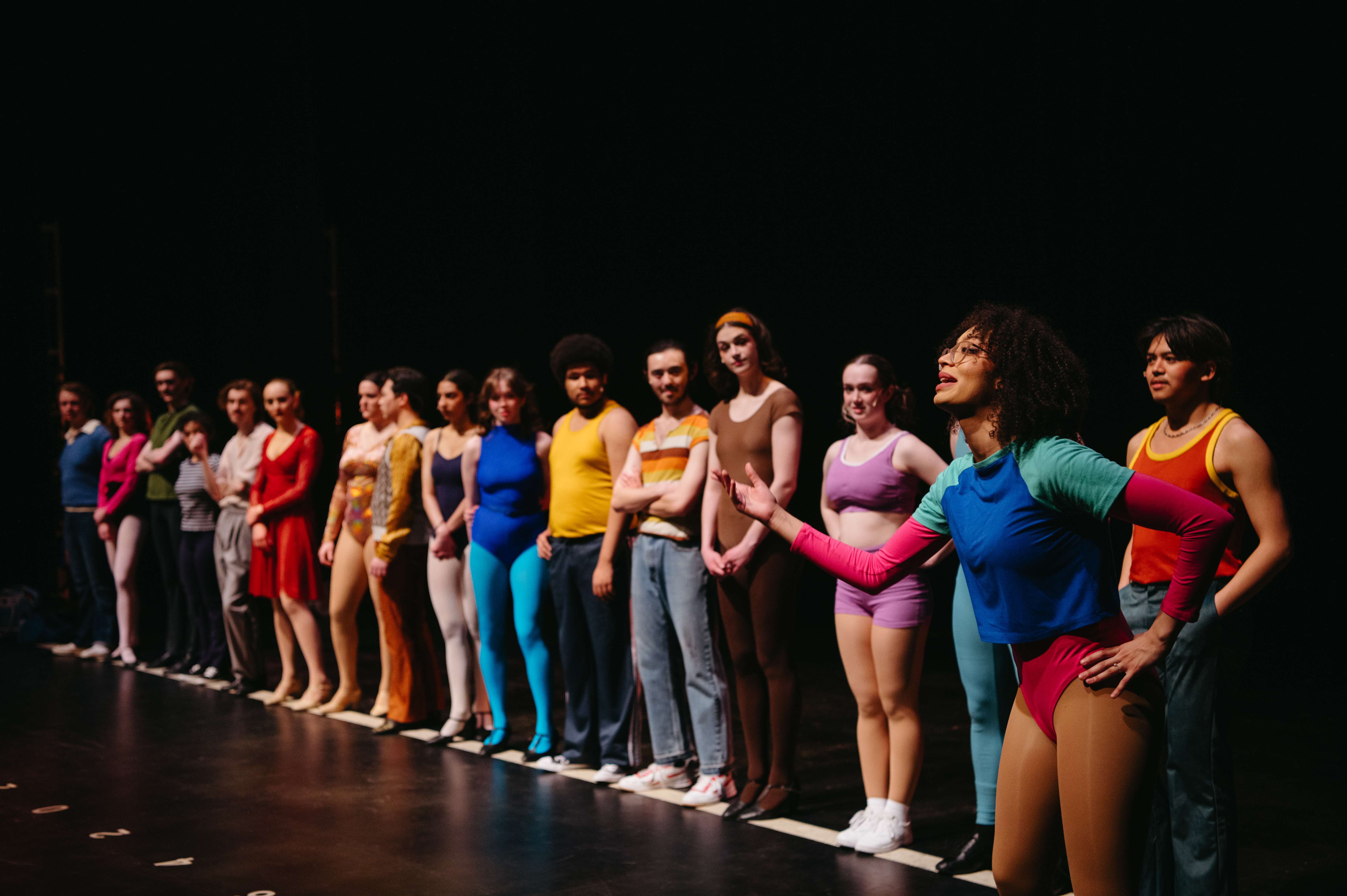
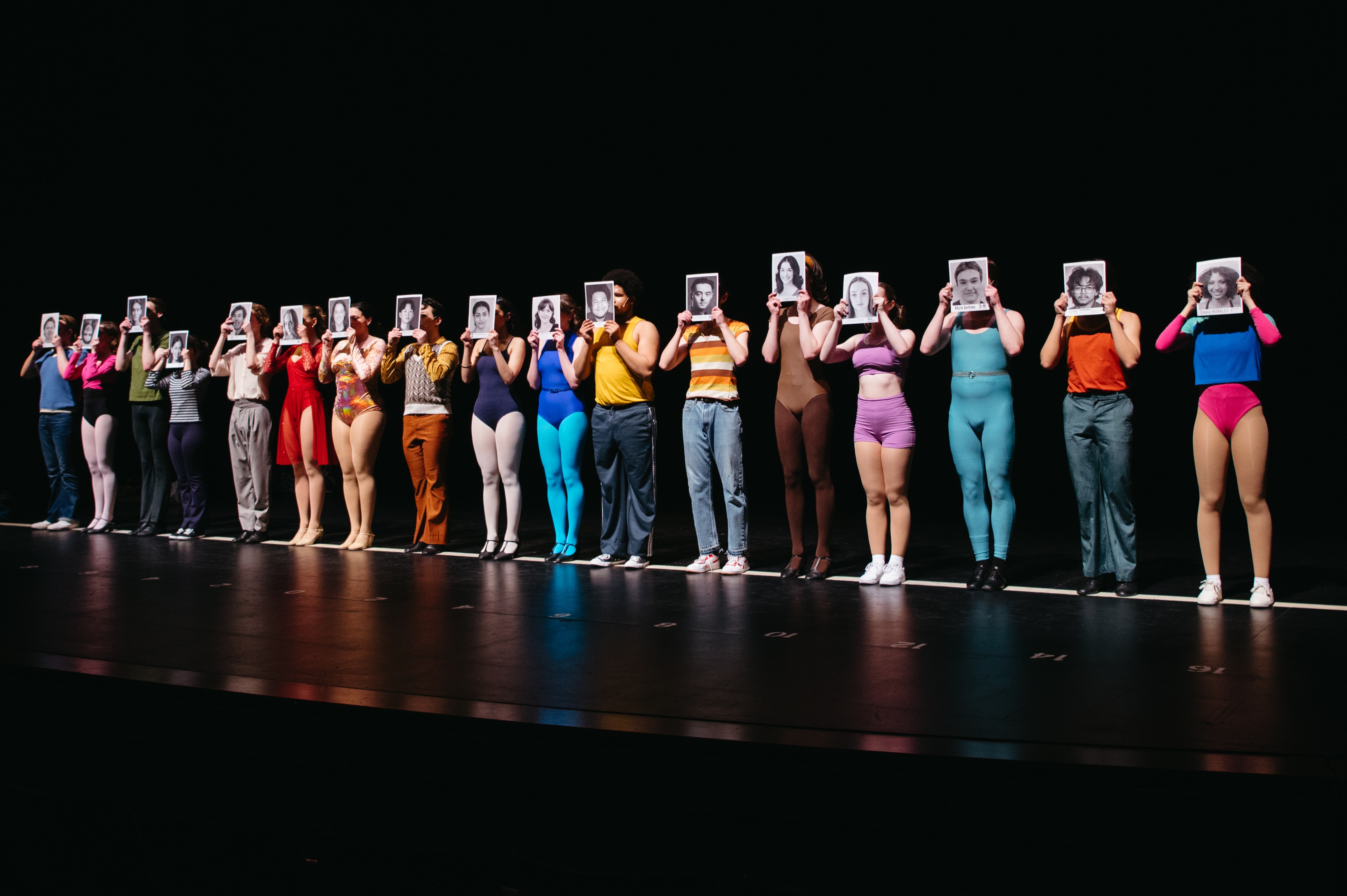
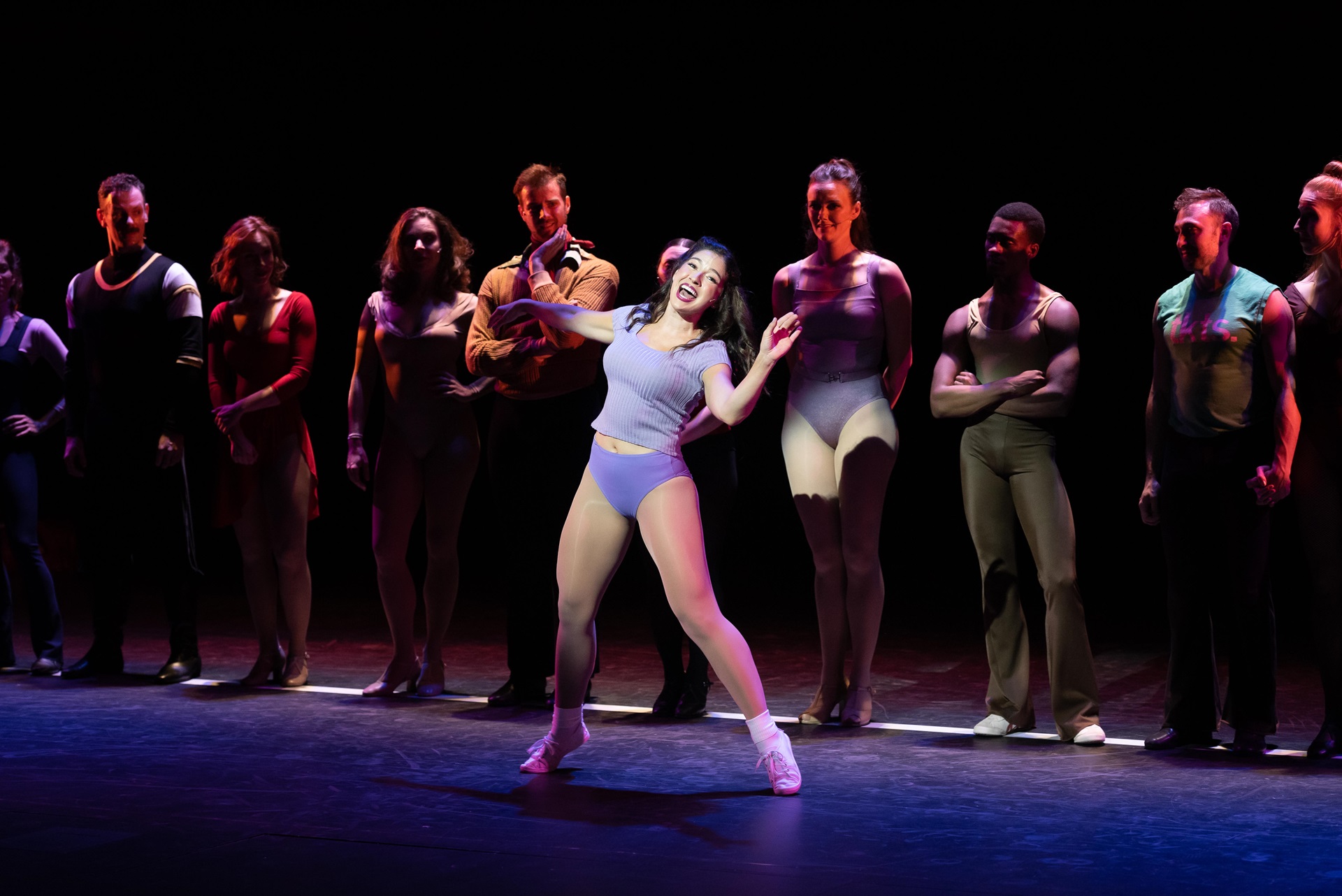
The characters are forced to stand on a white line painted across the stage, stepping forward one by one to reveal their vulnerabilities. This creates a high-stakes environment where the "line" represents both a physical boundary and a psychological precipice.
Key Character Arcs
- Cassie: A former featured performer and Zach’s ex-lover, Cassie is the most complex character. Her journey represents the struggle of an artist who has tasted success but finds herself "returning to the line" because she simply needs to dance. Her solo, "The Music and the Mirror," is a masterclass in combining character-driven acting with demanding choreography.
- Paul: A shy, Puerto Rican dancer whose monologue about his parents discovering him performing in a drag show is the emotional core of the musical. Paul’s story highlights the intersection of identity, sexuality, and family acceptance.
- Sheila: An aging, cynical dancer who uses humor as a defense mechanism. Her participation in "At the Ballet" reveals a childhood where the theater provided the only escape from a cold and loveless home.
- Diana Morales: An energetic Puerto Rican dancer from the Bronx who recounts her negative experiences at a performing arts high school in "Nothing," and later leads the iconic anthem "What I Did for Love."
The brilliance of the script lies in how it balances these individual tragedies and triumphs with the looming threat of the "final cut," where eight dancers will be chosen and nine will go home.
Musical and Choreographic Innovation
The collaboration between composer Marvin Hamlisch and lyricist Edward Kleban resulted in a score that seamlessly integrates with the dialogue. The music does not merely interrupt the story; it advances the psychological profiles of the characters.
Choreographically, Michael Bennett (with Bob Avian) created a visual language that defined the 1970s Broadway aesthetic. The movement is characterized by sharp, synchronized jazz patterns that emphasize the uniformity required of a chorus, contrasted with the individualistic, expressive movements seen during the characters' solo moments.
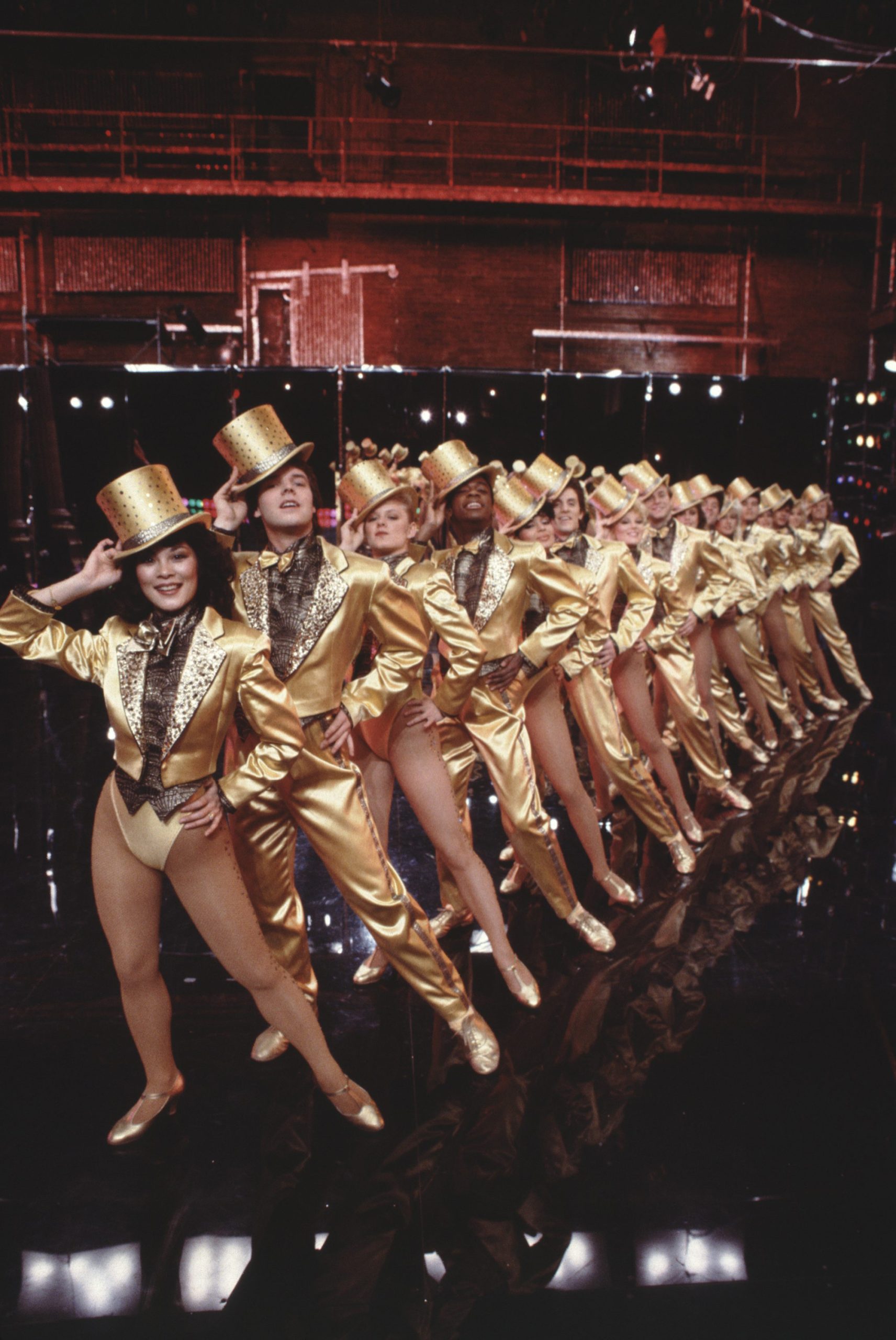
The finale, "One," is perhaps the most famous sequence in musical theater history. After the emotional exhaustion of the audition, the chosen eight—joined by the eliminated nine—return in identical gold-sequined tuxedos. They perform a flawlessly synchronized routine that effectively erases their individuality. This serves as a poignant irony: throughout the show, we learn how unique and diverse these people are, but for the "business" of Broadway, they must become a nameless, uniform collective.
Production Requirements and Technical Specifications
Producing A Chorus Line in 2026 requires a strict adherence to its minimalist origins while meeting modern technical standards. Because the show is about the "bare bones" of the theater, the set design is famously sparse, usually consisting only of a black box stage and a series of rotating mirrors.
Essential Production Elements
- The Mirrors: The mirrors are used to reflect the dancers' images back at them, symbolizing self-reflection. In modern revivals, high-grade, shatter-resistant acrylic mirrors are often used, mounted on silent automated pivots to ensure smooth transitions between the rehearsal and the "abstract" mental spaces of the characters.
- Lighting Design: The lighting is critical because there are no physical set changes. Lighting must define the space, moving from the harsh "work lights" of an audition to the saturated colors of a character's memory. Tharon Musser’s original design was groundbreaking for being the first Broadway show to use a computerized lighting console.
- The Line: A simple white line must be clearly visible on the stage floor. This serves as the "anchor" for the entire show's blocking.
- Costumes: The "audition wear" should look authentic to the individual characters—leotards, leg warmers, and flared trousers. The contrast is provided by the "Gold Finale" outfits, which must be identical and impeccably tailored to create the "one-ness" required for the ending.
| Production Milestone | Year | Location | Significance |
|---|---|---|---|
| Original Premiere | 1975 | The Public Theater | The birth of the modern concept musical. |
| Broadway Opening | 1975 | Shubert Theatre | Became a global phenomenon and multi-Tony winner. |
| Film Adaptation | 1985 | Directed by Richard Attenborough | Polarized fans but brought the story to a wider audience. |
| First Broadway Revival | 2006 | Gerald Schoenfeld Theatre | Re-established the show for a new generation. |
| 50th Anniversary | 2025 | Global / West End | Celebrated with major international tours and digital archives. |
Comparative Analysis: Original vs. Modern Interpretations
While the 1975 original set the template, modern productions in the 2020s have had to navigate the changing cultural landscape regarding gender, race, and the portrayal of mental health. In 2026, directors often approach A Chorus Line not as a period piece, but as a timeless exploration of the gig economy.
The 2006 revival was criticized by some for being a "carbon copy" of the original, as it utilized the same choreography and costumes. However, more recent regional and international productions have experimented with diverse casting and subtle updates to the dialogue to ensure the characters’ struggles with identity feel contemporary. Despite these variations, the licensing for A Chorus Line remains strictly controlled to preserve Michael Bennett’s original choreographic vision, which is considered an integral part of the "script."
Troubleshooting and Common Mistakes in Performance
Performing A Chorus Line is an athletic feat that requires "triple-threat" performers—those who can sing, act, and dance at an elite level. Common pitfalls in modern productions include:
- Over-Acting the "Natural" Moments: The dialogue is designed to sound like a conversation, not a performance. If the actors "play to the back of the house" too much during the monologues, the intimacy of the audition is lost.
- Neglecting the Precision of "One": The finale fails if even one dancer is slightly out of sync. The point of the finale is the loss of the individual; if a dancer stands out, the thematic weight of the show is undermined.
- Pacing Issues: Without an intermission (as was the original intent), the show must maintain a relentless forward momentum. Breaks in energy can make the 2-hour-plus runtime feel taxing for the audience.
FAQs About A Chorus Line
Is there an intermission in A Chorus Line?
In its original Broadway run and most professional revivals, A Chorus Line is performed without an intermission. This choice was made by Michael Bennett to simulate the actual experience of an audition, which is an exhausting, continuous process. The lack of a break keeps the tension high for both the performers and the audience.
Why is A Chorus Line called a "concept musical"?
A concept musical is a show where the overarching theme or "concept" is more important than a traditional linear plot. In A Chorus Line, the "concept" is the audition and the inner lives of the ensemble. Rather than following one hero on a journey, we follow the collective journey of the line itself.
What is the significance of the song "What I Did for Love"?
While often misinterpreted as a standard love song, "What I Did for Love" is actually about the dancers' relationship with their craft. It is a collective realization that their careers will eventually end—due to age or injury—and that they have no regrets about dedicating their lives to something so fleeting.
Did A Chorus Line win the Pulitzer Prize?
Yes, A Chorus Line won the Pulitzer Prize for Drama in 1976. It was one of the few musicals to ever receive this honor, cited for its profound psychological depth and its innovative approach to storytelling in a musical format.
Is the movie version of A Chorus Line accurate to the stage show?
The 1985 film directed by Richard Attenborough is widely considered a flawed adaptation. It changed several key plot points, rearranged the musical numbers, and added a romantic subplot that many theater purists felt distracted from the show’s original focus on the ensemble's collective struggle.
Studying the Legacy of the Line
For those looking to engage further with A Chorus Line in 2026, the best course of action is to view a professional live production or study the documentary Every Little Step. This documentary provides an intimate look at the casting process for the 2006 revival, drawing direct parallels between the real-life dancers and the characters they portray.
Furthermore, aspiring performers and historians should explore the archived materials at The New York Public Library for the Performing Arts, which houses many of the original "tape sessions" that formed the basis of the show. Understanding the reality of the people behind the characters is the only way to truly appreciate the "singular sensation" that redefined Broadway.