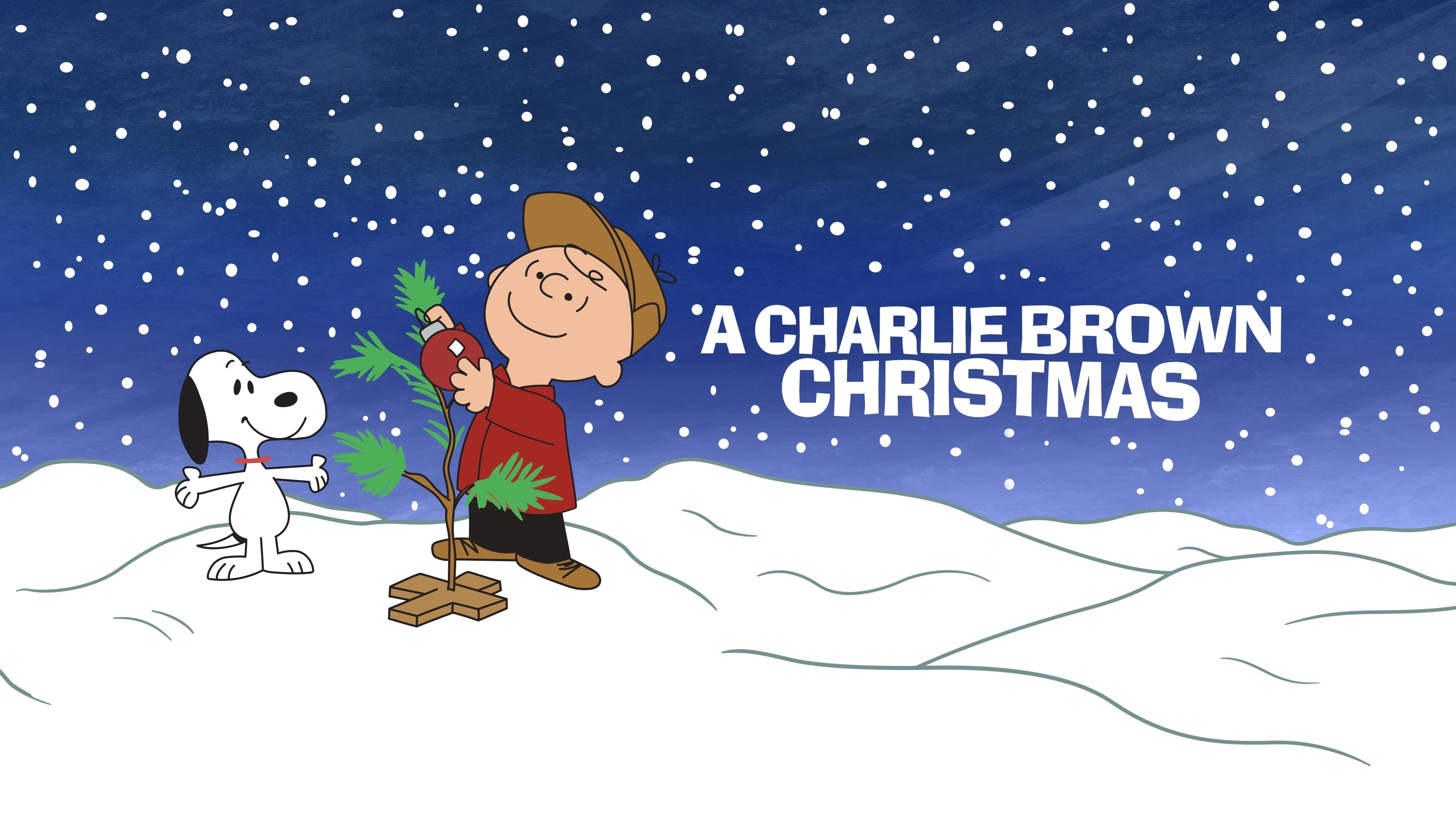
Since its debut on December 9, 1965, A Charlie Brown Christmas has served as a cornerstone of holiday media, redefining the technical and narrative boundaries of the television special. By rejecting industry standards like laugh tracks and professional adult voice actors in favor of a minimalist aesthetic and a sophisticated jazz score, the program transformed from a risky experimental project into a permanent fixture of American cultural identity.
The Risky Genesis of a Holiday Icon
The development of A Charlie Brown Christmas was characterized by a series of unconventional decisions that nearly prevented the special from airing. In early 1965, producer Lee Mendelson and animator Bill Melendez were approached by the McCann-Erickson advertising agency on behalf of Coca-Cola, which sought a Christmas special for its holiday marketing campaign. Charles M. Schulz, the creator of the Peanuts comic strip, agreed to the project on the condition that he maintained total creative control.
Working on a remarkably compressed timeline of less than six months, the team developed a script that flew in the face of mid-1960s television logic. At the time, animated specials were expected to be fast-paced, filled with slapstick humor, and accompanied by a "canned" laugh track to signal to the audience when to be amused. Schulz famously refused the laugh track, stating that the audience should be able to enjoy the show at their own pace without being told when to laugh.
Furthermore, Schulz insisted on using actual children to voice the characters rather than the industry-standard practice of hiring adult actors to mimic youthful voices. This decision gave the special its signature "unpolished" and authentic feel, which resonated with viewers but terrified network executives. When CBS executives first screened the finished product, they reportedly hated it, citing the slow pacing, the religious themes, and the unconventional music as reasons they expected it to be a commercial failure.
Technical Innovations and the Vince Guaraldi Score
One of the most enduring elements of A Charlie Brown Christmas is its soundtrack, composed by jazz pianist Vince Guaraldi. In 1965, the idea of using sophisticated West Coast jazz for a children’s animated special was considered absurd. Traditional holiday programming relied on orchestral arrangements or standard pop carols.
Guaraldi’s compositions—most notably "Linus and Lucy," "Christmas Time Is Here," and "Skating"—brought a level of emotional depth and melancholy to the animation that was unprecedented. The music did not just accompany the scenes; it dictated the emotional tempo of the narrative. The contrast between the upbeat, driving rhythm of "Linus and Lucy" and the contemplative, minor-key beauty of the opening scenes established a complex mood that acknowledged the "holiday blues," a theme rarely explored in children's media.
From a technical standpoint, the animation was intentionally simple. Bill Melendez utilized a limited animation style that mirrored Schulz’s minimalist line work in the comic strip. While some critics initially viewed the animation as "choppy," it was a deliberate artistic choice to preserve the integrity of the Peanuts brand. This aesthetic would go on to define the look of more than 40 subsequent Peanuts specials.
The Evolution of Broadcast Rights: From CBS to Apple TV+
The broadcast history of A Charlie Brown Christmas reflects the broader shifts in the American media landscape over the last six decades. After its 1965 premiere on CBS, the special became an annual tradition on the network for 35 years. Its ratings were consistently high, often winning its time slot and drawing millions of viewers across multiple generations.
In 2001, the broadcast rights moved to ABC, where the special continued its annual holiday run. However, the most significant shift occurred in 2020, when Apple TV+ acquired the exclusive rights to all Peanuts content. This move sparked a significant public outcry, as many viewers felt that the special was a "public trust" that should remain on free, over-the-air television.
As of 2026, the distribution model has stabilized into a hybrid approach:
- Exclusive Streaming: The special is available year-round on Apple TV+ in 4K resolution with enhanced audio.
- Windowed Free Access: Apple typically provides a multi-day window during December where non-subscribers can stream the special for free via the Apple TV app.
- Physical and Digital Sales: The special remains available for purchase on Blu-ray and via various digital storefronts.
Broadcast and Distribution Milestones
| Era | Primary Broadcaster/Platform | Key Development |
|---|---|---|
| 1965–2000 | CBS | Original debut; established as an annual tradition. |
| 2001–2019 | ABC | Rights shift; introduction of digitally remastered versions. |
| 2020–Present | Apple TV+ | Exclusive streaming rights; shift toward high-definition digital accessibility. |
| 2026 Status | Apple TV+ / Seasonal Free Window | High-bitrate streaming dominates; physical media remains a collector's niche. |
The Cultural Impact of the "Charlie Brown Tree"
Perhaps the most tangible legacy of the special is the "Charlie Brown Christmas Tree." In the narrative, Charlie Brown's refusal to buy a shiny, aluminum, pink-tinted tree in favor of a small, struggling natural sapling serves as a critique of the commercialization of Christmas.
In the mid-1960s, artificial aluminum trees were a growing trend in American homes. Following the airing of the special, the popularity of aluminum trees plummeted, and they were largely out of fashion within a few years. The term "Charlie Brown Tree" entered the English lexicon to describe anything that is humble, overlooked, or seemingly broken but imbued with hidden value.
Today, the concept is celebrated rather than mocked. Urban centers and households often deliberately display a "Charlie Brown Tree" as a symbol of anti-consumerism and the "true meaning" of the holiday. This shift in perspective—finding beauty in imperfection—is a direct result of the special's thematic resonance.
The Courage of the "Linus Speech"
The climax of the special involves Linus van Pelt reciting a passage from the Gospel of Luke (Luke 2:8–14) to explain the true meaning of Christmas. This scene was the subject of intense debate between Schulz and the producers. In 1965, the television industry was extremely hesitant to include overt religious content in entertainment programming for fear of alienating segments of the audience or sponsors.
Schulz was adamant, reportedly telling the producers, "If we don't do it, who will?" The scene survived the editing process and remains one of the most famous monologues in television history. It is notable for its simplicity: the music stops, the spotlight centers on Linus, and the message is delivered without artifice.
This moment cemented the special's legacy as a work that was willing to engage with sincere philosophical and spiritual questions, setting it apart from the purely commercial holiday programming of its era. It also established Charlie Brown as a relatable figure for anyone struggling with the pressures and expectations of the holiday season.
How to Access A Charlie Brown Christmas in 2026
For viewers looking to maintain their annual tradition in 2026, the process is straightforward but requires a departure from traditional "channel surfing." Because the rights are held by Apple, the special is no longer a staple of linear broadcast television networks like CBS or ABC.
To watch the special, follow these steps:
- Check for Free Windows: In early December, Apple typically announces a 3-to-4-day window during which the special is available for free on the Apple TV app. You do not need a paid subscription, but you will need an Apple ID.
- Apple TV+ Subscription: Subscribers to the service have on-demand access at any time. The 2026 version features the highest available bitrate and restored color grading that remains faithful to the 1965 cells.
- Physical Media: For those who prefer to own their media without relying on internet connectivity, the "Peanuts Holiday Collection" on Blu-ray or 4K UHD remains the gold standard for quality and includes "It's the Great Pumpkin, Charlie Brown" and "A Charlie Brown Thanksgiving."
FAQ: Common Questions About the Special
Why does Charlie Brown feel depressed during Christmas?
Charlie Brown suffers from what he perceives as the overwhelming commercialism of the season. He feels alienated by the focus on gifts, decorations, and money, which prevents him from connecting with the spiritual or emotional core of the holiday. His "holiday blues" were revolutionary for 1965 television, providing a voice for the many people who feel out of place during the festive season.
Is the voice of Charlie Brown really a child?
Yes. Peter Robbins, who was nine years old at the time of the recording, provided the voice of Charlie Brown. Most of the other cast members were also non-professional child actors. This gave the dialogue its characteristic hesitant and earnest quality. Chris Doran voiced Schroeder and Shermy, while Sally Dryer voiced Violet.
What happened to the original aluminum trees mentioned in the show?
The special was so effective in its critique of artificial, commercialized Christmas symbols that the aluminum tree industry suffered a massive decline. By the late 1960s, these trees, which were once considered "modern" and "chic," became symbols of the cold commercialism Charlie Brown was fighting against.
Who created the iconic dance moves in the auditorium scene?
The animation was directed by Bill Melendez. The "Peanuts Dance" from the rehearsal scene, where characters like 5, Frieda, and the twins (3 and 4) perform signature moves, was a result of Melendez’s ability to translate Schulz’s static characters into rhythmic motion. The scene has since become a viral meme and a staple of pop culture parody.
Is the special available in 4K?
Yes, as of 2026, the special has been meticulously restored from the original 35mm negatives. The 4K version available on streaming and UHD disc preserves the original grain of the film while enhancing the vibrancy of the colors and the clarity of the Vince Guaraldi soundtrack.
Ensuring the Legacy Continues
To truly appreciate A Charlie Brown Christmas in the modern era, viewers should seek out the highest-quality versions available to see the detail in Bill Melendez’s hand-drawn animation. While the method of consumption has changed from rabbit-ear antennas to high-speed streaming, the core message remains a vital counter-narrative to the noise of modern consumer culture. For the best experience, consider pairing a viewing of the special with a listening of the original Vince Guaraldi Trio soundtrack on vinyl or lossless digital audio to capture the full warmth of the 1965 recording.