A Charlie Brown Christmas is a 1965 animated special that remains the cornerstone of holiday television. In 2026, the special is primarily available to stream on Apple TV+, which holds the exclusive global rights. It is celebrated for its iconic jazz score by Vince Guaraldi, its poignant critique of commercialism, and its status as the first animated adaptation of Charles M. Schulz’s Peanuts comic strip.
Where to Watch "A Charlie Brown Christmas" in 2026
Navigating the streaming landscape to find holiday classics has become more centralized over the last several years. Since 2020, Apple has been the exclusive home for all Peanuts holiday specials. This partnership includes not only the Christmas special but also the Halloween and Thanksgiving entries.
For viewers in 2026, there are three primary ways to access the film:
- Apple TV+ Subscription: The special is available year-round in 4K Dolby Vision for subscribers. This provides the highest fidelity version of the film, showcasing the original hand-drawn cells with modern clarity.
- Annual "Free Windows": Following a tradition established shortly after the acquisition, Apple typically provides a window of 2–3 days in mid-December where the special can be streamed for free through the Apple TV app without a paid subscription.
- Physical Media: For those who prefer to own their content and avoid "subscription fatigue," the special is widely available on 4K Ultra HD, Blu-ray, and DVD. These physical copies often include the "making-of" featurettes and bonus specials like It’s Christmastime Again, Charlie Brown.
While some fans hold out hope for a return to traditional broadcast television, the exclusivity of the Apple contract has largely moved the special away from networks like CBS or ABC, which aired it for decades. Occasionally, special arrangements have allowed for one-time airings on public broadcasters like PBS, but these are no longer a guaranteed annual occurrence.
The Production History: A Rushed Masterpiece
The creation of A Charlie Brown Christmas is a story of creative conviction triumphing over executive skepticism. In early 1965, producer Lee Mendelson approached Charles Schulz about creating a documentary about the Peanuts comic strip. While that project struggled to find a buyer, Coca-Cola approached Mendelson with a request for a half-hour Christmas special.
Schulz, Mendelson, and director Bill Melendez had only six months to move from a basic outline to a finished product. This compressed timeline forced several artistic decisions that eventually became the film's trademarks. Unlike other cartoons of the era, the production used real children to voice the characters rather than adult voice actors imitating children. This gave the special a raw, authentic vulnerability that resonated with audiences but worried the network executives.
Furthermore, the special was produced on a shoestring budget. The animation is intentionally simple, reflecting the minimalist aesthetic of Schulz’s comic strip. When the finished product was first screened for CBS executives, the reaction was overwhelmingly negative. The executives felt the pacing was too slow, the tone was too melancholy, and the inclusion of a New Testament reading was a commercial risk. They famously told the creators, "We'll air it once, but that's it." Instead, the special was a massive hit, earning a 45 share of the audience and winning both an Emmy and a Peabody Award.
The Revolution of the Vince Guaraldi Soundtrack
One of the most significant technical and artistic contributions of A Charlie Brown Christmas is its musical score. At the time, children's programming was almost exclusively scored with orchestral music or "boing-boing" sound effects. Lee Mendelson decided to take a different path after hearing a song called "Cast Your Fate to the Wind" on the radio by San Francisco jazz pianist Vince Guaraldi.
Guaraldi was commissioned to write the score, resulting in a sophisticated blend of traditional carols and original contemporary jazz. The track "Linus and Lucy" became the de facto anthem for the Peanuts franchise, while "Christmas Time Is Here"—with lyrics later added by Mendelson—became a holiday standard.
The use of jazz was revolutionary for three reasons:
- Tone: It provided a "cool," urban backdrop to the midwestern setting of the strip, bridging the gap between childhood innocence and adult sophistication.
- Emotional Depth: The minor keys and acoustic textures matched Charlie Brown’s "holiday blues," validating the character's internal struggle with the season's expectations.
- Longevity: The soundtrack has been inducted into the Library of Congress National Recording Registry and remains one of the best-selling holiday albums of all time.
Key Themes: Commercialism and the Search for Meaning
The central conflict of the special involves Charlie Brown’s struggle with the commercialization of Christmas. In 1965, this was a burgeoning social critique; by 2026, it remains a timeless observation of the holiday season. Charlie Brown is disgusted by his sister Sally’s desire for "tens and twenties" and Snoopy’s attempt to win a neighborhood lights-and-display contest.
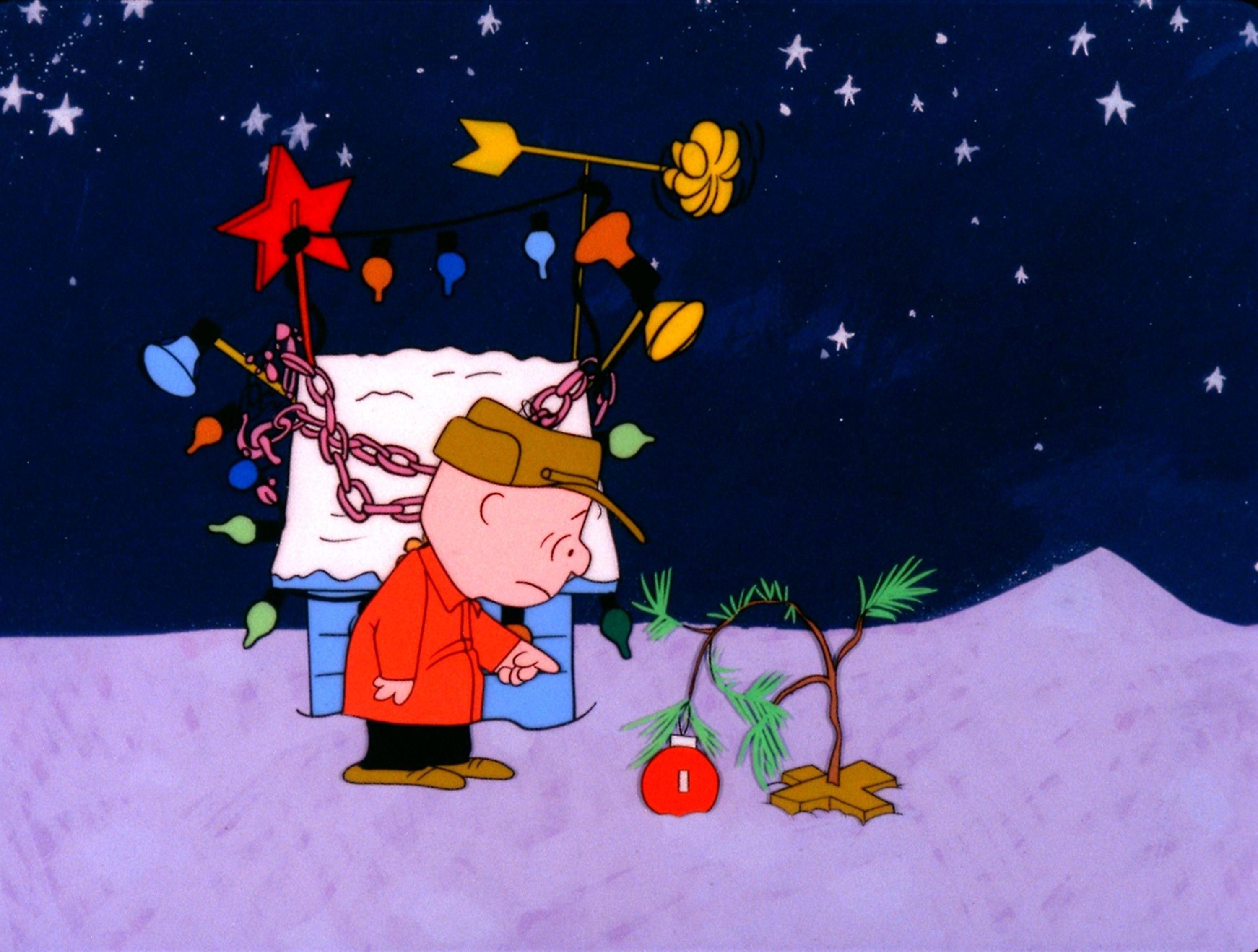
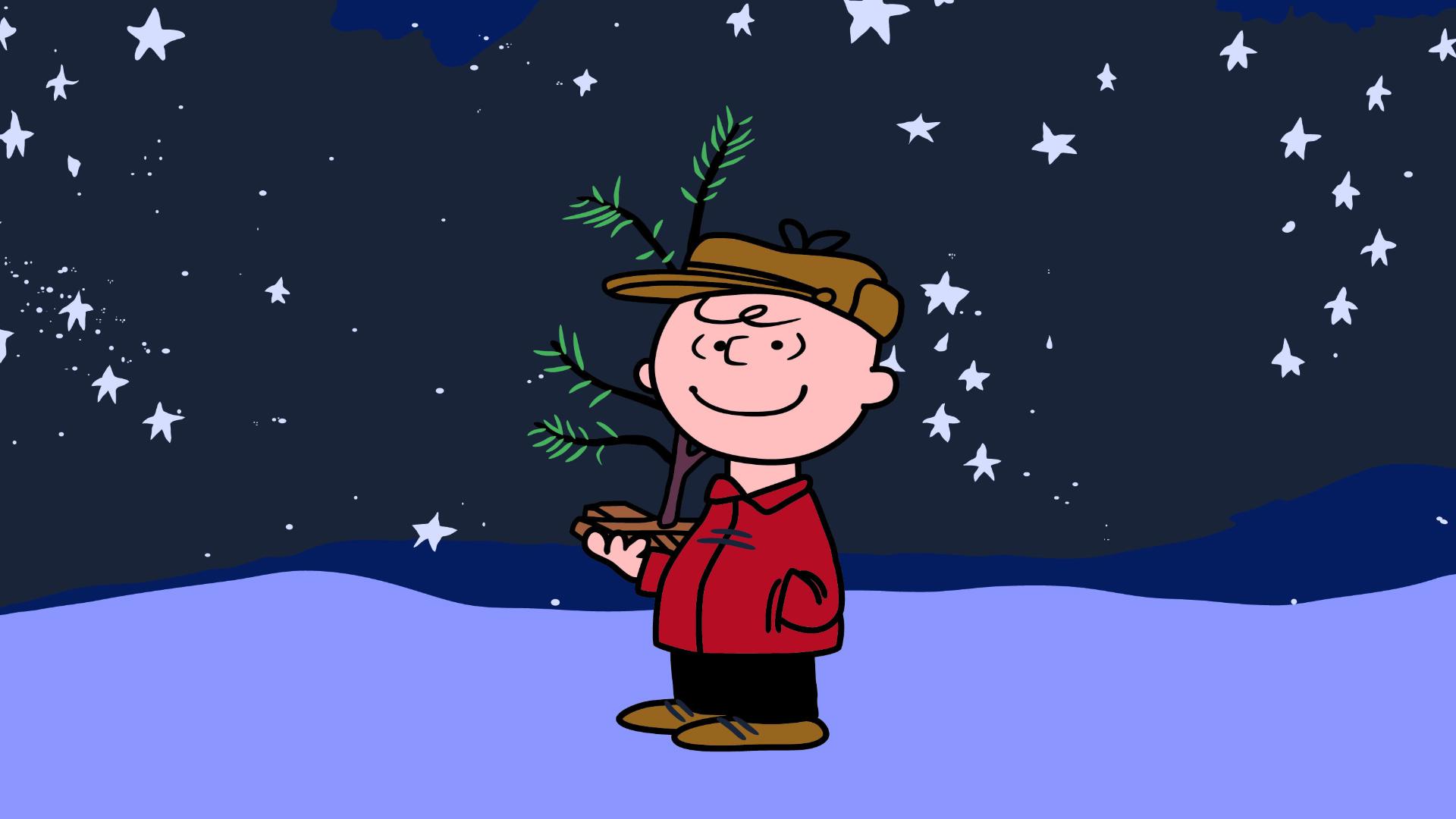
This frustration culminates in the purchase of the "Charlie Brown Tree." Charlie Brown chooses a small, scrawny, real tree over the shiny, colorful "aluminum trees" that were popular in the mid-1960s. The tree serves as a powerful metaphor for the rejection of artificiality in favor of something living, even if it is flawed.
The climax of the special is Linus van Pelt’s recitation of the Nativity story from the Gospel of Luke. Charles Schulz was adamant about including this scene, despite network fears that it would alienate viewers. Linus’s speech remains one of the few instances of direct biblical quotation in a mainstream animated special. It serves as the "true meaning" that Charlie Brown was searching for, shifting the focus from the external trappings of the holiday to a message of peace and goodwill.
Technical Specifications and Viewing Comparison
Over the decades, A Charlie Brown Christmas has undergone several restorations to maintain its quality for modern displays. The original 35mm film was cleaned and scanned in 4K resolution for its debut on Apple TV+.
| Feature | Original 1965 Broadcast | 2026 Apple TV+ Version | Physical 4K UHD Release |
|---|---|---|---|
| Resolution | Standard Definition (480i) | 4K Ultra HD | 4K Ultra HD |
| Aspect Ratio | 4:3 (Pillarboxed) | 4:3 (Pillarboxed) | 4:3 (Pillarboxed) |
| HDR Support | No | Dolby Vision / HDR10 | HDR10 |
| Audio | Mono | Remastered Stereo/5.1 | DTS-HD Master Audio |
| Accessibility | Limited Captions | AD, SDH, Multiple Languages | Subtitles & Captions |
| Availability | Network Airing | Streaming Subscription | Ownership / Disc |
The decision to maintain the 4:3 aspect ratio is a critical preservation choice. Modern viewers sometimes expect films to fill their 16:9 widescreen televisions, but "stretching" or "cropping" the image would result in losing Schulz’s carefully composed backgrounds and character art.
Common Myths and Production Trivia
Several misconceptions about the special have circulated over the years. One common myth is that the "Charlie Brown Tree" was a fictional invention; in reality, aluminum trees were a massive commercial trend in the early 60s, and the special effectively killed the market for them within a few years of its release.
Another point of interest is the "laugh track." CBS executives originally insisted that the special include a canned laugh track, which was standard for all comedies at the time. Charles Schulz refused, famously saying, "I think the viewers can tell when something is funny without being told." The lack of a laugh track contributes to the special’s quiet, contemplative atmosphere, which differentiates it from louder, more frenetic holiday specials like How the Grinch Stole Christmas!.
The "dancing" scene during the rehearsal is also a technical marvel of its time. Each character has a unique, looped animation style—from 5's frantic shaking to the twins' rhythmic swaying—that has since been parodied and celebrated across pop culture.
Frequently Asked Questions
Why is it not on network TV anymore?
The rights to the Peanuts catalog were purchased by Apple in a massive deal that includes all archive content and new "Peanuts Originals." This move was designed to drive subscribers to Apple TV+. While occasional sub-licensing deals occur, the digital era has largely replaced the tradition of "appointment viewing" on broadcast networks with on-demand streaming access.
Is the special still the same length as the original?
The special is approximately 25 minutes long. On modern streaming platforms, it is presented exactly as it was originally edited, without the commercial breaks that were required during its network runs. This allows the pacing intended by director Bill Melendez to remain intact.
Who played the voice of Charlie Brown?
The voice was provided by Peter Robbins, who was nine years old at the time of recording. Robbins voiced Charlie Brown in several subsequent specials and the feature film A Boy Named Charlie Brown. His performance is credited with establishing the "lovable loser" tone that defines the character's voice to this day.
Why does Linus drop his blanket?
During the recitation of the Nativity story, Linus drops his security blanket when he says the words "Fear not." This was an intentional choice by the animators to symbolize that the message of the holiday provides a sense of security that makes the blanket unnecessary in that moment.
Preserving the Tradition in the Digital Era
To get the most out of your viewing experience in 2026, consider integrating the special into a broader tradition. Because the film is only 25 minutes long, it is often paired with the Vince Guaraldi Trio's soundtrack as a precursor to the viewing.
If you are a non-subscriber, mark your calendar for the second week of December to check the Apple TV app for the free viewing dates. If you are a collector, the 4K Ultra HD disc remains the "gold standard" for quality, as it bypasses the compression artifacts sometimes found in streaming. Regardless of how you watch it, the core message of the special—finding substance in a world of "shiny aluminum"—remains as relevant in 2026 as it was in 1965.