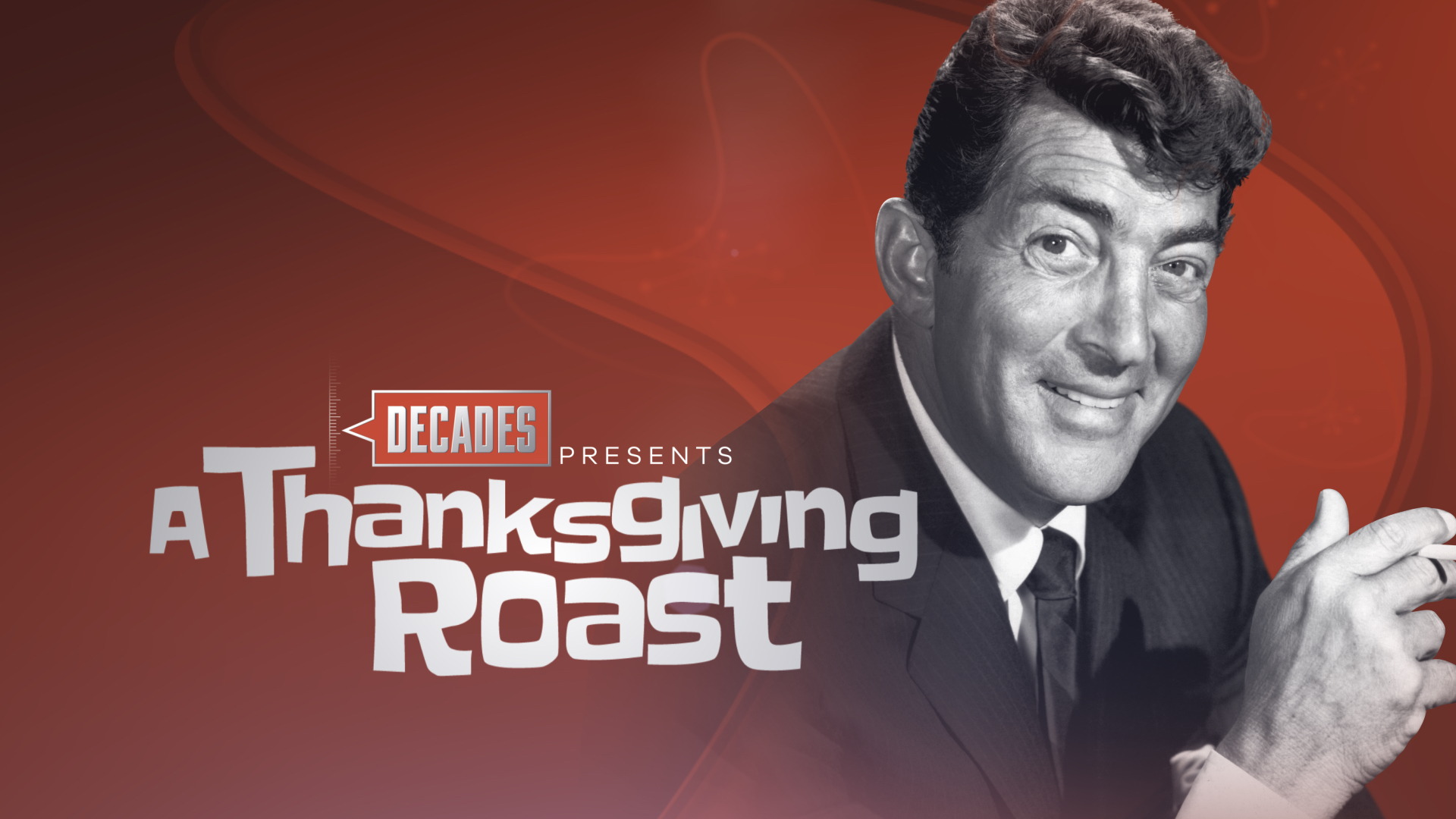
A celebrity roast is a specialized form of performance art centered on the tradition of "roasting," where a guest of honor is subjected to a series of comedic, often biting, insults and pranks delivered by friends, colleagues, and professional comedians. The primary objective is to celebrate the honoree’s career and public persona through extreme levity, culminating in a final, sincere speech from the subject that serves as a balanced resolution to the preceding ridicule.
Origins and Cultural Significance
The practice of the "roast" has its roots in the mid-20th century, popularized largely by the New York Friars Club. Originally an intimate event for members of the entertainment industry, these gatherings were defined by a distinct "insult comedy" style where the severity of the jokes was considered a metric of one’s stature within the industry. The premise was simple: only someone truly esteemed would be "worth" the time it took to craft elaborate, searing jokes about their personal and professional history.
By the early 21st century, the concept transitioned into a televised spectacle. While the venue changed from private clubhouses to high-production studio sets, the underlying social contract remained: the insults must be hyperbolic enough to be recognized as comedy rather than genuine malice. This theatrical tension between degradation and affection is the defining characteristic of the format. In 2026, the format remains a staple of pop culture, often serving as a tool for public figures to control their narrative or pivot their image by demonstrating the ability to "take a joke" at their own expense.
The Structural Mechanics of a Roast
A successful celebrity roast follows a deliberate pacing structure designed to build intensity. It is rarely a chaotic free-for-all; rather, it is a curated script featuring a diverse array of presenters.
- The Roastmaster’s Opening: The event is anchored by a "Roastmaster," a comedian or peer who sets the tone, establishes the boundary between professional critique and personal attack, and introduces the presenters.
- The Panel Presentations: Presenters are typically selected based on their relationship with the honoree. This often includes former co-stars, long-time collaborators, and rival comedians. The rotation of speakers ensures that the jokes touch upon different facets of the honoree’s life, such as their early career struggles, well-known public controversies, or idiosyncratic habits.
- The Shift to Sentiment: As the event progresses, the tone often shifts from purely aggressive satire to anecdotal storytelling. This is essential to prevent audience fatigue and to ensure the event does not descend into genuine hostility.
- The Honoree’s Rebuttal: The climax of the roast is the honoree’s own set. This provides the subject with the final word, allowing them to flip the script, address their critics, and reclaim the stage, usually with a blend of self-deprecation and sharp wit.
Prerequisites for a Successful Roast
To organize or participate in a roast, specific social and technical considerations must be met. The most critical factor is the honoree’s consent. A roast conducted without the willing participation of the subject is generally perceived as bullying and lacks the communal atmosphere required for success.
- The "Roastable" Persona: The honoree must possess a career or public life that is robust enough to provide fodder for jokes. A subject with no identifiable quirks or public history rarely makes for a compelling subject.
- The Right Environment: Whether it is a professional event or an informal gathering, the venue must allow for a high-energy, performative atmosphere. Proper audio-visual equipment is mandatory, as the timing of the delivery is frequently interrupted by laughter and applause.
- Balanced Lineup: A common mistake in planning a roast is inviting only "yes-men" or people who are too intimidated to be funny. The panel must include individuals willing to push the boundaries of decorum to ensure the comedy remains sharp.
Comparative Overview of Roast Formats
The implementation of a roast can vary significantly depending on the scale and intent of the event.
| Format | Audience | Primary Goal | Tone |
|---|---|---|---|
| Professional Broadcast | Mass Market | Entertainment & Branding | Highly scripted, polished, edgy |
| Industry Tribute | Peers/Colleagues | Career Recognition | Respectful satire, insider jokes |
| Private/Personal | Friends/Family | Milestone Celebration | Intimate, anecdotal, warm |
| Corporate/Institutional | Employees | Team Building | Lighthearted, situational |
Navigating Legal and Ethical Boundaries
Despite the "anything goes" veneer, modern roasts operate within clear, albeit implicit, boundaries. Legally, the nature of the insults must fall under protected forms of speech, typically framed as parody or satire. However, participants are generally briefed on "no-go zones." Even in a roast, topics such as serious health issues, family tragedies, or protected legal matters are frequently excluded from the script to avoid alienating the audience or causing undue harm.
Ethically, the event relies on the "Good Faith Principle." The laughter generated by the audience confirms that the target is a willing participant who recognizes that the absurdity of the claims is part of the performance. If a segment crosses the line into genuine harm, the "Roastmaster" is responsible for pulling the narrative back to a level of acceptable comedic tension.
Common Mistakes and Troubleshooting
The most frequent issue in hosting a roast is "punching down." When a presenter focuses their vitriol on a less-powerful figure or an irrelevant target rather than the honoree, the audience response is usually immediate and negative.
- Avoiding Repetition: If several presenters tell the same joke, the momentum of the show collapses. Coordinators should ensure that speakers share their material or work from a master list of themes to ensure variety.
- The Timing Gap: A frequent technical failure occurs when a presenter reads their jokes too quickly, leaving no space for the audience to process the punchlines. Professional comedians are trained in the "beat"—the strategic pause after a joke—which allows the audience to react before the next insult is delivered.
- Audience Engagement: A roast without an audience response is effectively just a series of monologues. Ensuring the room is lit to see the honoree’s reactions is as important as the audio quality; the "reaction shot" is often the highlight for the viewing audience.
Next Steps for Organizing an Event
If you are planning a roast for a colleague or public figure, begin by confirming the subject’s comfort level with the specific degree of "edginess" desired. Create a list of potential presenters who have a deep, genuine history with the individual. Before finalizing the script, host a "table read" or internal review to remove redundant jokes and ensure that the lineup offers a diverse range of perspectives. By focusing on the shared history and affection underneath the humor, you ensure that the event remains a celebration of the person, not just a exercise in insult comedy.