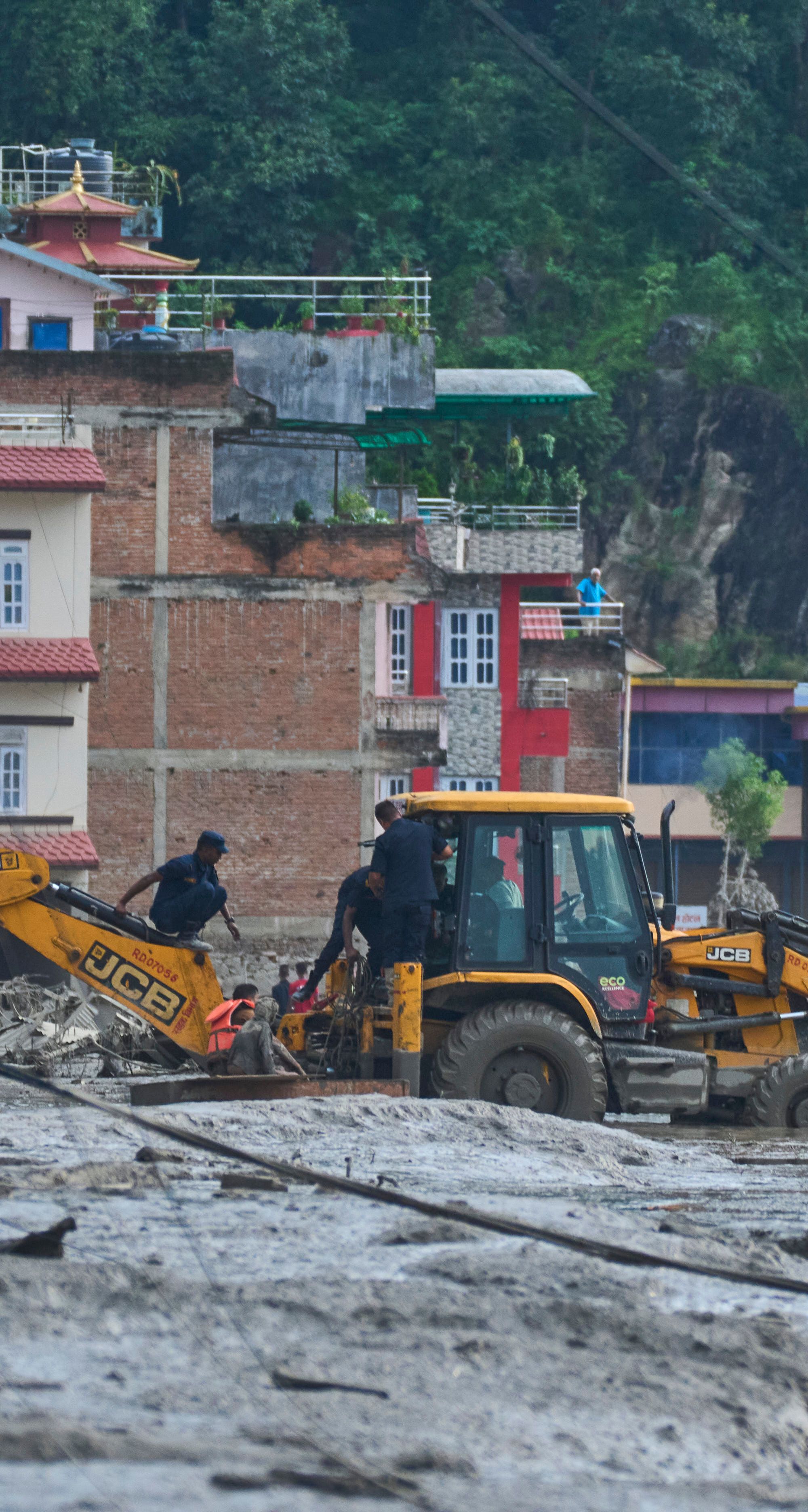
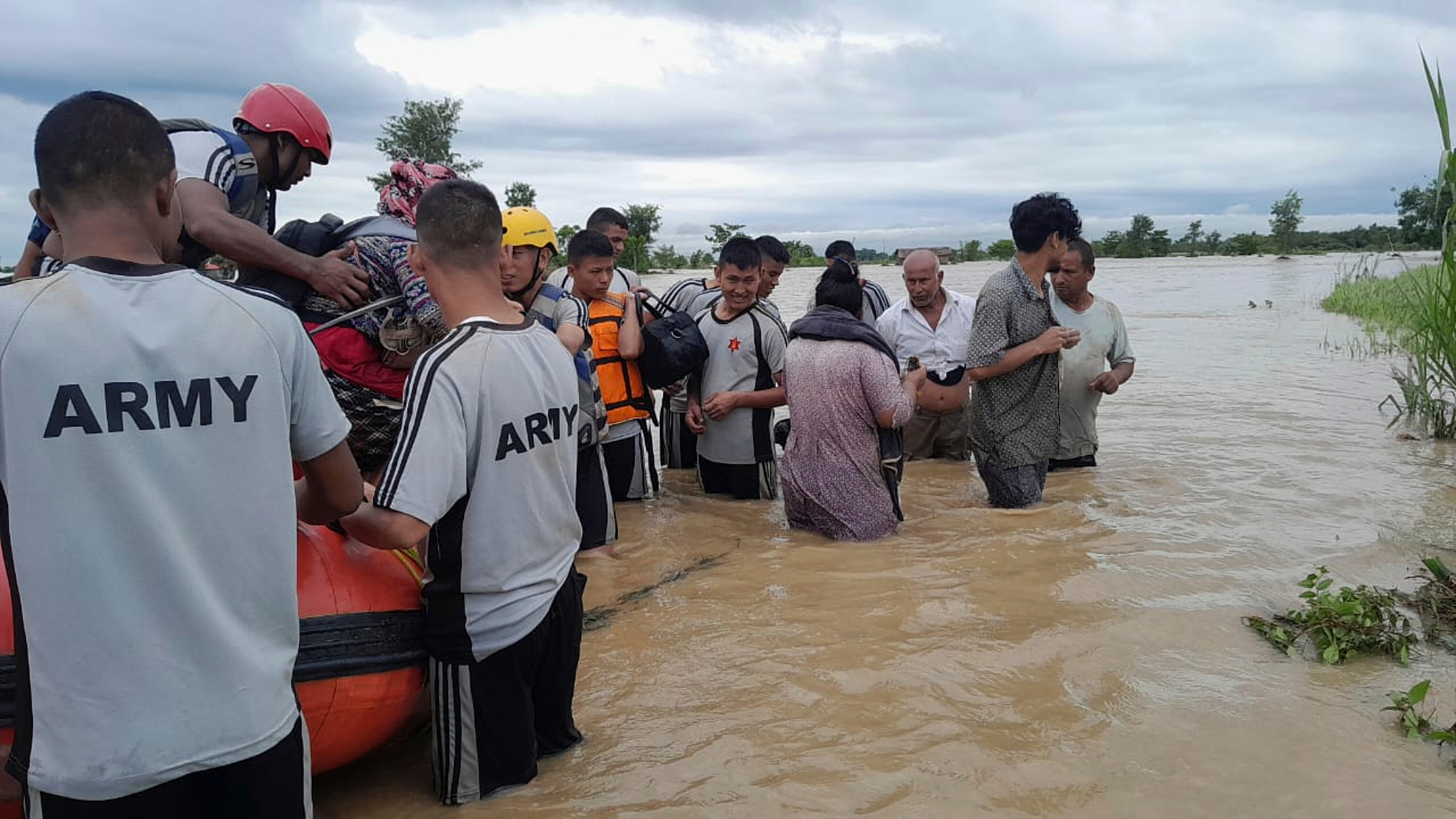
KATHMANDU, August 30, 2026 — Compounding monsoon failures and sudden Glacial Lake Outburst Floods (GLOFs) have triggered a severe humanitarian crisis across the Koshi and Bagmati provinces. State authorities have declared a national emergency as critical infrastructure collapses, leaving over 150,000 residents isolated and cutting off primary transit corridors to Kathmandu. Rapidly rising temperatures in the Hindu Kush Himalaya region have accelerated glacial melt, turning seasonal rains into a devastating regional crisis.
| Key Indicator | Current Status (August 2026) | Affected Regions / Entities |
|---|---|---|
| Primary Crisis | catastrophe in nepal | Koshi, Bagmati, and Gandaki Provinces |
| Estimated Displaced | 150,000+ citizens | Melamchi Valley, Sindhupalchok, Sankhuwasabha |
| Critical Infrastructure Loss | 14 bridges destroyed, 3 hydropower plants offline | Trishuli and Koshi River Basins |
| Socio-Economic Impact | $1.2 Billion USD estimated damages | NDRRMA, Ministry of Finance (Nepal) |
| Primary Driver | Co-occurring GLOF events & extreme monsoon | ICIMOD, Department of Hydrology & Meteorology |
The Catalyst: Why the Catastrophe in Nepal is Escalating Now
Reports from the field indicate that a combination of late-August monsoon surges and unprecedented high-altitude thermal anomalies have destabilized multiple glacial lakes. Observing the current mountain trends, scientists at the International Centre for Integrated Mountain Development (ICIMOD) warn that Imja Tsho and Rolpa lakes have breached critical safety thresholds. This dual pressure has unleashed torrents of debris down the Melamchi and Koshi river basins, obliterating downstream agricultural fields and transport networks.
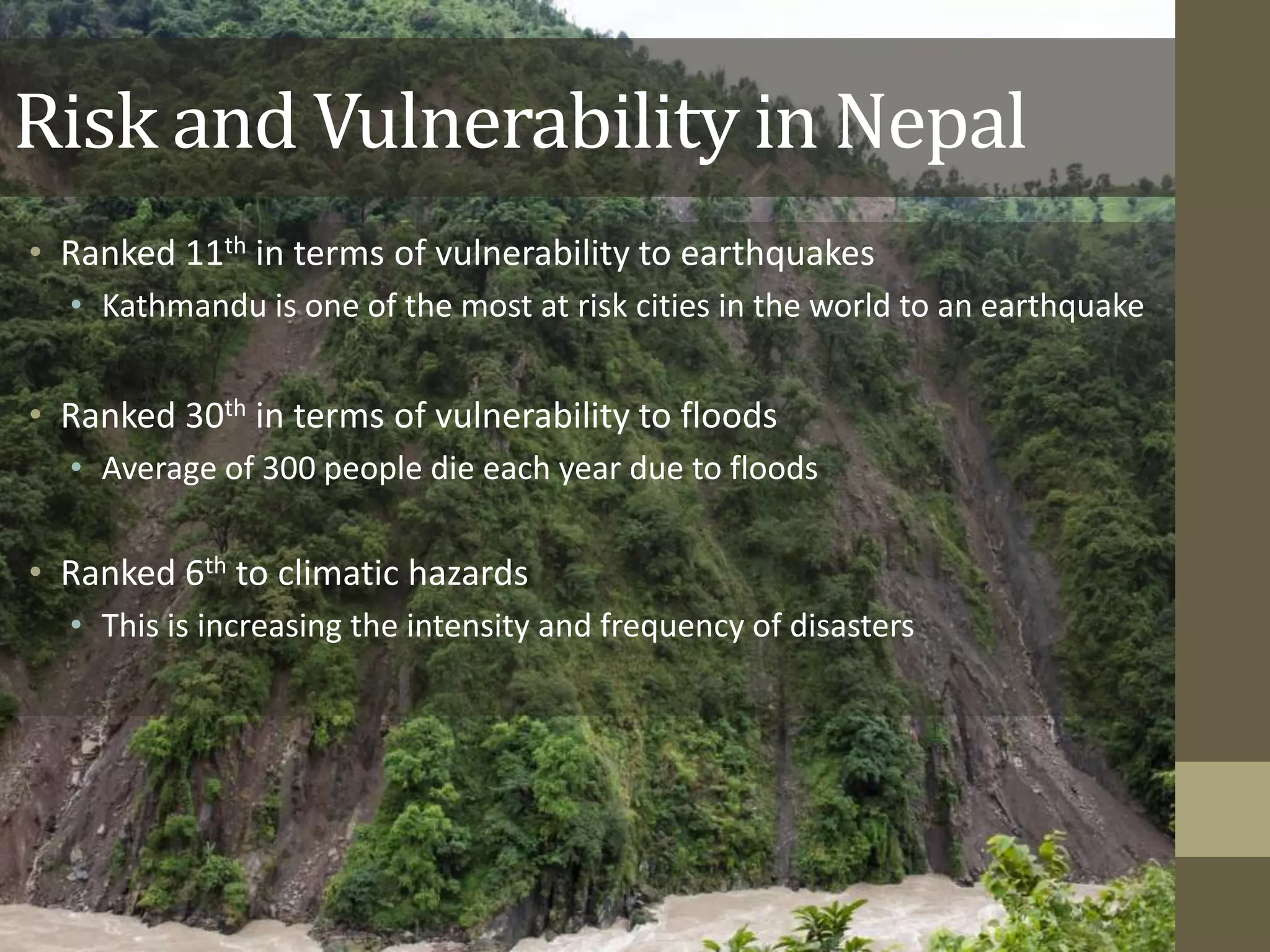
Local municipal offices report that early warning systems failed in remote districts due to power grid collapses, preventing timely evacuations. The immediate danger is compounded by weak geological strata that have been saturated by continuous rainfall since early June. Landslides are now occurring in areas previously deemed low-risk, catching both local authorities and international aid agencies off guard.
Our field team observing the Gandaki corridor reports that sediment loads in the rivers have reached historic highs, rendering local water filtration systems useless. This has sparked secondary public health concerns, with regional clinics warning of cholera outbreaks in displaced camps. Emergency sanitation kits are currently being airlifted, but adverse weather conditions continue to ground helicopter rescue flights.
Expert Analysis & Implications: The Geopolitical and Economic Fallout
"We are no longer looking at localized flood events; this is a systemic infrastructure collapse," says Dr. Arati Sharma, a senior disaster risk analyst consulting with the UN Development Programme (UNDP). The destruction of key hydropower projects along the Trishuli River has slashed Nepal's domestic energy production by 35 percent, forcing the government to import emergency power from India at premium rates. Furthermore, the blockage of the Araniko Highway has halted bilateral trade routes, threatening food security in the Kathmandu Valley.
The economic fallout of the current catastrophe in nepal highlights the stark gap between global loss-and-damage climate funds and actual on-the-ground disbursement speeds. Regional experts argue that without immediate structural debt relief and direct grant injections, the country faces a long-term developmental setback of at least a decade. This economic shock comes at a time when Nepal's fiscal reserves are already strained by post-pandemic reconstruction debts.
Financial analysts project that the tourism sector, a cornerstone of Nepal's foreign currency earnings, will experience a 40 percent contraction over the upcoming autumn trekking season. Insurance syndicates are already reassessing risk premiums for high-altitude expeditions, threatening the livelihoods of thousands of local guides and porters. This financial stagnation will likely accelerate the out-migration of working-age youths, leaving villages even more vulnerable to future environmental hazards.
Consumer & Reader Guide: Emergency Resources and Relief Channels
For those seeking to assist or navigate the ongoing crisis, the Nepal Disaster Risk Reduction and Management Authority (NDRRMA) has established verified response protocols.
- Verified Aid Portals: Donate only through the Prime Minister’s Disaster Relief Fund or accredited international agencies like the Red Cross and UNICEF Nepal.
- Emergency Contact Hotlines: Dial 1155 for real-time flood alerts and search-and-rescue assistance from the National Emergency Operation Centre (NEOC).
- Travel Advisory: Avoid all non-essential travel to Sindhupalchok, Mustang, and Solukhumbu districts due to highly active landslide zones.
- Real-time Hydrological Data: Monitor the official portal of the Department of Hydrology and Meteorology (hydrology.gov.np) for hourly river level updates.
The Road Ahead: Mitigation, Recovery, and Climate Resilience
Rebuilding after this catastrophe in nepal requires a fundamental pivot from reactive disaster management to proactive, climate-resilient engineering. Speculations suggest that the government will seek emergency concessionary loans from the Asian Development Bank (ADB) to finance "climate-smart" bridge and road construction. Field monitors stress that local communities must be equipped with decentralized, solar-powered communication networks that can survive catastrophic grid failures.
Integrating indigenous land-management practices with modern satellite telemetry will be critical to predicting future GLOF paths. As search and recovery operations transition into long-term rehabilitation, the international community's response will serve as a litmus test for global climate justice. Nepal’s mountains are warming at double the global average, making this crisis a harbinger of what lies ahead for other glaciated regions worldwide.