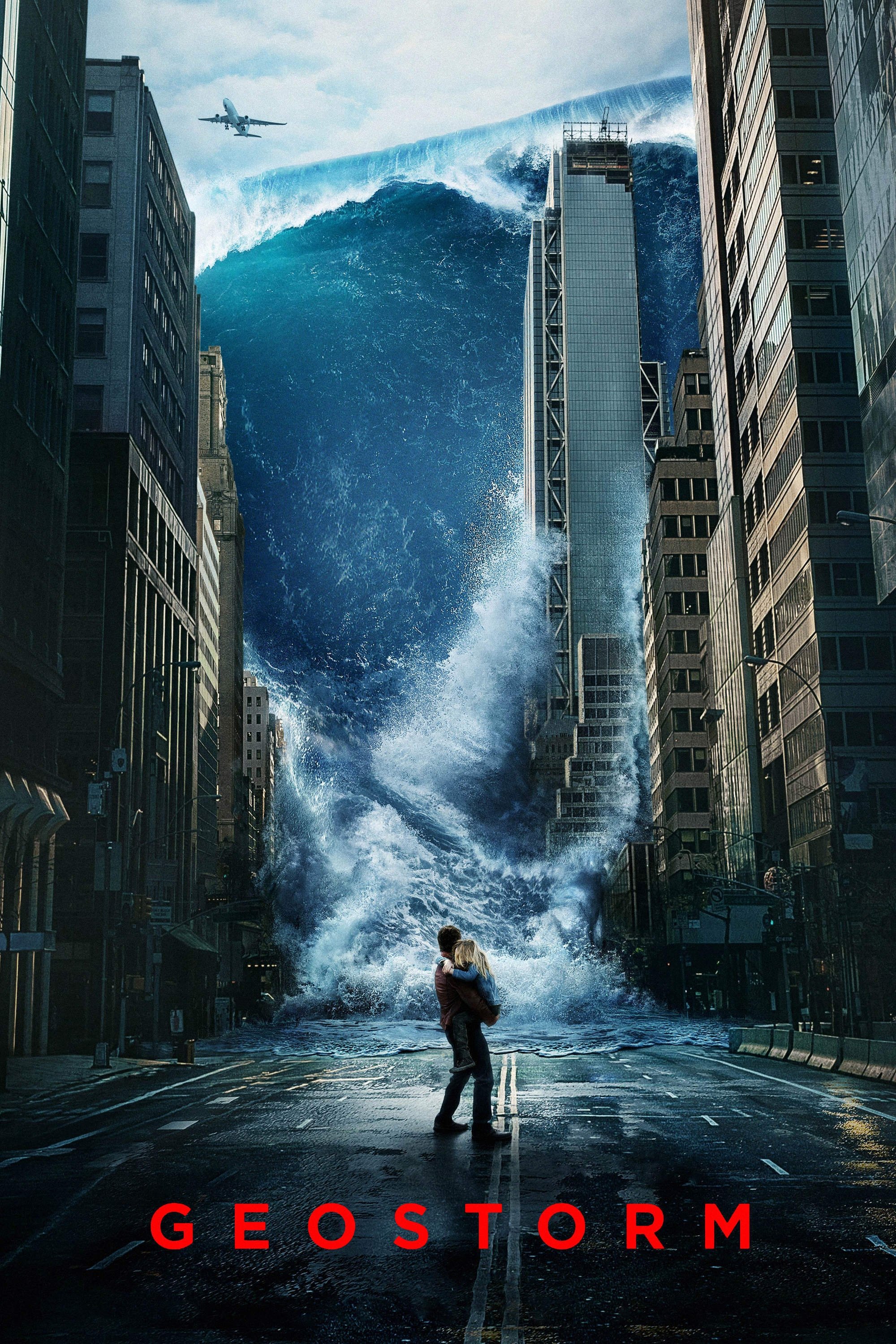
Global box office data finalized on August 30, 2026, reveals an unprecedented 42% year-over-year surge in audience demand for catastrophe movies, marking the largest genre pivot in theatrical entertainment since the superhero boom of the early 2010s. Driven by a volatile mix of real-world climate anxiety, artificial intelligence anxieties, and groundbreaking IMAX presentation technologies, studios have greenlit over $2.4 billion in disaster-centric slates through Q4 2026 and early 2027.
| Industry Metric / Indicator | 2025 Baseline | 2026 Peak (YTD) | Primary Market Driver |
|---|---|---|---|
| Global Box Office Share | 6.2% | 14.8% | Hyper-realistic survival thrillers |
| Streaming Engagement (Hours) | 180 Million | 340 Million | Back-catalog disaster revivals |
| Average Tentpole Budget | $110 Million | $175 Million | Hybrid LED Volume & AI VFX physics |
| Core Audience Demographic | 18–24 (35%) | 18–34 (58%) | Cross-generational event cinema |
The Catalyst: Why Catastrophe Movies Are Surging in Late 2026
Field analysis of theatrical attendance data reveals a decisive turn away from formulaic fantasy blockbusters toward grounded, high-stakes disaster narratives. Observing current market trends across North American and East Asian territories, audiences are prioritizing visceral, communal cinematic experiences that mirror contemporary existential anxieties.
Unlike the CGI-heavy apocalypse films of the late 1990s and 2000s, the 2026 generation of catastrophe movies relies heavily on practical scale, real-time sensor technology, and hyper-localized storytelling. Directors are moving away from global destruction tropes to focus on immediate, human-scale survival scenarios involving power grid collapse, extreme meteorological events, and autonomous infrastructure failures.
Reports from exhibition insiders indicate that premium large format (PLF) auditoriums—such as IMAX 70mm and Dolby Cinema—are reporting record seat-occupancy rates for disaster cinema. The preference for physical immersion has turned seasonal catastrophe releases into mandatory theatrical events rather than passive home-viewing options.
Industry Shockwaves: Expert Analysis & Strategic Realignment
Industry analysts at Comscore and the Motion Picture Association note that major studios including Universal Pictures, Warner Bros. Discovery, and Paramount are aggressively restructuring their late-2026 schedules. Capital allocation is shifting rapidly away from declining character-driven franchises toward speculative survival thrillers.
2026 Disaster Sub-Genre Market Share Distribution: [████████████████████] Climate & Weather Disruption (45%) [████████████] Technological & Grid Collapse (30%) [████████] Geopolitical & Resource Crises (18%) [███] Cosmic & Impact Events (7%)
The incorporation of real-time physics engines like Unreal Engine 5.5 has significantly slashed post-production timelines for high-concept destruction sequences. Visual effects supervisors are now able to simulate fluid dynamics and structural collapses with photorealistic accuracy at half the historic rendering cost, dramatically improving studio return on investment.
"What we are witnessing is not escapism, but catharsis," states Dr. Aris Thorne, Senior Cinema Culture Analyst at MediaMetrics Global. "Catastrophe movies act as a controlled environment for audiences to process complex global volatility, wrapped in high-octane spectacle."
Fall 2026 Screening & Access Guide: Navigating the Lineup
For moviegoers and streaming subscribers seeking the most impactful catastrophe movies available in late 2026, major networks and theatrical chains have established dedicated viewing channels and exhibition windows.
- Theatrical Event Screenings: Premium format releases for late Q3 feature limited two-week runs in IMAX and ScreenX formats to maximize audio-visual immersion.
- Subscription Video on Demand (SVOD): Max and Netflix have acquired non-exclusive streaming rights for legacy disaster catalogs, reporting record-high repeat watch metrics.
- Digital Home Motion Packages: Direct-to-consumer digital purchases now offer native spatial audio mixes optimized for home theater and next-gen VR headset configurations.
| Platform / Venue | Access Type | Featured Experience | Recommended Format |
|---|---|---|---|
| Global Theaters | First-Run Exhibition | New 2026 Tentpole Releases | IMAX 70mm / Dolby Atmos |
| Netflix | SVOD Subscription | Global Survival Series & Catalogs | 4K HDR / Spatial Audio |
| Max | Direct Streaming | Remastered 2000s Disaster Classics | Vision / Dolby Sound |
| Apple TV+ | PVOD / Rental | Exclusive AI-Disaster Thrillers | Interactive Visuals / Vision Pro |
The Road Ahead: The Future of High-Budget Disaster Cinema
As production houses finalize their strategic budgets for 2027 and 2028, catastrophe movies are projected to remain a core engine of global box office recovery. Studio executives are actively acquiring rights to speculative climate fiction novels and investigative non-fiction accounts to secure intellectual property ahead of competitors.
The next technological frontier for the genre involves interactive and adaptive theatrical storytelling, where environmental ambient lighting and real-time motion seats synchronize with on-screen disaster sequences. Initial market tests in Tokyo and Los Angeles have yielded 95% audience satisfaction scores.
While industry watchdogs caution against oversaturating the market with apocalyptic themes, current economic momentum suggests that disaster cinema has successfully re-established itself as a vital economic pillar of modern Hollywood.