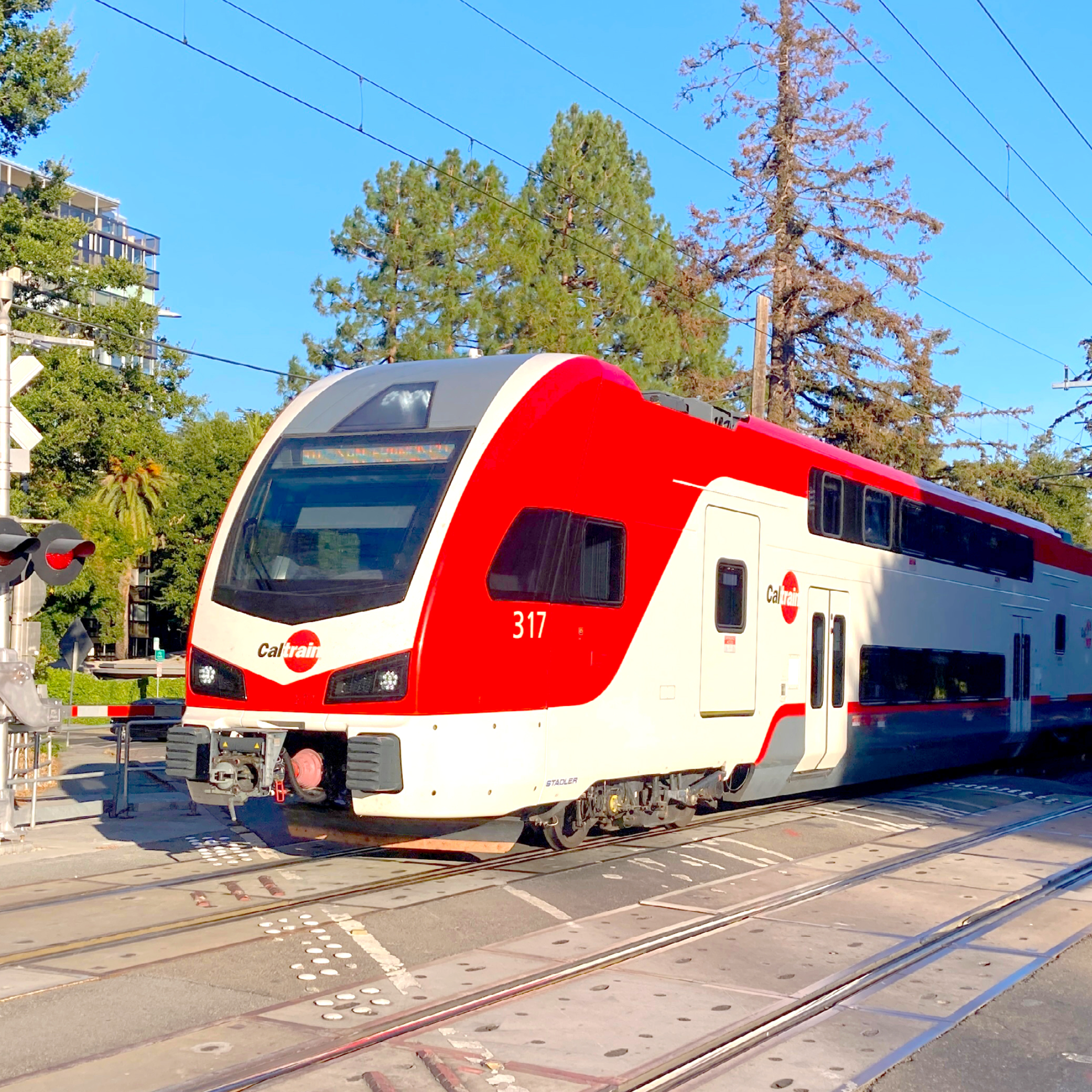
The following guide details the operational hours and scheduling architecture for the Caltrain commuter rail system serving the San Francisco Peninsula and Santa Clara Valley. Note that these hours refer specifically to the Caltrain transit service and not to unrelated entities using similar nomenclature.
Understanding the 2026 Caltrain Service Framework
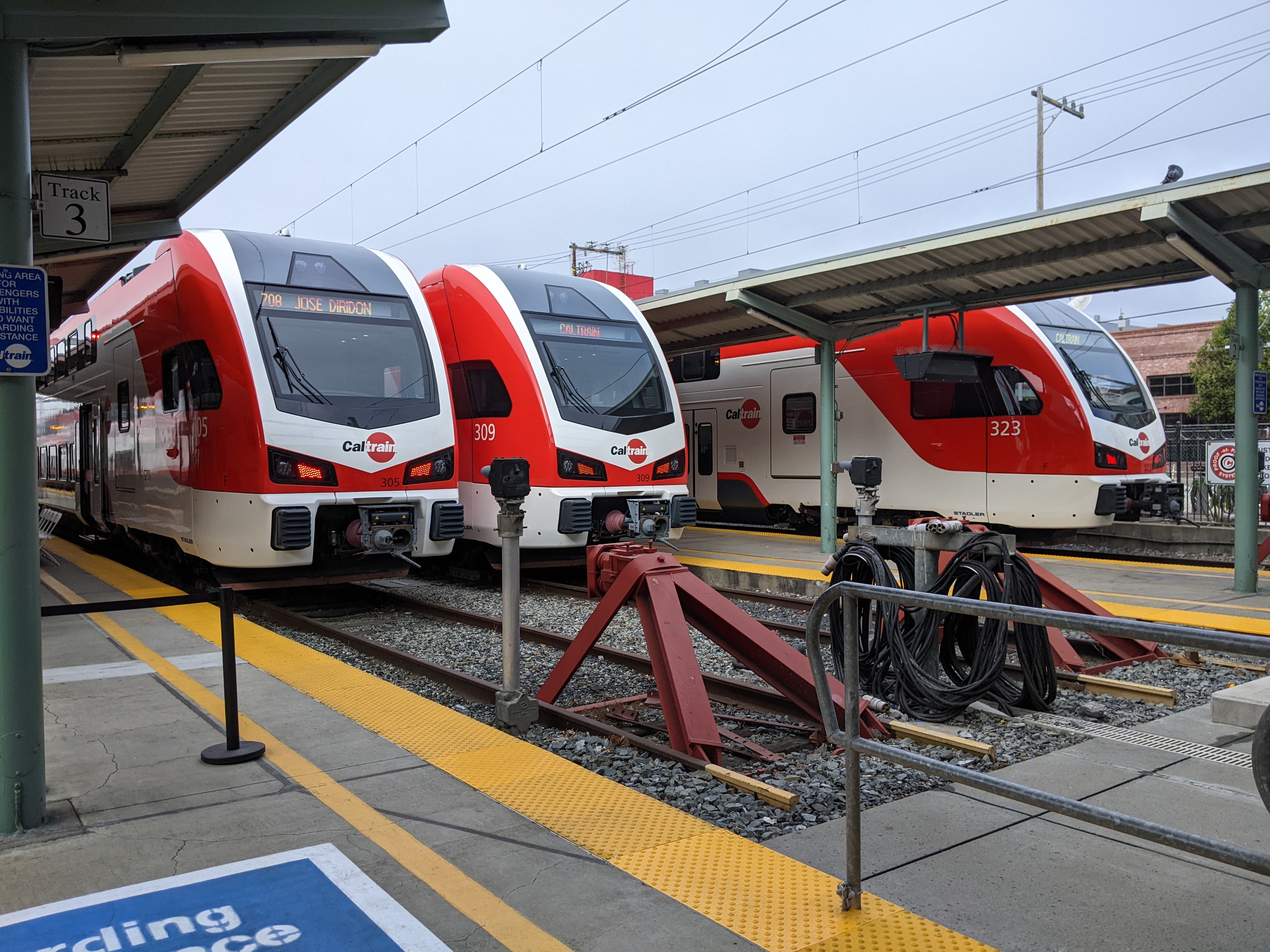
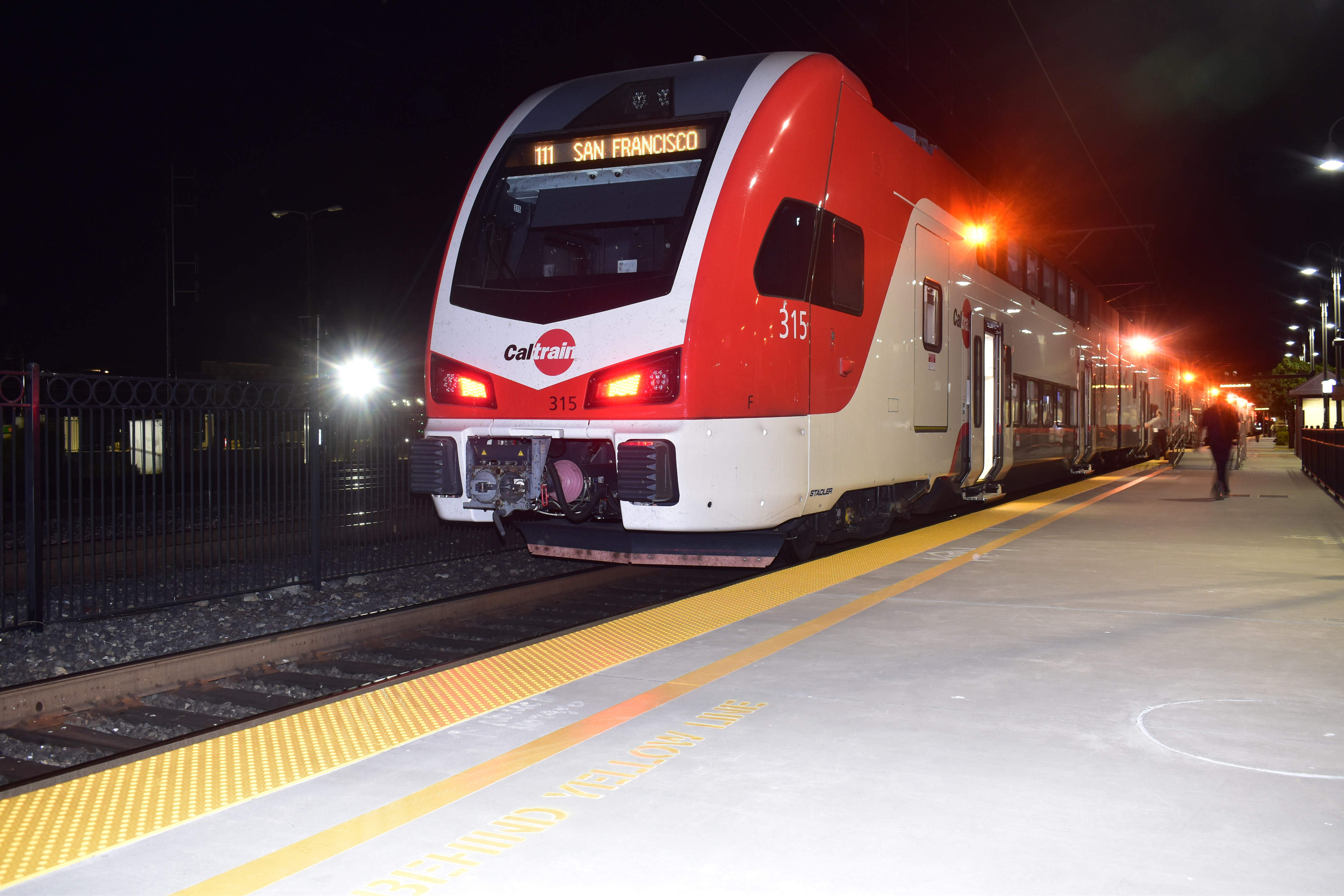
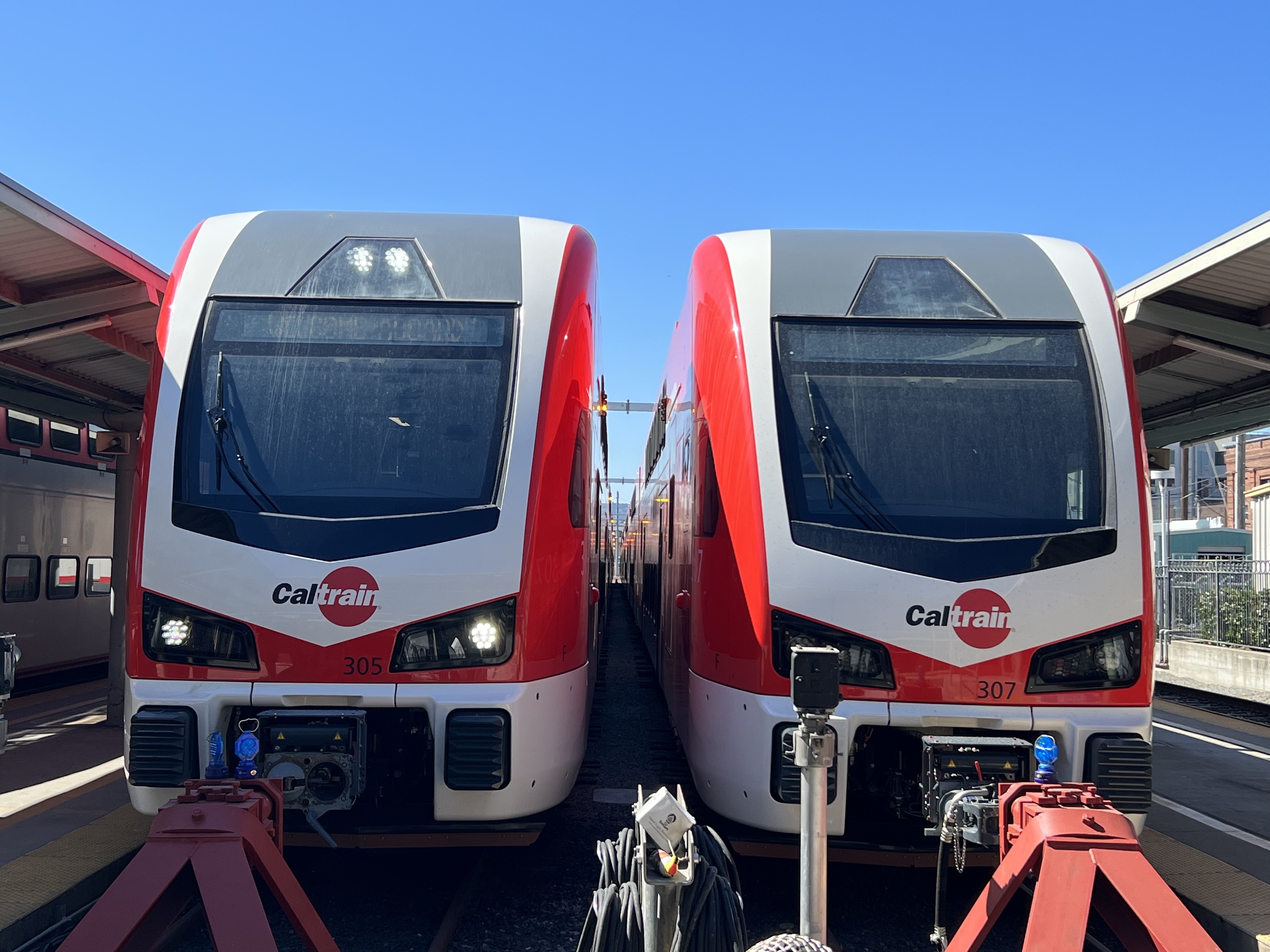
As of 2026, Caltrain continues to operate under the finalized electrified infrastructure, significantly increasing the frequency and reliability of service between San Francisco and San Jose, with continued service south to Gilroy. The system operates 365 days a year, though weekend and holiday schedules differ substantially from weekday peak hours.
Caltrain does not operate on a 24-hour cycle. The first trains typically begin their routes between 4:00 AM and 5:00 AM, while the final arrivals at terminus stations often extend past midnight. Because Caltrain is a commuter-focused service, the "hours" of operation are heavily dictated by the specific service tier: Weekday, Weekend, and Special Event schedules.
Weekday Operational Dynamics and Peak Hour Density
The weekday schedule is engineered to support the workforce transit needs of the Peninsula. During the 2026 fiscal year, Caltrain utilizes an optimized timetable that emphasizes high-frequency service during core business hours.
Peak hour service remains the most critical component for commuters. Between 6:00 AM and 9:00 AM, and again between 3:00 PM and 7:00 PM, service frequency is at its highest, typically featuring electrified train sets every 15 to 30 minutes depending on the station tier.
| Service Category | Time Window (Approx.) | Frequency |
|---|---|---|
| Early Morning | 4:30 AM - 6:00 AM | 30 - 60 Minutes |
| Morning Peak | 6:00 AM - 9:00 AM | 15 - 20 Minutes |
| Mid-Day Base | 9:00 AM - 3:00 PM | 30 Minutes |
| Evening Peak | 3:00 PM - 7:00 PM | 15 - 20 Minutes |
| Late Evening | 7:00 PM - 12:30 AM | 30 - 60 Minutes |
The transition to full electrification has eliminated the previous reliance on diesel-only scheduling for express services. Now, commuters can expect consistent acceleration and braking profiles across all weekday train sets, leading to more predictable arrival times at major hubs like Palo Alto, Redwood City, and San Mateo.
Weekend and Holiday Service Protocols
Weekend service in 2026 follows a modified schedule compared to the weekday commute pattern. While the early morning "first train" starts roughly at the same time, the frequency throughout the day is generally lower.
- Frequency: On Saturdays and Sundays, trains typically run every 30 to 60 minutes.
- Holiday Variance: Caltrain operates on a "Sunday" schedule for most major federal holidays. Passengers are advised to consult the Caltrain mobile application or the official web portal 48 hours prior to any holiday to confirm if the service is running on a modified holiday timetable.
- Special Event Coordination: During major events in San Francisco or at Levi’s Stadium, Caltrain often coordinates "extra" or "special" service hours. These are not reflected in the standard static timetable and should be verified via the real-time trip planner.
Navigating Delays and Service Disruptions
Technical reliability is a cornerstone of the 2026 service improvement plan. However, external factors such as track maintenance, signal failures, or unauthorized activity on the right-of-way can impact operating hours.
Operational Continuity Note
In the event of an extended service suspension during the late evening hours, Caltrain maintains emergency bus bridge protocols. Passengers should note that bus bridge hours are not identical to rail hours, as road traffic variables significantly extend transit times. Always check the Caltrain service alerts page if your travel falls within the final two hours of the daily schedule.
If you find yourself arriving at a station after the final train has departed, the system does not provide overnight holding areas. Passengers must secure alternative transit via rideshare or local bus connections (such as SamTrans or VTA), which may have their own distinct operating hours that do not perfectly sync with the final Caltrain departure.
Essential Tips for Consistent Commute Planning
To ensure you never miss your connection, treat the published schedule as your baseline rather than a suggestion.
- Use the Real-Time Arrival Tool: The Caltrain website and official app provide GPS-based tracking for every train. This is more accurate than the printed schedule during maintenance windows.
- Station Arrival: Plan to arrive at your platform at least 5 minutes prior to the scheduled departure. Doors typically close 30 seconds before the train departs.
- Clipper Integration: Ensure your Clipper card or mobile wallet is loaded before reaching the station. During peak hours, ticket vending machine lines can cause you to miss your train.
- Bike Car Logistics: If you are traveling with a bicycle, be aware that certain trains have specific capacity limits. During peak hours, bike cars fill up fast; if the bike car is full, you are technically required to wait for the next train, which could extend your travel hours significantly.
Frequently Asked Questions Regarding Service Hours
What is the absolute latest I can catch a train in 2026? The final northbound and southbound trains typically reach their terminal stations (San Francisco and San Jose Diridon) by approximately 12:30 AM to 1:00 AM. Always verify the specific terminal arrival time on the daily schedule, as this can vary by day of the week.
Do Caltrain hours change for seasonal shifts? Caltrain periodically updates its master schedule to align with ridership trends and operational data. These shifts usually occur quarterly, and the updated timetables are published on the official transit website well in advance.
Is there 24-hour service on the weekends? No, Caltrain does not provide 24-hour rail service. There is a service gap between the last train of the night and the first train of the following morning. During this gap, no trains operate on the main line.
How do I find out if there is a delay affecting my train? The most reliable source for delay information is the official Caltrain X (formerly Twitter) account or the Service Alerts module on the Caltrain website. These platforms provide real-time updates regarding mechanical issues, police activity, or track maintenance.
Does Caltrain accept transfers from VTA or SamTrans? While you can use a Clipper card for both, transfers are calculated based on the fare rules of the individual agencies. Ensure you tag off your rail journey to ensure the correct fare is calculated, which may impact your overall travel costs and timing.
Strategic Planning for Your Transit Needs
To optimize your daily transit, you must account for the "last mile" connectivity of your origin and destination stations. If you commute to a station that relies on local shuttles or buses, verify those specific operating hours, as they may terminate before the final Caltrain train arrives. We recommend using the integrated trip planning tools provided by the transit agency to cross-reference arrival times with local connecting services. As an authoritative resource, we emphasize that consistent monitoring of official service alerts is the only way to navigate unexpected modifications to the published 2026 timetable.