The Superior Court of California, County of Fresno, stands as the central judicial authority for Fresno County, handling everything from civil litigation and family law to criminal proceedings and traffic infractions. Navigating this court system requires a firm understanding of its operational divisions, technological portals, filing procedures, and physical locations. For residents, attorneys, and litigants, staying current with the 2026 administrative guidelines, local rules, and digital filing mandates ensures efficient resolution of legal matters across California's Central Valley.
Navigating Fresno Superior Court Facilities and Infrastructure
The Fresno Superior Court operates across multiple specialized facilities located in downtown Fresno. Knowing the correct building for a specific case type prevents missed appearances and administrative delays. The court infrastructure features modernized security checkpoints, accessible public service counters, and dedicated self-help centers designed to assist self-represented litigants.
- B.F. Sisk Courthouse: Located at 1130 O Street, Fresno, CA 93721, this primary facility handles civil trials, complex civil litigation, probate matters, and general administrative offices.
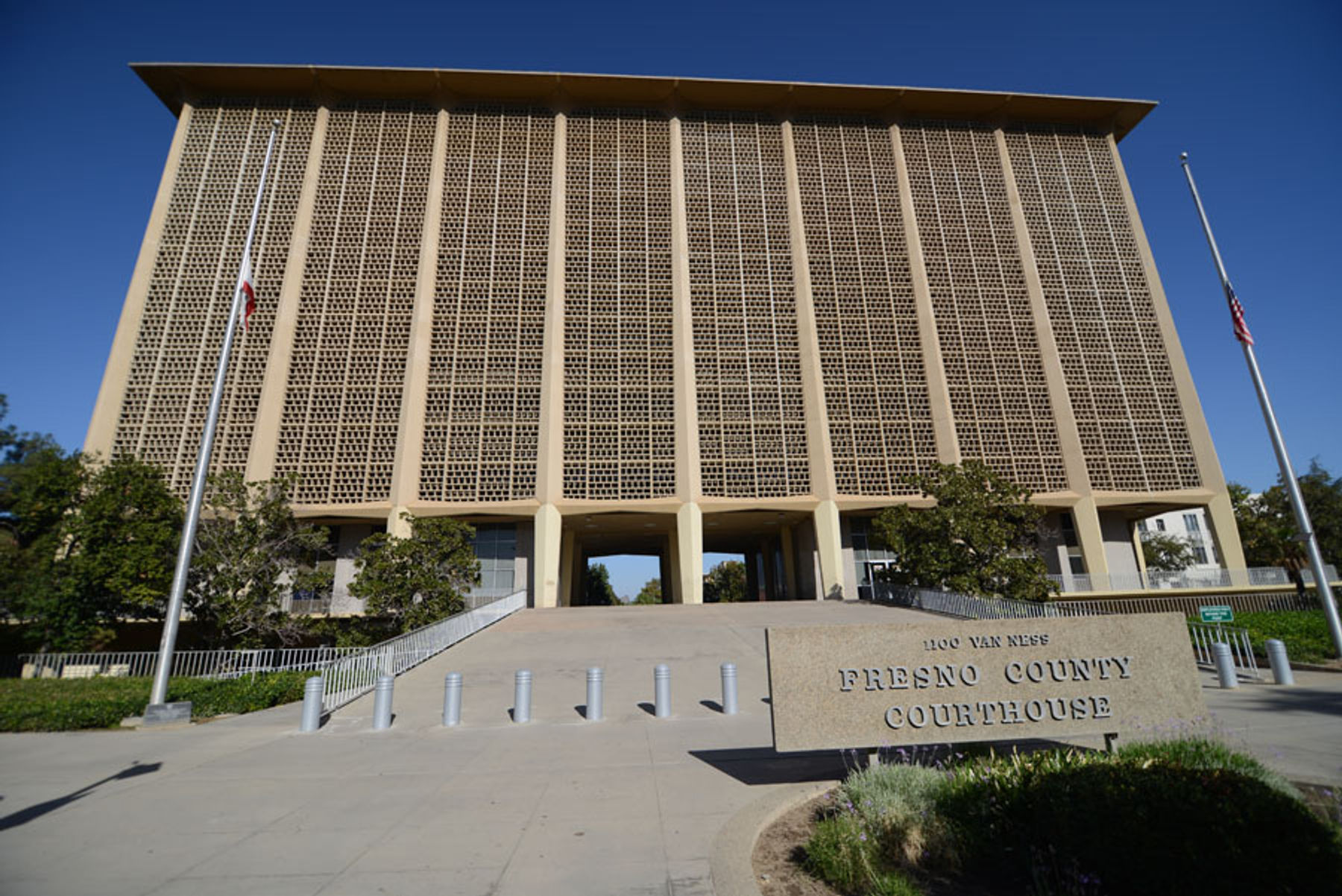
- Main Courthouse: Situated at 1100 Van Ness Avenue, Fresno, CA 93721, this historical and functional hub processes criminal felony and misdemeanor proceedings, traffic violations, and specific judicial administration functions.
- Family Law Courthouse: Located at 1130 O Street (integrated within the Sisk complex or adjacent specialized wings), managing dissolutions, child custody, visitation, and domestic violence restraining orders.
- Juvenile Courthouse: Situated at 1063 M Street, Fresno, CA 93721, managing dependency and delinquency matters involving minors under strict confidentiality protocols.
Operational Security and Access Guidelines Visitors entering any Fresno Superior Court facility must pass through mandatory metal detectors and security screening. Prohibited items include recording devices without prior judicial approval, weapons of any kind, sharp objects, and large containers. Arriving at least 30 minutes before a scheduled hearing is strongly recommended to account for security queues.
Core Judicial Divisions and Case Management
Understanding the functional layout of the court helps litigants direct inquiries and documents to the correct department. The Fresno Superior Court is partitioned into distinct judicial divisions, each governed by the California Rules of Court and Fresno County Local Rules.
Civil and Probate Division
The Civil Division manages unlimited and limited civil cases, small claims disputes, and unlawful detainer (eviction) actions. The Probate Division oversees decedent estates, conservatorships, guardianships, and trust litigation. In 2026, the court emphasizes electronic document submission to reduce backlog and accelerate case processing times.
Criminal and Traffic Division
Criminal proceedings range from minor infractions handled in traffic court to major felony arraignments, preliminary hearings, and jury trials. Traffic infractions include moving violations, speeding citations, and equipment violations, which can often be resolved online via payment, traffic school election, or contesting the citation via written declaration.
Family Law and Juvenile Division
Family law handles divorce (dissolution of marriage), legal separation, paternity, child support enforcement, and spousal support. The Family Court Services unit provides mandatory mediation for contested child custody and visitation disputes prior to judicial hearings.
Electronic Filing and Technological Modernization in 2026
Technology integration remains a cornerstone of the Fresno Superior Court operations. Electronic filing (e-filing) is mandatory for most represented parties in civil, family law, probate, and unlimited civil cases. Self-represented litigants (pro per) maintain the option to file physically at court service windows or utilize drop boxes, though e-filing is increasingly encouraged for accuracy and speed.
- Mandatory E-Filing Protocols: Attorneys and participating parties must use approved Electronic Filing Service Providers (EFSPs) certified by the court. Documents must be submitted in searchable PDF format with proper bookmarking for lengthy exhibits.
- Public Access Terminals: Courthouse lobbies feature physical kiosk terminals where individuals can search court records, view case registers of actions, and print non-confidential documents.
- Online Case Search Portals: The court website provides remote case lookup tools allowing users to review tentative rulings, calendar schedules, and register histories by entering case numbers or party names.
Step-by-Step Guide: Filing a Civil Claim or Response
Initiating or responding to a lawsuit in the Fresno Superior Court requires adherence to strict procedural sequences. Failure to follow statutory timelines under the California Code of Civil Procedure can result in dismissals or default judgments.
- Determine Jurisdiction and Venue: Verify that Fresno County is the correct geographic venue based on where the incident occurred, where the defendant resides, or where the contract was executed.
- Draft the Pleadings: Prepare the appropriate Judicial Council forms or custom pleadings (such as a Summons and Complaint for civil actions, or a Petition for Family Law matters). Ensure proper caption formatting naming the Superior Court of California, County of Fresno.
- Pay Filing Fees or Request a Waiver: Submit the applicable filing fee via credit card or authorized payment method through the EFSP. Litigants experiencing financial hardship may submit Form FW-001 (Request to Waive Court Fees) for judicial review.
- File the Documents: Submit the original paperwork through an approved e-filing provider or at the court clerk's service counter. Obtain stamped copies for your records.
- Serve the Opposing Party: Ensure proper legal service of process is executed by a registered process server, sheriff, or neutral third party over the age of 18. File the Proof of Service (Form POS-010) with the court immediately afterward.
- Monitor Deadlines and Attend Hearings: Track response windows (typically 30 days for civil complaints) and check the court's online portal for assigned departments, judges, and case management conference dates.
Comparative Overview of Case Processing Channels
Different legal matters move through distinct pathways within the Fresno judicial system. The following matrix outlines the procedural characteristics across major divisions.
| Division | Primary Filing Method | Typical Processing Timeline | Key Mandatory Form / Requirement |
|---|---|---|---|
| Unlimited Civil | Mandatory E-Filing | 12 to 24 Months | Summons (SUM-100), Complaint, Civil Case Cover Sheet (CM-010) |
| Family Law | Mandatory E-Filing / Optional Pro Se Window | 6 to 18 Months | Petition (FL-100), Declaration Under UCCJEA (FL-105) for custody |
| Traffic Infractions | Online Portal / Mail / In-Person | 30 to 90 Days | Traffic Citation / Notice to Appear |
| Probate | Mandatory E-Filing | 4 to 12 Months | Petition for Probate (DE-111), Notice of Petition to Administer Estate |
| Small Claims | E-Filing / Physical Counter | 30 to 60 Days | Plaintiff's Claim and ORDER to Go to Small Claims (SC-100) |
Pros and Cons of Self-Representation vs. Retaining Legal Counsel
Navigating the Fresno Superior Court without an attorney is legally permissible, but litigants must weigh the operational advantages against significant procedural risks.
- Pros of Self-Representation:
- Substantial financial savings on attorney retainers and hourly billing rates.
- Direct control over case strategy, communication, and document preparation.
- Access to court-sponsored self-help resources and workshops designed for unrepresented parties.
- Cons of Self-Representation:
- High risk of procedural errors, missed statutory deadlines, and improper service of process.
- Difficulty navigating complex evidentiary rules and local court customs during trials.
- Emotional fatigue and stress when opposing experienced opposing counsel.
- Pros of Retaining Legal Counsel:
- Expertise in California statutory law, local Fresno rules, and judicial preferences.
- Accurate document drafting and adherence to strict electronic filing standards.
- Objective negotiation and representation during settlement conferences and trials.
- Cons of Retaining Legal Counsel:
- Significant financial expense and ongoing legal fees.
- Indirect management of the case file through an intermediary.
Frequently Asked Questions
What are the standard operating hours for the Fresno Superior Court?
The Fresno Superior Court clerk's offices and public service counters are generally open Monday through Friday from 8:00 AM to 3:00 PM, excluding official court holidays. Drop boxes are often available for after-hours document submissions, which are deemed filed on the next business day.
How can I access tentative rulings for civil motions in Fresno?
Tentative rulings for civil law and motion departments are posted on the official Fresno Superior Court website on the court day prior to the scheduled hearing. Litigants should review these rulings online or contact the court clerk to determine if oral argument is requested by the judge.
Where can self-represented litigants find free legal assistance in Fresno?
The Fresno Superior Court Self-Help Center provides educational workshops, form review assistance, and procedural guidance for family law, landlord-tenant disputes, guardianships, and small claims. Services are provided on a walk-in or appointment basis depending on current court staffing and resource allocations.
How do I request a remote appearance for a court hearing?
The Fresno Superior Court permits remote appearances via designated audio and video platforms (such as Zoom) for many civil, family law, and probate hearings, subject to California Rules of Court, Rule 3.672. Notice of intent to appear remotely must be provided to the court and opposing parties in advance according to local guidelines.
What happens if I miss my court date in Fresno Superior Court?
Missing a court appearance can lead to severe legal consequences, such as the issuance of a bench warrant in criminal and traffic matters, or a default judgment and dismissal in civil and family law cases. Individuals who miss a date should immediately contact the clerk's office or consult an attorney to file a motion to recall a warrant or set aside a default.
Can I pay my traffic ticket online without going to court?
Yes, eligible traffic citations can be paid online through the Fresno Superior Court official payment portal using a credit or debit card. Paying the fine constitutes a conviction and closes the case, whereas electing traffic school (if eligible) prevents points from appearing on your Department of Motor Vehicles (DMV) driving record.
Conclusion and Next Steps
Successfully navigating the CA Fresno Superior Court in 2026 demands meticulous attention to detail, adherence to local rules, and prompt compliance with filing deadlines. Whether you are managing a family law dispute, responding to a civil complaint, or resolving a traffic infraction, utilizing authorized e-filing systems and leveraging court self-help resources will streamline your judicial experience. For personalized guidance on complex legal matters, consult with a licensed attorney admitted to practice before the California courts.