Navigating the complexities of judicial records requires a precise understanding of Florida's 17th Judicial Circuit protocols and the administrative frameworks of the Broward County Clerk of the Circuit and County Court. Whether you are conducting a background check, verifying a marital status for a 2026 real estate transaction, or obtaining documentation for a name change, "dissolution of marriage records"—the legal term for divorce records in Florida—are public documents governed by specific retrieval procedures and privacy exemptions.
In 2026, Broward County has further streamlined its digital access via the Clerk’s updated Case Search systems, yet the distinction between a "Report of Dissolution of Marriage" held by the State and a "Final Judgment of Dissolution" held by the County remains a critical technicality for legal compliance. This guide provides the technical specifications, cost structures, and procedural workflows necessary to secure these records efficiently.
Technical Disambiguation
This guide focuses exclusively on judicial records for the Dissolution of Marriage (Divorce) filed within Broward County, Florida. It does not cover marriage licenses (records of union) or records from other Florida counties. If the dissolution was finalized outside of Broward County, you must contact the Clerk of Court in that specific jurisdiction or the Florida Department of Health, Bureau of Vital Statistics.
Navigating the Broward County Clerk of Court Framework in 2026
The primary custodian for all divorce-related filings in the 17th Judicial Circuit is the Broward County Clerk of the Circuit and County Court. Under Florida’s broad "Sunshine Law" (Chapter 119, Florida Statutes), most court records are available for public inspection. However, the dissolution of marriage involves sensitive data that is managed under Florida Rule of General Practice and Judicial Administration 2.420, which governs the confidentiality of court records.
As of 2026, the Clerk’s office operates primarily through high-speed digital repositories. While most records are digitized, the "depth" of the search depends on the date of the final judgment. Records from the mid-1990s to the present are generally accessible via the online portal, whereas older archival records may require a manual search of microfilm or physical ledger books located at the central courthouse in Fort Lauderdale.
The Role of the 17th Judicial Circuit
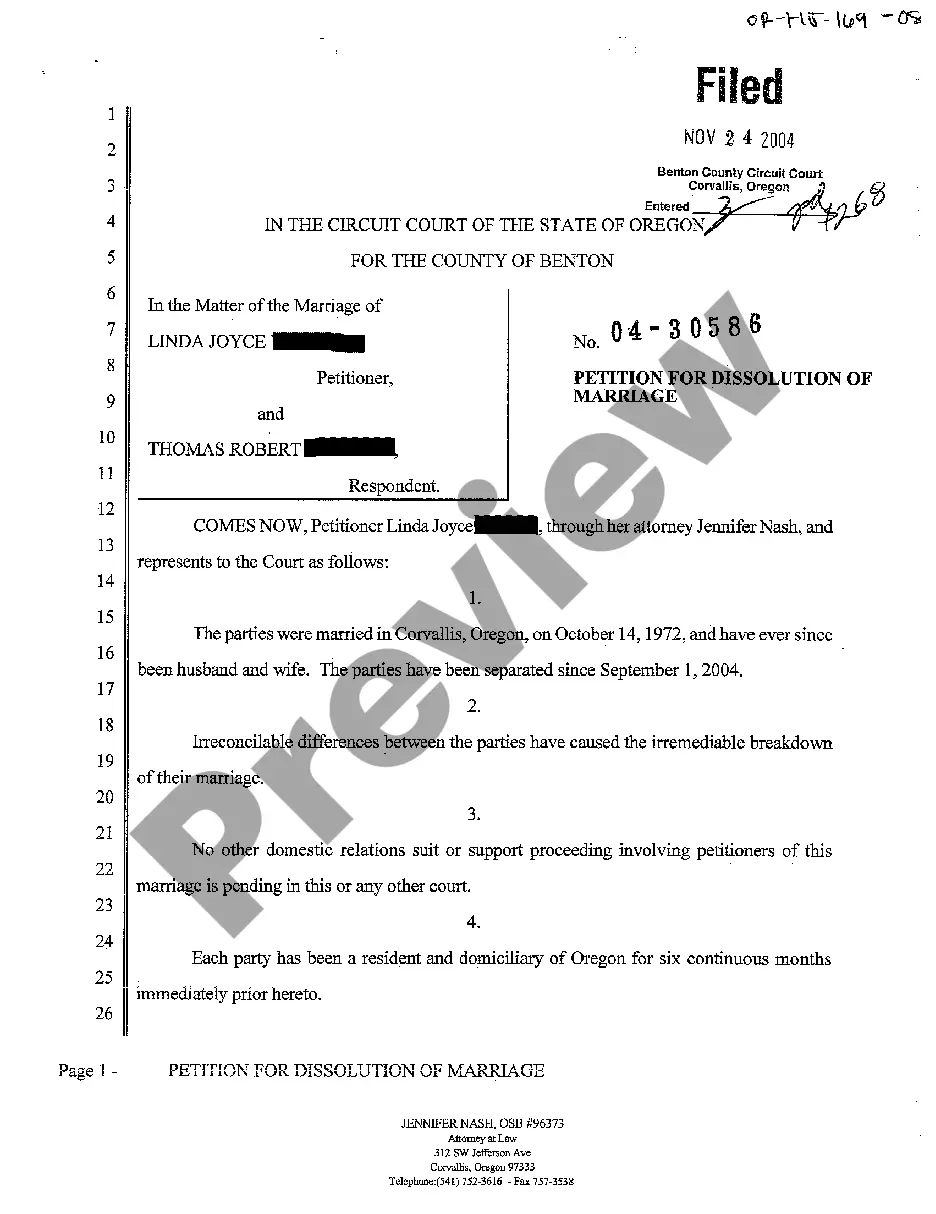
Broward County’s court system is the second-largest in Florida. When a petition for dissolution of marriage is filed, it is assigned a case number (e.g., FMCE-year-sequence). This case number is the most efficient way to track a record. In 2026, the court utilizes advanced AI-assisted indexing to ensure that filings are categorized accurately, reducing the "lost record" phenomenon common in legacy paper systems.
Methods for Retrieving Dissolution of Marriage Records
There are three primary channels for obtaining these documents in 2026. The choice of channel depends on whether you require a "certified" copy for legal purposes or an "uncertified" copy for informational use.
1. Online Search via the Broward Clerk’s Case Search
The most common method is the Public Records Search portal. This system allows users to search by party name or case number.
- Public Access: Provides a view of the progress of the case (the "docket").
- Document Images: Many post-2010 records have viewable PDF images of the Final Judgment, provided they have been scrubbed of confidential information (Social Security numbers, account numbers, and minor children’s names).
2. In-Person Requests at Courthouse Locations
For certified copies or historical searches, visiting the Clerk’s office remains the gold standard. In 2026, Broward County utilizes self-service kiosks at several satellite locations to alleviate congestion at the main Judicial Complex.
- Central Courthouse: 201 SE 6th Street, Fort Lauderdale, FL 33301.
- North Regional Courthouse: 1600 West Hillsboro Blvd, Deerfield Beach, FL 33442.
- West Regional Courthouse: 100 North Pine Island Road, Plantation, FL 33324.
- South Regional Courthouse: 3550 Hollywood Blvd, Hollywood, FL 33021.
3. Florida Department of Health (Bureau of Vital Statistics)
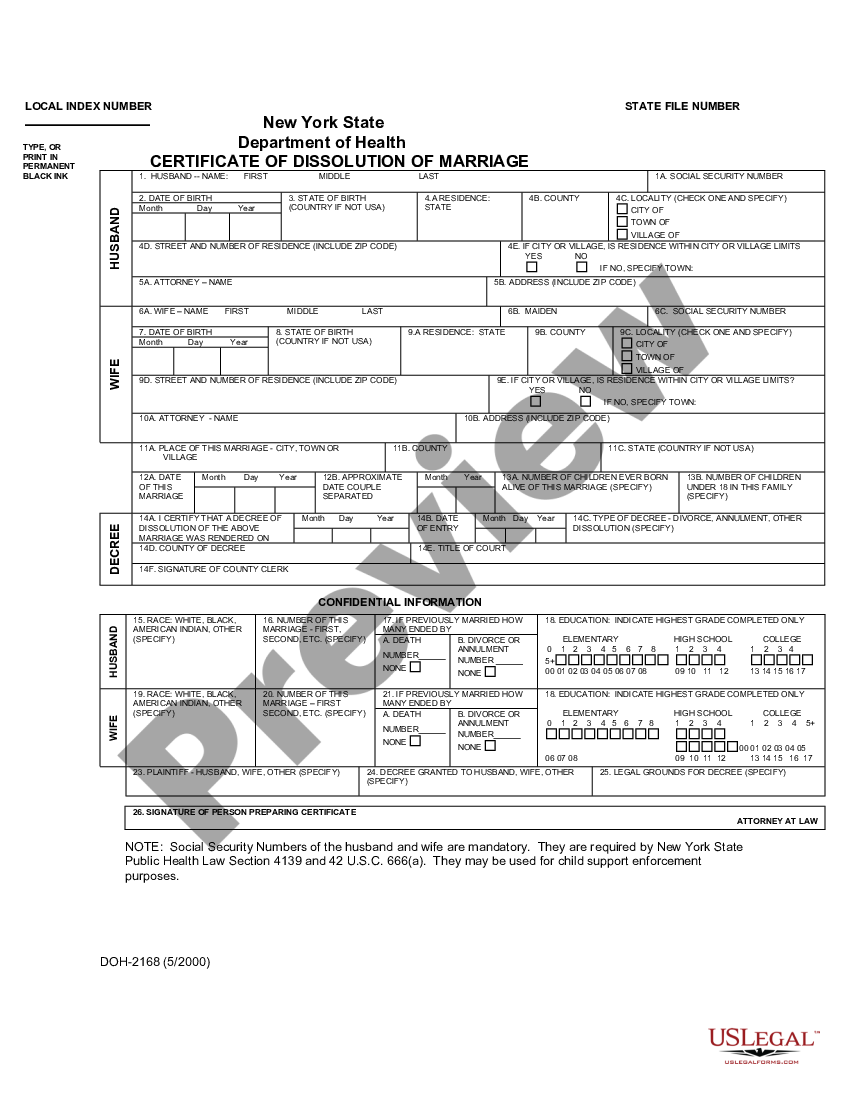
While the Clerk of Court holds the detailed case file (the "how" and "why" of the divorce), the Bureau of Vital Statistics in Jacksonville issues the "Certificate of Dissolution of Marriage." This is often what is required for international travel or Social Security updates. They maintain records for all Florida divorces from 1927 to the current date of 2026.
Comparison of Record Types and Utility
It is essential to understand which document type meets your specific 2026 legal requirements. A simple printout from a website is rarely sufficient for official business.
| Record Type | Authority | Primary Use Case | Delivery Time (2026) |
|---|---|---|---|
| Uncertified Copy | Broward Clerk Online | Personal reference, genealogy, background check. | Instant (Download) |
| Certified Copy | Broward Clerk Office | Name change, Social Security, QDRO processing. | Same day (In-person) / 7-10 days (Mail) |
| Exemplified/Triple-Seal | Broward Clerk Office | Foreign jurisdiction recognition, International adoption. | 5-14 Business Days |
| Vital Statistics Certificate | FL Dept. of Health | Marriage license applications in other states. | 2-4 Weeks |
| Redacted Record | Broward Clerk | Public consumption while protecting PII (Privacy). | Instant (Online) |
Mandatory Privacy Redactions and Confidentiality
Under Florida law, certain information within a dissolution of marriage record is automatically confidential. In 2026, the Broward Clerk uses automated redaction software to ensure compliance with Florida Rule 2.420. Users should be aware that "Public Records" does not mean "Entire File Access."
The following data points are typically redacted from public view unless you are a party to the case or have a court order:
- Social Security Numbers.
- Bank account numbers, credit card numbers, and debit card numbers.
- Names of minor children.
- Detailed medical records or psychological evaluations.
- Domestic violence victim information.
If you are a party to the divorce (Petitioner or Respondent), you can request an unredacted copy by providing valid government-issued identification at the Clerk’s office.
Step-by-Step Guide to Online Record Retrieval in 2026
To find a record in the 2026 Broward County system, follow these technical steps:
- Access the Official Portal: Navigate to the Broward County Clerk of the Circuit and County Court website. Look for the "Court Records Search" or "Case Search" link.
- Select Case Type: Filter the search by "Family" or "Domestic Relations" to narrow the results to dissolution of marriage cases.
- Input Search Parameters: Enter the last name followed by the first name. For 2026 searches, the system is highly sensitive to spelling; use "Wildcard" searches (usually an asterisk *) if you are unsure of the exact spelling.
- Identify the Case: Locate the case that matches the parties involved. Verify by the date of filing or the names of the attorneys of record.
- Review the Docket: Click on the case number to view the docket. Scroll to the "Events" or "Documents" section. Look for the entry titled "Final Judgment of Dissolution of Marriage."
- Purchase/Download: If the document is available for download, follow the payment prompts. In 2026, Broward County accepts most major credit cards and digital wallets (Apple Pay, Google Pay) for online document fees.
Cost Structure for Broward County Records (2026 Schedule)
The fees for court records are established by Florida Statutes and are subject to minor adjustments annually. The following are the standard fees for 2026:
- Search Fee: $2.00 per year, per name searched (if you do not have the case number).
- Standard Copy (Uncertified): $1.00 per page.
- Certification Fee: $2.00 per document (in addition to the per-page fee).
- Exemplified/Triple-Seal Fee: $7.00 per document (plus per-page costs).
- Electronic Certified Copy (E-Cert): $8.00 per document (delivered via secure link).
Expert Tip on Cost Savings
If you are searching for historical records (pre-1990), do not pay for a multi-year search online. Instead, email the Clerk’s Archival Division with as much detail as possible. They can often provide a "Date Range Estimate" that prevents you from paying for empty search years.
Troubleshooting Common Retrieval Issues
Record Not Found
If a dissolution of marriage record from 2026 or earlier does not appear, consider the following:
- Jurisdiction: Was the divorce actually filed in Broward? Many people living in Southern Broward may have filed in Miami-Dade, or those in Northern Broward may have filed in Palm Beach County.
- Sealed Records: In rare cases involving high-profile individuals or specific safety concerns, a judge may order the entire file "Sealed." These records will not appear in a public name search.
- Name Variations: Check for maiden names or hyphenated names. The 2026 system indexes names exactly as they appeared on the original Petition.
Missing Document Images
Sometimes the case appears on the docket, but the PDF image is unavailable. This usually means the document is currently undergoing redaction review or was filed before the digital mandate. In this scenario, you must "Request a Viewing" through the online portal, which typically takes 24-48 hours for a clerk to review and release the image to the public view.
Frequently Asked Questions
How long does it take for a 2026 divorce to appear in public records?
Generally, a dissolution of marriage record appears on the Clerk’s docket within 24 to 48 hours of the Final Judgment being signed by the Judge. However, the actual PDF image of the Final Judgment may take 3-5 business days to clear the mandatory redaction queue before it is viewable by the public.
Can I obtain a divorce record for someone else in Broward County?
Yes. Florida is a public records state. Anyone can request a copy of a Final Judgment of Dissolution of Marriage for any individual. However, you will only receive the redacted version. Sensitive financial affidavits and child-related settlement agreements may be restricted to the parties involved and their legal counsel.
What is the difference between a divorce decree and a divorce certificate?
In Broward County, the "Divorce Decree" is the Final Judgment signed by the judge, detailing the terms of the split. The "Divorce Certificate" is a one-page document issued by the Florida Department of Health (Bureau of Vital Statistics) that simply confirms a divorce took place. Most 2026 administrative tasks, like updating a passport, accept the Certificate, but complex legal matters require the Final Judgment (Decree).
Can I get a certified copy of my Broward divorce record online?
Yes, in 2026, the Broward Clerk offers "E-Certify" services. This allows you to purchase a digitally signed, encrypted PDF that carries the same legal weight as a paper copy with a raised seal. This is the fastest way to obtain official documentation without visiting a courthouse.
How do I correct an error in a dissolution of marriage record?
If you discover a clerical error (e.g., a misspelled name) in a 2026 record, you must file a "Motion to Correct" or a "Motion for Nunc Pro Tunc" with the court. The Clerk of Court cannot alter a judicial record without a signed order from a judge.
Future-Proofing Your Records Management
As Broward County moves further into the digital-first era of 2026, maintaining your own digital copies of certified records is highly recommended. While the Clerk’s office is a reliable custodian, the fees and time associated with retrieval can be avoided by securing an E-Certified copy at the time of the final hearing and storing it in a secure, encrypted cloud environment.
If you are a legal professional or an individual managing a high volume of record requests, consider establishing a "Subscriber Account" with the Clerk’s office. This provides enhanced search capabilities and streamlined billing for 2026 bulk record access.