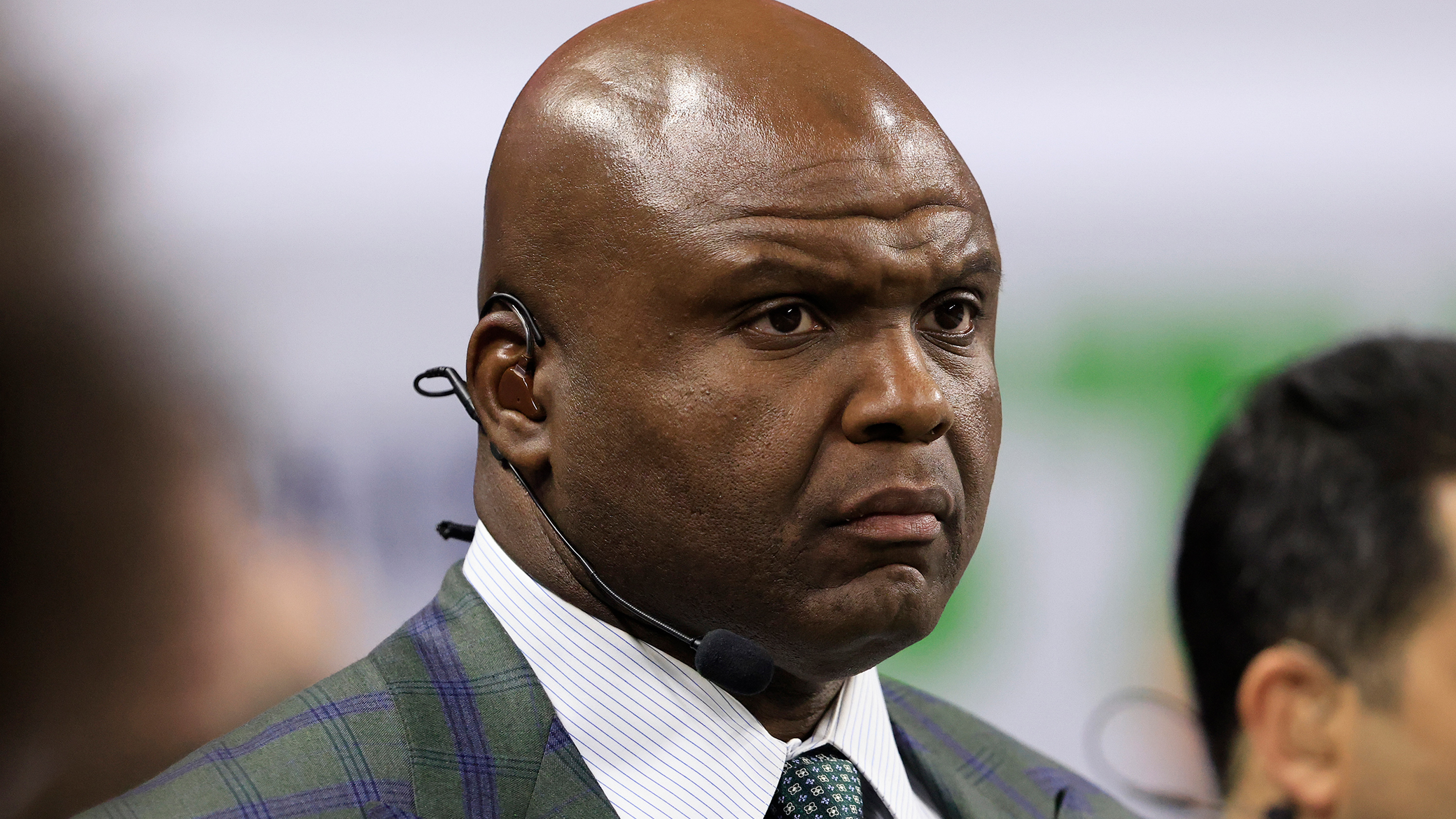
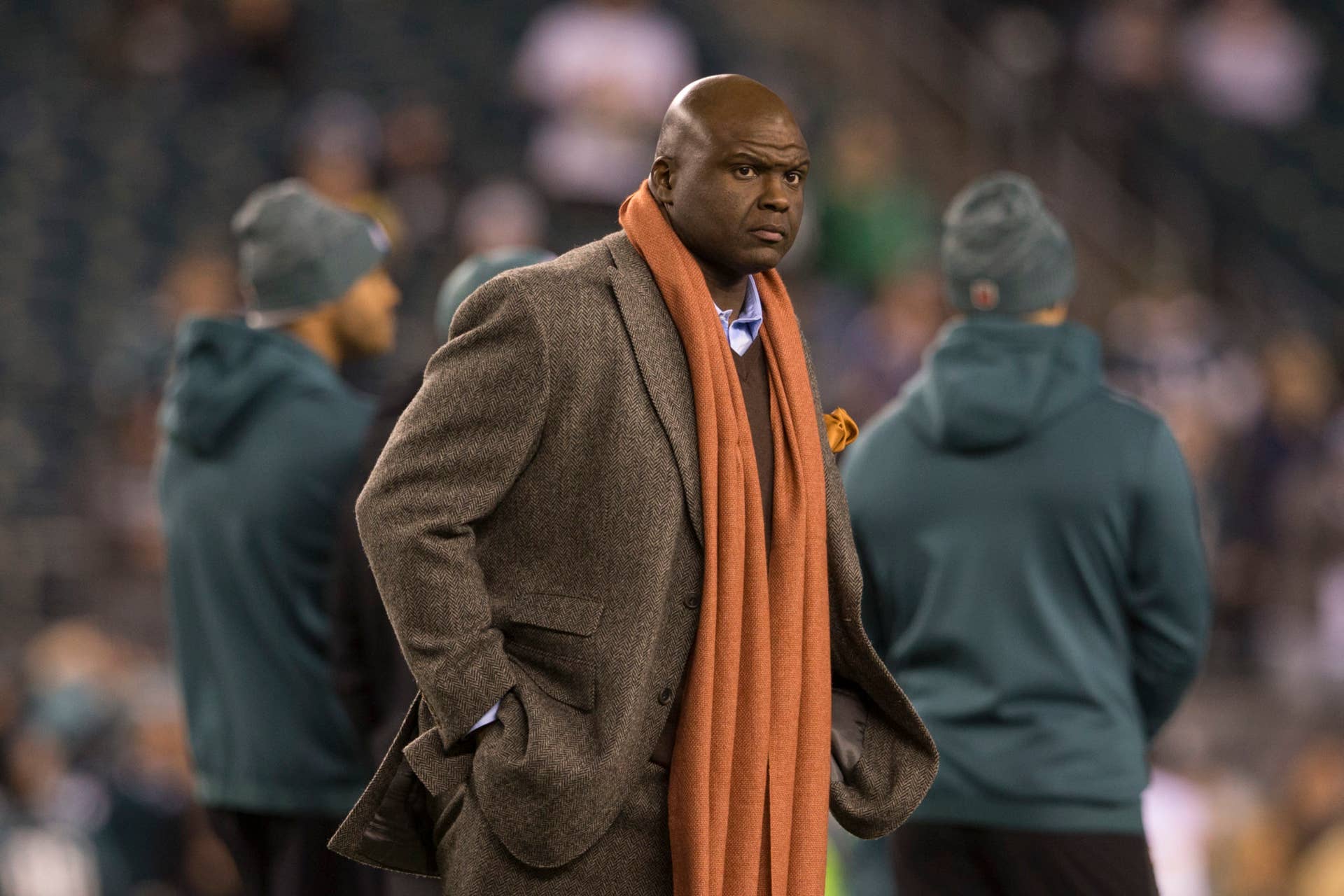
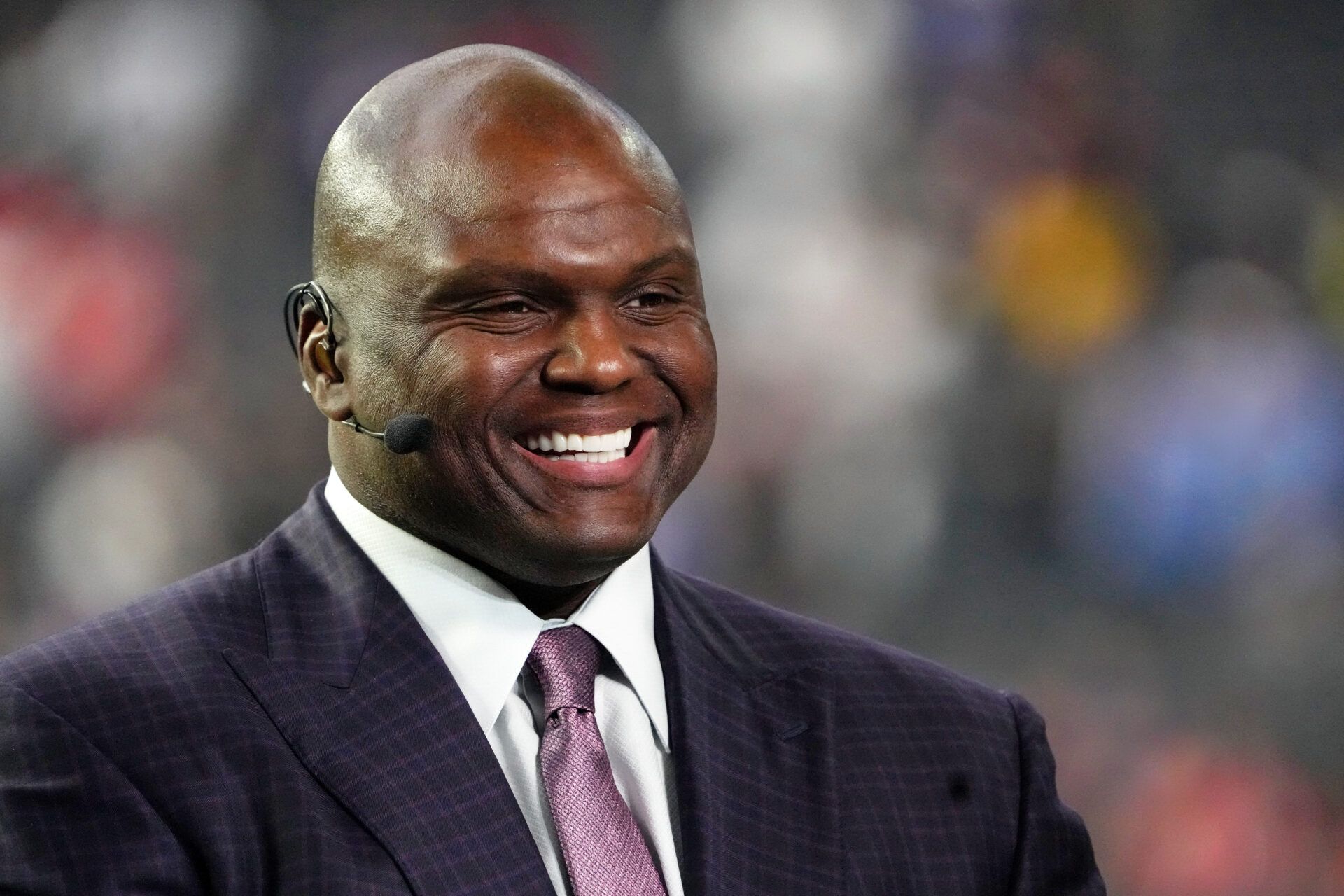
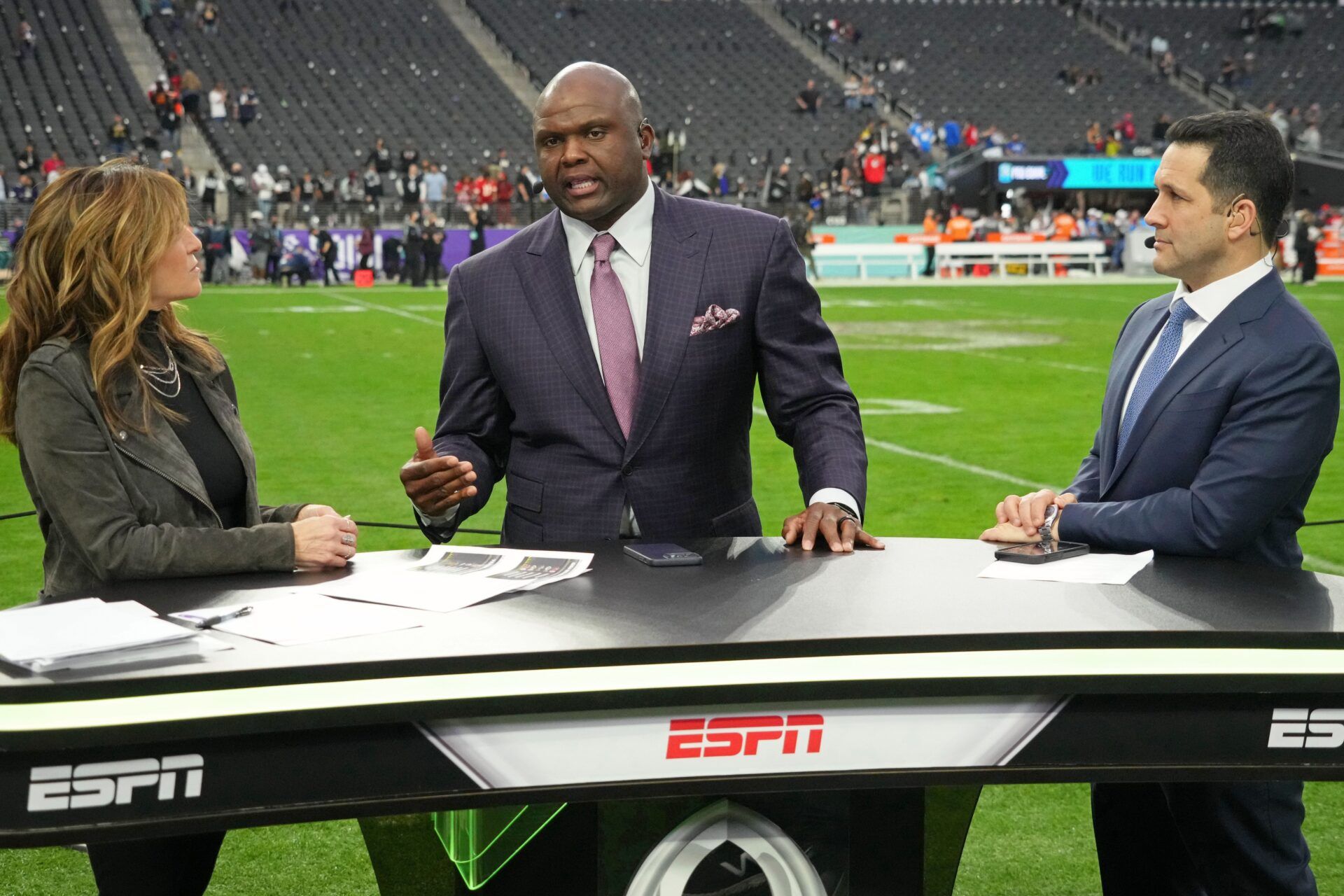
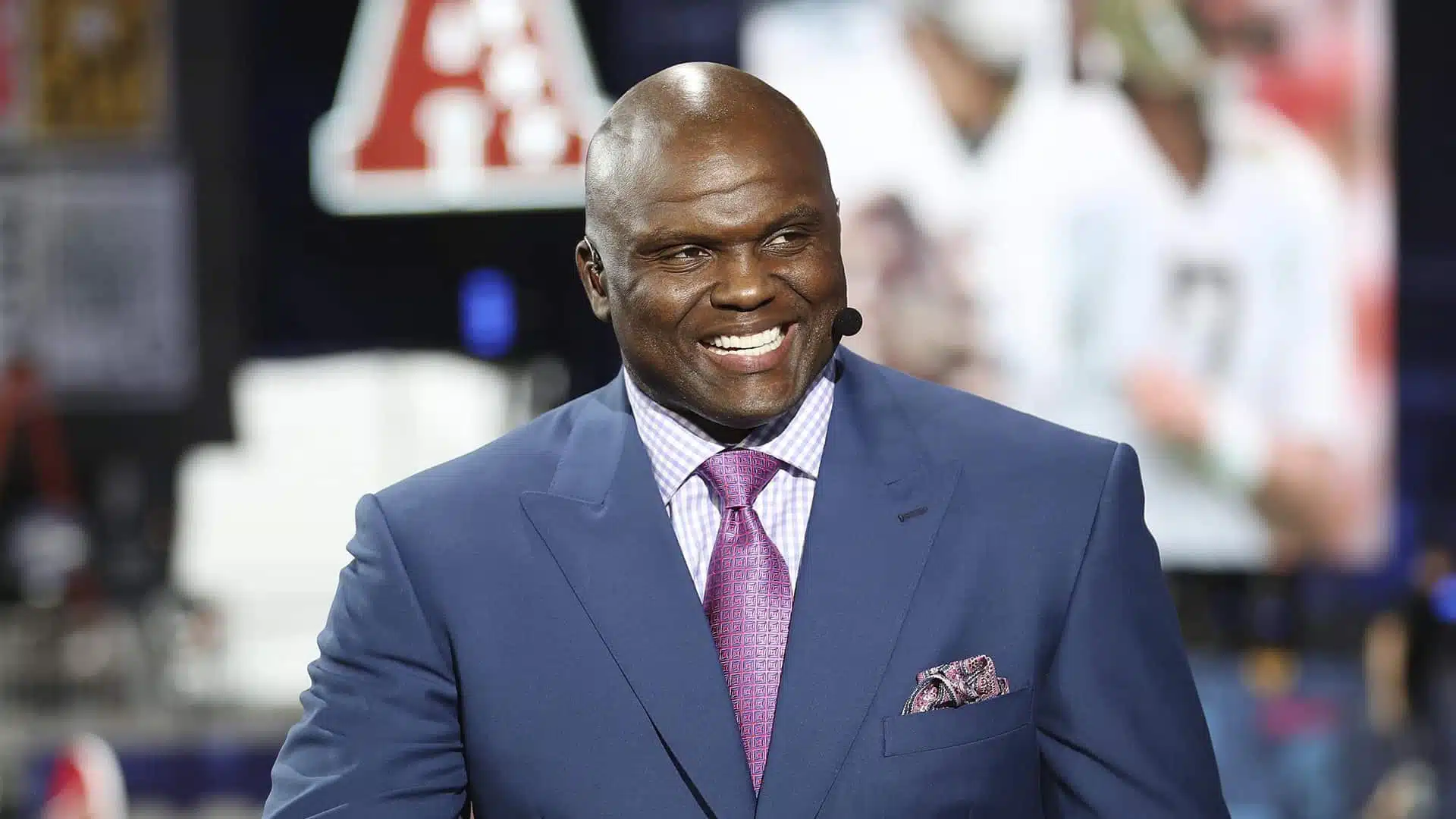
Anthony "Booger" McFarland is a distinguished American sports analyst and former NFL defensive tackle who earned two Super Bowl rings during his nine-season professional career. Transitioning to broadcasting, he became a prominent voice on ESPN and the SEC Network. As of 2026, he remains a central figure in football media, known for his unfiltered analysis and championship pedigree.
The Foundations of a Legend: Early Life and LSU Dominance
Anthony Darelle McFarland was born on December 18, 1977, in Winnsboro, Louisiana. While his legal name is Anthony, the world knows him almost exclusively by the nickname "Booger," a moniker he acquired as a mischievous child. This name, which might have hindered a less talented individual, became a brand of toughness and disruptiveness on the football field. McFarland’s journey to the elite levels of the sport began at Winnsboro High School, where his physical dominance made him one of the most sought-after recruits in the state of Louisiana.
McFarland chose to stay close to home, attending Louisiana State University (LSU) from 1995 to 1998. During his tenure with the Tigers, he evolved from a raw prospect into one of the most feared interior defensive linemen in the Southeastern Conference (SEC). His collegiate career was defined by an explosive first step and a low center of gravity that made him nearly impossible for single offensive linemen to block.
By his senior year in 1998, McFarland was a First-team All-American and a co-captain of the Tigers. He finished his career at LSU with 249 tackles and 17 sacks. His performance at the college level did more than just win games; it established a blueprint for the modern "under-tackle" in the 4-3 defensive scheme—a player small enough to be quick but strong enough to hold the point of attack. This versatility caught the eyes of NFL scouts, leading to his selection in the first round of the 1999 NFL Draft.
NFL Success: The Tampa Bay Era and Super Bowl XXXVII
The Tampa Bay Buccaneers selected McFarland with the 15th overall pick in 1999, placing him in the heart of a defense that was on the verge of becoming legendary. Under the guidance of coach Tony Dungy and defensive coordinator Monte Kiffin, the Buccaneers were perfecting the "Tampa 2" system. McFarland was the perfect fit for the nose tackle position, playing alongside Hall of Famer Warren Sapp.
While Sapp garnered many of the headlines, McFarland was the engine that allowed the linebackers, such as Derrick Brooks, to roam free. His role required immense physical sacrifice, often taking on double teams to keep the second level of the defense clean. The culmination of this defensive era came in the 2002 season under head coach Jon Gruden. The 2002 Buccaneers defense is frequently cited as one of the greatest in NFL history, and McFarland was a pivotal component until a late-season foot injury sidelined him for the postseason run. Despite being on injured reserve during the actual Super Bowl XXXVII victory over the Oakland Raiders, his contributions during the regular season were vital to the team’s top-ranked defensive standing.
McFarland’s time in Tampa Bay was characterized by consistency. He was a vocal leader in the locker room and a reliable force on the field, missing very few games until the latter stages of his career. His ability to diagnose plays and his relentless motor made him a favorite among coaches who valued the "dirty work" of interior line play.
The Trade to Indianapolis and a Second Championship
In 2006, a mid-season trade reunited McFarland with his former coach, Tony Dungy, who was then leading the Indianapolis Colts. The Colts, led by quarterback Peyton Manning, had long been criticized for having a high-powered offense but a soft run defense. The acquisition of McFarland was specifically designed to shore up the middle of the defensive line for a playoff push.
The impact was immediate. McFarland’s veteran presence and knowledge of Dungy’s defensive philosophy stabilized the Colts' front four. During the 2006 playoffs, the Colts' defense underwent a radical transformation, becoming a stout unit that limited opponents' rushing attacks. This defensive resurgence was the missing piece of the puzzle for Indianapolis.
The journey concluded in Super Bowl XLI, where the Colts defeated the Chicago Bears in a rainy Miami contest. Unlike his first Super Bowl experience, McFarland was an active participant on the field, contributing to the pressure that forced Bears' turnovers. This victory cemented McFarland’s legacy as a "winner" who could elevate a defensive unit to championship status. He retired following the 2007 season, finishing his career with 22.5 sacks and two championship rings, a resume that prepared him perfectly for his next chapter in sports media.
Transitioning to Media: The SEC Network and ESPN Rise
Following his retirement from the NFL, McFarland did not immediately jump into the national spotlight. He spent time in sports radio in the Tampa area, honing his skills as a communicator and developing his "Booger" persona for the airwaves. His transition was aided by his natural charisma and a deep, technical understanding of the game that went beyond generic clichés.
In 2014, when ESPN launched the SEC Network, McFarland was tapped as one of its primary analysts. This role was a homecoming of sorts, allowing him to cover the conference where he had starred as a player. On the SEC Network, he became known for his blunt, often humorous critiques of players and coaches. He didn't shy away from controversy, a trait that helped him stand out in a crowded field of former athletes-turned-broadcasters.
His success on the SEC Network led to a promotion to ESPN’s main programming, where he appeared on Get Up, SportsCenter, and College Football Live. By 2026, McFarland is recognized as one of the few analysts who can seamlessly bridge the gap between collegiate and professional football analysis, providing expert commentary on both Saturday and Sunday spectacles.
The Monday Night Football Era and the "Booger Mobile"
One of the most discussed chapters of McFarland’s media career was his stint on Monday Night Football (MNF). In 2018, ESPN experimented with a unique broadcast structure, placing McFarland in a specialized crane/cart known as the "Booger Mobile." This elevated platform moved along the sideline, intended to give McFarland a "bird’s-eye view" of the line of scrimmage that he could then communicate to the audience.
However, the "Booger Mobile" became a point of significant contention. Fans in attendance complained that the large structure blocked their views of the field, and social media users frequently mocked the visual of McFarland suspended over the sideline. Despite the logistical hurdles and the mixed reception of the three-man booth (which included Joe Tessitore and Jason Witten), McFarland was promoted to the primary booth analyst role in 2019.
While his tenure as the lead MNF analyst lasted only one season before ESPN revamped the booth again, the period was a masterclass in resilience. McFarland faced intense scrutiny and memes regarding his commentary—such as his detailed explanation of how players relieve themselves on the sideline—but he remained authentic to his brand. This authenticity is why, years later in 2026, he remains a fixture on Monday Night Countdown and other flagship programs.
Analysis of Career Achievements and Impact
To understand Booger McFarland's impact, one must look at both the raw statistics and the intangible value he brought to his teams and broadcast crews.
| Category | Career Details / Statistics | Impact Level |
|---|---|---|
| Draft Position | 15th Overall (1999) | High: Established him as a franchise cornerstone. |
| Super Bowl Wins | 2 (XXXVII, XLI) | Elite: Achieved the ultimate goal in two different cities. |
| NFL Regular Season Sacks | 22.5 | Moderate: High for an interior nose tackle in a 4-3. |
| College Accolades | First-team All-American (1998) | High: Defined him as one of LSU's all-time greats. |
| Broadcasting Longevity | 10+ Years (ESPN/SEC) | High: Successfully transitioned from "player" to "personality." |
| Signature Media Role | Monday Night Football Analyst | High: Increased national visibility and brand recognition. |
Broadcasting Style and Public Perception in 2026
As of 2026, Booger McFarland has settled into a role as a "truth-teller" in the sports world. His style is characterized by a lack of pretense; he speaks about the game in the same way he played it—with directness and force. He is particularly adept at analyzing line play, often pointing out subtle technical errors in offensive and defensive linemen that other analysts might overlook.
Public perception of McFarland has shifted from the polarized reactions of the "Booger Mobile" era to a general respect for his longevity and consistency. He has become a staple of the NFL playoff coverage and the College Football Playoff (CFP) broadcasts. His chemistry with colleagues like Kevin Negandhi and Dan Orlovsky has made him a vital part of ESPN's studio identity. McFarland represents the "old school" grit of the NFL while embracing the "new school" media landscape of viral clips and rapid-fire debate.
FAQs About Booger McFarland
How did Anthony McFarland get the nickname "Booger"?
The nickname was given to him by his mother when he was a child. He was admittedly a "wild" and "troublesome" kid, and the name stuck throughout his life, eventually becoming his professional moniker in both the NFL and media.
Which NFL team did Booger McFarland play for the longest?
McFarland spent the majority of his career with the Tampa Bay Buccaneers, playing there from 1999 until mid-2006. He played a total of 103 games for the franchise before being traded to the Indianapolis Colts.
Did Booger McFarland win a Super Bowl with both the Bucs and the Colts?
Yes. He was a member of the 2002 Tampa Bay Buccaneers team that won Super Bowl XXXVII and the 2006 Indianapolis Colts team that won Super Bowl XLI. He is one of the few players to win a ring with two different organizations during the 2000s.
Why was the "Booger Mobile" discontinued?
The "Booger Mobile" was discontinued primarily due to negative feedback from stadium fans whose views were obstructed by the vehicle and a general desire by ESPN to return to a more traditional broadcast booth format. It was officially retired after the 2018 season.
What is Booger McFarland's current role at ESPN in 2026?
In 2026, McFarland serves as a senior NFL and College Football analyst. He is a primary contributor to Monday Night Countdown, NFL Live, and provides color commentary and studio analysis for major SEC matchups and the College Football Playoff.
Engagement and Future Outlook
For those following the evolution of sports media, Booger McFarland provides a compelling case study on career reinvention. His ability to move past the criticisms of his early national broadcasting years and establish himself as a respected, permanent fixture at the "Worldwide Leader in Sports" is a testament to his work ethic.
To stay updated on McFarland’s latest takes and analysis, viewers should look toward ESPN’s weekend college football coverage and the Monday night pregame shows. Whether he is breaking down the mechanics of a goal-line stand or debating the merits of a quarterback's performance, McFarland continues to offer a perspective rooted in the dirt and sweat of the trenches—a perspective that remains essential to the football conversation in 2026.