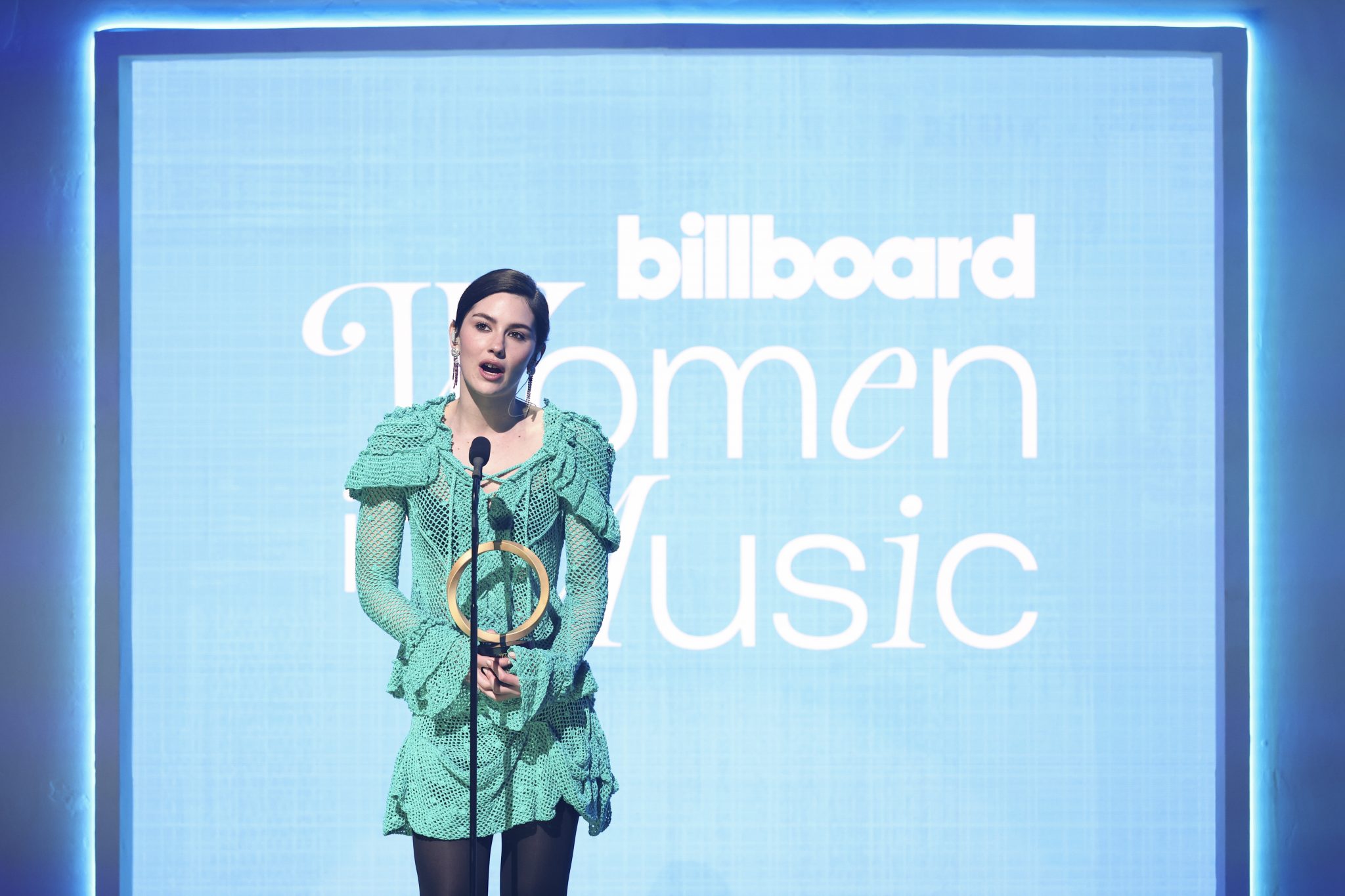
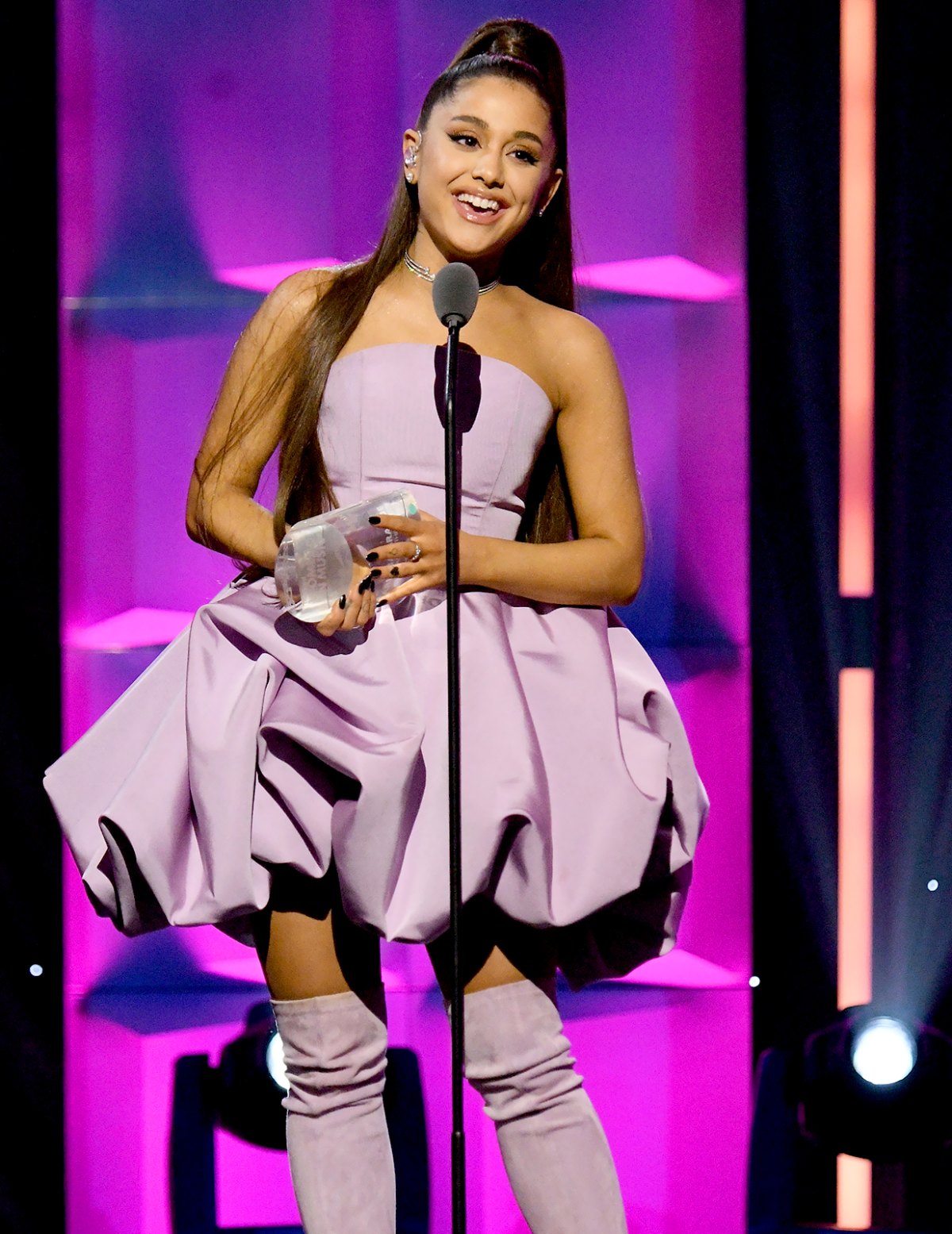
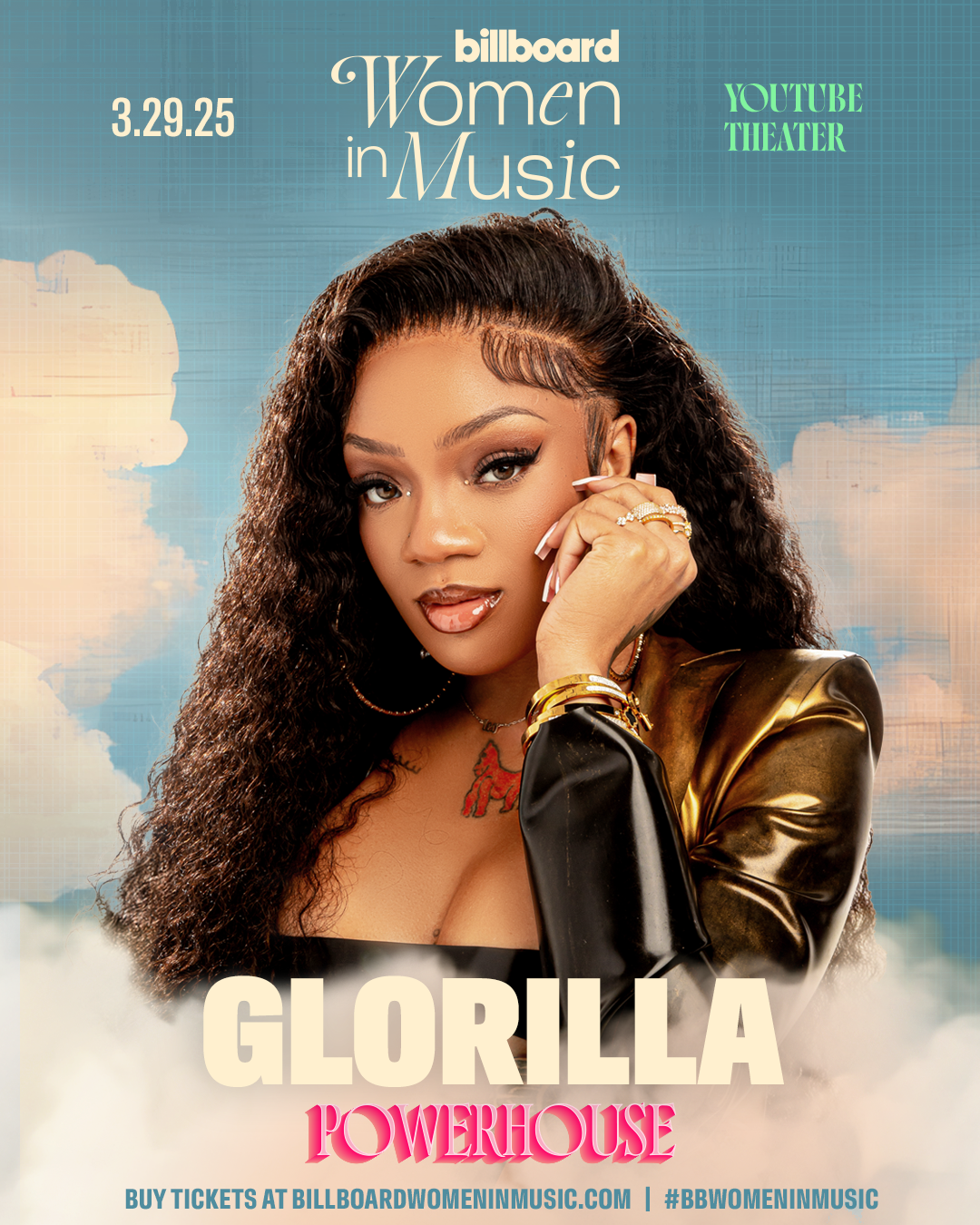
The Billboard Woman of the Year is the highest honor presented at the annual Billboard Women in Music event. It recognizes a female recording artist who has made significant contributions to the music industry and demonstrated exceptional leadership through her commercial success, artistic innovation, and cultural influence over the preceding year.
Since its inception in 2007, the Billboard Woman of the Year award has transformed from a high-profile industry accolade into a cultural touchstone that defines the zeitgeist of the music world. As we navigate the 2026 music landscape, the award remains the definitive benchmark for female excellence, celebrating not just chart-topping statistics but the systemic impact an artist has on the industry's infrastructure and the broader societal conversation. The honor is part of the larger Billboard Women in Music ceremony, an event dedicated to acknowledging the women who are shaping the future of music across all genres and roles.
Defining the Billboard Woman of the Year Selection Criteria
The process of selecting the Billboard Woman of the Year is a rigorous editorial and industry-focused endeavor. Unlike fan-voted awards, which primarily reflect popularity at a specific moment in time, this honor is determined by Billboard’s editorial leadership. The selection committee evaluates candidates based on a multifaceted "impact matrix" that extends beyond the Billboard 200 or Hot 100 charts.
The primary requirement for eligibility is a sustained period of excellence within the eligibility window. This includes not only the release of high-performing music but also the artist’s involvement in the business side of the industry. Billboard looks for women who have asserted creative control over their careers, launched successful entrepreneurial ventures, or advocated for policy changes within the music business. For example, the honor often goes to artists who have redefined how music is marketed or distributed, such as through surprise visual albums or groundbreaking digital experiences.
Furthermore, the "influence" factor is paramount. The committee assesses how a particular artist has influenced younger generations of performers and whether she has used her platform to address critical issues such as gender equality, mental health, or social justice. In the context of 2026, the criteria have expanded to include an artist's adaptation to emerging technologies, including artificial intelligence in creative processes and the ethics of digital likeness.
Historical Milestones and the "Swift" Effect
The history of the Billboard Woman of the Year award provides a roadmap of the music industry’s shifts over the last two decades. The inaugural award was presented to country legend Reba McEntire in 2007, signaling that the honor was rooted in respect for long-term career viability and cross-genre appeal. However, the award gained significant mainstream traction as it began to recognize the pop icons who were dominating the newly digital-first landscape.
One of the most notable figures in the award's history is Taylor Swift, who remains the only artist to be named Billboard Woman of the Year twice (in 2011 and 2014). Swift’s trajectory with the award mirrors her broader impact on the industry, specifically her advocacy for artist rights and fair compensation in the streaming era. Her 2014 win, in particular, coincided with her transition from country to pop and her public stance against certain streaming platform models, which forced a global conversation about the value of music.
Other historic wins include Beyoncé (2009), whose recognition followed the massive success of I Am... Sasha Fierce, and Lady Gaga (2015), who was honored for her artistic versatility following her jazz collaborations and "Artpop" era. These winners established the precedent that the Woman of the Year is not just a "pop star" but a visionary who dictates the direction of the industry's creative output.
The Global Shift: Recognition of International Influence
As the music industry has become increasingly globalized, the Billboard Woman of the Year award has reflected this diversity. A major turning point occurred in 2024 when Karol G was named Woman of the Year. As the first artist who primarily records in Spanish to receive the top honor, her win signaled Billboard’s acknowledgement that global impact is no longer strictly defined by English-language dominance.
This shift has continued into the 2025 and 2026 cycles, where the selection process has prioritized artists who command massive audiences in Latin America, Asia, and Africa. The award now serves as a bridge between localized music markets and the global mainstream. This internationalization is crucial for the award's relevance, as it reflects the reality of modern streaming data, where regional superstars often outperform traditional Western pop icons on a global scale.
Comparison of Recent Billboard Woman of the Year Honorees
The following table highlights the diversity of talent and the specific reasons for selection among recent honorees, illustrating the different paths to the industry's top recognition.
| Year | Honoree | Genre Primary | Key Selection Driver |
|---|---|---|---|
| 2024 | Karol G | Reggaeton / Latin Pop | Historic success of Mañana Será Bonito; global touring dominance. |
| 2023 | SZA | R&B | Commercial and critical breakthrough with SOS; charting longevity. |
| 2022 | Olivia Rodrigo | Pop / Rock | Cultural phenomenon of Sour; defining the Gen Z sound. |
| 2020 | Cardi B | Hip-Hop | Cultural impact of "WAP"; entrepreneurial success and political activism. |
| 2019 | Billie Eilish | Alternative Pop | Youngest recipient; redefined pop production and aesthetic. |
| 2018 | Ariana Grande | Pop | Resilience and chart dominance with Sweetener and Thank U, Next. |
| 2017 | Selena Gomez | Pop | Philanthropy and leadership; successful transition into executive producing. |
The Billboard Women in Music Event Structure
While the Woman of the Year is the "Best in Show," the event itself is a comprehensive ecosystem of recognition. The ceremony, typically held in Los Angeles, features several distinct categories that highlight different career stages and industry roles. Understanding these categories is essential for appreciating the scope of the Billboard Women in Music platform.
- Rising Star: Awarded to an artist who has recently broken through to the mainstream and shows significant future potential. Past winners include Lady Gaga and Nicki Minaj.
- Powerhouse: Recognizes an artist whose music dominated sales, streaming, and radio throughout the year.
- Icon Award: Reserved for legendary figures whose careers have spanned decades and who have paved the way for future generations.
- Visionary Award: Given to those who push the boundaries of music and visual art, often recognizing innovation in music videos and live performances.
- Executive of the Year: A critical category that honors the women behind the scenes—CEOs, managers, and label presidents—who drive the business of music.
The event serves as a networking hub and a "State of the Union" for women in the industry. Keynote speeches often go viral, as honorees use the stage to speak candidly about industry challenges, such as the gender gap in music production (where women still represent a small fraction of producers and engineers) and the need for better mental health support on tour.
Impact on Career Trajectory and Industry Standing
Being named the Billboard Woman of the Year is more than just a trophy; it is a significant career catalyst. For emerging superstars, it provides the "seal of approval" from the industry's paper of record, often leading to increased leverage in contract negotiations and higher-tier brand partnership opportunities. For established veterans, it serves as a validation of their enduring relevance and a cementation of their legacy.
The award also carries weight in the context of the broader awards season. While Billboard's honors are separate from the Recording Academy’s Grammy Awards, the Woman of the Year often serves as a predictive indicator of who will dominate the major Grammy categories. The visibility provided by the Billboard cover story and the televised ceremony keeps the artist at the forefront of voters' minds during the critical winter months of the awards cycle.
Looking Toward the 2026 Awards Season
As we move through 2026, the conversation surrounding the next Billboard Woman of the Year is centered on the intersection of music and technology. The industry is currently grappling with how to credit and honor female creators who are utilizing AI to enhance their work without sacrificing human authenticity.
The 2026 season also sees a renewed focus on "Independent Power." With more female artists choosing to remain independent or sign non-traditional distribution deals, Billboard has adapted its criteria to weigh these business moves more heavily. The Woman of the Year in 2026 is expected to be an artist who not only owns her masters but has successfully navigated the complexities of direct-to-consumer relationships in a fragmented media environment.
Frequently Asked Questions
How is the Billboard Woman of the Year chosen?
The honoree is selected by the Billboard editorial team. They analyze a combination of year-end chart data, touring revenue, business ventures, and overall cultural and social impact. It is not a fan-voted award, though fan engagement and social media presence are factors considered in the "influence" portion of the criteria.
Who was the first Billboard Woman of the Year?
Reba McEntire was the first recipient of the award in 2007. At the time, the award was established to highlight the accomplishments of women in an industry that was historically dominated by male executives and performers.
Can an artist win the award more than once?
Yes, but it is extremely rare. As of 2026, Taylor Swift is the only artist to have won the Billboard Woman of the Year award twice (2011 and 2014). Billboard generally prefers to honor a new individual each year to showcase the breadth of talent in the industry, though the "Icon" award is often used to recognize past winners for their continued excellence.
Does the award come with a monetary prize?
No, the Billboard Woman of the Year award does not include a cash prize. It is a merit-based honor that provides significant professional prestige, industry visibility, and media coverage, which often leads to increased commercial opportunities for the recipient.
What is the difference between the Woman of the Year and the Icon Award?
The Woman of the Year award focuses on the achievements of a specific calendar year and the immediate preceding period. The Icon Award is a "lifetime achievement" honor that recognizes an artist’s entire body of work and her long-term influence on the music industry over several decades.
Navigating the Billboard Women in Music Landscape
For fans and industry professionals looking to follow the Billboard Woman of the Year developments, the most effective approach is to monitor the Billboard Women in Music official portal. Billboard typically announces the honorees several weeks before the spring ceremony.
To gain a deeper understanding of the selection process, it is recommended to review the year-end Billboard Charts, as these data points form the quantitative foundation of the award. For those interested in the legislative and advocacy side of the honor, following organizations like Women in Music provides context on the professional environment that these honorees are helping to shape. Staying informed about both the data and the advocacy ensures a comprehensive view of why a specific artist is chosen to represent the pinnacle of female achievement in any given year.