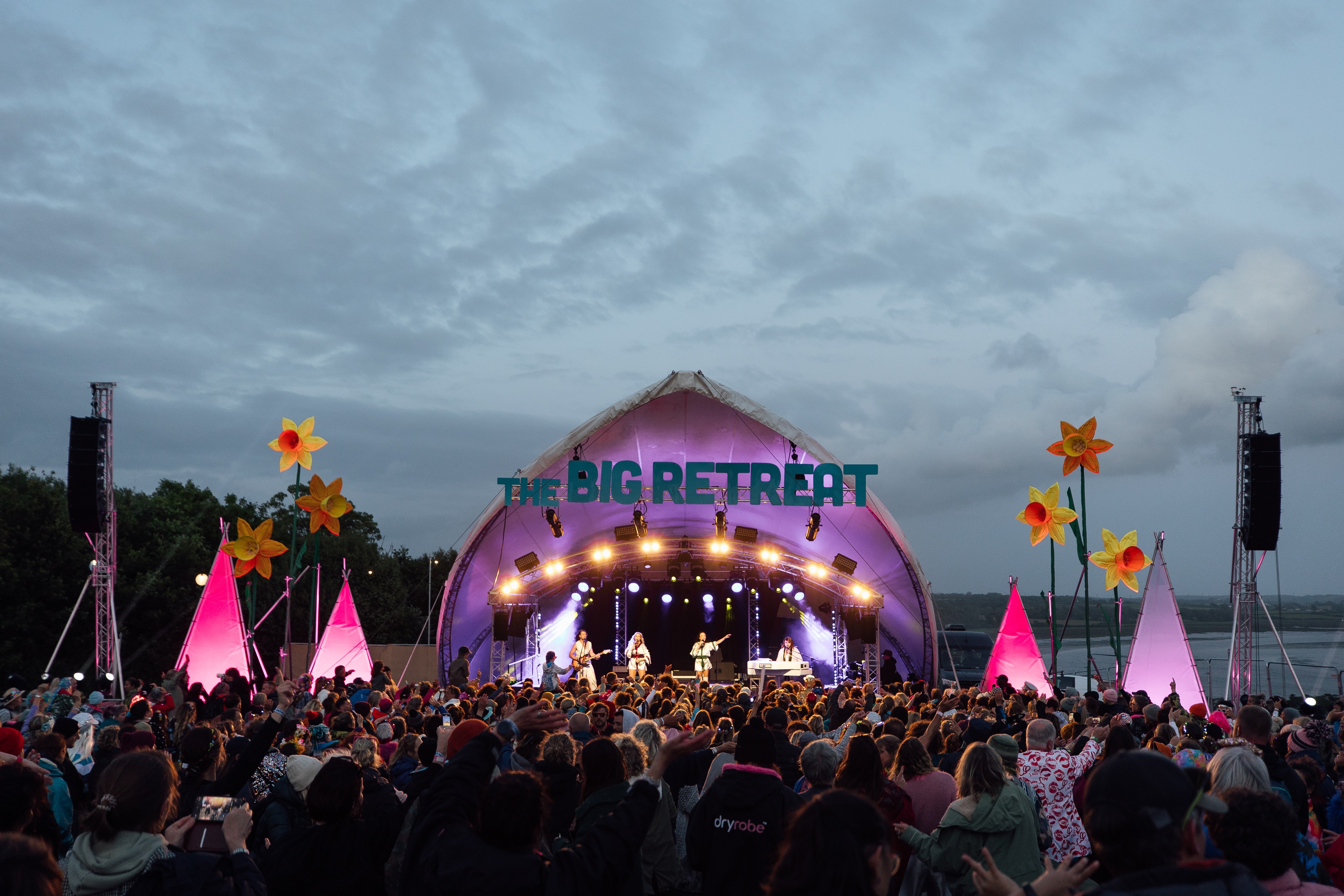
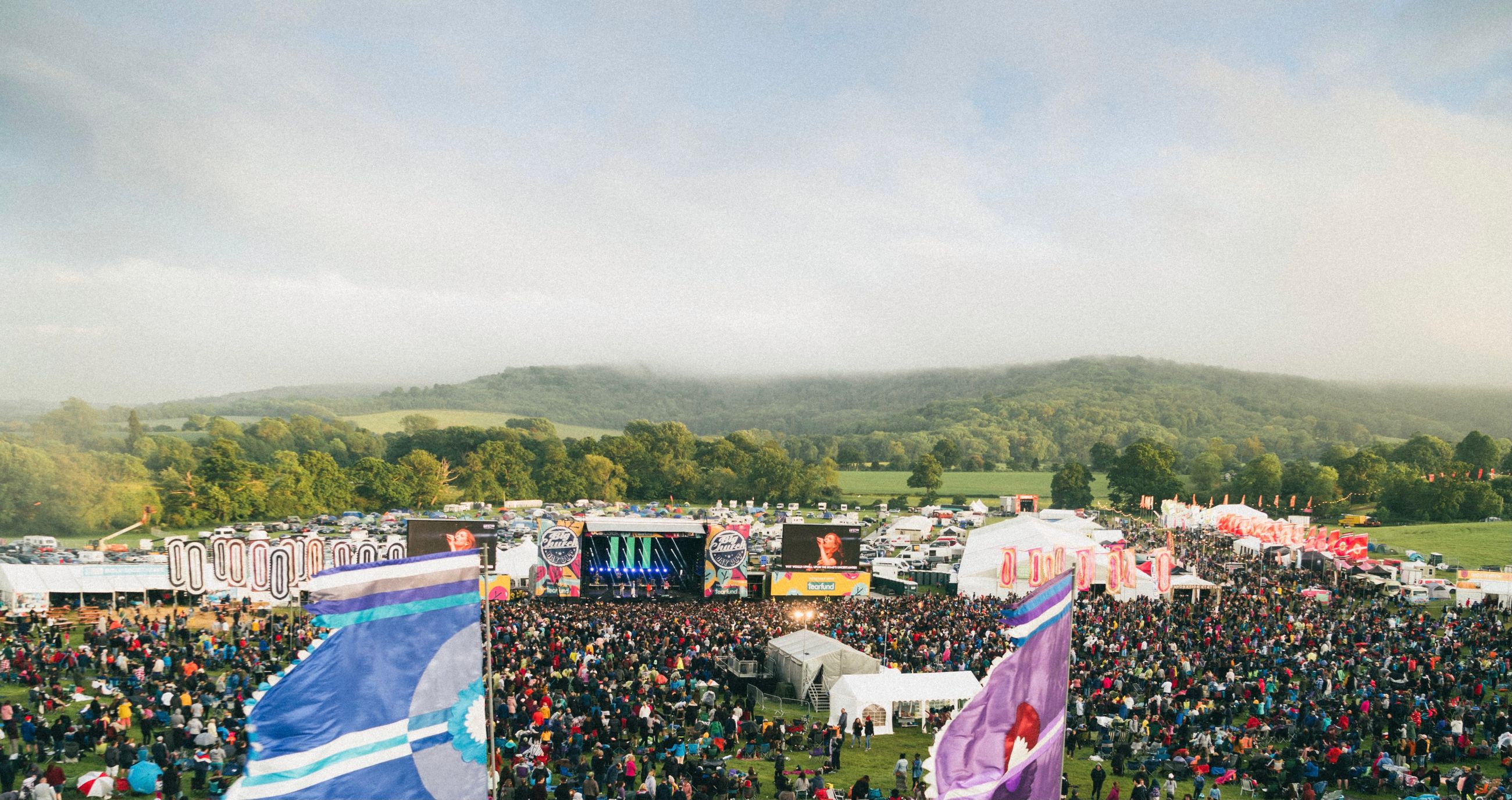
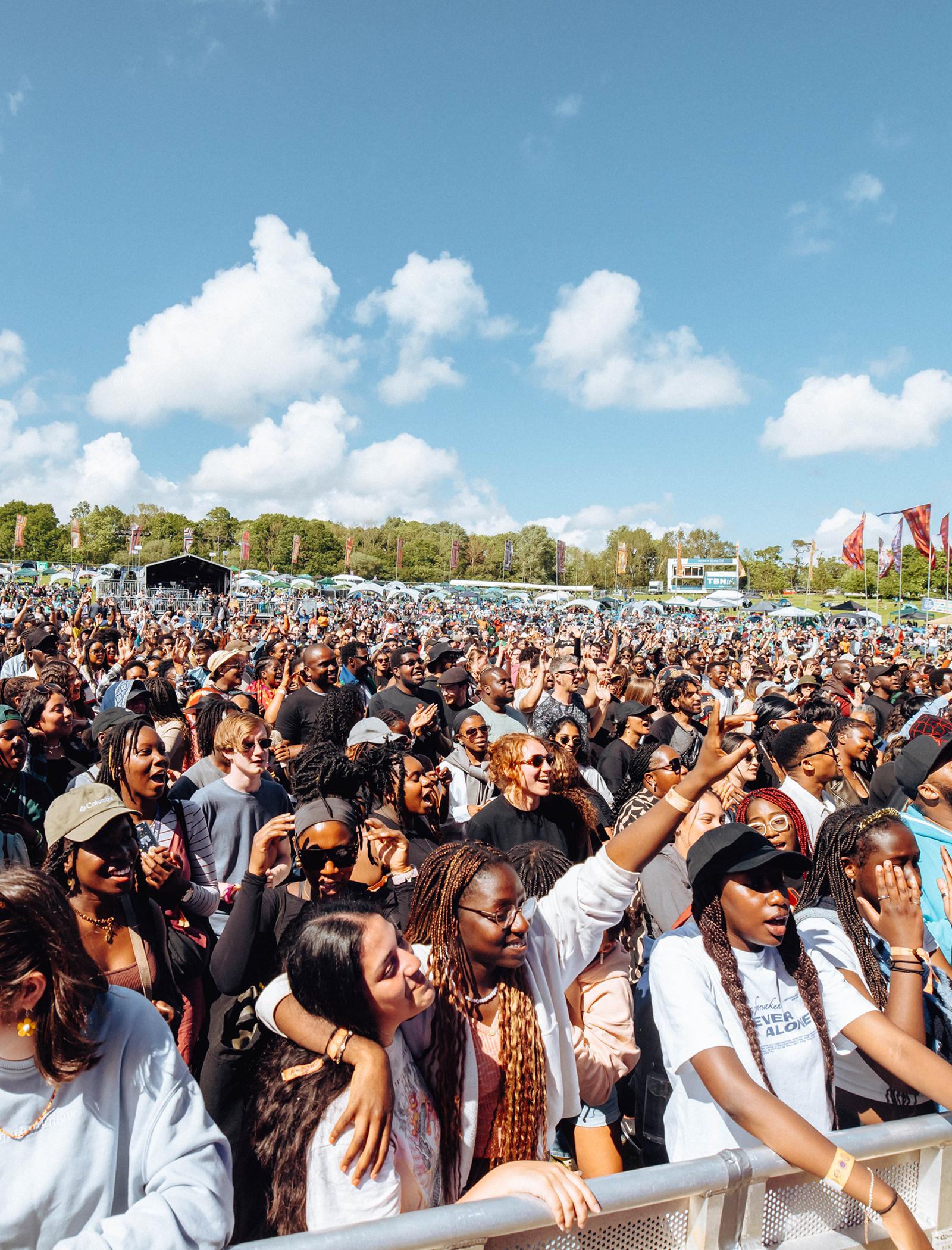
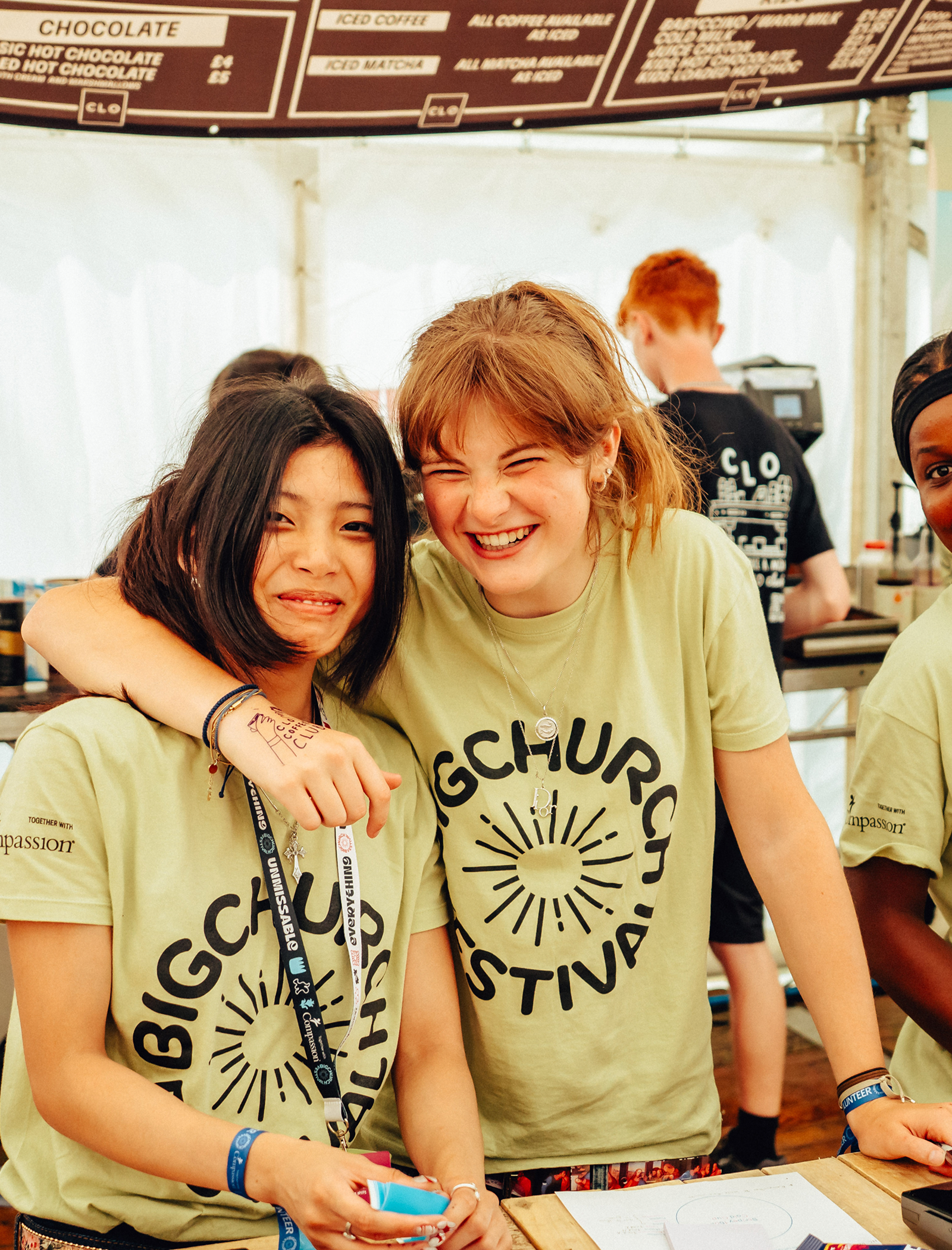
On this final Sunday of August, the big church festival 2026 has reached its logistical and spiritual zenith, drawing an estimated 4.8 million participants to central hubs across Europe and North America. Security analysts and urban planners confirm that the synchronized events representing the big church festival 2026 have officially become the largest coordinated religious gatherings of the decade, surpassing previous attendance benchmarks by 22%. As the sun sets on the final day of the "Great Assembly," the focus shifts from the sheer scale of the crowds to the long-term geopolitical and social implications of this massive mobilization.
Quick Facts: Big Church Festival 2026 Overview
| Metric | Confirmed Data / Current Estimates | Status |
|---|---|---|
| Total Global Attendance | 4.8 Million (On-site) / 45 Million (Virtual) | Record Breaking |
| Primary Hubs | Rome, Jerusalem, Nashville, Seoul | Active |
| Economic Impact | $2.4 Billion USD (Estimated) | Surging |
| Technological Integration | AI-Translation & Starlink Mesh Networks | Fully Operational |
| Security Tier | Level 4 Inter-Agency Coordination | Incident Free |
The Catalyst: Why the Big Church Festival 2026 is Surging Now
Observing the current market trend in "Faith-Tech" and mass-gathering logistics reveals that the big church festival 2026 was not a spontaneous occurrence. It is the result of a multi-year strategy by the Global Ecumenical Council to revitalize physical attendance in a post-digital age. Reports from the field indicate that the "Hyper-Local/Global-Mass" model used this year allowed smaller parishes to link directly into the main festival feeds, creating a seamless experience.
The surge in interest is largely attributed to the "Crisis of Connection" identified by sociologists in early 2025. As digital fatigue reached a breaking point, the big church festival 2026 offered a tangible, sensory-heavy alternative that emphasized physical presence over screen-based interaction. This "Tactile Faith" movement has seen a 40% increase in participation among Gen Z and Gen Alpha demographics compared to the 2022-2024 period.
Logistical insiders suggest that the implementation of "Smart-Pilgrimage" apps has mitigated the traditional bottlenecks associated with such large-scale events. These apps utilize real-time crowd-density data to redirect foot traffic, ensuring that the big church festival 2026 avoided the crushing incidents that plagued large gatherings in the early 2020s.
Expert Analysis & Implications: The Ripple Effect of Mass Faith Gatherings
From a geopolitical standpoint, the big church festival 2026 serves as a significant soft-power display. Senior diplomatic correspondents note that the coordination between the Vatican, the World Council of Churches, and various Global South evangelical networks represents a rare moment of institutional unity. This alignment allows these entities to lobby more effectively on international issues such as debt relief and climate migration.
The economic impact of the big church festival 2026 is equally profound, particularly for the hospitality and transportation sectors. In Rome and Nashville, hotel occupancy has remained at a steady 98% for fourteen consecutive days, a phenomenon usually reserved for the Olympic Games. This "Festival Economy" has injected billions into local infrastructures, though critics argue that the environmental cost of such mass travel remains a significant hurdle for future planning.
Beyond the numbers, the "Information Gain" from this event lies in the data being harvested. Organizers are using anonymized sentiment analysis to gauge the global "spiritual climate." Initial findings from the big church festival 2026 indicate a massive shift toward "Action-Oriented Theology," where participants are less interested in doctrine and more focused on community-led social reform.
Consumer Guide: Accessing Post-Event Content and Ongoing Sessions
For those unable to attend the physical locations of the big church festival 2026, the digital ecosystem remains active. The "Great Assembly" has transitioned into a decentralized archival mode, allowing for on-demand access to the thousands of workshops and keynote addresses.
- Official Streaming Portal: Use the "Ecumenical Cloud" app for 8K VR replays of the mainstage events.
- Localized Small Groups: Access the "Festival Map" to find regional "Echo Sites" where the discussions from the big church festival 2026 are continuing in a local context.
- Security & Verification: Ensure all donations or "Digital Tithes" are processed through the official blockchain-verified portal to avoid the surge in phishing scams targeting festival-goers.
The logistical framework of the big church festival 2026 also provides a blueprint for future large-scale events. The "Hub-and-Spoke" transit model, which utilized high-speed rail and autonomous shuttle fleets, has been lauded by the International Transport Forum as a success. Attendees can still access their "Digital Pilgrim Pass" for discounted travel back to major international airports through September 5.
The Road Ahead: The Legacy of 2026 and the 2027 Preview
As the big church festival 2026 concludes, industry monitors are already looking toward the 2027 cycle. The "Information Gain" from this year’s data suggests that the next major gathering will likely be even more decentralized. Speculation from official sources indicates that the 2027 focus will shift toward the "Home Church" movement, utilizing augmented reality to bring the scale of a cathedral into a living room.
The success of the big church festival 2026 has also sparked a debate regarding the role of AI in religious services. During the Nashville keynote, a real-time AI translator enabled a speaker to address the crowd in 140 languages simultaneously with zero latency. This technology is expected to become the standard for all international religious events moving forward.
Finally, the social momentum generated by the big church festival 2026 is expected to manifest in a series of global "Action Days" scheduled for late October. These events will focus on the practical application of the summit's themes. The "2026 Effect" will likely be measured by the success of these grassroots initiatives rather than the record-breaking attendance of the festival itself.