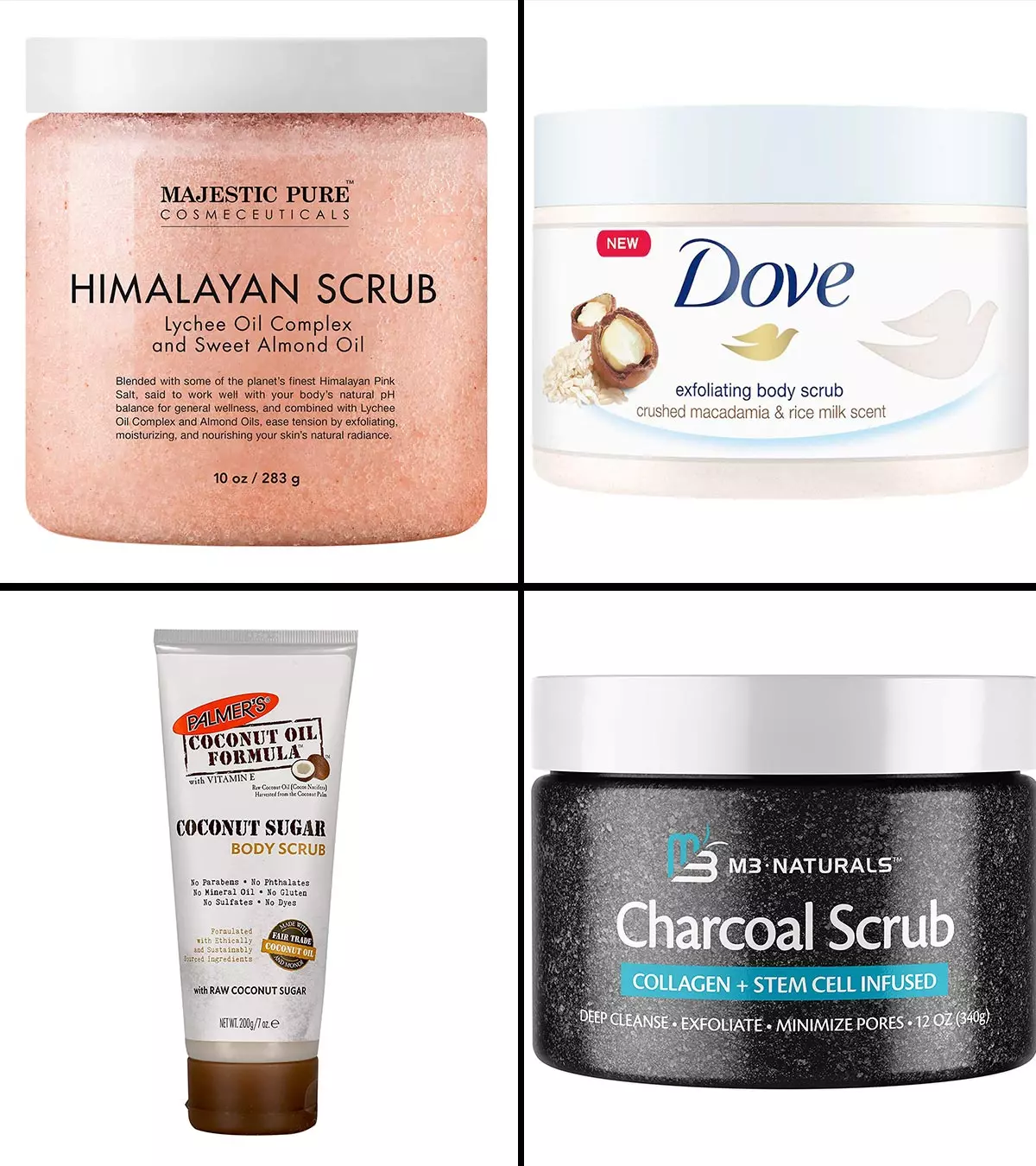
The best body scrub to remove dead skin depends on your specific skin type and sensitivity, but the most effective options in 2026 utilize a "hybrid" approach combining physical exfoliants like fine sugar or salt with chemical exfoliants like Alpha Hydroxy Acids (AHAs). These formulas ensure thorough removal of dulling buildup while supporting the skin’s natural moisture barrier and cellular turnover.
The Biological Importance of Removing Dead Skin
Our skin is a dynamic organ that undergoes a continuous process called desquamation. In a healthy cycle, new skin cells are produced in the deeper layers of the epidermis and migrate to the surface, where they eventually die and shed. In a perfect environment, this cycle takes approximately 28 to 40 days. However, factors such as age, environmental pollutants, UV exposure, and hormonal fluctuations can slow this process down.
When dead skin cells (corneocytes) do not shed efficiently, they accumulate on the surface. This buildup leads to a variety of dermatological concerns, including a dull, ashy complexion, rough texture, and "strawberry skin" (keratosis pilaris). Furthermore, a layer of dead cells acts as a barrier that prevents expensive moisturizers and serums from penetrating the skin effectively. Utilizing a high-quality body scrub facilitates the removal of these superficial layers, instantly improving texture and allowing for better absorption of topical treatments.
Categorizing the Best Body Scrubs: Mechanical vs. Chemical
To choose the right product, it is vital to understand the two primary mechanisms of exfoliation available in 2026 skincare formulations.
Mechanical (Physical) Exfoliants
Mechanical exfoliation involves the use of granules or tools to manually friction off dead skin. Common ingredients include:
- Sugar: Generally gentler because the granules are rounder and dissolve in water. Sugar is also a natural humectant, meaning it helps pull moisture into the skin.
- Salt: Sea salt or Epsom salt provides a more vigorous exfoliation. These are rich in minerals but can be stinging on freshly shaved skin or minor cuts.
- Coffee Grounds: Popular for their antioxidant content and the temporary "tightening" effect of caffeine on the skin's surface.
- Biodegradable Beads: In 2026, the industry has entirely moved away from plastic microbeads in favor of jojoba esters or cellulose-based spheres that provide smooth, non-abrasive friction.
Chemical Exfoliants
Chemical exfoliation uses acids or enzymes to dissolve the "glue" (desmosomes) that holds dead skin cells together.
- AHAs (Alpha Hydroxy Acids): Includes Glycolic and Lactic acid. These are water-soluble and excellent for surface-level brightening and hydration.
- BHAs (Beta Hydroxy Acids): Primarily Salicylic acid. Because it is oil-soluble, it can penetrate into the pores, making it the gold standard for body acne.
- PHAs (Polyhydroxy Acids): A newer generation of acids with larger molecular sizes that exfoliate the surface without causing the irritation often associated with AHAs.
Top Picks for 2026 Based on Skin Concerns
When selecting the "best" scrub, one size does not fit all. The following categories represent the top-performing formulations currently available for specific skin needs.
1. Best for Keratosis Pilaris (KP) and Rough Bumps
For those dealing with "chicken skin" or clogged follicles, a scrub containing Salicylic acid is essential. The leading picks in 2026 often combine 2% BHA with physical pumice. This dual-action approach manually smooths the bump while the acid clears the keratin plug inside the pore.
2. Best for Very Dry or Dehydrated Skin
Dry skin requires an exfoliant that adds moisture rather than stripping it. Look for oil-based sugar scrubs containing Shea butter, almond oil, or squalane. These products leave a thin, occlusive layer on the skin after rinsing, which prevents Trans-Epidermal Water Loss (TEWL).
3. Best for Sensitive Skin
If your skin turns red easily, avoid large salt crystals. The top picks for sensitive individuals utilize lactic acid (the gentlest AHA) combined with very fine rice powder or colloidal oatmeal. These ingredients soothe the skin while providing a mild polishing effect.
4. Best for Body Acne and Oily Shoulders
For acne-prone areas, a "clean-rinsing" scrub is mandatory. Avoid heavy oils that can clog pores (comedogenic ingredients). Instead, opt for a gel-based scrub featuring charcoal or tea tree oil along with chemical exfoliants to regulate sebum production.
2026 Comparison Table: Top Scrub Formulations
| Product Type | Primary Exfoliant | Best For | Key Benefit | Intensity |
|---|---|---|---|---|
| Hybrid AHA Scrub | Glycolic Acid + Sugar | Dullness & Aging | Brightens skin tone | Medium |
| BHA Therapy Scrub | Salicylic Acid + Pumice | Keratosis Pilaris (KP) | Unclogs pores | High |
| Moisturizing Oil Scrub | Fine Sugar + Shea Butter | Dry/Flaky Skin | Intense hydration | Low/Medium |
| Enzymatic Gel | Papaya/Pineapple Enzymes | Sensitive Skin | No-friction removal | Very Low |
| Mineral Salt Scrub | Dead Sea Salt | Athletes/Body Detox | Muscle relaxation | Very High |
How to Correctly Exfoliate Your Body
Proper technique is just as important as the product itself. Over-exfoliation can damage the skin barrier, leading to inflammation and increased sensitivity.
- Preparation: Soak in warm water for at least 5-10 minutes. This softens the dead skin cells, making them easier to remove.
- Application: Apply the scrub in gentle, circular motions. Start at your feet and move upward toward the heart. This "upward" motion also helps stimulate lymphatic drainage.
- Pressure Control: Let the granules do the work. Pressing too hard can cause micro-tears in the skin, especially with salt-based scrubs.
- Targeting Rough Areas: Spend extra time on elbows, knees, and heels, where the stratum corneum (the outermost layer of skin) is naturally thicker.
- Rinsing and Post-Care: Rinse with lukewarm water. Immediately after patting dry, apply a high-quality body lotion or oil to seal in moisture. Because exfoliation removes the protective layer of dead cells, your skin is more vulnerable to the sun; always apply SPF if the exfoliated area will be exposed.
Common Mistakes and Safety Considerations
While body scrubbing is generally safe, there are specific scenarios where it should be avoided.
- Frequency: Most dermatologists in 2026 recommend exfoliating 2–3 times per week. Daily scrubbing is unnecessary and can lead to chronic redness and a compromised barrier.
- Compromised Skin: Never use a body scrub on sunburned skin, open cuts, or active eczema flares. This will cause further trauma and delay healing.
- Face vs. Body: Do not use a body scrub on your face. The skin on the body is significantly thicker than facial skin. The large granules found in many body scrubs are far too abrasive for the delicate facial epidermis and can cause capillary damage.
- Sun Sensitivity: Be aware that chemical exfoliants (especially AHAs) increase photosensitivity. If you use a chemical body scrub, you must be diligent with sunscreen for at least a week following the treatment.
Ingredient Facts and Environmental Impact
In 2026, the "clean beauty" movement has evolved into "performance beauty." This means consumers are looking for ingredients that are both sustainable and scientifically backed.
- Sustainability: Look for scrubs packaged in post-consumer recycled (PCR) plastic or glass. In 2026, many brands offer "refill pouches" to reduce the carbon footprint associated with heavy glass jars.
- Niacinamide: Often added to modern scrubs, this form of Vitamin B3 helps strengthen the skin barrier and even out skin tone post-exfoliation.
- Probiotics: Some high-end scrubs now include prebiotic or probiotic lysates to help balance the skin's microbiome, which can be disrupted during the scrubbing process.
Practical Recommendation for Starting a Routine
To achieve the best results, start by identifying your primary skin goal. If you want a "glow" for a special event, a sugar scrub with Vitamin C is your best option for immediate brightening. If you are focused on long-term skin health and smoothing texture, invest in a hybrid AHA/BHA scrub and use it twice weekly.
Always perform a patch test on a small area of your leg before applying a new product to your entire body. If no irritation occurs within 24 hours, you can safely proceed. Consistency is the secret to maintaining smooth skin; occasional scrubbing provides temporary results, but a disciplined routine ensures a healthy, radiant complexion year-round.
Frequently Asked Questions
How often should I use a body scrub to see results?
For most skin types, using a body scrub 2 to 3 times per week is the optimal frequency. This schedule allows enough time for the skin barrier to recover between sessions while preventing the accumulation of dead skin cells. Those with very oily skin may tolerate more frequent use, while those with sensitive skin should limit exfoliation to once a week.
Can I use a body scrub if I have sensitive skin?
Yes, but you must choose the right formulation. Avoid coarse salt or large nut-shell fragments, which can be too abrasive. Instead, look for scrubs with fine sugar, jojoba esters, or chemical exfoliants like lactic acid or PHAs. These provide a gentler way to remove dead skin without causing micro-tears or excessive redness.
Should I exfoliate before or after shaving?
It is generally recommended to exfoliate before shaving. Scrubbing helps lift hair away from the skin and removes the dead cells that might otherwise clog your razor. This leads to a closer shave and significantly reduces the risk of ingrown hairs. However, avoid exfoliating immediately after shaving, as the skin is already sensitized and the scrub may cause stinging.
Do body scrubs help with cellulite?
While a body scrub cannot eliminate cellulite (which is a structural issue involving fat cells and connective tissue), it can temporarily improve the appearance of the skin. The massaging action of scrubbing increases blood circulation and lymphatic drainage, while ingredients like caffeine can temporarily dehydrate fat cells, making the skin look firmer and smoother for a short period.
Is it better to use a scrub on wet or dry skin?
For most products, using them on wet skin in the shower is best as the water provides lubrication and helps dissolve the granules slightly, making the process gentler. However, some "dry-scrubbing" enthusiasts apply product to slightly damp skin for a more intense exfoliation. If you have sensitive skin, always stick to wet application.