The digital landscape of 2026 has fundamentally shifted the definition of "b2b com" from a simple domain to a comprehensive architectural standard for global trade. As enterprise procurement becomes increasingly autonomous, the platforms facilitating these transactions must move beyond static catalogs toward dynamic, AI-orchestrated ecosystems. This evolution is driven by the necessity for real-time data transparency, hyper-personalized buyer journeys, and seamless integration across fragmented supply chains.
The current market demands a sophisticated blend of high-performance infrastructure and intuitive user experiences. In 2026, the global B2B e-commerce market is projected to surpass $36 trillion, with over 85% of procurement cycles initiating through digital-first channels. This paradigm shift requires a deep understanding of the technical and strategic frameworks that define the modern B2B interface.
The Architectural Foundation of Modern B2B Platforms
In 2026, high-performing B2B platforms have moved away from monolithic structures in favor of MACH (Microservices, API-first, Cloud-native, and Headless) architecture. This shift allows for the agility required to update specific components—such as pricing engines or inventory trackers—without disrupting the entire ecosystem.
Technical Specification: The API-First Mandate Successful B2B.com implementations now rely on GraphQL and advanced RESTful APIs to facilitate "headless" commerce. This allows the backend logic to remain consistent while the frontend (the "head") is tailored for various touchpoints, including mobile apps, IoT-enabled procurement sensors, and traditional web portals. This decoupling ensures that site speed remains optimal even when processing massive datasets involving hundreds of thousands of SKUs and complex customer-specific pricing tiers.
Furthermore, ERP (Enterprise Resource Planning) integration has reached a level of near-instantaneous synchronization. Modern B2B systems utilize Webhooks and event-driven architectures to ensure that when a pallet leaves a warehouse in Rotterdam, the inventory levels reflect that change across all global storefronts within milliseconds.
AI-Driven Procurement and Predictive Analytics
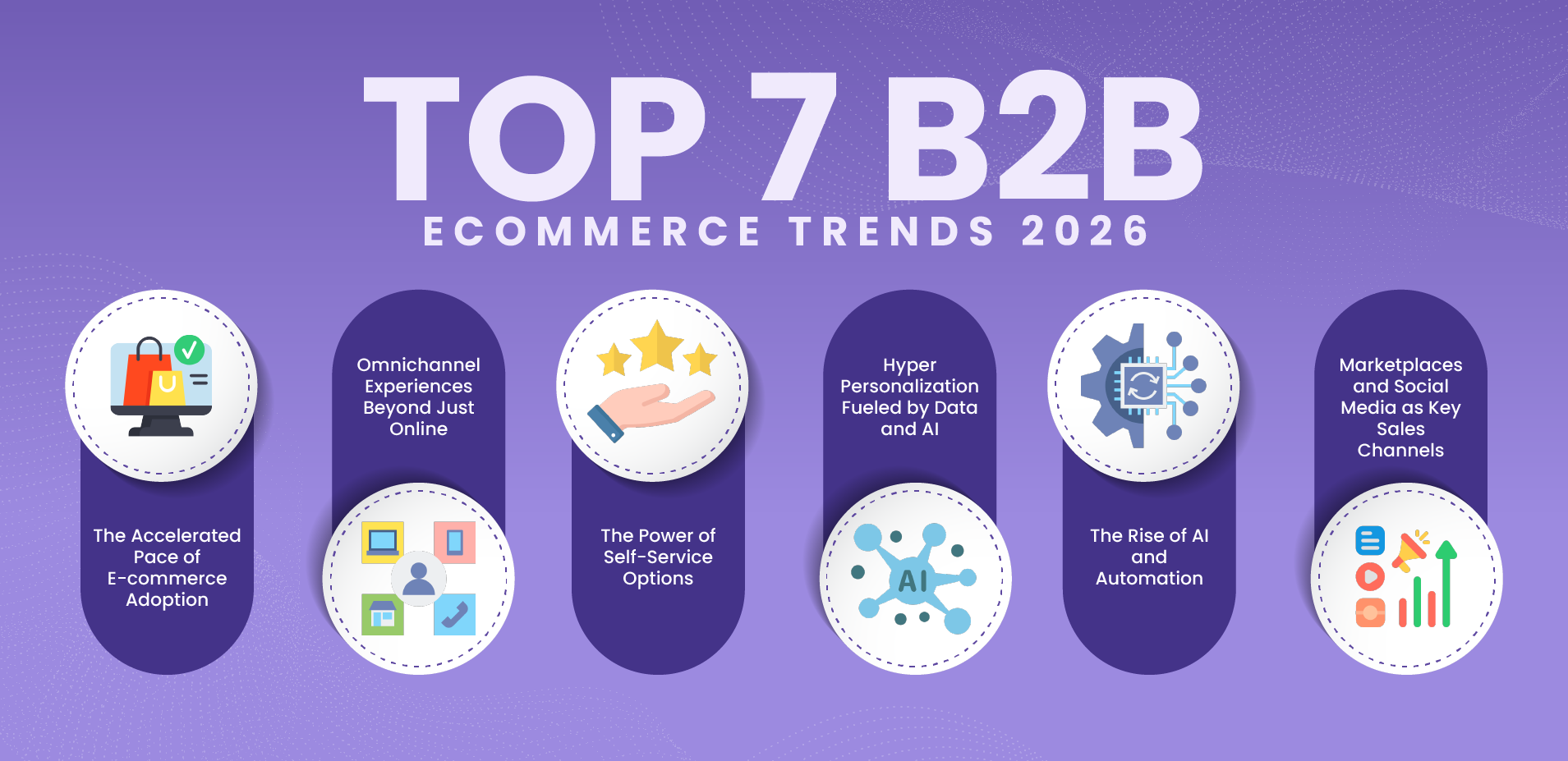
Artificial Intelligence is no longer a peripheral feature; by 2026, it is the engine driving B2B.com functionality. Predictive analytics allow platforms to anticipate stock shortages before they occur, suggesting alternative vendors or automated reorder triggers based on historical consumption patterns and geopolitical risk factors.
- Dynamic Pricing Engines: Algorithms now analyze market demand, competitor pricing, and shipping costs in real-time to offer customized quotes to individual buyers.
- Generative AI Support: Natural Language Processing (NLP) enables buyers to query complex technical manuals or request custom configurations through conversational interfaces, reducing the burden on sales teams.
- Visual Search and AR: Industrial buyers utilize augmented reality (AR) to visualize how machinery parts fit into existing configurations before placing an order.
The integration of these technologies has reduced the average B2B sales cycle by 40% compared to 2024 standards, as buyers find the information they need without manual intervention.
Comparison of Leading B2B E-Commerce Frameworks in 2026
Choosing the right platform is critical for achieving the scale associated with a B2B.com enterprise. The following table compares the top three architectural models currently dominating the enterprise sector.
| Platform Model | Primary Advantage (2026) | Technical Complexity | Ideal Use Case |
|---|---|---|---|
| MACH-Based Headless | Infinite scalability and front-end flexibility. | Very High | Global conglomerates with multi-brand requirements. |
| Integrated SaaS (PaaS) | Rapid deployment with pre-built ERP connectors. | Moderate | Mid-to-large enterprises seeking standardized workflows. |
| Open Source Modular | Total data sovereignty and customization. | High | Highly specialized industries (e.g., Aerospace, Defense). |
| Marketplace Aggregators | Immediate access to a massive global buyer pool. | Low | Small-to-medium manufacturers seeking rapid export growth. |
Implementation Strategy: Transitioning to an Enterprise B2B.com Model
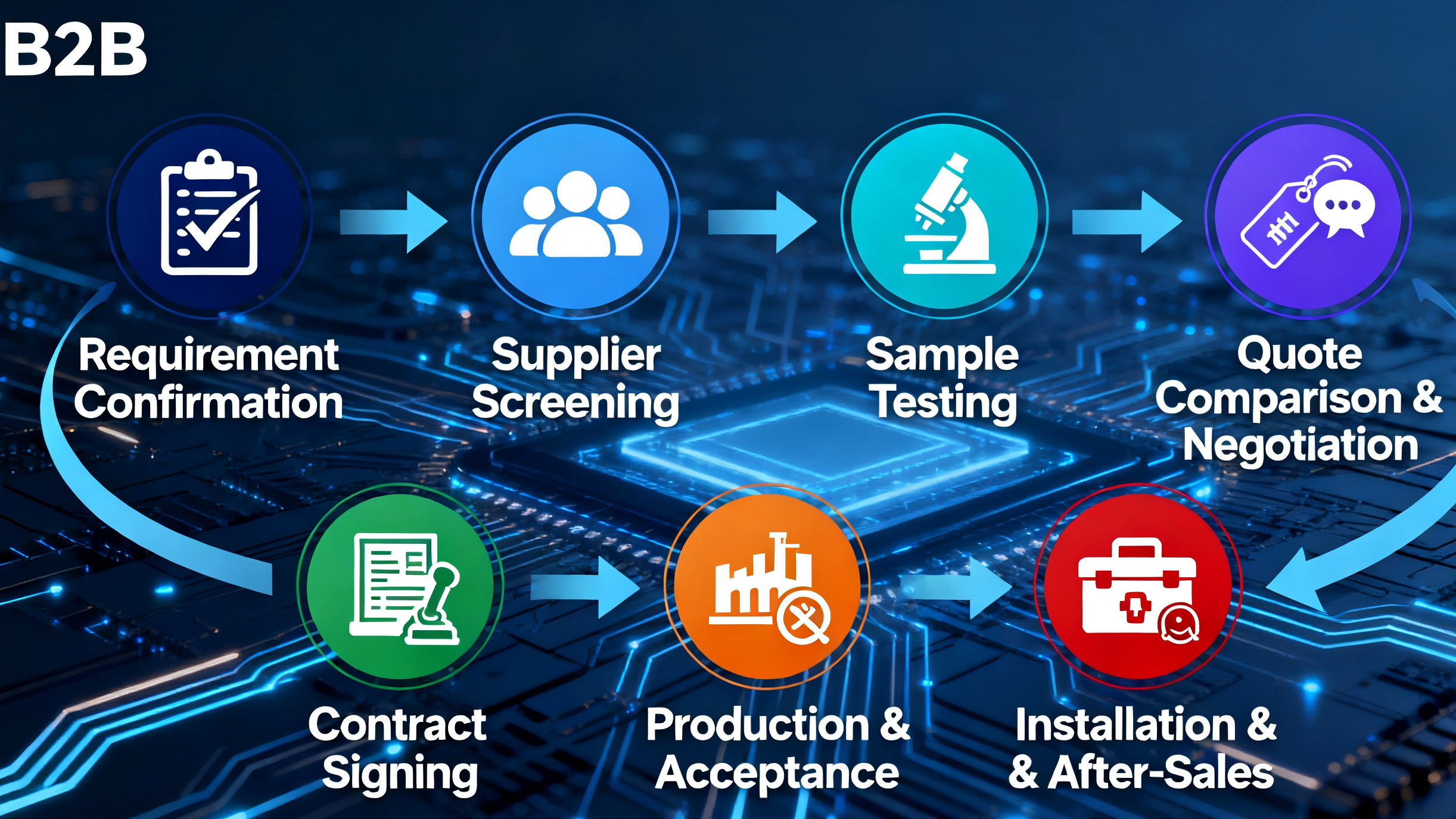
Migrating to a 2026-standard B2B platform requires a disciplined, multi-phase approach. The focus must be on data integrity and user adoption, as technical excellence is moot if the procurement team finds the interface cumbersome.
- Data Harmonization and Cleansing: Before migration, all product data must be standardized. This includes normalizing units of measure, high-resolution 3D asset generation, and ensuring all technical specifications meet international ISO standards.
- API Mapping and ERP Integration: Map out the data flow between the web interface and the core ERP. This includes real-time tax calculation, shipping rate logic, and credit limit verification for long-term accounts.
- Customer-Specific Portal Development: Unlike B2C, B2B requires individual "micro-portals." Each major client should have a customized view showing their contracted pricing, order history, and specific approval workflows.
- Security and Compliance Audit: In 2026, data privacy regulations (like GDPR 2.0) are more stringent. Implement Zero-Trust Architecture and multi-factor authentication for all procurement roles to prevent supply chain fraud.
- Soft Launch and Feedback Loop: Deploy the platform to a select group of "Power Users" to identify friction points in the checkout process, specifically focusing on the complexity of bulk uploading purchase orders.
Critical Challenges and Mitigation Strategies
Operating at the scale of B2B.com involves significant risks that must be managed with technical precision.
Operational Reality: Managing Technical Debt Many enterprises fail because they attempt to wrap modern 2026 frontends around 15-year-old legacy databases. This "lipstick on a pig" approach leads to catastrophic failures during peak traffic. The solution is the "Strangler Fig" pattern: gradually replacing legacy functionalities with microservices until the old system is completely decommissioned.
Another significant challenge is the "Personalization Paradox." While buyers want personalized experiences, they are increasingly protective of their corporate data. By 2026, successful platforms utilize "Zero-Party Data"—information explicitly shared by the customer—to drive recommendations rather than relying on invasive tracking cookies.
The Role of Sustainability and ESG in Digital Trade
In 2026, a B2B platform's legitimacy is tied to its ability to track and report Environmental, Social, and Governance (ESG) metrics. Procurement leaders now require "Carbon-Per-Order" transparency at the point of purchase.
- Scope 3 Emissions Tracking: Platforms must calculate the carbon footprint of the entire logistics chain for every transaction.
- Supplier Diversity Verification: Automated badges and filters allow buyers to prioritize businesses that meet specific diversity or sustainability certifications.
- Circular Economy Integration: Advanced B2B portals now include modules for "Buy-Back" or "Refurbishment" programs, allowing companies to resell used industrial equipment back through the same ecosystem.
FAQ for B2B.com Enterprise Strategy
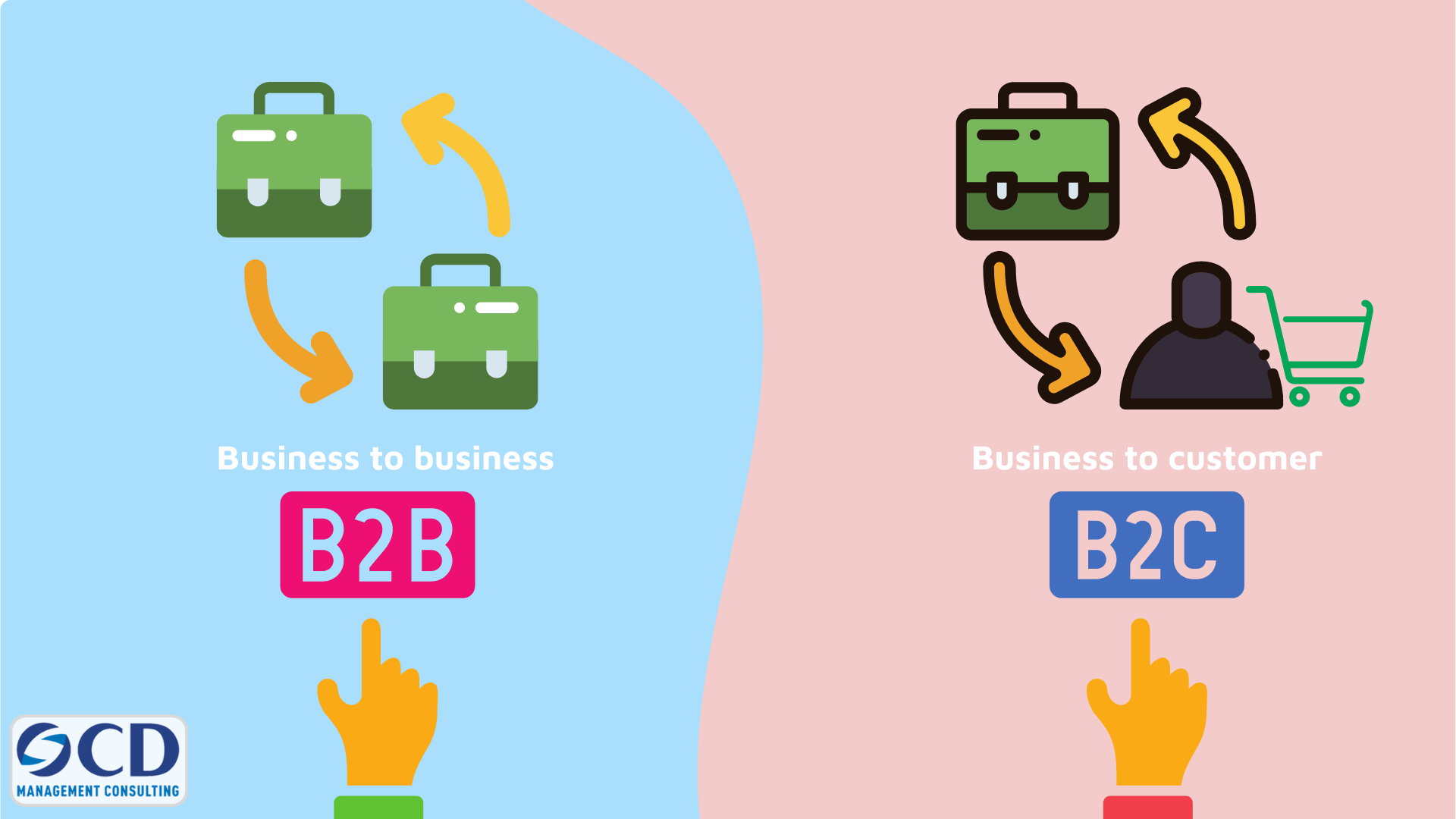
What is the primary difference between B2B and B2C platforms in 2026? B2B platforms focus on long-term relationships, bulk pricing, and complex approval hierarchies, whereas B2C focuses on immediate conversion and simplified checkout. In 2026, B2B systems must support multi-user accounts where a junior buyer places an order but a senior manager must digitally sign off before the transaction completes.
How does blockchain impact B2B transactions on these platforms? Blockchain is primarily used for Smart Contracts and immutable bill-of-lading tracking. It ensures that payment is automatically released from escrow only when the IoT-enabled sensors confirm the delivery and condition of goods at the destination.
Why is "Headless Commerce" considered the gold standard for B2B.com? Headless commerce allows businesses to deliver product data to any device or interface without rebuilding the backend. This is crucial for 2026's multi-modal trade, where a buyer might start an order on a smart glasses interface and finish it on a desktop workstation.
Can small manufacturers compete with large B2B marketplaces? Yes, by utilizing niche-specific B2B platforms that offer deeper technical integration and specialized logistics that generic marketplaces cannot match. Focus on "Vertical Excellence" rather than "Horizontal Volume."
What are the mandatory security standards for B2B platforms in 2026? Platforms must adhere to SOC 2 Type II, ISO 27001:2022, and regional mandates such as the EU's Digital Operational Resilience Act (DORA). End-to-end encryption for all EDI (Electronic Data Interchange) transmissions is a non-negotiable requirement.
Future-Proofing Your B2B Digital Presence
The move toward a fully realized B2B.com digital ecosystem is not a one-time project but a continuous cycle of optimization. As we move through 2026, the winners will be those who prioritize the reduction of friction in the procurement process while maintaining the highest standards of data security and sustainability reporting. By investing in MACH architecture and AI-driven insights today, enterprises can ensure they remain relevant in an era where the boundary between "business" and "digital platform" has entirely vanished.