This guide focuses exclusively on the retail operations, technical support centers, and authorized dealer networks of AT&T Inc. as they exist in 2026. It is designed to assist consumers and business clients in navigating physical service points for fiber optics, 5G-Advanced wireless, and integrated telecommunications solutions.
The retail landscape of 2026 has transformed the traditional storefront into a high-tech "Experience Center." AT&T store locations now serve as the primary physical touchpoint for a world increasingly reliant on hyper-connectivity. Whether you are troubleshooting a 10-Gig fiber connection, migrating a fleet of vehicles to FirstNet, or upgrading to the latest holographic-capable mobile device, understanding the nuances of the AT&T retail ecosystem is essential for efficient service.
Navigating the AT&T Retail Ecosystem in 2026
In 2026, AT&T has bifurcated its physical presence into several distinct categories to better serve diverse customer needs. Finding the nearest "AT&T store location" requires an understanding of what each site offers. Not every storefront provides the same level of technical support or inventory depth.
The strategy focuses on proximity and specialization. While urban centers feature flagship Experience Centers, suburban and rural areas are supported by a mix of Corporate-Owned Retail (COR) and Authorized Retailers (AR). For the consumer, the distinction often relates to the complexity of the transaction. Corporate stores are directly managed by AT&T and typically handle more complex account issues, such as deep-level billing disputes or specialized hardware troubleshooting. Authorized Retailers are independent businesses licensed to sell AT&T services and devices; they are excellent for standard upgrades and new activations but may have limitations regarding legacy account management.
Corporate Stores vs. Authorized Retailers: 2026 Service Matrix
Understanding where to go can save hours of time. The following table outlines the capabilities of different AT&T service points as of the 2026 fiscal year.
| Service Category | Corporate Store (COR) | Authorized Retailer (AR) | Specialized Tech Hub |
|---|---|---|---|
| New 5G-Advanced Activations | Full Support | Full Support | Limited / Business Only |
| Fiber-to-the-Premise (FTTP) Sales | Full Support | Full Support | Inquiry Only |
| Advanced Hardware Repair | On-site Technicians | Third-party Referral | Enterprise Level Only |
| FirstNet Primary Subscriber Support | Certified Specialists | Limited Support | Priority Support |
| eSIM 2.0 Troubleshooting | Deep Technical Access | Basic Troubleshooting | Comprehensive |
| Legacy Account Reconciliation | High Authority | Low/No Authority | None |
| Business/Enterprise Solutions | Dedicated Desks | General Staff | Dedicated Account Managers |
Specialized Services Offered at Modern AT&T Store Locations
The 2026 retail model emphasizes hands-on interaction with the AT&T ecosystem. Beyond merely selling handsets, these locations act as showrooms for the integrated digital life.
1. AT&T Fiber and Multi-Gigabit Networking
As AT&T continues its 2026 fiber expansion, store locations have become the primary site for demonstrating the difference between standard broadband and 10-Gigabit symmetrical speeds. Customers can interact with the latest Optical Network Terminals (ONT) and Wi-Fi 7 mesh systems. These stores often feature "Smart Home Zones" where users can test how fiber-backed low latency affects cloud gaming, 8K streaming, and real-time AR/VR environments.
2. 5G-Advanced and The Rise of RedCap Devices
With 5G-Advanced fully deployed across major metropolitan areas in 2026, AT&T stores provide specialized support for "Reduced Capability" (RedCap) devices. These include wearable tech, smart sensors, and affordable IoT devices that utilize the 5G network without the battery drain of full-spec modems. Store specialists help customers choose the correct data plans for these emerging device categories.
3. FirstNet and Public Safety Support
A critical component of many AT&T store locations is the FirstNet portal. As the sole provider for the FirstNet Authority, AT&T maintains dedicated sections for first responders. In 2026, these sections offer specialized ruggedized hardware, Band 14 testing, and priority pre-emption setup for verified police, fire, and EMS personnel.
4. Business and Remote Work Solutions
Small and Medium Businesses (SMBs) often utilize local AT&T stores for "Office-in-a-Box" solutions. This includes dedicated internet backup systems (LTE/5G failover) and unified communication platforms. Store locations in 2026 often have a dedicated Business Specialist who can visit a client's site or host a consultation within the store's private meeting rooms.
Optimizing Your Visit: A Step-by-Step Guide
To ensure the most efficient experience at an AT&T store location in 2026, following a standardized protocol is recommended.
- Use the AT&T Store Locator Tool: Access the official digital locator via the mobile app or website. Filter by "Service Needed" (e.g., Fiber support, FirstNet, or Business) to ensure the location can handle your specific request.
- Schedule a Virtual Queue or Appointment: By 2026, walk-ins are still accepted but may face significant wait times. Using the "Check-In" feature on the app allows you to secure a place in the virtual queue before you even leave your house.
- Prepare Digital Identification: Ensure your digital ID or traditional government-issued photo ID is ready. AT&T’s 2026 security protocols require multi-factor authentication (MFA) for any account changes performed in person.
- Back Up Your Data: If you are visiting for a hardware upgrade or repair, ensure all cloud backups (iCloud, Google One, or AT&T Personal Cloud) are current. While stores offer data transfer services, the move to eSIM 2.0 and high-capacity storage makes pre-visit backups a significant time-saver.
Troubleshooting and Technical Support at Retail Outlets
While AT&T store locations are excellent for many tasks, they are not universal repair centers. Technical support in-store is generally limited to software-level troubleshooting, device setup, and hardware swaps for insured devices.
Expert Insight: Hardware vs. Software
If your device has significant physical damage, such as a shattered screen or water ingress, most AT&T locations will facilitate an insurance claim through a third-party provider rather than performing the repair on-site. However, for connectivity issues related to the 5G-Advanced network or fiber ONT configuration, the in-store "Tech Bar" is the most effective resource for real-time diagnostics.
If you are experiencing network outages, it is often more effective to use the AT&T Smart Home Manager app to run remote diagnostics before visiting a physical store. Store locations are best utilized when the issue is localized to a specific piece of hardware or requires a physical SIM/eSIM credential reset that cannot be handled over the phone.
Regional Availability and Infrastructure Realities
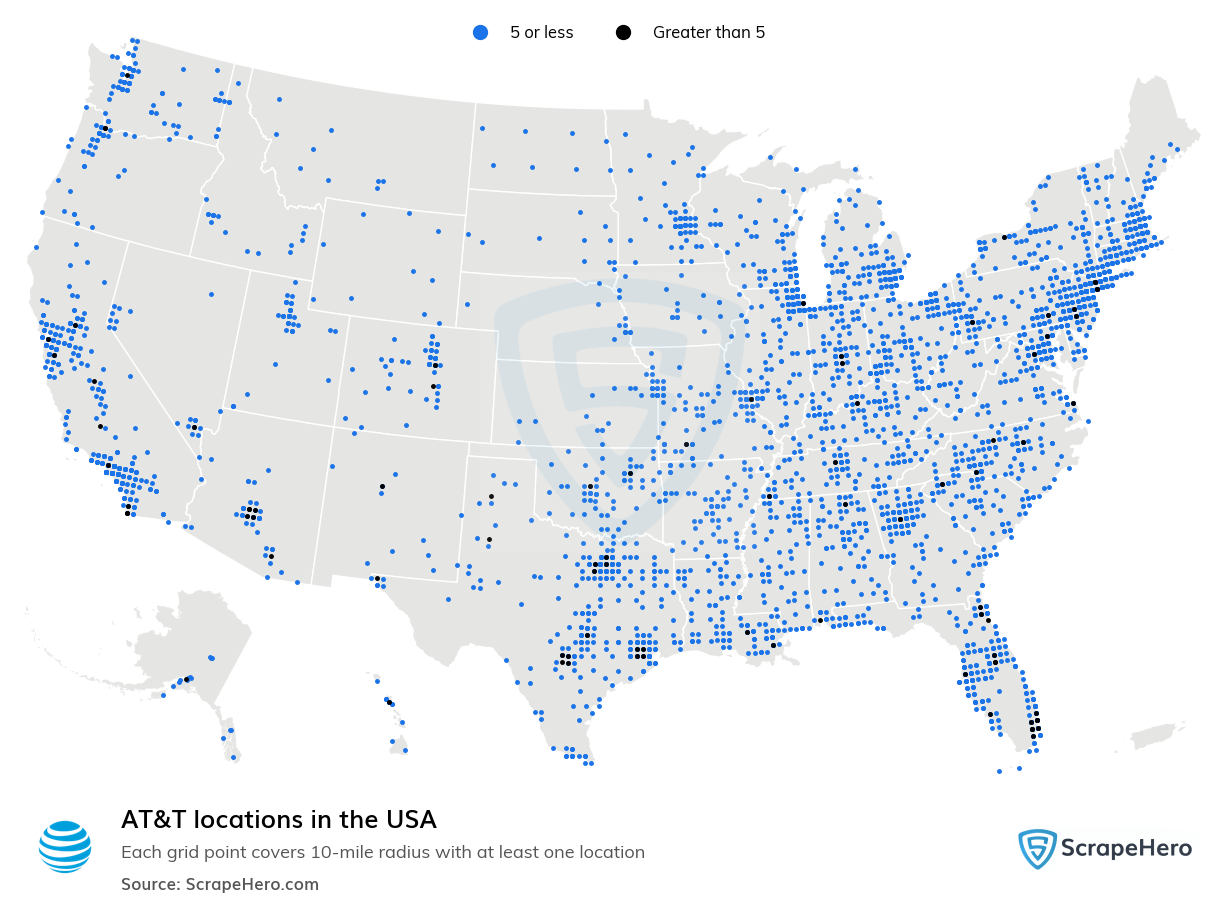
In 2026, the density of AT&T store locations correlates heavily with the rollout of Fiber and 5G-Advanced "Ultra-Reliable Low-Latency Communication" (URLLC) zones.
- Urban Hubs: Expect large-scale Experience Centers in cities like Houston, Chicago, and Atlanta. These locations offer the full suite of services, including enterprise-grade consulting.
- Suburban Growth: In rapidly expanding areas, AT&T has deployed "Pop-Up" modular stores and Authorized Retailers to keep pace with new housing developments that are being built with pre-installed AT&T Fiber.
- Rural Presence: In 2026, rural support is often delivered via "Mobile Retail Units" or through partnerships with local electronics retailers, focusing on 5G fixed wireless access (Internet Air) and satellite-to-cell emergency services.
Pros and Cons of Visiting an AT&T Store Location
The Benefits of In-Person Service
Hands-On Experience: You can physically test the ergonomics and display quality of the newest 2026 flagship devices before committing to a 36-month installment plan.
Immediate Hardware Fulfillment: In many cases, you can walk out with a new device or a replacement gateway the same day, avoiding shipping delays.
Expert Consultation: Complex account structures, such as combining fiber, wireless, and business lines, are often easier to manage with a human agent who can navigate the back-end systems.
The Drawbacks of In-Person Service
Wait Times: During peak hours or major device launches, wait times can exceed one hour without an appointment.
Inventory Variance: Smaller authorized retailers may not stock the full range of colors or storage capacities for every device model.
Sales Pressure: Physical locations are retail environments; staff are trained to suggest additional services or accessories that may not be strictly necessary for your primary goal.
Frequently Asked Questions
How do I find an AT&T store that supports FirstNet?
Most corporate-owned AT&T store locations are fully certified to handle FirstNet accounts, but it is best to use the online locator and filter specifically for "FirstNet Authorized" sites. These locations have staff trained in the specific verification requirements for public safety personnel and can issue FirstNet-specific SIM cards.
Can I return equipment at any AT&T store location?
No, equipment returns—specifically for Fiber gateways and U-verse hardware—are generally handled through authorized shipping partners like The UPS Store or FedEx Office. However, mobile devices purchased in-store can usually be returned to the same location within the 14-day return window, though a restocking fee typically applies.
Do AT&T stores offer technical support for third-party apps?
AT&T store staff focus on network connectivity and hardware functionality. While they can assist with account-related apps like MyAT&T or Smart Home Manager, they are not authorized to provide technical support for third-party social media, banking, or enterprise software beyond basic installation.
Is an appointment required to visit an AT&T store in 2026?
While not strictly mandatory, appointments are highly encouraged in 2026 to ensure a dedicated consultant is available. You can schedule an appointment via the AT&T website, the mobile app, or by calling the store directly. This is especially important for business consultations or fiber service setups.
Can I pay my bill at an AT&T store location?
Yes, most AT&T locations feature self-service kiosks where you can pay your bill using credit/debit cards or cash. Some authorized retailers may also accept payments at the counter, though using the digital app remains the fastest and most secure method in 2026.
Whether you are seeking the latest in mobile technology or need to stabilize your home’s 10-Gigabit fiber network, AT&T store locations provide the essential human element in a digital-first world. By selecting the right type of location and preparing for your visit, you can maximize the value of AT&T’s extensive 2026 retail and support infrastructure.