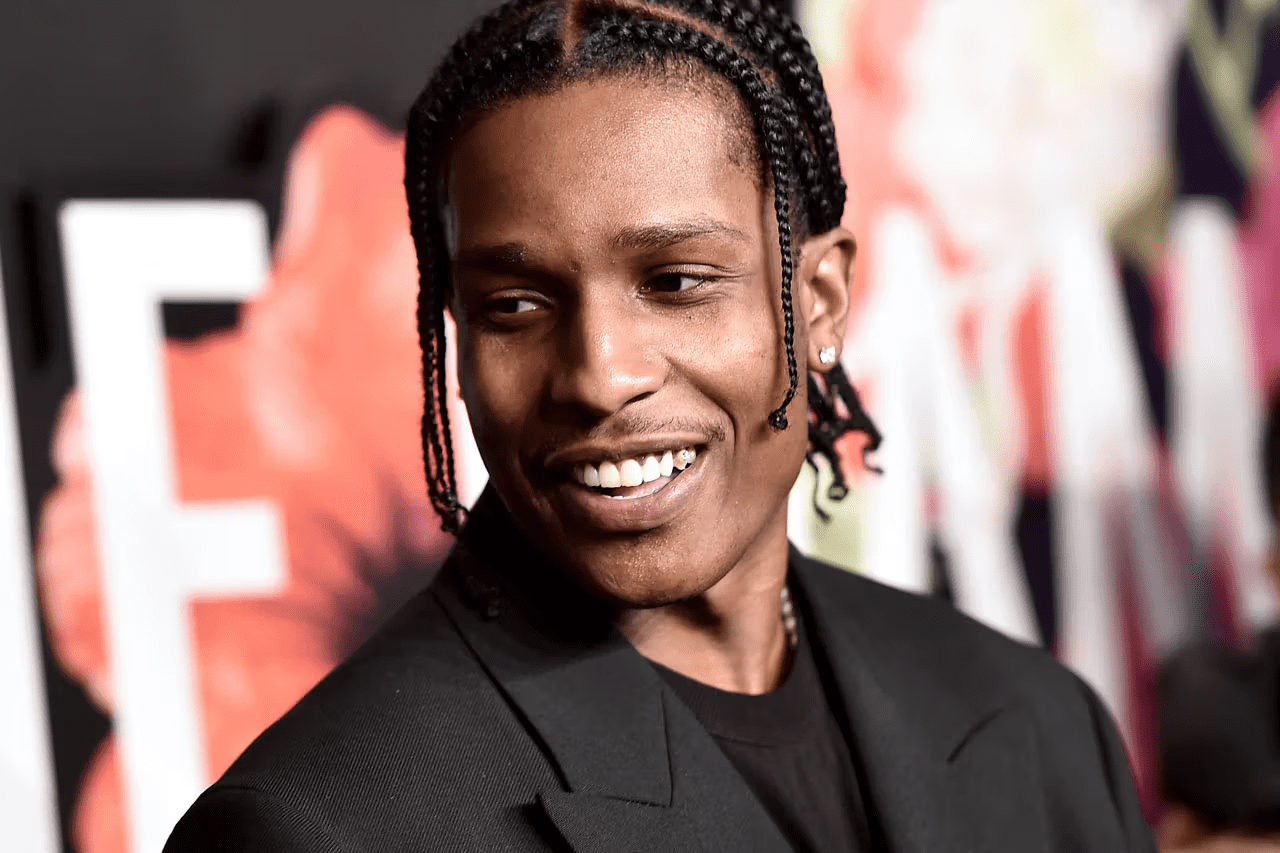
A$AP Rocky, born Rakim Athelaston Mayers, emerged from the complex social landscape of Harlem, New York, to become a global cultural icon. His childhood was defined by frequent displacement, the influence of his father’s past, and a formative period spent in temporary housing, all of which provided the foundational grit that would eventually permeate his discography and aesthetic.
The Roots of Harlem: Family Origins and Early Dynamics
Rakim Mayers was born on October 3, 1988, in the Harlem neighborhood of Manhattan. His family background is deeply rooted in the Caribbean diaspora; his father, Adrian Mayers, hailed from Barbados, while his mother, Renee Black, was of African American descent. The name "Rakim" was a deliberate choice by his parents, who named him after the legendary hip-hop artist Rakim of the duo Eric B. & Rakim, signaling a familial appreciation for the art form that would eventually become his career.
His early life was far from stable. Before he gained national fame, his household environment was marked by economic hardship and legal turbulence. His father was involved in drug trafficking, which resulted in his incarceration when Rakim was only twelve years old. This event proved to be a pivotal moment in his development, as it forced a young Mayers to take on more responsibilities and navigate the consequences of his father’s lifestyle firsthand.
Navigating Displacement: The Childhood Home Experience
It is a common misconception that celebrities emerge from static, conventional middle-class homes. For A$AP Rocky, the concept of a "childhood home" is fluid. Following the incarceration of his father and the subsequent death of his older brother, Ricky, the family experienced significant housing instability. Rakim, along with his mother and sister, spent portions of his youth in homeless shelters across New York City and New Jersey.
This period of transient living was not merely a backdrop but a catalyst for his artistic evolution. Moving between shelters meant that he had to quickly adapt to new social environments, often using freestyle rapping as a tool for communication and self-defense in hostile settings. These living conditions shaped his perspective on material wealth, fashion, and social hierarchy—themes that appear consistently in his later work, particularly in his critiques of luxury and his appreciation for "street" authenticity.
Key Factors in Formative Development
The intersection of family loss, economic instability, and the vibrant culture of Harlem created a high-pressure environment that accelerated his maturity. The table below outlines the primary influences during his formative years in New York.
| Factor | Nature of Impact | Role in Development |
|---|---|---|
| Family Background | Caribbean heritage/Harlem roots | Provided the cultural framework and name legacy. |
| Paternal Incarceration | Loss of primary male role model | Forced independence and early maturity. |
| Brother's Death | Personal tragedy (homicide) | Deepened his resolve to succeed and focus on music. |
| Shelter System | Housing instability | Taught resilience and the ability to adapt to environments. |
| Harlem Culture | Street fashion and hip-hop history | Served as an educational foundation for his aesthetic. |
The Impact of Tragedy on Artistic Direction
The year 2001 marked a turning point in his life when his brother, Ricky, was killed in Harlem. This tragedy had a profound impact on the family, but it also served as the primary motivation for Rakim to pursue rapping seriously. He began sharpening his flow and finding his identity as a lyricist during his teenage years, viewing his talent as a vehicle to elevate his mother out of the difficult housing circumstances they were enduring.
The loss of his brother also meant that he had to serve as a protector for his remaining family members. This shift from a child to a caretaker at such a young age contributed to the guarded, yet introspective, persona he often displays in interviews. He has frequently noted in media appearances that the trauma of his youth was not a burden to be hidden, but a source of power that fuels his work ethic.
From Shelters to Global Stardom
The transition from living in shelters to the international stage is the central arc of A$AP Rocky’s biography. By the time he was in his late teens, he had begun recording music with the A$AP Mob, a collective that provided him with the brotherhood and creative support system he had lacked during his fragmented childhood.
The early days of the A$AP Mob were characterized by a DIY ethos. They were not just a rap group; they were a collective that synthesized fashion, art, and music, effectively rebranding what it meant to be a "Harlem rapper." This period allowed Rocky to move beyond the constraints of his early life, turning the lessons learned in the foster system and shelters into a global brand that challenged the conventional aesthetic of hip-hop in the early 2010s.
The Evolution of the "Harlem Aesthetic"
Rocky’s childhood environment significantly informed his relationship with fashion and consumer culture. Living in poverty often leads to an intense fascination with high-end designer brands as symbols of status. This is reflected in his career trajectory, where he successfully bridged the gap between "street" style and high-fashion couture. His ability to blend these worlds is a direct result of his childhood efforts to curate his image despite having limited resources.
His early life was a continuous process of observation and synthesis. He witnessed the nuances of style in Harlem—a neighborhood known for its deep history of sartorial expression—and merged it with a broader, global sensibility that he developed during his rapid rise to fame.
Essential Contextual FAQ
How did his father's incarceration change his upbringing?
The incarceration of his father, Adrian Mayers, left a vacuum in his household, compelling a young Rakim to step into a more protective and responsible role. It also exposed him to the harsh realities of the criminal justice system at a young age, which later influenced his views on systemic societal issues in his music.
Did his early housing instability impact his later wealth management?
While not explicitly documented in financial statements, his background is frequently cited by Rocky himself as the reason for his high level of involvement in his business affairs. Having experienced poverty, he has expressed a desire to ensure long-term stability for his family, prioritizing asset accumulation and strategic brand partnerships over temporary displays of wealth.
What role did the A$AP Mob play in his early life?
The A$AP Mob functioned as a surrogate family. After the loss of his brother and the displacement his family suffered, the collective offered him the communal stability he lacked, providing a professional and personal infrastructure that allowed him to focus on his craft without the constant distractions of his previous living situation.
Is the story of his childhood and his rapping name connected?
Yes, it is deeply connected. His mother chose his name specifically to honor the legacy of Rakim Allah, an icon of conscious hip-hop. This naming convention set an expectation of lyrical excellence that encouraged him to pursue his craft with a level of seriousness that surpassed his peers.
Next Steps for Understanding the Artist's Origins
For those looking to gain a deeper understanding of the context surrounding A$AP Rocky's rise, one should look to the early mixtapes released by the A$AP Mob around 2011. These projects capture the raw energy and the specific geographical influences of his Harlem upbringing before the mainstream industry polished his sound. Studying the documentary footage and interviews from this specific era provides the most accurate, unvarnished insight into the transition from his formative years to his professional debut.