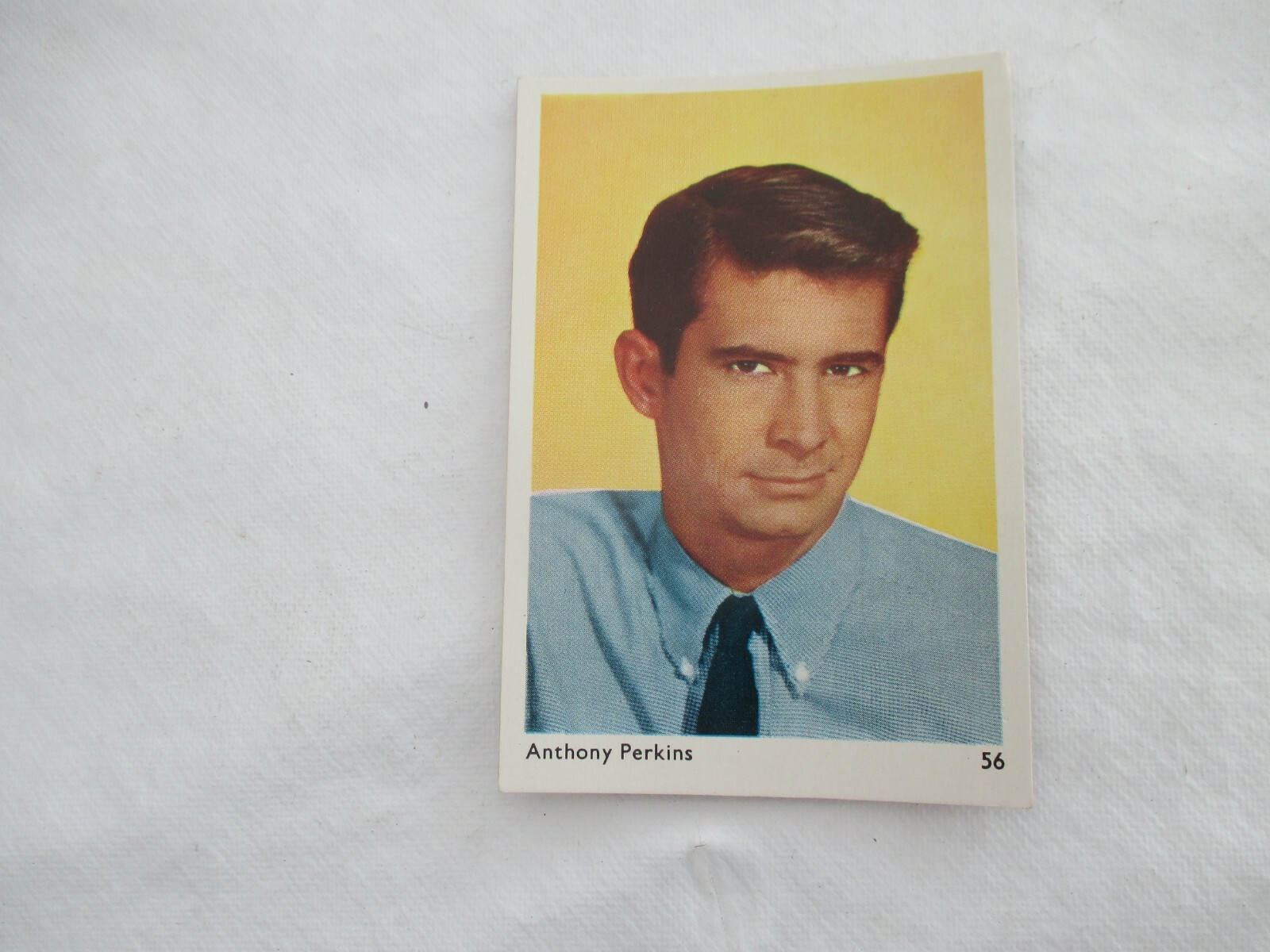
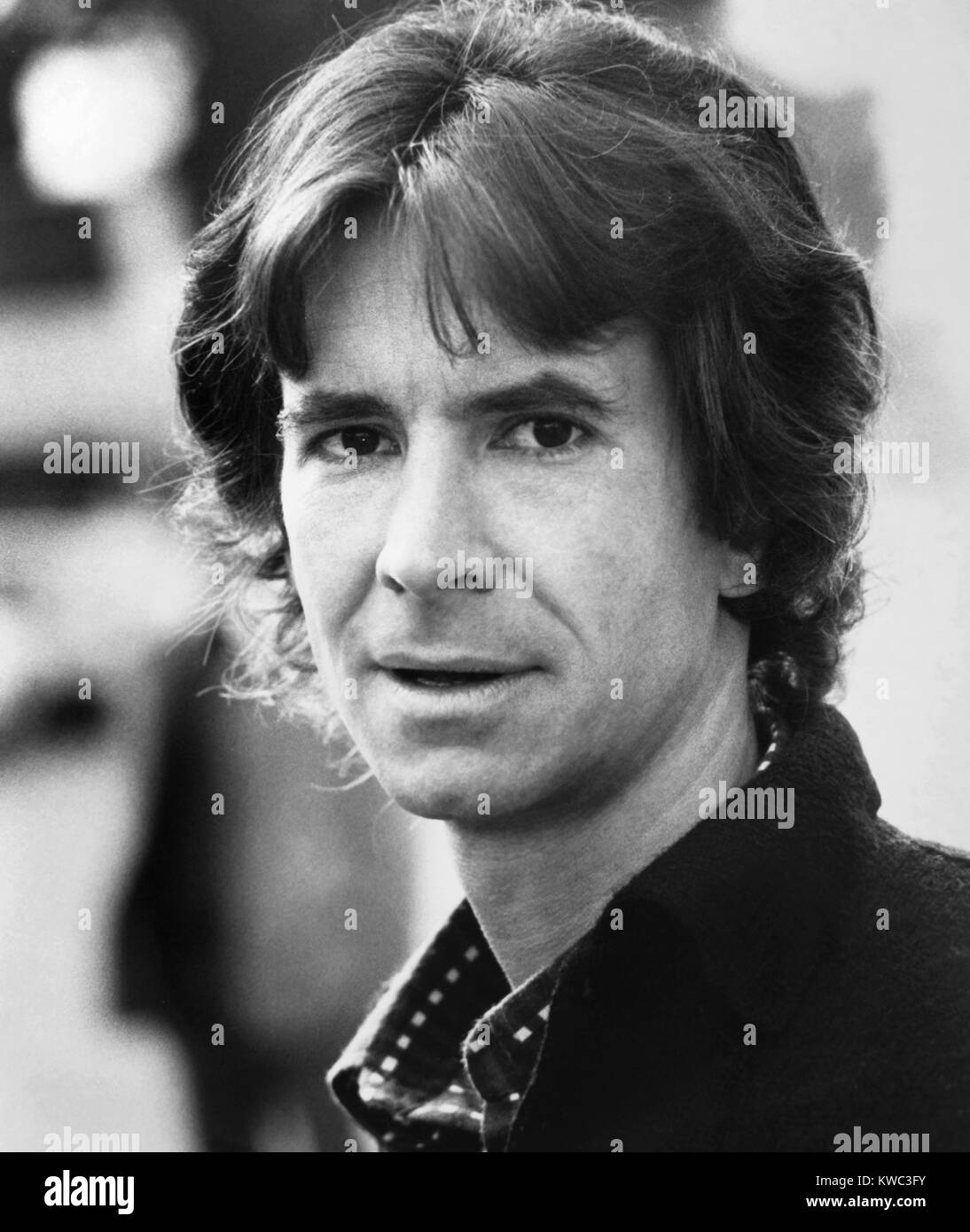
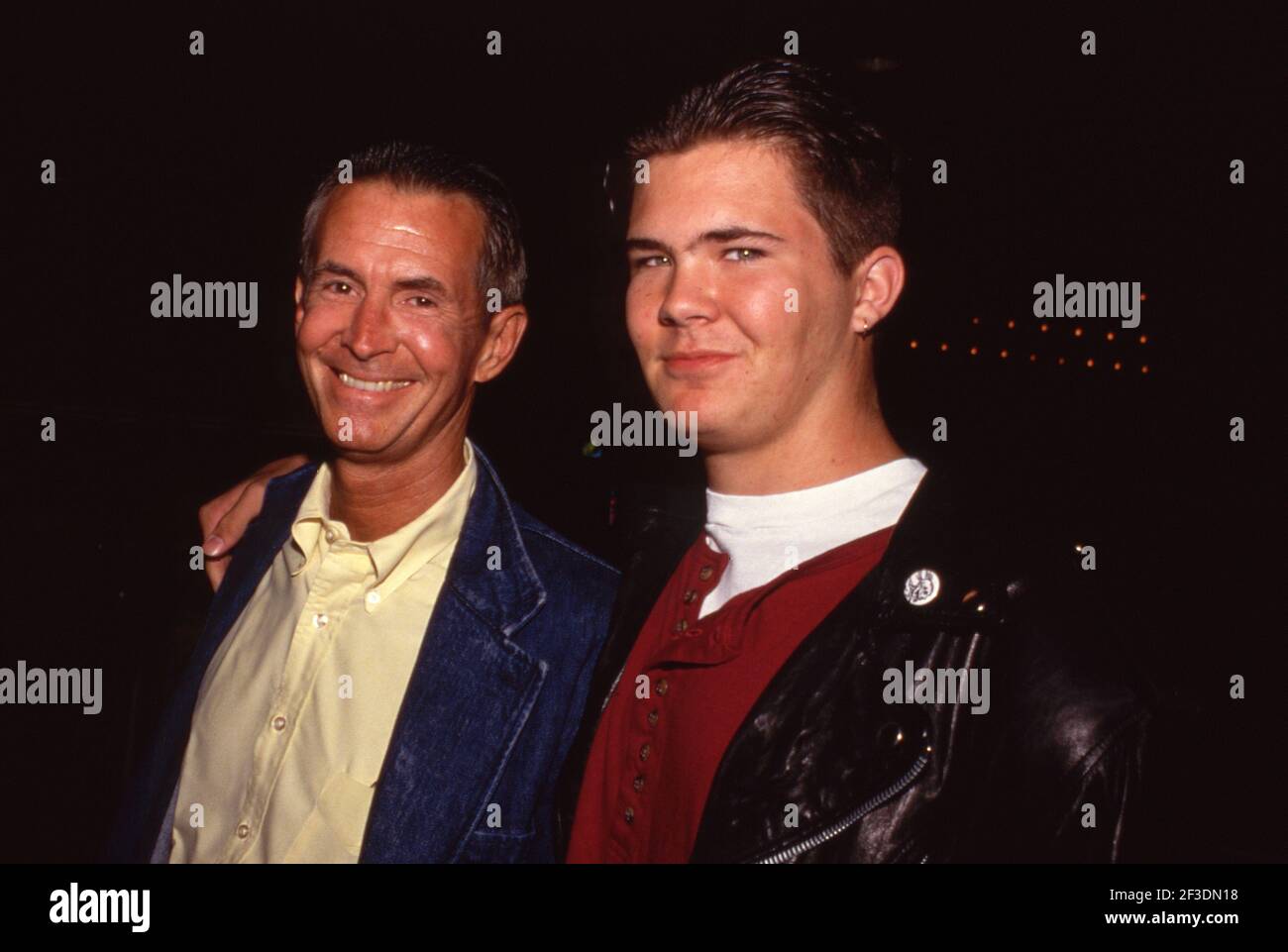
No, Anthony Perkins is not still alive. He passed away on September 12, 1992, at the age of 60. His death was caused by complications related to AIDS, specifically AIDS-related pneumonia. Despite his passing over three decades ago, his iconic portrayal of Norman Bates in Alfred Hitchcock’s Psycho continues to influence the horror genre as of 2026.
The Circumstances of Anthony Perkins’ Passing
Anthony Perkins died quietly at his home in Hollywood Hills, surrounded by his family. At the time of his death in 1992, the world was in the midst of the HIV/AIDS crisis, a period characterized by significant social stigma and medical uncertainty. Perkins had kept his diagnosis a closely guarded secret for approximately two years, only discovering his HIV-positive status through a story published in a tabloid magazine.
According to reports from the time, Perkins had been tested for HIV after a bout of health issues, but the results were leaked to The National Enquirer before he was personally notified by his physician. This violation of privacy forced the actor into a defensive posture, choosing to live his final years away from the prying eyes of the press. He continued to work as much as his health permitted, maintaining a professional demeanor that gave little hint of his internal struggle.
In a final statement prepared shortly before his death, Perkins reflected on his experience with the disease. He noted that he had learned more about love, selflessness, and human understanding from people he met in the "great adventure" of the world of AIDS than he ever had in the "cut-throat world" of show business. This poignant message remains a powerful testament to his character and the era in which he lived.
A Career Defined by Complexity and Depth
While most modern audiences in 2026 associate Anthony Perkins exclusively with the role of Norman Bates, his career was remarkably diverse and marked by early critical acclaim that predated his work with Alfred Hitchcock. Born on April 4, 1932, in New York City, Perkins was the son of stage and film actor Osgood Perkins. He followed in his father’s footsteps, beginning his career on Broadway before transitioning to film.
Early Success and Oscar Recognition
Perkins’ breakthrough came in 1956 with the film Friendly Persuasion, directed by William Wyler. In the film, he played the son of a Quaker family struggling with the moral dilemmas posed by the American Civil War. His performance was widely praised for its sensitivity and vulnerability, earning him an Academy Award nomination for Best Supporting Actor and the Golden Globe for Most Promising Newcomer.
Following this success, Perkins became a sought-after leading man, often cast as the "sensitive youth" or the awkward, misunderstood outsider. Films like Fear Strikes Out (1957), where he portrayed troubled baseball player Jimmy Piersall, showcased his ability to handle intense psychological material—a precursor to the darker roles that would follow.
The Turning Point: Psycho (1960)
In 1960, Alfred Hitchcock cast Perkins as Norman Bates in Psycho. This decision forever altered the trajectory of Perkins' career. His performance was a masterclass in nuance; he brought a stuttering, sympathetic quality to a character who was simultaneously a cold-blooded killer. This duality made the "twist" of the film far more effective, as audiences genuinely liked Norman before the truth was revealed.
Ironically, the success of Psycho became a double-edged sword. While it made him a household name and a permanent fixture in cinematic history, it also led to severe typecasting. For many years, Hollywood struggled to see Perkins as anything other than the twitchy, disturbed young man, which limited his opportunities for traditional leading roles in American cinema.
The European Years and Artistic Exploration
Faced with limited prospects in Hollywood following Psycho, Anthony Perkins moved to Europe, where he enjoyed a flourishing second act in his career. European directors saw more in Perkins than just Norman Bates, casting him in a variety of complex, intellectual roles that allowed him to stretch his range.
One of the most notable films from this period was Orson Welles’ 1962 adaptation of Franz Kafka’s The Trial. Perkins played Josef K., a man arrested and prosecuted by a remote, inaccessible authority. Welles famously stated that Perkins was the only actor who could have played the role, citing his unique ability to convey existential dread and bureaucratic frustration.
During his time in Europe, Perkins also starred in Goodbye Again (1961) opposite Ingrid Bergman, for which he won the Best Actor award at the Cannes Film Festival. This period of his life demonstrated that he was a versatile actor capable of performing in romantic dramas, avant-garde thrillers, and classical adaptations alike.
Returning to the Bates Motel: The Psycho Sequels
In the 1980s, Perkins made the decision to return to the role that had defined him. While many actors might have avoided revisiting a character that caused such significant typecasting, Perkins embraced the legacy of Norman Bates. He appeared in Psycho II (1983), which was surprisingly well-received by critics and fans for its respectful continuation of the original story.
Perkins took his involvement a step further with Psycho III (1986), which he both starred in and directed. His directorial style was heavily influenced by the German Expressionism he had encountered during his European career, giving the film a unique, stylized look that set it apart from typical 80s slasher films. He played the character one final time in the television film Psycho IV: The Beginning (1990), providing a bookend to the character’s tragic arc.
| Year | Film Title | Role | Significance |
|---|---|---|---|
| 1956 | Friendly Persuasion | Josh Birdwell | Academy Award Nomination (Supporting Actor) |
| 1957 | Fear Strikes Out | Jimmy Piersall | Established his "troubled youth" persona |
| 1960 | Psycho | Norman Bates | Created one of cinema's most iconic villains |
| 1961 | Goodbye Again | Philip Van der Besh | Won Best Actor at Cannes Film Festival |
| 1962 | The Trial | Josef K. | Collaboration with Orson Welles |
| 1983 | Psycho II | Norman Bates | Successful return to his most famous role |
| 1986 | Psycho III | Norman Bates | Also served as the film's Director |
Personal Life and Family Legacy
Despite the intense public scrutiny and the rumors regarding his sexuality that circulated throughout his life, Anthony Perkins maintained a private and devoted family life. In 1973, he married photographer Berry Berenson. The couple had two sons, Osgood (Oz) Perkins and Elvis Perkins.
Their marriage was described by friends as a stable and loving partnership. Tragically, the family’s history is marked by another significant loss. On September 11, 2001, nine years after Anthony’s death, Berry Berenson was a passenger on American Airlines Flight 11, the first plane to strike the North Tower of the World Trade Center.
In 2026, the Perkins legacy continues through their children. Oz Perkins has established himself as a prominent filmmaker in the horror genre, directing acclaimed films like The Blackcoat's Daughter and the 2024 hit Longlegs. His work often reflects the same psychological depth and atmospheric tension that his father brought to the screen. Elvis Perkins is a recognized folk-rock musician, whose debut album, Ash Wednesday, was heavily influenced by the loss of his mother.
The Cultural Impact of Anthony Perkins in 2026
The influence of Anthony Perkins extends far beyond the films he left behind. He redefined what a cinematic villain could be. Before Norman Bates, movie monsters were often physically grotesque or overtly predatory. Perkins introduced the concept of the "boy next door" as a source of terror—a man who was polite, soft-spoken, and seemingly harmless, yet deeply disturbed.
This archetype has become a staple of modern storytelling. From the "prestige" horror films of the 2020s to the rise of psychological thrillers on streaming platforms, the DNA of Perkins’ performance is visible in nearly every "sensitive" antagonist. Furthermore, his status as a queer icon has grown in the decades since his passing. Film historians and critics now frequently analyze his performances through the lens of identity and "passing," adding new layers of meaning to his body of work.
Anthony Perkins remains a figure of fascination because he embodied the contradictions of the human experience. He was a teen idol who became a horror icon; an American star who found his greatest artistic freedom in Europe; and a man who lived a private life of immense courage during a global health crisis.
Frequently Asked Questions
What was the official cause of Anthony Perkins’ death?
Anthony Perkins died of AIDS-related pneumonia on September 12, 1992. He had been diagnosed with HIV several years earlier but chose to keep his condition private until shortly before his passing. He was 60 years old at the time.
Did Anthony Perkins have any children?
Yes, he had two sons with his wife, Berry Berenson. His eldest son, Osgood "Oz" Perkins, is a successful film director and actor. His younger son, Elvis Perkins, is a well-regarded singer-songwriter. Both have carried on the family's artistic legacy in their respective fields.
How many times did Anthony Perkins play Norman Bates?
Anthony Perkins played the role of Norman Bates four times. He first appeared in the original Psycho (1960), followed by three sequels: Psycho II (1983), Psycho III (1986), and the television movie Psycho IV: The Beginning (1990). He also directed the third installment of the franchise.
Did Anthony Perkins ever win an Oscar?
While Anthony Perkins never won an Academy Award, he was nominated for Best Supporting Actor for his role in the 1956 film Friendly Persuasion. Despite his legendary performance in Psycho, he was notoriously snubbed by the Academy for that role, which many film historians consider one of the greatest oversights in Oscar history.
Is there a biography about Anthony Perkins?
Yes, several books have been written about his life and career. One of the most comprehensive is Anthony Perkins: Split Image by Charles Winecoff. This biography explores his early life, his rise to stardom, his complex personal life, and his final years, providing a detailed look at the man behind the Norman Bates persona.
Preserving the Work of Anthony Perkins
To truly appreciate the contribution Anthony Perkins made to the arts, one must look beyond the shower scene in Psycho. His filmography offers a wealth of performances that explore the fragility of the human psyche. For those interested in exploring his legacy in 2026, starting with his Oscar-nominated turn in Friendly Persuasion provides a glimpse of his raw talent before it was filtered through the lens of horror.
From there, viewing Orson Welles’ The Trial reveals his capacity for intellectual and existential drama. Finally, a re-watch of the Psycho series, particularly the second and third films, allows viewers to see how Perkins matured as an artist, eventually taking the reins as a director to shape the very legend that had once threatened to overshadow his career. He remains a quintessential figure in Hollywood history—a man of profound talent whose work continues to resonate with new generations of film enthusiasts.