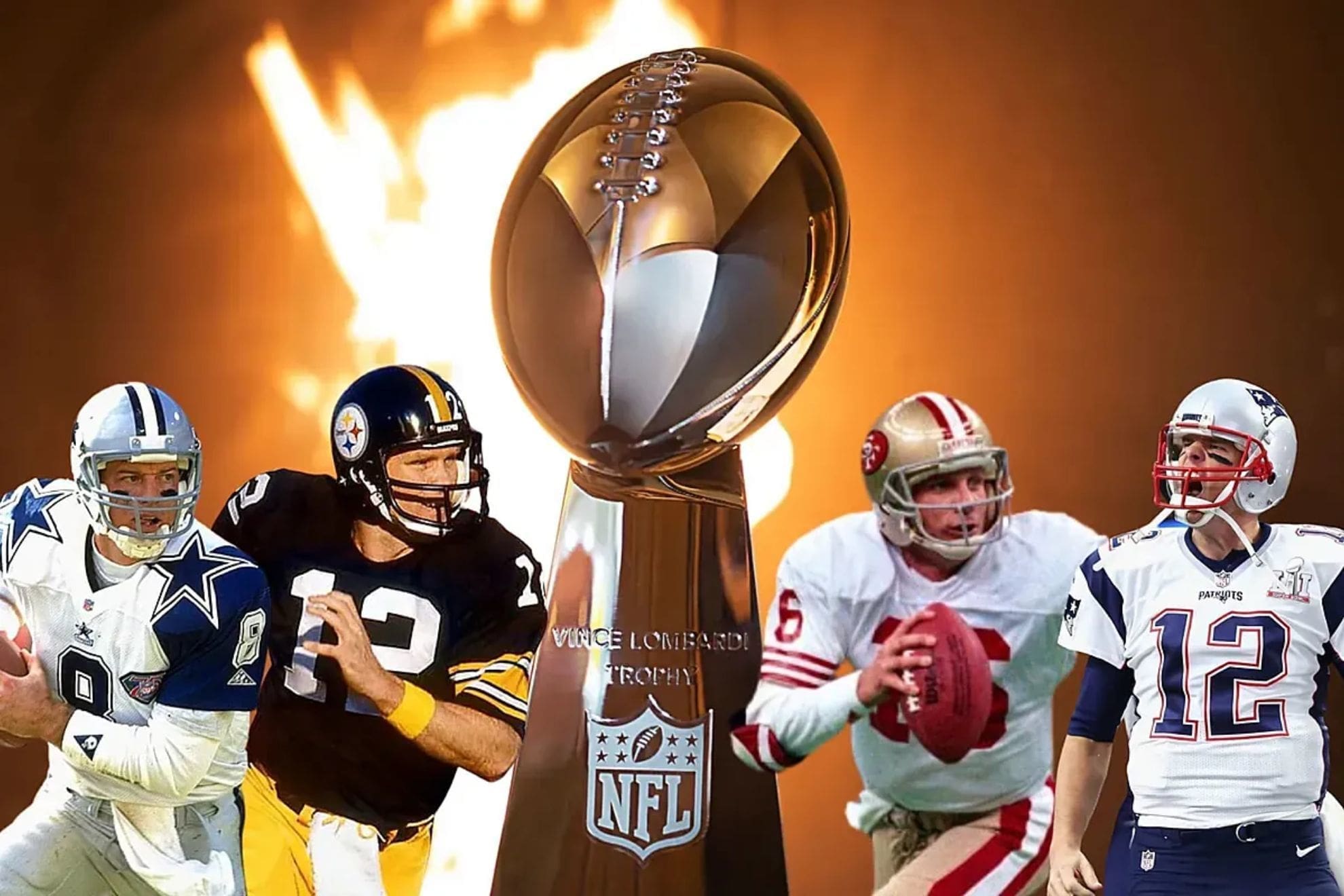
The New England Patriots and Pittsburgh Steelers lead all NFL franchises with six Super Bowl titles each. Out of the 32 active NFL teams, 20 have won at least one Lombardi Trophy, while 12 franchises are still seeking their first championship. Tiebreakers in the official ranking are determined by total Super Bowl appearances and winning percentage.
Tier 1: The Six-Ring Dynasties (Patriots and Steelers)
At the apex of National Football League achievement stand the New England Patriots and the Pittsburgh Steelers, the only two franchises to collect six Vince Lombardi Trophies. While both share the record for total victories, their championship eras reflect distinctly different historical paradigms in professional football history.
| Team | Super Bowl Wins |
|---|---|
| New England Patriots | 6 |
| Pittsburgh Steelers | 6 |
| San Francisco 49ers | 5 |
| Dallas Cowboys | 5 |
| Kansas City Chiefs | 4 |
| Green Bay Packers | 4 |
| New York Giants | 4 |
New England Patriots (6–5 Super Bowl Record)
The New England Patriots established the most sustained period of dominance in modern NFL history under the leadership of head coach Bill Belichick and quarterback Tom Brady. Spanning nearly two decades, New England claimed victories in Super Bowls XXXVI (2001), XXXVIII (2003), XXXIX (2004), XLIX (2014), LI (2016), and LIII (2018).
New England also holds the NFL record for total Super Bowl appearances with 11. Their six titles were characterized by situational mastery, tactical adaptability, and defensive execution in high-leverage moments, such as Malcolm Butler’s goal-line interception in Super Bowl XLIX and the 25-point comeback victory over Atlanta in Super Bowl LI.
Pittsburgh Steelers (6–2 Super Bowl Record)
The Pittsburgh Steelers built their legacy across two primary eras. The franchise became the dominant force of the 1970s under head coach Chuck Noll and the legendary "Steel Curtain" defense, winning four titles in six seasons: Super Bowls IX (1974), X (1975), XIII (1978), and XIV (1979). Led by Hall of Fame quarterback Terry Bradshaw and receiver Lynn Swann, Pittsburgh's offense complemented an overwhelming defensive unit.
Decades later, head coaches Bill Cowher and Mike Tomlin restored the franchise's championship standard. Behind quarterback Ben Roethlisberger and a top-ranked defense featuring Troy Polamalu, Pittsburgh secured Super Bowl XL (2005) against Seattle and Super Bowl XLIII (2008) against Arizona, cementing their status alongside New England at the top of the leaderboards.
Tier 2: Five-Time Super Bowl Champions (49ers and Cowboys)
Just one title behind the leaders, the San Francisco 49ers and Dallas Cowboys dominated the 1980s and 1990s, defining the pre-salary cap and early cap eras with revolutionary offensive systems and roster construction.
San Francisco 49ers (5–3 Super Bowl Record)
The San Francisco 49ers transformed NFL offensive design under head coach Bill Walsh, whose West Coast Offense reshaped passing concepts across the league. Led by Joe Montana—who went 4–0 in Super Bowl appearances with 11 touchdowns and zero interceptions—San Francisco captured Super Bowls XVI (1981), XIX (1984), XXIII (1988), and XXIV (1989).
Following Montana's departure, Steve Young stepped in to win Super Bowl XXIX (1994), setting a record with six touchdown passes in a single game. Although San Francisco has suffered narrow losses in recent appearances (Super Bowls XLVII, LIV, and LVIII), their five titles remain iconic.
Dallas Cowboys (5–3 Super Bowl Record)
Dallas earned the moniker "America’s Team" through relentless postseason contention spanning three decades. Under iconic head coach Tom Landry, Dallas captured Super Bowls VI (1971) and XII (1977), relying on Roger Staubach's playmaking and the "Doomsday Defense."
The franchise reached its absolute peak in the 1990s under head coach Jimmy Johnson. Powered by the Hall of Fame "Triplets"—quarterback Troy Aikman, running back Emmitt Smith, and receiver Michael Irvin—alongside an elite offensive line, the Cowboys won three titles in four years: Super Bowls XXVII (1992), XXVIII (1993), and XXX (1995).
Tier 3: Four-Time Champions and Modern Powerhouses
Four NFL franchises have captured four Super Bowl trophies. This group features historical pioneers alongside the premier dynasty of the modern era.
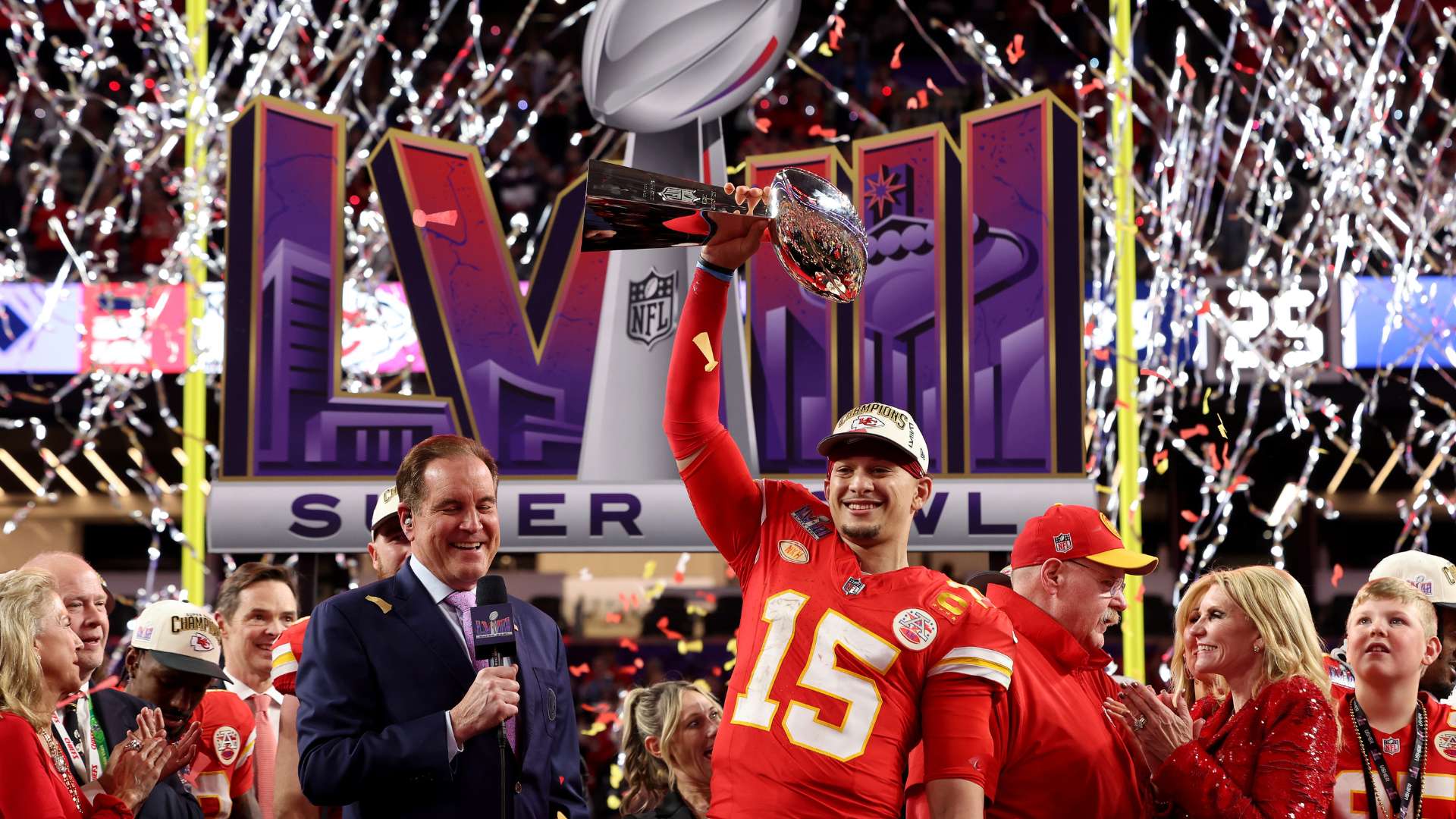
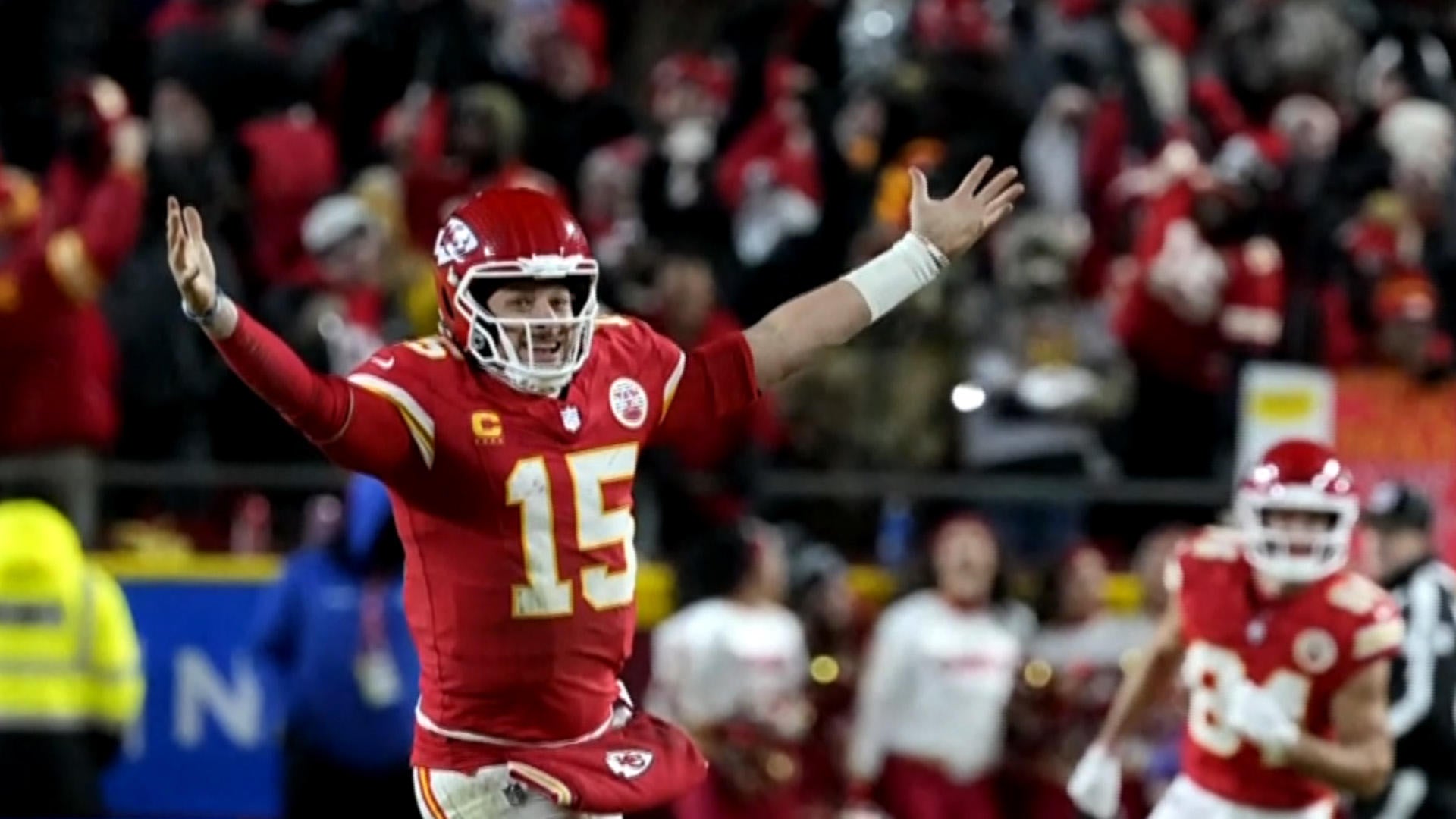
- Kansas City Chiefs (4–2 Record): Kansas City won its first championship in Super Bowl IV (1969) under Hank Stram and Len Dawson. Half a century later, head coach Andy Reid and quarterback Patrick Mahomes ushered in a new era of dominance, winning Super Bowls LIV (2019), LVII (2022), and LVIII (2023), establishing Kansas City as the dominant force of the 2020s.
- Green Bay Packers (4–1 Record): Green Bay won the first two Super Bowls in NFL history (I in 1966 and II in 1967) under legendary coach Vince Lombardi, for whom the championship trophy is named. The Packers added two more titles in the modern era behind Hall of Fame quarterbacks Brett Favre (Super Bowl XXXI in 1996) and Aaron Rodgers (Super Bowl XLV in 2010).
- New York Giants (4–1 Record): The Giants built their championship legacy on physical defense and clutch postseason execution. Under Bill Parcells and defensive coordinator Bill Belichick, New York won Super Bowls XXI (1986) and XXV (1990). Later, under Tom Coughlin and quarterback Eli Manning, the Giants pulled off iconic victories over the New England Patriots in Super Bowls XLII (2007)—thwarting New England’s undefeated season—and XLVI (2011).
Tier 4: Multiple Super Bowl Winners (3-Win and 2-Win Franchises)
Eight NFL franchises have captured between two and three Super Bowl championships, representing distinct eras of excellence across league history.
Three-Time Winners
- Denver Broncos (3–5 Record): Denver lost its first four Super Bowl appearances before John Elway led the franchise to consecutive victories in Super Bowl XXXII (1997) and XXXIII (1998). Peyton Manning later capped his career by leading Denver's dominant defense to victory in Super Bowl 50 (2015).
- Las Vegas Raiders (3–2 Record): The Raiders established a culture of tough, aggressive play under Al Davis and coaches John Madden and Tom Flores. The franchise won Super Bowls XI (1976), XV (1980), and XVIII (1983).
- Washington Commanders (3–2 Record): Head coach Joe Gibbs accomplished the unique feat of winning three Super Bowls with three different starting quarterbacks: Joe Theismann (Super Bowl XVII in 1982), Doug Williams (Super Bowl XXII in 1987), and Mark Rypien (Super Bowl XXVI in 1991).
Two-Time Winners
- Miami Dolphins (2–3 Record): Led by Don Shula, Miami won back-to-back titles in Super Bowls VII (1972) and VIII (1973). The 1972 squad remains the only undefeated team in NFL history (17–0).
- Los Angeles Rams (2–3 Record): The Rams won their first title in St. Louis (Super Bowl XXXIV in 1999) behind Kurt Warner and the high-powered "Greatest Show on Turf." The franchise added its second trophy after returning to Los Angeles in Super Bowl LVI (2021).
- Indianapolis Colts (2–2 Record): The franchise won Super Bowl V (1970) as the Baltimore Colts and Super Bowl XLI (2006) in Indianapolis under quarterback Peyton Manning.
- Baltimore Ravens (2–0 Record): Baltimore boasts a perfect 2–0 record in the Big Game, winning Super Bowl XXXV (2000) on the back of one of the greatest defensive units in history, and Super Bowl XLVII (2012) behind Ray Lewis and Joe Flacco.
- Tampa Bay Buccaneers (2–0 Record): Tampa Bay also holds an undefeated Super Bowl record, securing Super Bowl XXXVII (2002) with an elite defense and Super Bowl LV (2020) after signing Tom Brady.
Complete Ranking of All 32 NFL Teams by Super Bowl Wins
The following comprehensive table ranks all 32 current NFL franchises. Teams are sorted primarily by total Super Bowl victories, secondarily by total appearances, and thirdly by winning percentage.
| Rank | NFL Franchise | Super Bowl Wins | Losses | Appearances | Win % | Championship Years Won |
|---|---|---|---|---|---|---|
| 1 | New England Patriots | 6 | 5 | 11 | .545 | 2001, 2003, 2004, 2014, 2016, 2018 |
| 2 | Pittsburgh Steelers | 6 | 2 | 8 | .750 | 1974, 1975, 1978, 1979, 2005, 2008 |
| 3 | San Francisco 49ers | 5 | 3 | 8 | .625 | 1981, 1984, 1988, 1989, 1994 |
| 4 | Dallas Cowboys | 5 | 3 | 8 | .625 | 1971, 1977, 1992, 1993, 1995 |
| 5 | Kansas City Chiefs | 4 | 2 | 6 | .667 | 1969, 2019, 2022, 2023 |
| 6 | Green Bay Packers | 4 | 1 | 5 | .800 | 1966, 1967, 1996, 2010 |
| 7 | New York Giants | 4 | 1 | 5 | .800 | 1986, 1990, 2007, 2011 |
| 8 | Denver Broncos | 3 | 5 | 8 | .375 | 1997, 1998, 2015 |
| 9 | Las Vegas Raiders | 3 | 2 | 5 | .600 | 1976, 1980, 1983 |
| 10 | Washington Commanders | 3 | 2 | 5 | .600 | 1982, 1987, 1991 |
| 11 | Miami Dolphins | 2 | 3 | 5 | .400 | 1972, 1973 |
| 12 | Los Angeles Rams | 2 | 3 | 5 | .400 | 1999, 2021 |
| 13 | Indianapolis Colts | 2 | 2 | 4 | .500 | 1970, 2006 |
| 14 | Baltimore Ravens | 2 | 0 | 2 | 1.000 | 2000, 2012 |
| 15 | Tampa Bay Buccaneers | 2 | 0 | 2 | 1.000 | 2002, 2020 |
| 16 | Philadelphia Eagles | 1 | 3 | 4 | .250 | 2017 |
| 17 | Seattle Seahawks | 1 | 2 | 3 | .333 | 2013 |
| 18 | Chicago Bears | 1 | 1 | 2 | .500 | 1985 |
| 19 | New York Jets | 1 | 0 | 1 | 1.000 | 1968 |
| 20 | New Orleans Saints | 1 | 0 | 1 | 1.000 | 2009 |
| 21 | Buffalo Bills | 0 | 4 | 4 | .000 | — |
| 22 | Minnesota Vikings | 0 | 4 | 4 | .000 | — |
| 23 | Cincinnati Bengals | 0 | 3 | 3 | .000 | — |
| 24 | Atlanta Falcons | 0 | 2 | 2 | .000 | — |
| 25 | Carolina Panthers | 0 | 2 | 2 | .000 | — |
| 26 | Arizona Cardinals | 0 | 1 | 1 | .000 | — |
| 27 | Los Angeles Chargers | 0 | 1 | 1 | .000 | — |
| 28 | Tennessee Titans | 0 | 1 | 1 | .000 | — |
| 29 | Cleveland Browns | 0 | 0 | 0 | .000 | — |
| 30 | Detroit Lions | 0 | 0 | 0 | .000 | — |
| 31 | Houston Texans | 0 | 0 | 0 | .000 | — |
| 32 | Jacksonville Jaguars | 0 | 0 | 0 | .000 | — |
Single-Title Winners and Teams Seeking Their First Ring
Understanding the full landscape of the NFL requires analyzing both the single-title franchises that broke through and the 12 teams still chasing their first championship.
Single-Title Super Bowl Champions
Five franchises have won exactly one Super Bowl in their history:
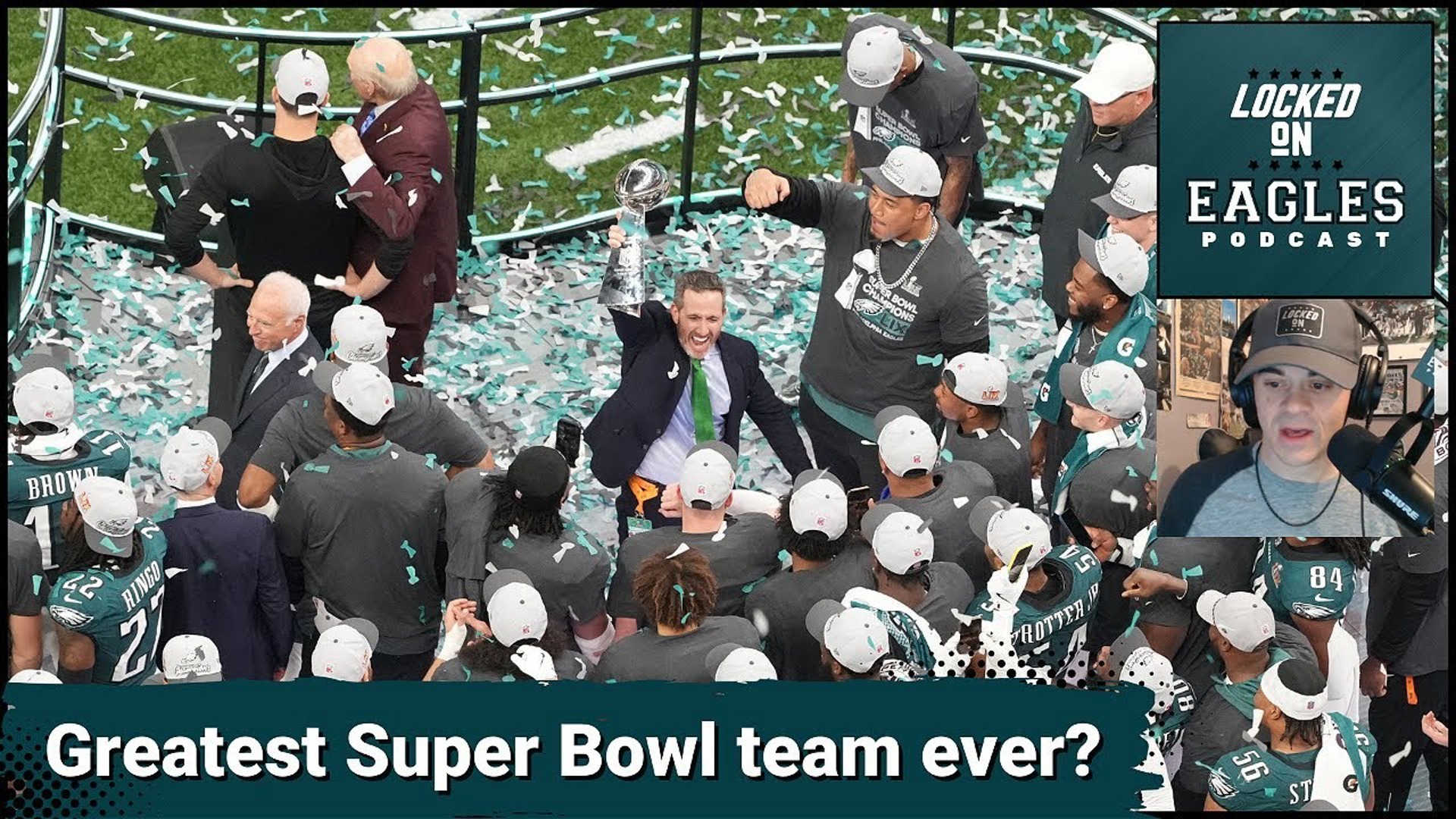
- Philadelphia Eagles (1–3 Record): Won Super Bowl LII (2017) in a dramatic 41–33 victory over New England featuring the famous "Philly Special" trick play.
- Seattle Seahawks (1–2 Record): Claimed Super Bowl XLVIII (2013) behind the "Legion of Boom" defense, defeating Denver 43–8.
- Chicago Bears (1–1 Record): Dominated Super Bowl XX (1985) with one of the most celebrated defensive teams in league history.
- New York Jets (1–0 Record): Joe Namath guaranteed and delivered a victory in Super Bowl III (1968), bringing legitimacy to the AFL prior to the official AFL-NFL merger.
- New Orleans Saints (1–0 Record): Drew Brees and Sean Payton led New Orleans to victory in Super Bowl XLIV (2009).
Franchises Without a Super Bowl Victory
Twelve NFL teams have never won a Super Bowl. These franchises fall into two sub-categories: those that reached the championship game but lost, and those that have never appeared in a Super Bowl.
Appeared but Have Not Won (8 Teams)
- Buffalo Bills (0–4): Lost four consecutive Super Bowls (XXV through XXVIII) from 1990 to 1993.
- Minnesota Vikings (0–4): Reached four early Super Bowls (IV, VIII, IX, XI) but came up short in each.
- Cincinnati Bengals (0–3): Lost narrow contests in Super Bowls XVI, XXIII, and LVI.
- Atlanta Falcons (0–2): Appeared in Super Bowls XXXIII and LI.
- Carolina Panthers (0–2): Appeared in Super Bowls XXXVIII and 50.
- Arizona Cardinals (0–1): Lost Super Bowl XLIII to Pittsburgh in the final seconds.
- Los Angeles Chargers (0–1): Reached Super Bowl XXIX as the San Diego Chargers.
- Tennessee Titans (0–1): Came up one yard short in Super Bowl XXXIV against St. Louis.
Never Played in a Super Bowl (4 Teams)
Four active franchises have never won a Conference Championship game to secure a Super Bowl berth:
- Cleveland Browns (Won pre-merger NFL Championships, but 0 Super Bowl appearances)
- Detroit Lions (Won pre-merger NFL Championships, but 0 Super Bowl appearances)
- Jacksonville Jaguars (Joined NFL as an expansion team in 1995)
- Houston Texans (Joined NFL as an expansion team in 2002)
Frequently Asked Questions
Which NFL team has won the most Super Bowls?
The New England Patriots and Pittsburgh Steelers are tied for the most Super Bowl victories in NFL history, with six titles each. New England achieved its titles between 2001 and 2018, while Pittsburgh earned four titles in the 1970s and two more in the 2000s.
Which player has won the most Super Bowl rings?
Tom Brady has won seven Super Bowl titles—more than any individual NFL franchise. Brady won six championships with the New England Patriots (Super Bowls XXXVI, XXXVIII, XXXIX, XLIX, LI, and LIII) and one with the Tampa Bay Buccaneers (Super Bowl LV).
Which team has lost the most Super Bowls?
The New England Patriots and Denver Broncos share the record for the most Super Bowl losses, with five each. However, New England balances its five losses with six victories, whereas Denver has three wins alongside its five losses.
Have any NFL teams played in a Super Bowl on their home field?
Yes, two teams have played and won a Super Bowl in their home stadium. The Tampa Bay Buccaneers became the first team to do so when they won Super Bowl LV at Raymond James Stadium in February 2021. The Los Angeles Rams matched the feat the following year by winning Super Bowl LVI at SoFi Stadium in February 2022.
How to Track Super Bowl Leaderboard Changes
Evaluating Super Bowl standings requires separating pre-merger championships from Super Bowl titles. The NFL officially counts Super Bowl championships beginning with the 1966 season (Super Bowl I). When assessing franchise historical success, keep the following evaluation criteria in mind:
- Distinguish Total Titles from Super Bowl Rings: Teams like the Green Bay Packers, Chicago Bears, Cleveland Browns, and Detroit Lions won multiple NFL Championships prior to 1966. Official Super Bowl leaderboards strictly tally games played from Super Bowl I onward.
- Monitor Active Dynasties: Era rules—such as hard salary caps and parity-focused draft structures—make multi-title runs increasingly rare. Tracking head coach and quarterback pairings provides the clearest indicator of sustained championship windows.
- Review Official NFL Records: For verified historical box scores, game recaps, and updated franchise leaderboards, reference official resources at the National Football League and detailed statistical archives at Pro-Football-Reference.