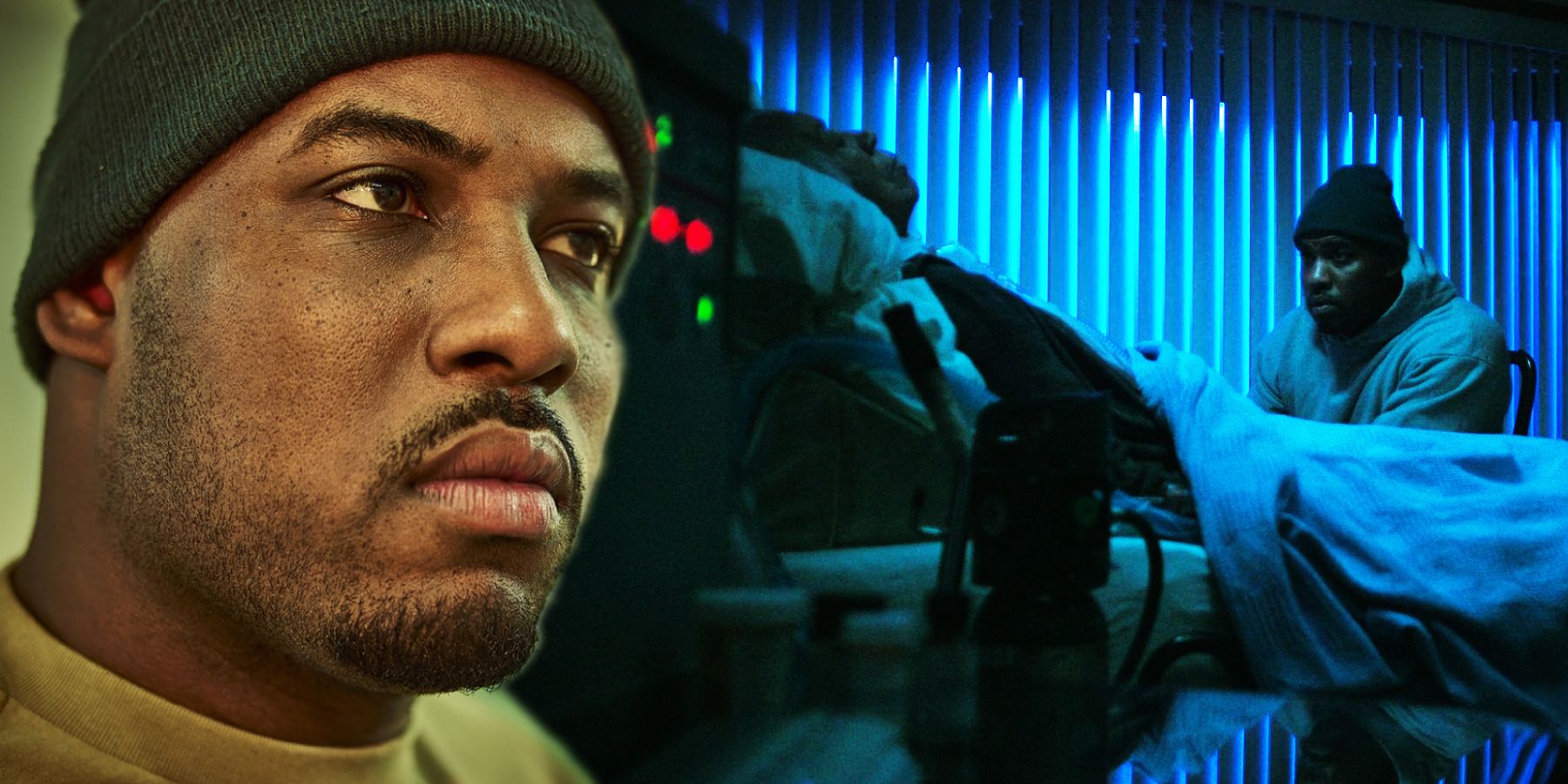
The phrase "All of Us Are Dead" (frequently searched as "all of are dead") stems from the hit South Korean horror franchise created by Joo Dong-geun and adapted by Netflix. Beyond its literal zombie premise, the phrase represents a devastating critique of South Korean societal pressure, school bullying, and institutional betrayal, directly mirroring real-life youth tragedies like the 2014 Sewol Ferry disaster.
Translating the Dread: Korean Title vs. Global English Phrase
To understand the full meaning behind the phrase, one must look at the difference between the original South Korean title and its international English localization. The original webtoon created by Joo Dong-geun, published on Naver Webtoon between 2009 and 2011, is titled 지금 우리 학교는 (Jigeum Uri Hakgyo-neun). Translated literally, it means "Right Now at Our School" or "Our School Right Now."
The Korean title emphasizes immediate, claustrophobic intimacy. It anchors the viewer inside a specific, familiar sanctuary—a high school—and forces them to witness its total collapse in real time. The focus is situational: a everyday space turning into an inescapable trap.
When Netflix adapted the series for global release, the title was localized to All of Us Are Dead. This linguistic shift alters the narrative framing from a localized crisis to an existential declaration. The phrase operates on three distinct levels:
- The Literal Reality: The rapid spread of the fictional Jonas Virus physically transforms the majority of Hyosan High School's student body into mindless, aggressive corpses.
- The Societal Metaphor: Long before the first zombie bites, the students are emotionally, socially, and psychologically "dead" due to relentless academic pressure, severe bullying, and social stratification.
- The Institutional Condemnation: The phrase speaks from the perspective of abandoned youth, highlighting how adult authorities, police, and government officials systematically fail to protect children during crises.
The Dark Origin: The Jonas Virus and the Metaphor of Bullying
The shocking truth within the narrative lies in the origin of the outbreak itself. Unlike standard zombie lore where a virus originates from an accidental laboratory spill, military experiment, or environmental decay, the outbreak in All of Us Are Dead is born directly out of systemic cruelty and paternal desperation.
The virus—named the Jonas Virus—was created by Hyosan High's science teacher, Lee Byeong-chan (played by Kim Byung-chul). Byeong-chan's son was the target of relentless, violent school bullying. Despite repeated pleas to school administrators, guidance counselors, and local police, the authorities ignored the abuse, protecting the school's reputation rather than the victim. Driven to despair by his son's suicide attempts and perpetual terror, Byeong-chan sought a biological solution.
- Systemic Bullying & Adult Apathy
- Lee Byeong-chan's Experimentation
- Jonas Virus: Testosterone + Fear Mutation
- Zero-Patient Ingestion & Outbreak
By extracting hormones from aggressive mice, Byeong-chan engineered a virus designed to turn innate fear into predatory rage. His goal was not to destroy humanity, but to grant his son the physical aggression necessary to fight back against his abusers. The virus mutated, turning fear into a transmissible contagion that spread across the school.
The phrase "All of Us Are Dead" originates from this dark premise: the virus is simply a physical manifestation of the toxicity already present inside the school. The science teacher explicitly notes that in a society where violent predators face no consequences and victims are left to suffer, the victims are effectively already dead to the system.
Real-World Inspiration: The Sewol Ferry Tragedy and Institutional Betrayal
While All of Us Are Dead is a work of fiction, its emotional weight and thematic core draw directly from real-world trauma in modern South Korean history. Critics and viewers alike have highlighted strong thematic parallels to the 2014 MV Sewol ferry disaster, one of South Korea's worst maritime tragedies.
On April 16, 2014, the Sewol ferry sank while traveling from Incheon to Jeju. Among the 304 victims who perished, 250 were high school students from Danwon High School. During the sinking, crew members and authorities repeatedly instructed the students over the intercom to stay inside their cabins and remain seated, while the captain and senior crew abandoned the vessel. The students obeyed the adults, waiting patiently for help that never arrived until it was too late.
Director Lee Jae-kyoo and screenwriter Chun Sung-il weave this precise trauma into the fabric of the show:
- The Command to Wait: In early episodes, students barricade themselves in classrooms and broadcast studios, listening to announcements telling them to stay put and await rescue.
- Adult Abandonment: Politicians, military leaders, and school executives prioritize containment, political optics, and personal survival over rescuing trapped teenagers.
- Self-Reliance: Realizing that help will never come, the surviving students explicitly declare that they can no longer trust adults or authorities, forcing them to forge their own escape routes.
The phrase "All of Us Are Dead" serves as a vocalization of this lost trust. It captures the horrifying realization among Korean youth that obedience to institutional authority can lead directly to betrayal and death.
Social Commentary: Academic Pressure and Dehumanization
South Korea's high-stakes education system is internationally renowned for its rigor, but it also carries significant mental health costs for adolescents. The intense competition surrounding the Suneung (College Scholastic Ability Test), mandatory late-night study sessions at hagwons (cram schools), and strict social class divisions create an environment of extreme stress.
The character dynamics in the series illustrate how societal hierarchies erode human empathy among students:
Class Privilege and Discrimination
The character of Lee Na-yeon (played by Lee Yoo-mi) embodies economic class discrimination. She constantly insults her classmate, Han Gyeong-su, labeling him a "welfare recipient" because his family receives government assistance. Her prejudice is so deeply ingrained that she intentionally infects him with the virus to prove her point, prioritizing her social bias over human life.
The Dehumanization of Bullying Victims
Characters like Min Eun-ji and Kim Chul-soo represent students pushed to the absolute fringe of school society. Eun-ji suffers extreme sexual harassment and physical abuse from bullies while peers stand by recording videos on their smartphones. When the outbreak occurs, Eun-ji feels no desire to save her school; to her, the school was already hell, and her classmates were already monstrous.
Comparing the Layers of Meaning Behind the Title
To clarify how the phrase functions across different contexts, the following table breaks down the key interpretations of All of Us Are Dead:
| Context Layer | Primary Narrative Focus | Underlying Real-World Parallel | Key Psychological Impact |
|---|---|---|---|
| Literal Sci-Fi/Horror | The Jonas Virus turns students into infected corpses at Hyosan High. | Biological mutation and violent physical contagion. | Survival terror, physical gore, and loss of life. |
| Institutional Critique | Abandonment of students by school staff, police, and military leadership. | The 2014 Sewol Ferry disaster and corporate negligence. | Total erosion of trust in adults and public authorities. |
| Socio-Academic Reality | Extreme pressure surrounding university admissions and social standing. | High adolescent stress, Suneung anxiety, and class discrimination. | Emotional burnout, isolation, and loss of teenage identity. |
| Systemic Bullying | Creation of the Jonas Virus by a father whose son was driven to despair. | Unchecked school violence (hakpok) and administrative apathy. | Dehumanization of victims and cycle of revenge. |
Hallyu and the Evolution of Korean Zombie Narratives
The global success of All of Us Are Dead on Netflix reinforces a distinct evolution in modern South Korean media (the Hallyu wave). Unlike Western zombie fiction, which frequently focuses on post-apocalyptic resource scavenging or military hardware, Korean "K-Zombie" stories prioritize sharp social critique and emotional melodrama.
Beginning with Yeon Sang-ho's Train to Busan (2016) and Kim Eun-hee's historical series Kingdom (2019), South Korean zombie media consistently uses the infected host as a lens to examine societal flaws:
- Train to Busan: Uses a high-speed train to critique corporate greed, class division, and self-preservation versus collective responsibility.
- Kingdom: Sets the outbreak in the Joseon period to explore government corruption, systemic famine, and elite neglect of the working class.
- All of Us Are Dead: Shifts the setting to a high school to critique the pressures, hierarchies, and institutional neglect suffered by Generation Z.
By grounding supernatural horror in realistic human conflict, the phrase "All of Us Are Dead" resonates universally. International audiences connect not just with the fast-moving zombies, but with the painful emotional reality of young people forced to grow up too quickly in an indifferent world.
Frequently Asked Questions
What does the original Korean title of "All of Us Are Dead" mean?
The original Korean title is 지금 우리 학교는 (Jigeum Uri Hakgyo-neun), which translates literally to "Right Now at Our School." While the international English title emphasizes collective mortality, the original title focuses on the immediate, terrifying reality of an outbreak occurring inside a familiar educational environment.
Is "All of Us Are Dead" based on a true story?
The plot and the Jonas Virus are entirely fictional, adapted from the Naver webtoon by Joo Dong-geun. However, the themes, adult responses, and student abandonment heavily reflect real South Korean historical events, most notably the 2014 Sewol Ferry disaster, as well as documented issues surrounding school bullying (hakpok).
What is the origin of the Jonas Virus in the series?
The Jonas Virus was engineered by high school science teacher Lee Byeong-chan. He created the pathogen using hormones extracted from aggressive animals to give his severely bullied son the biological strength and predatory drive to fight back against his torturers.
Why does the phrase "All of Us Are Dead" carry a double meaning?
The phrase refers literally to the physical death and infection of the student body. Metaphorically, it refers to how severe academic pressure, institutional indifference, and relentless bullying kill the innocence, emotional well-being, and trust of young people long before physical death occurs.
Where can readers find the original webtoon source material?
The original webtoon Now at Our School (지금 우리 학교는) was written and illustrated by Joo Dong-geun and published on the Naver Webtoon platform. Official English translations are available digitally via LINE Webtoon.
Critical Viewing Guide: How to Analyze the Series
When rewatching or analyzing All of Us Are Dead, look beyond the jump scares and graphic effects to engage with the underlying structural critique. Follow these steps to evaluate the narrative's deeper themes:
- Track the Adult Actions: Pay close attention to every adult character—from the principal hiding in his office to the politician prioritizing her broadcast image. Document how many times adults choose institutional self-preservation over child safety.
- Observe the Spatial Metaphors: Notice how the school building changes. Classrooms designed for learning become battlegrounds, study materials become barricades, and the roof—a symbol of escape—is repeatedly locked from the outside by administrators.
- Analyze Character Sacrifices: Contrast the selfish actions of characters bound by social status (like Na-yeon) with the selfless sacrifices made by outcasts and close friends. The series suggests that genuine human connection is the only true defense against societal decay.