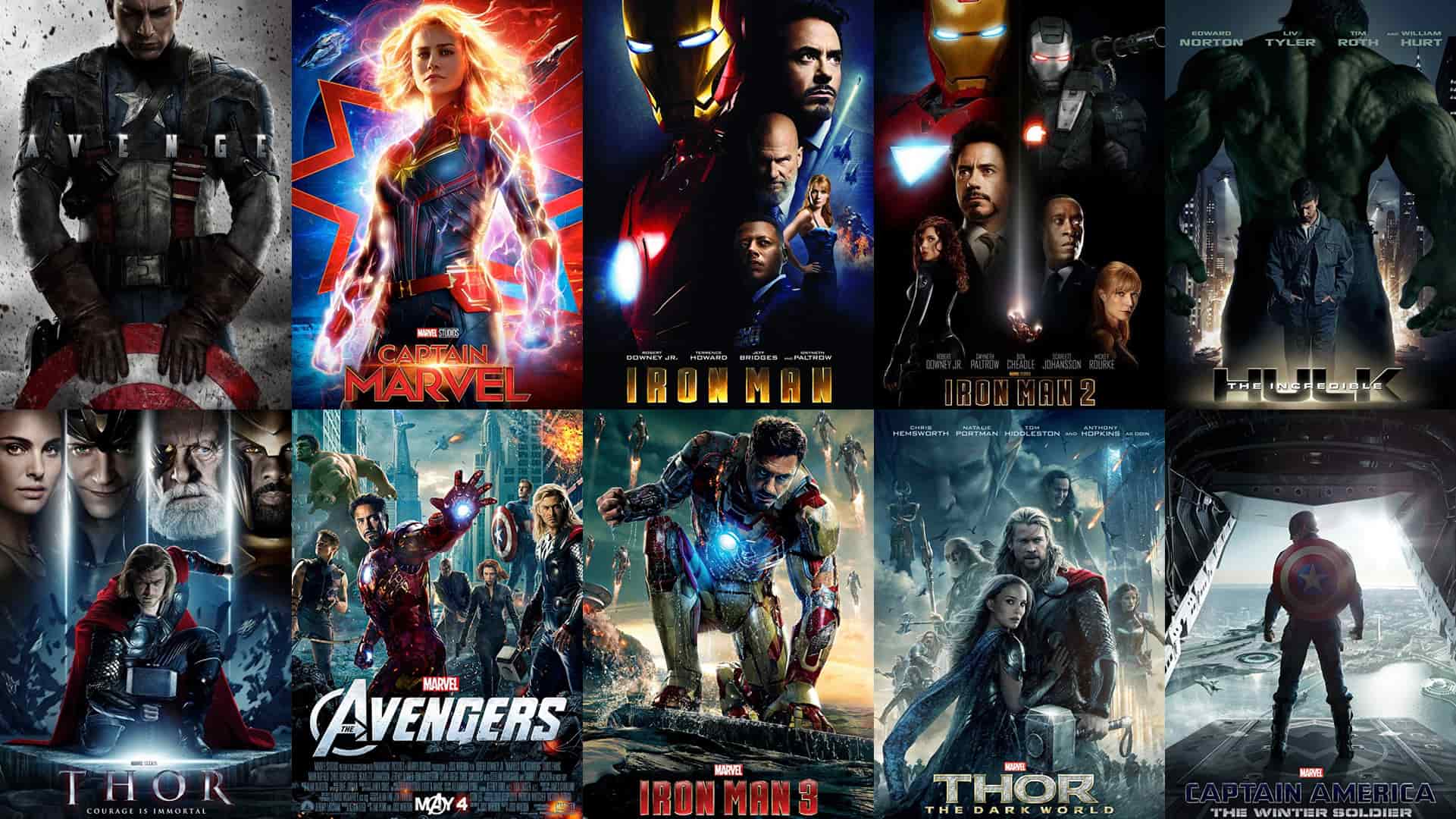
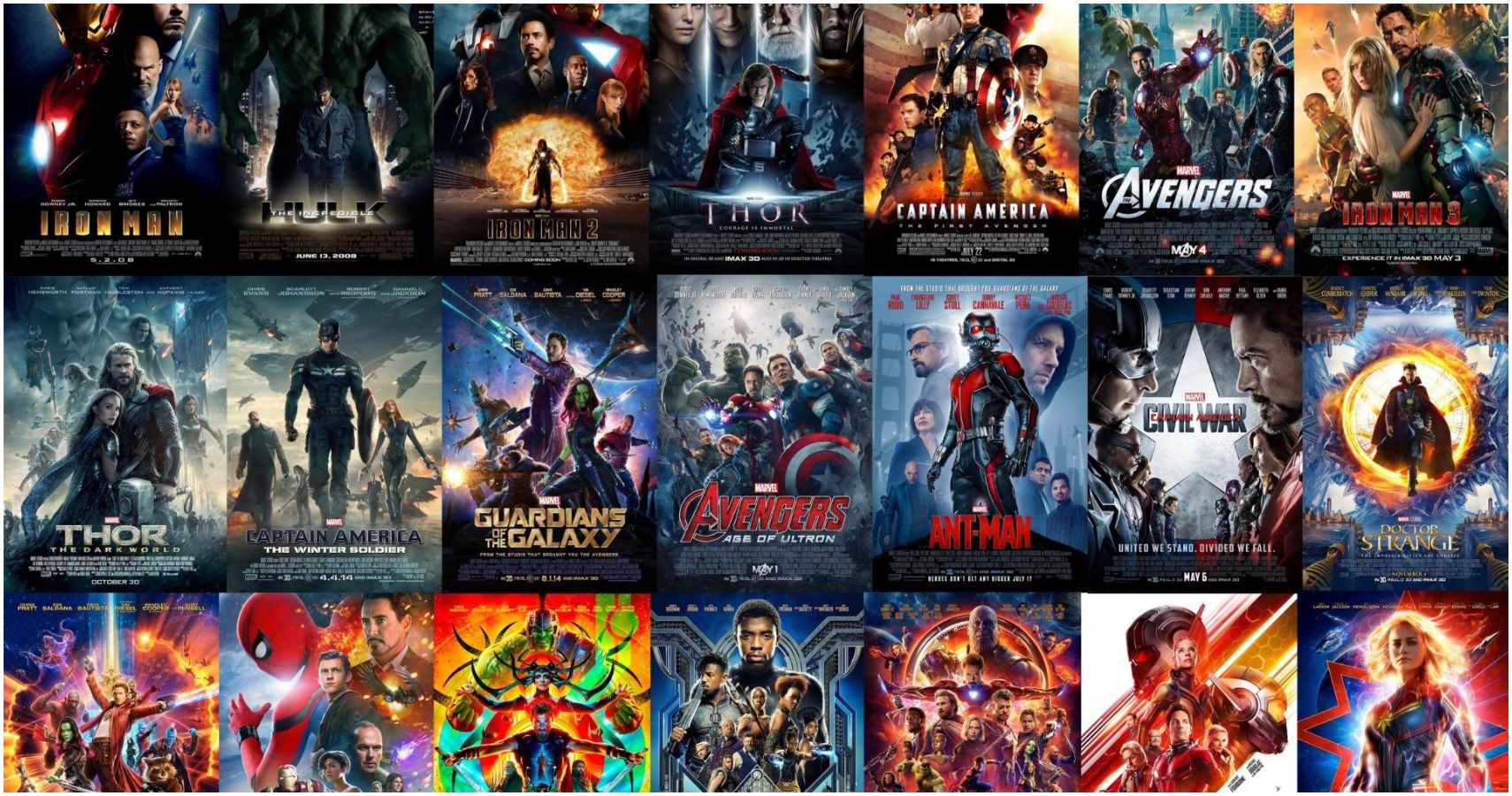
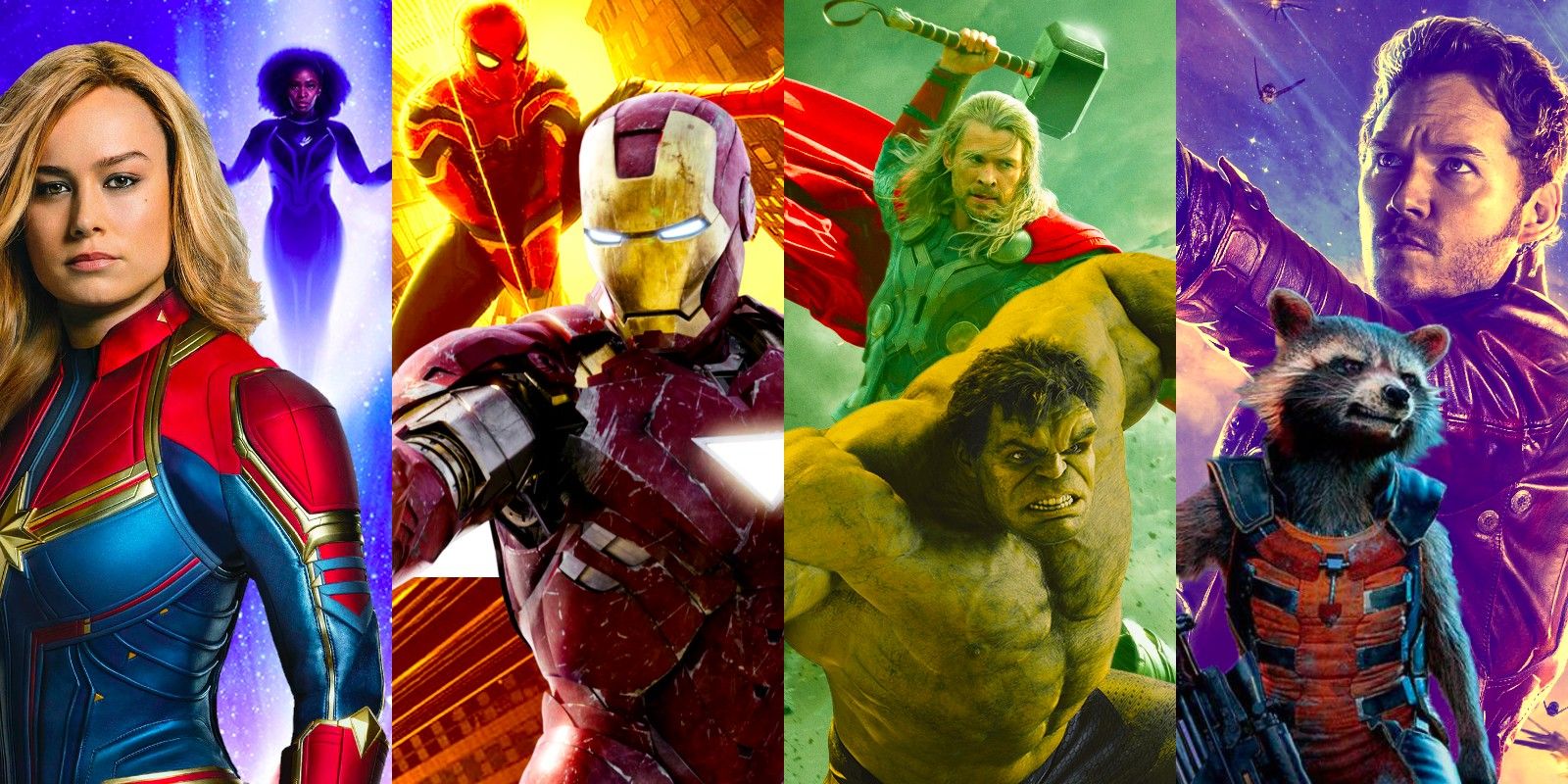
The Marvel Cinematic Universe (MCU) is a sprawling interconnected franchise of feature films produced by Marvel Studios, beginning with 2008's Iron Man. As of 2026, the series spans over 38 movies divided into distinct "Phases" and "Sagas," representing the most successful shared-universe experiment in cinematic history. This overview provides a verified list of all theatrical releases, their chronological placement, and the structural organization of the franchise.
The Foundation of the Infinity Saga: Phases 1 Through 3
The first era of the MCU, known as The Infinity Saga, was designed to introduce a diverse roster of heroes and slowly weave their narratives together toward a confrontation with the Mad Titan, Thanos. This saga is characterized by its disciplined buildup and the establishment of the "Marvel Formula"—a blend of action, humor, and character-driven stakes.
Phase 1: Avengers Assembled
Phase 1 served as the proof-of-concept for the shared universe. It began with the grounded, tech-focused Iron Man (2008) and ended with the unprecedented team-up in The Avengers (2012). This phase focused on the "Big Three"—Iron Man, Captain America, and Thor—while introducing the concept of S.H.I.E.L.D. and the Tesseract, the first Infinity Stone to appear on screen. The primary goal was to demonstrate that individual solo films could culminate in a massive crossover event without losing narrative coherence.
Phase 2: Expansion and New Worlds
Phase 2 (2013–2015) expanded the scope of the universe beyond Earth. Guardians of the Galaxy (2014) took the franchise into deep space, proving that even obscure characters could become household names. This phase also introduced more complex themes, such as the surveillance-state allegories in Captain America: The Winter Soldier (2014) and the existential threats created by heroism in Avengers: Age of Ultron (2015).
Phase 3: The Culmination
Phase 3 (2016–2019) is the largest and most commercially successful segment of the Infinity Saga. It introduced heavy hitters like Doctor Strange, Black Panther, and Captain Marvel, while also integrating Spider-Man into the MCU through a landmark deal with Sony Pictures. The narrative reached its zenith with Avengers: Infinity War (2018) and Avengers: Endgame (2019), which concluded the decade-long Thanos storyline. The saga officially ended with Spider-Man: Far From Home (2019), acting as an epilogue to the global trauma of "The Blip."
The Multiverse Saga: Phases 4 Through 6
Following the conclusion of the Infinity Saga, Marvel Studios transitioned into the Multiverse Saga. This era is defined by the exploration of alternate realities, the introduction of the next generation of heroes, and the integration of concepts previously owned by 20th Century Fox (such as the X-Men and Fantastic Four).
Phase 4: A Period of Transition
Phase 4 (2021–2022) was a period of rapid expansion and experimentation. For the first time, the movies were supplemented by high-budget Disney+ series that shared direct continuity with the films. On the big screen, Spider-Man: No Way Home (2021) and Doctor Strange in the Multiverse of Madness (2022) solidified the multiverse as the central narrative pillar. This phase was also notable for its focus on legacy, passing the torch to characters like Shuri in Black Panther: Wakanda Forever (2022).
Phase 5: Escalation
Phase 5 (2023–2025) focused on the rising threat of Kang the Conqueror and the stabilization of the franchise's overarching plot. Deadpool & Wolverine (2024) served as a massive cultural milestone, officially bringing the "Mutant" era into the core MCU. This phase emphasized the importance of the street-level and cosmic balance, leading into the highly anticipated return of classic Marvel icons.
Phase 6: The Modern Era and Avengers: Doomsday
As of mid-2026, Phase 6 is the current focal point of the MCU. With the release of The Fantastic Four: First Steps (2025) and the seismic arrival of Avengers: Doomsday (2026), the franchise has pivoted back to concentrated, event-style filmmaking. The re-introduction of Robert Downey Jr. to the franchise—now portraying the villainous Victor von Doom—has redefined the stakes for the upcoming Avengers: Secret Wars.
Verified MCU Release Order and Metadata
The following table lists every theatrical film in the MCU from 2008 through the current releases of 2026. This list is verified against official Marvel Studios distribution records.
| Release Year | Movie Title | Phase | Primary Protagonist(s) |
|---|---|---|---|
| 2008 | Iron Man | 1 | Tony Stark |
| 2008 | The Incredible Hulk | 1 | Bruce Banner |
| 2010 | Iron Man 2 | 1 | Tony Stark |
| 2011 | Thor | 1 | Thor Odinson |
| 2011 | Captain America: The First Avenger | 1 | Steve Rogers |
| 2012 | The Avengers | 1 | The Avengers Team |
| 2013 | Iron Man 3 | 2 | Tony Stark |
| 2013 | Thor: The Dark World | 2 | Thor Odinson |
| 2014 | Captain America: The Winter Soldier | 2 | Steve Rogers |
| 2014 | Guardians of the Galaxy | 2 | Star-Lord / Guardians |
| 2015 | Avengers: Age of Ultron | 2 | The Avengers Team |
| 2015 | Ant-Man | 2 | Scott Lang |
| 2016 | Captain America: Civil War | 3 | Steve Rogers / Tony Stark |
| 2016 | Doctor Strange | 3 | Stephen Strange |
| 2017 | Guardians of the Galaxy Vol. 2 | 3 | Star-Lord / Guardians |
| 2017 | Spider-Man: Homecoming | 3 | Peter Parker |
| 2017 | Thor: Ragnarok | 3 | Thor Odinson |
| 2018 | Black Panther | 3 | T'Challa |
| 2018 | Avengers: Infinity War | 3 | The Avengers / Guardians |
| 2018 | Ant-Man and the Wasp | 3 | Scott Lang / Hope van Dyne |
| 2019 | Captain Marvel | 3 | Carol Danvers |
| 2019 | Avengers: Endgame | 3 | The Avengers Team |
| 2019 | Spider-Man: Far From Home | 3 | Peter Parker |
| 2021 | Black Widow | 4 | Natasha Romanoff |
| 2021 | Shang-Chi and the Legend of the Ten Rings | 4 | Shang-Chi |
| 2021 | Eternals | 4 | The Eternals |
| 2021 | Spider-Man: No Way Home | 4 | Peter Parker |
| 2022 | Doctor Strange in the Multiverse of Madness | 4 | Stephen Strange |
| 2022 | Thor: Love and Thunder | 4 | Thor Odinson |
| 2022 | Black Panther: Wakanda Forever | 4 | Shuri |
| 2023 | Ant-Man and the Wasp: Quantumania | 5 | Scott Lang |
| 2023 | Guardians of the Galaxy Vol. 3 | 5 | The Guardians Team |
| 2023 | The Marvels | 5 | Carol Danvers / Monica Rambeau / Kamala Khan |
| 2024 | Deadpool & Wolverine | 5 | Wade Wilson / Logan |
| 2025 | Captain America: Brave New World | 5 | Sam Wilson |
| 2025 | Thunderbolts* | 5 | The Thunderbolts Team |
| 2025 | The Fantastic Four: First Steps | 6 | Reed Richards / The Fantastic Four |
| 2026 | Avengers: Doomsday | 6 | The Avengers / Doctor Doom |
Understanding Viewing Orders: Release vs. Chronological
New viewers often face a dilemma: should they watch the movies in the order they were released in theaters, or in the order that events occur within the fictional timeline?
Release Order
Release order is the recommended method for first-time viewers. This order ensures that the post-credit scenes—a staple of the MCU—make sense. For example, Captain Marvel (2019) takes place in the 1990s, but its post-credit scene directly links to the events of Avengers: Infinity War (2018). Watching in release order allows the audience to experience the evolution of the cinematography, the deepening of the lore, and the mystery-solving as the original audience did.
Chronological Order
Chronological order places the films in the sequence of the MCU's internal history. This begins with Captain America: The First Avenger (set in the 1940s) and ends with the current 2026 releases (set in the near-future timeline, roughly 2026-2027). Chronological viewing is often preferred by enthusiasts during re-watches to see how historical events—like the founding of S.H.I.E.L.D. or the Kree-Skrull war—impact the modern-day stories. However, this order can be confusing for newcomers as it often introduces characters or concepts that are only explained in films released years earlier.
The Role of Disney+ and Transmedia Storytelling
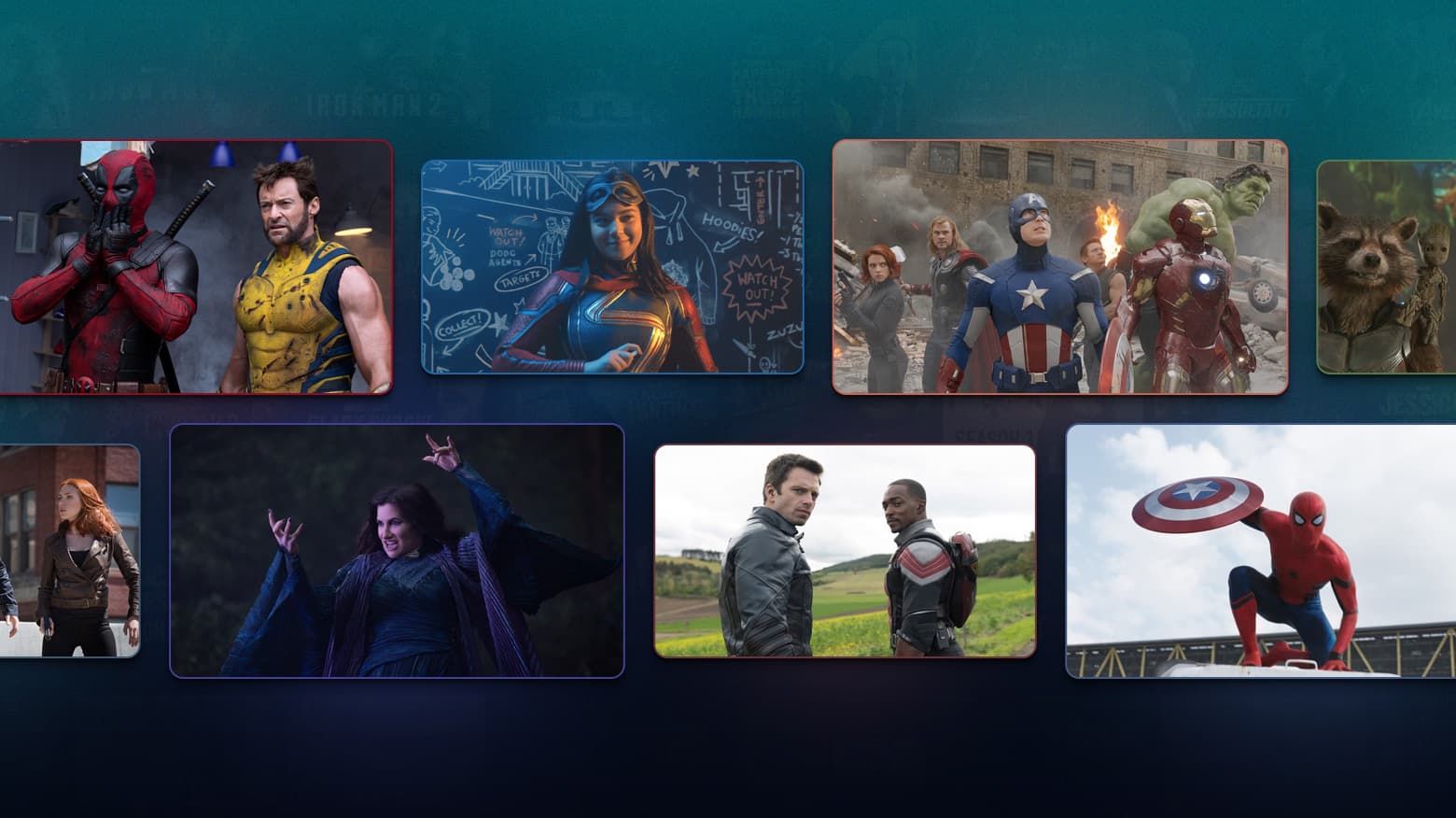
By 2026, it is impossible to discuss the "complete" MCU without acknowledging the integration of Disney+ series. While this article focuses on the feature films, several movies now have "prerequisites" in the form of television shows.
For instance, The Marvels (2023) relies heavily on the character development established in Ms. Marvel and WandaVision. Similarly, the events of Avengers: Doomsday (2026) are influenced by the multiverse developments seen in Loki. For a viewer seeking a 100% verified understanding of the narrative, the movies function as the major "tentpole" events, while the series provide the connective tissue. When planning a marathon, it is essential to check if a specific film's emotional arc began on the small screen.
Financial and Cultural Impact
The MCU is more than a film series; it is a global economic force. The franchise has collectively grossed over $30 billion at the worldwide box office. Avengers: Endgame remains one of the highest-grossing films of all time, a testament to the power of long-term serialized storytelling.
Beyond the numbers, the MCU has reshaped how Hollywood views intellectual property. The "shared universe" model, once a novelty, became a standard pursuit for major studios, though few have replicated Marvel’s success or longevity. The 2024-2026 era has shown a particular focus on "event" fatigue management, with Marvel Studios reducing its annual output to prioritize quality and visual effects consistency—a shift that has been well-received by critics and fans alike as the franchise enters its late-Phase 6 era.
Frequently Asked Questions
Do I need to watch the Fox X-Men movies to understand the current MCU?
While the original 20th Century Fox X-Men films (2000–2020) are not officially part of the MCU's "Sacred Timeline," they are essential context for the Multiverse Saga. Deadpool & Wolverine (2024) and Avengers: Doomsday (2026) utilize characters and actors from those previous franchises. To fully appreciate the "fan service" and character histories, having a basic knowledge of the Fox films is highly beneficial.
Is "The Incredible Hulk" (2008) still canon?
Yes, The Incredible Hulk remains a verified part of the MCU, despite the lead actor (Edward Norton) being replaced by Mark Ruffalo in subsequent films. Characters from that movie, such as General Thaddeus "Thunderbolt" Ross and The Abomination, have continued to appear in the MCU throughout Phases 3, 4, and 5.
What is the significance of the "The Blip"?
"The Blip" is the five-year period between Avengers: Infinity War and Avengers: Endgame when half of all life in the universe was erased and then returned. This event is the most significant historical marker in the MCU. Almost every movie in Phases 4 and 5 deals with the social, economic, and psychological consequences of this event.
Are there any MCU movies not on Disney+?
Generally, most MCU films are available on Disney+. However, due to licensing agreements, the Spider-Man trilogy (starring Tom Holland) and The Incredible Hulk sometimes move between streaming platforms like Sony’s partner sites or Netflix. By 2026, most of these have been consolidated into Disney+ in various regions, but local availability may still vary based on legacy contracts.
How do I know when the next MCU movie is coming out?
Marvel Studios typically announces its slate at major events like San Diego Comic-Con (SDCC) or Disney’s D23 Expo. For the most accurate, verified information, fans should consult the official Marvel.com "Movies" section, which lists confirmed release dates and trailers for upcoming projects like Avengers: Secret Wars.
Starting Your MCU Journey
For a new viewer in 2026, the best "next action" is to begin with the Infinity Saga (Phases 1-3) in release order. While the temptation to jump straight into the multiversal spectacles of the 2020s is high, the emotional weight of the current Phase 6 films—especially the return of familiar faces in new roles—is entirely dependent on the foundation laid between 2008 and 2019. Start with Iron Man (2008), and allow the world-building to unfold naturally. If you are short on time, focusing on the core "Avengers" films will provide the essential narrative skeleton of this massive cinematic achievement.