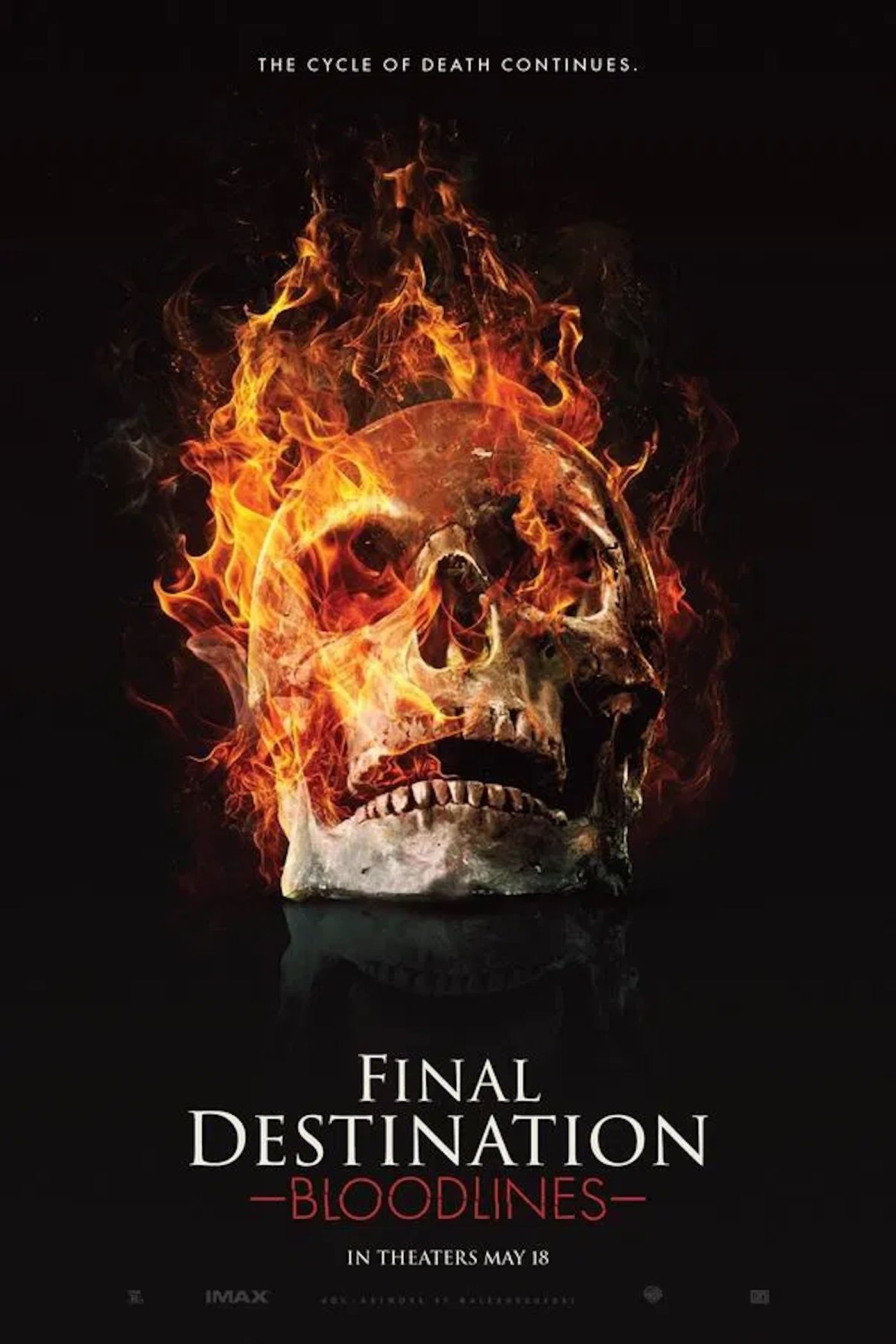
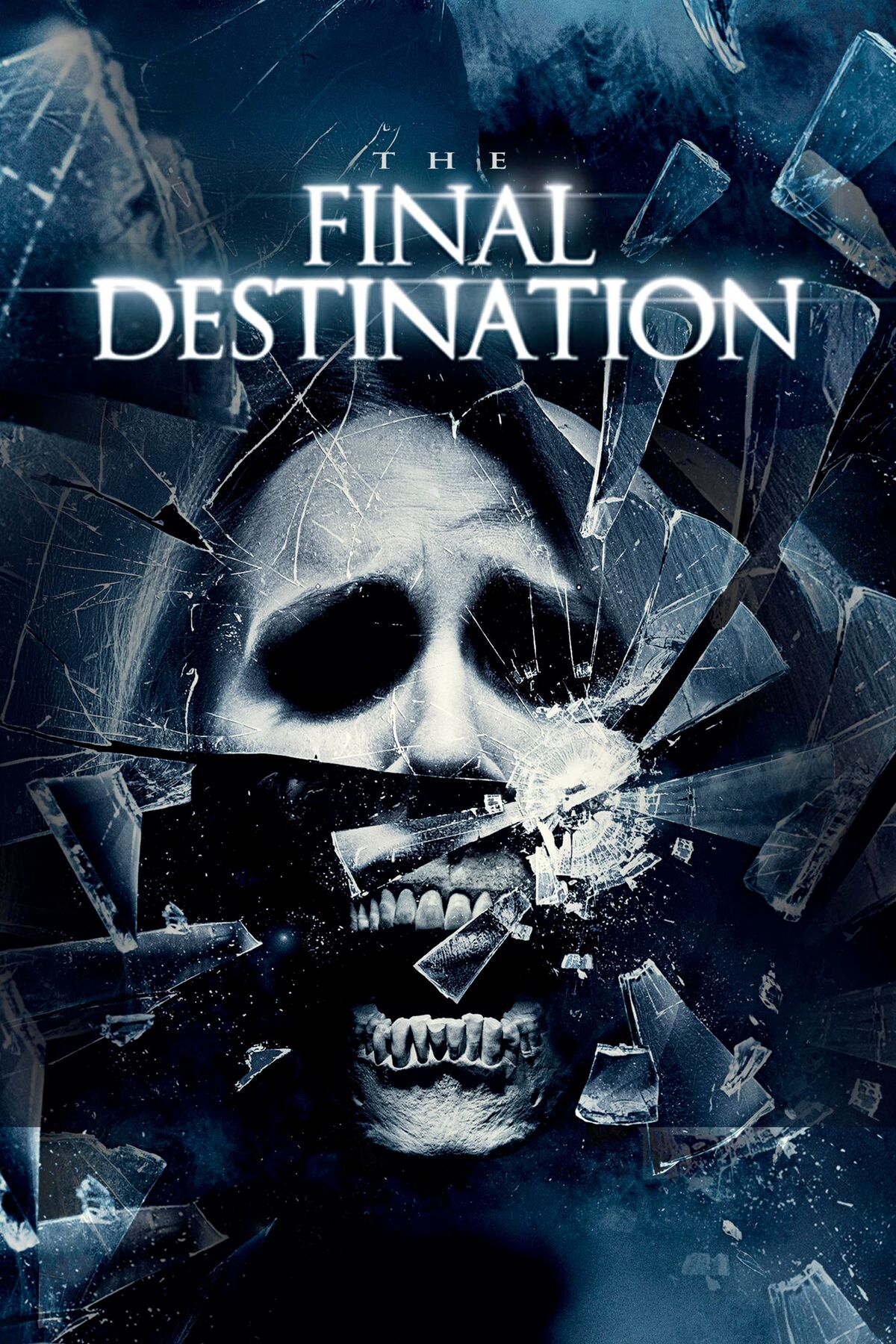
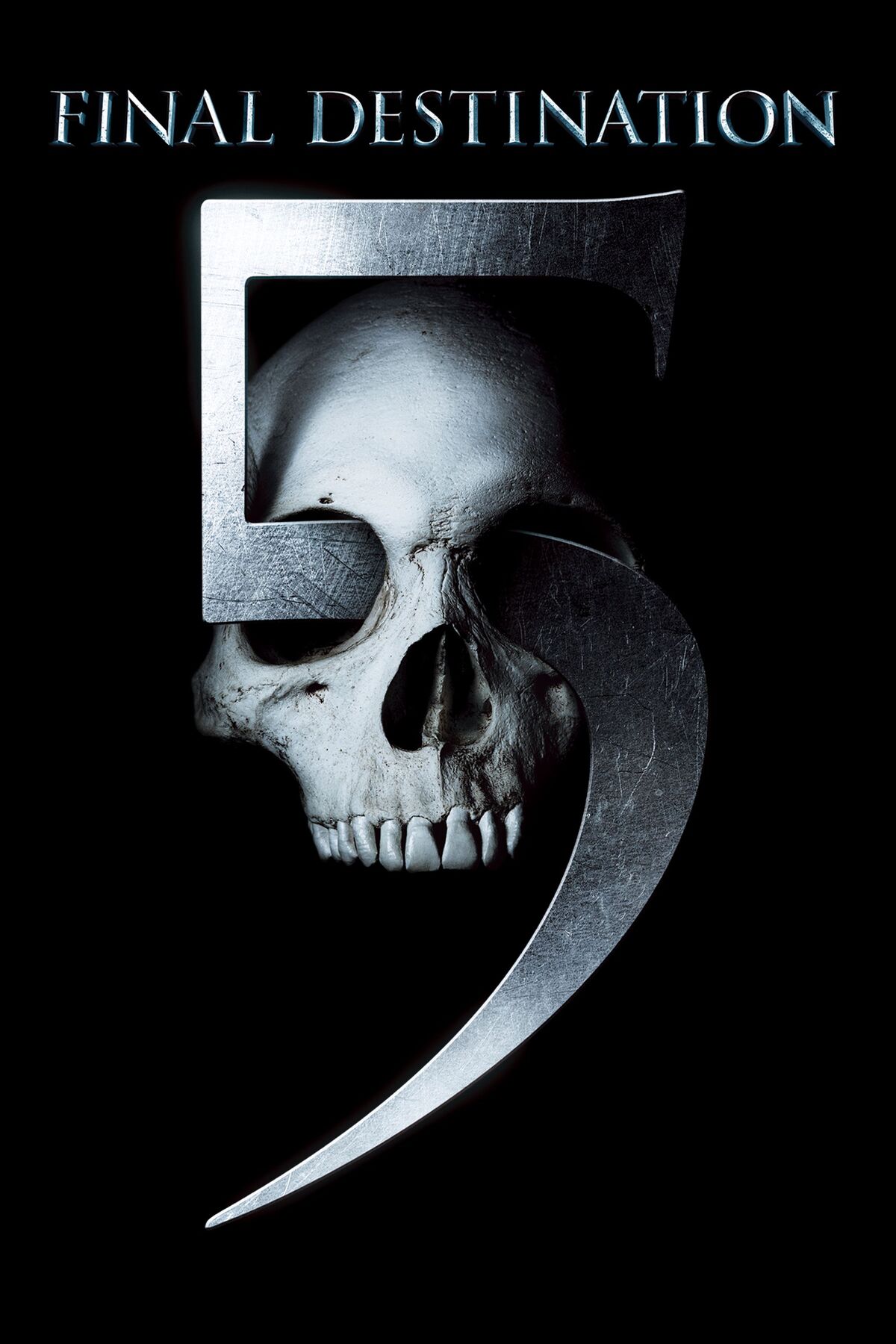
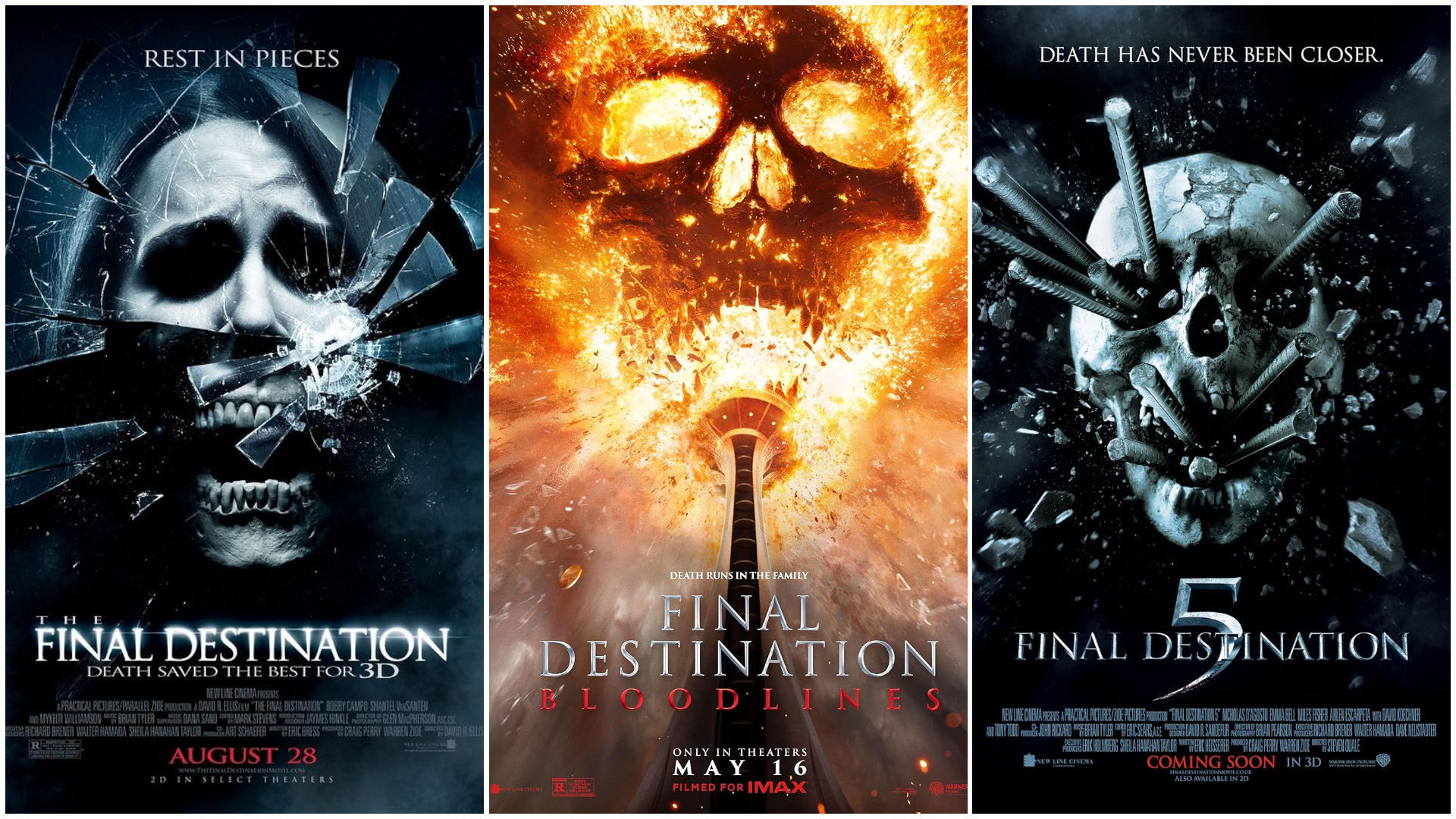
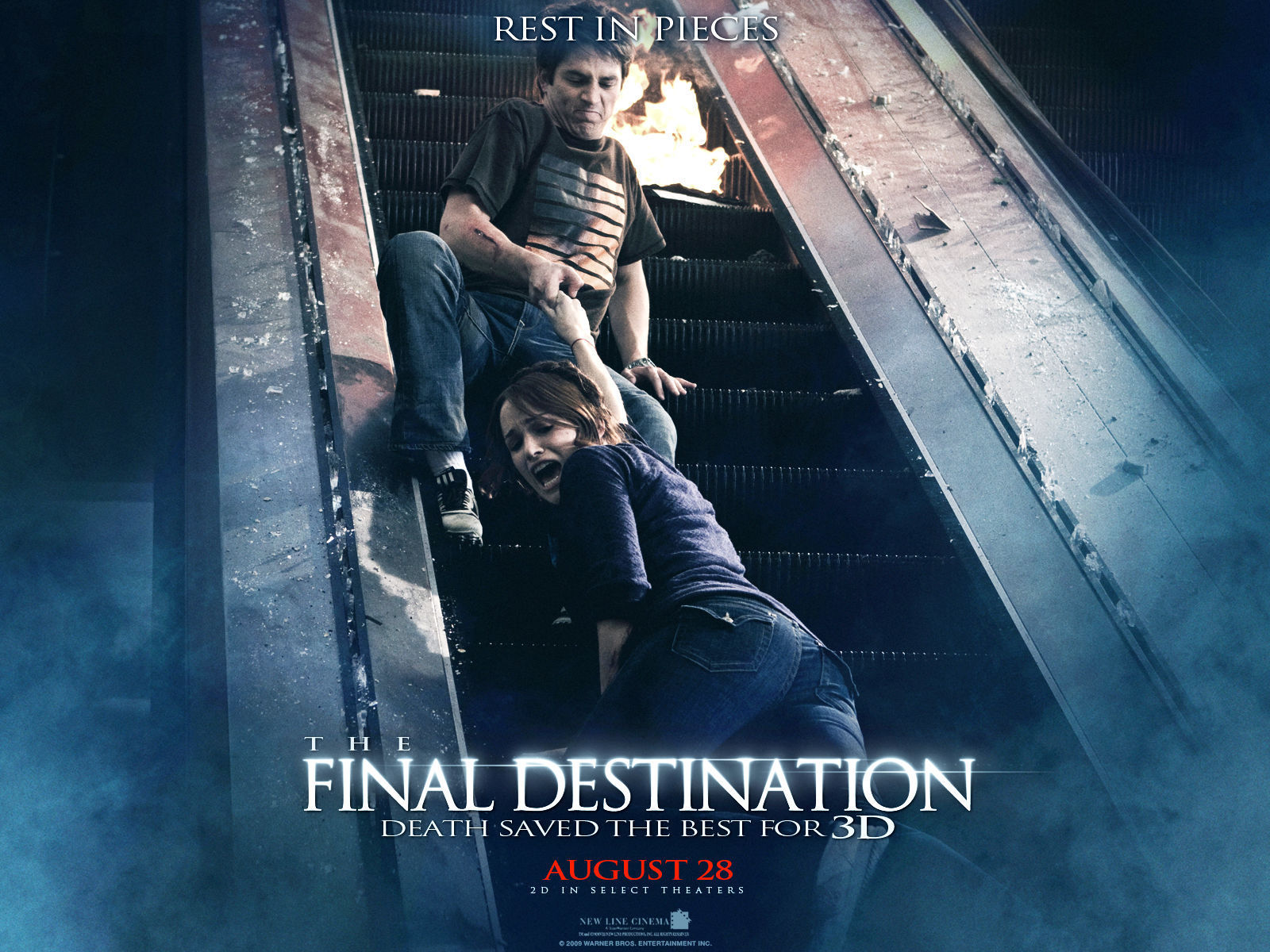
The Final Destination franchise features 48 primary on-screen fatalities across its first five films, with additional casualties introduced in the 2025 release Final Destination: Bloodlines. These deaths follow a rigid internal logic where survivors of a mass-casualty premonition are stalked by an unseen "Death" to reclaim their missed appointments in a specific, predetermined order.
The Mechanics of Death's Design
In the world of Final Destination, Death is not a physical slasher but an invisible force that manipulates the environment through "Rube Goldberg" sequences. These are complex chains of cause and effect where a minor inconvenience—a leaking pipe, a loose screw, or a stray spark—escalates into a lethal event. Understanding the complete list of fatalities requires recognizing the "Design."
The Design is the order in which the characters were supposed to die during the initial disaster. If a protagonist has a premonition and saves a group, Death pursues them in that exact sequence. However, various sequels introduced "rules" to circumvent this: "New Life" (a birth) can reset the design, or "intervening" (saving someone) can skip a person, though these fixes are often temporary. By the time we reach the events of the latest 2025-2026 cycle, the franchise has firmly established that while the design can be stalled, it is rarely defeated.
Fatalities of Flight 180 (Final Destination, 2000)
The original film set the standard for the series, focusing on the survivors of a mid-air explosion. The deaths in this installment are characterized by their domestic settings, turning everyday household items into weapons.
- Tod Waggner: The first to die after the explosion. His death occurs in a bathroom where a leaking toilet causes him to slip, landing him in a clothesline that strangles him. The technical brilliance of this scene lies in the "back-flowing" water, which is used as a visual cue for Death’s presence.
- Terry Chaney: Her death is the franchise's first "jump scare" fatality. While arguing with other survivors on the street, she is instantaneously leveled by a speeding bus. It established that Death doesn't always need a complex setup; sometimes, it just needs a lapse in situational awareness.
- Ms. Valerie Lewton: This is arguably the most complex sequence in the first film. It involves a cracked mug, vodka, a monitor explosion, and a kitchen fire, ending with a falling knife block. It serves as the blueprint for the "chain reaction" deaths the series became famous for.
- Billy Hitchcock: Decapitated by a piece of flying debris from a train track.
- Carter Horton: Though his death is the final beat of the film (crushed by a giant neon sign in Paris), it confirms that skipping an individual in the order only delays the inevitable.
The Route 23 Pile-up Victims (Final Destination 2, 2003)
The second film increased the scale of the opening disaster and the gore of the subsequent deaths. It also introduced the concept that the survivors of the second film were only alive because the survivors of the first film had inadvertently caused "ripples" in the design.
- Evan Lewis: After winning the lottery, Evan survives a kitchen fire only to be impaled through the eye by a falling fire escape ladder. This death highlights the "irony" theme often present in the series.
- Tim Carpenter: A teenager crushed by a massive glass pane at a construction site. This death is noted for its suddenness and the extreme physical impact shown on screen.
- Nora Carpenter: Trapped in an elevator when her hair gets caught on a prosthetic limb enthusiast's hooks. She is decapitated as the elevator doors close and the car ascends.
- Kat Jennings: A car accident triggers a malfunctioning airbag, which shoves her head back into a sharp pipe protruding from her seat.
- Rory Peters: Dissected by a flying barbed-wire fence propelled by an explosion.
- Eugene Dix and Clear Rivers: Both die in a hospital oxygen explosion. Clear Rivers’ death was particularly significant as she was the sole survivor of the original film's cast to make it to the sequel.
The Devil’s Flight Rollercoaster Deaths (Final Destination 3, 2006)
Final Destination 3 introduced a new mechanic: clues hidden in photographs taken by the protagonist, Wendy Christensen. This added a layer of "forensic" horror to the fatalities.
- Ashley Freund and Ashlyn Halperin: The "tanning bed" deaths remain some of the most claustrophobic in the series. A leaking drink causes a shelf to collapse, locking the beds and causing a thermal runaway.
- Frankie Cheeks: His head is pulverized by a truck engine fan in a drive-thru accident.
- Lewis Romero: During a gym workout, two heavy weights collapse inward, crushing his skull. The scene emphasizes the "macho" character's refusal to acknowledge danger.
- Ian McKinley: Sliced in half by a falling cherry picker at a community festival.
- Perry Malinowski: Impaled by a flagpole during a horse-related panic at the same festival.
The McKinley Speedway and Beyond (The Final Destination & FD5)
The fourth film, The Final Destination (2009), utilized 3D technology, which influenced the types of deaths shown—often involving objects being propelled toward the camera. Notable deaths include Hunt Wynorski (disemboweled by a pool drain) and Andy Kewzer (crushed against a chain-link fence).
Final Destination 5 (2011) is widely praised for its return to the suspenseful roots of the franchise. It also introduced the "kill or be killed" rule.
- Candice Hooper: A gymnast who falls from the uneven bars after a chain of events involving a loose screw and a stray staple. Her body folds upon impact in a highly graphic sequence.
- Isaac Palmer: An acupuncture session gone wrong, ending with a heavy Buddha statue crushing his head.
- Olivia Castle: Falls through a window after a laser eye surgery malfunction.
- Nathan Sears: Accidentally kills a co-worker to "take" their life, but later dies when a landing gear door falls from the sky (Flight 180).
Comprehensive List of Notable Movie Fatalities
The following table summarizes the most significant on-screen deaths across the core franchise installments leading into the 2026 landscape.
| Character Name | Movie | Primary Cause of Death | The "Death's Design" Trigger |
|---|---|---|---|
| Tod Waggner | FD1 | Strangulation | Leaking toilet/Water tension |
| Terry Chaney | FD1 | Bus Impact | Distraction/Street crossing |
| Valerie Lewton | FD1 | Kitchen Knife/Explosion | Thermal shock/Computer fire |
| Evan Lewis | FD2 | Eye Impalement | Fire escape ladder failure |
| Tim Carpenter | FD2 | Glass Crushing | Construction crane mishap |
| Nora Carpenter | FD2 | Elevator Decapitation | Tangled hair/Prosthetic hook |
| Ashley & Ashlyn | FD3 | Tanning Bed Incineration | Condensation/Wood shelf collapse |
| Lewis Romero | FD3 | Weight Machine Crushing | Gym equipment failure |
| Hunt Wynorski | TFD | Pool Drain Suction | Golf ball/Drain pressure |
| Candice Hooper | FD5 | Gymnastics Fall | Loose screw/Staple on mat |
| Sam Lawton | FD5 | Airplane Explosion | Flight 180 Engine failure |
The Impact of Final Destination: Bloodlines (2025)
As of 2026, the most recent addition to the canon is Final Destination: Bloodlines. This film shifted the focus toward a "generational" curse, suggesting that Death's Design can follow a family bloodline if an ancestor cheated death decades earlier. This installment added several fatalities involving modern technology, including smart-home malfunctions and drone-related accidents. The "Bloodlines" deaths are characterized by a higher degree of irony, often reflecting the characters' digital dependencies.
The inclusion of these new fatalities brings the total count of named, on-screen deaths in the franchise to over 60. The 2025 film also clarified the "original" incident that set the entire series in motion, providing a historical context that spans back to the 1960s.
Patterns and Survival Strategies
Analysis of the fatalities reveals that while no one truly "escapes" death permanently, certain actions can delay the process.
- The Intervention Method: If a survivor is about to die and someone else saves them, Death skips that person and moves to the next in line. However, the skipped person remains on the list and will be targeted again once the cycle completes.
- The Sacrifice Rule: Introduced in the fifth film, this suggests that if you take the life of someone who was not meant to die, you can "earn" their remaining years. This proved to be a cruel trick of Death, as the "remaining years" of the victim are often unknown and could be mere minutes.
- The New Life Exception: The idea that a life created (a birth) can break the design of those who were meant to die. This was the central plot of the second film, though its efficacy remains debated among fans.
Frequently Asked Questions
Can you actually survive Death's Design?
In the context of the movies, no survivor has been confirmed to die of natural causes at an old age. Even those who appear to have escaped (like Kimberly and Burke in the second film) are often revealed to have died in "off-screen" accidents mentioned in DVD extras or sequels. Death is depicted as a patient, relentless force that eventually corrects any balance.
Why do the deaths get more complicated in the later movies?
This is a combination of audience expectations and the internal logic of the franchise. As characters become aware of Death's presence, they take precautions. Death, in turn, must create more elaborate, Rube Goldberg-style traps to circumvent their defenses and make the deaths look like "accidents" to the outside world.
Is there a specific order to the deaths?
Yes. The order is always determined by the sequence in which the characters would have died in the original premonition. If the protagonist saw Person A die first, then Person B, then Person C, Death will hunt them in that exact order (A, then B, then C).
How does the "Flight 180" connection work in the fifth movie?
Final Destination 5 is actually a prequel. The film ends with the survivors, Sam and Molly, boarding a plane that is revealed to be Flight 180 from the first movie. This creates a closed loop, showing that the events of the fifth film occurred just days before the events of the first.
What is the most common cause of death in the series?
While the methods vary, "Crushing/Blunt Force Trauma" remains the most common physical cause of death. This includes being hit by buses, crushed by glass, or leveled by heavy machinery. This is followed closely by decapitation and impalement.
Recommended Viewing for Completionists
To fully appreciate the scope of movie fatalities in the Final Destination series, viewers should watch the films in chronological order of their release, followed by a second viewing in "Timeline Order" (starting with Final Destination 5, then Final Destination, through to Bloodlines). Pay close attention to background details, as many deaths are "foreshadowed" by signs, songs (such as "Dust in the Wind" or "Rocky Mountain High"), and subtle environmental cues. For those interested in the technical aspects of these sequences, the "Behind the Scenes" features on the physical releases offer deep dives into how practical effects and CGI were combined to create the franchise's most iconic kills.