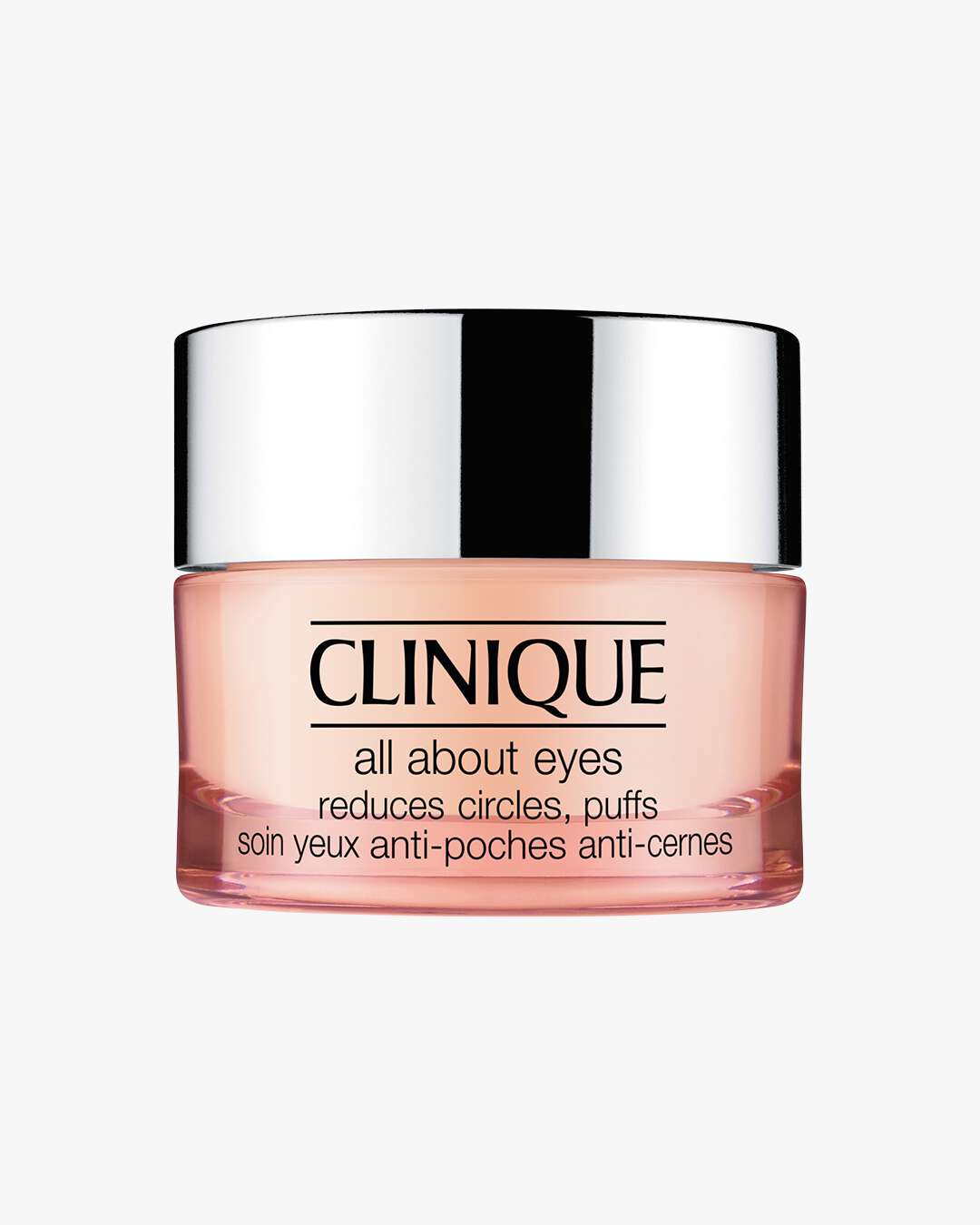
Eye creams are specialized topical formulations engineered specifically for the delicate skin surrounding the eyes, designed to target hydration, fine lines, vascular dark circles, and fluid puffiness. While these targeted treatments deliver concentrated active ingredients into thin periorbital tissue, practical expectations dictate understanding that topical formulations improve surface texture and mild discoloration but cannot alter genetic bone structure or herniated fat pads.
Anatomy of the Periorbital Skin: Why Targeted Care Matters
The skin encircling the human eye—known medically as the periorbital region—is structurally distinct from the skin covering the rest of the face and body. Measuring approximately 0.5 millimeters in thickness, it is roughly one-fourth as thick as facial dermal tissue on the cheeks or forehead. This structural brevity makes the under-eye area exceptionally vulnerable to environmental stressors, internal dehydration, and premature signs of intrinsic aging.
Beyond its physical thinness, periorbital skin possesses a significantly lower density of sebaceous (oil) glands. With fewer natural lipids produced to lubricate the stratum corneum, the under-eye zone suffers from elevated rates of transepidermal water loss (TEWL). As moisture evaporates rapidly, fine lines driven by dehydration appear earlier and present more prominently here than anywhere else on the face.
Furthermore, the periorbital area undergoes continuous mechanical strain. The orbicularis oculi muscle beneath the skin contracts constantly throughout the day to support blinking, squinting, smiling, and facial expressions—exerting thousands of micro-movements daily. Combined with a dense network of superficial capillary blood vessels visible through thin skin, this anatomical complexity requires formulas that accommodate heightened sensitivity while addressing specific dermal vulnerabilities.
Primary Uses and Functional Benefits of Eye Cream
Targeted eye creams serve several distinct functions within a modern dermatological routine, bridging the gap between general facial moisture and high-potency spot treatments.
Deep Hydration and Epidermal Plumping
Because the under-eye area lacks sufficient oil glands, hydration is the foundational goal of any eye cream. Formulations rich in humectants draw water into the upper epidermal layers, immediately swelling dry skin cells. This plumping effect smoothes microscopic surface crevices, temporarily softening the appearance of fine dehydration lines and preventing the tight, itchy sensation common in dry climates or low-humidity indoor environments.
Skin Barrier Reinforcement
The delicate periorbital barrier breaks down easily under the strain of harsh winds, rubbing, makeup application, and strong cleansing agents. Eye creams formulated with physiologic lipids assist in restoring the intercellular matrix. By fortifying the lipid barrier, these creams reduce moisture loss, diminish reactivity to environmental irritants, and maintain skin flexibility.
Microcirculation and Fluid Drainage Support
Targeted eye treatments often aim to alleviate localized fluid retention and vascular stagnation. Poor lymphatic drainage during sleep or prolonged eye strain can cause fluid to accumulate in the loose connective tissues beneath the eyes. Ingredients designed to stimulate microcirculation help encourage fluid evacuation, diminishing transient morning puffiness.
Pigmentation and Vascular Tone Management
Under-eye discoloration often stems from localized melanin production, thin skin revealing underlying red/blue vascular networks, or post-inflammatory hyperpigmentation. Specialist formulations work to inhibit tyrosinase (the enzyme responsible for melanin synthesis) or strengthen micro-capillary walls to reduce blood pooling beneath the skin.
Collagen Preservation and Dermal Firming
To counter progressive elasticity loss, eye creams utilize active ingredients that stimulate structural proteins within the dermis. Regular application helps preserve existing collagen fibers and encourages the synthesis of new extracellular matrix components, improving overall skin density over long-term use.
Essential Ingredients in Modern Eye Creams
Understanding the chemical building blocks of eye creams allows consumers to select products based on verified mechanism of action rather than marketing promises.
- Core Eye Cream Ingredient Matrix
- Hydrators (Hyaluronic Acid, Glycerin)
- Barrier Repairs (Ceramides, Fatty Acids)
- Cell Turnover (Low-Dose Retinol, Bakuchiol)
- Microcirculation (Caffeine, Escin)
- Brighteners (Niacinamide, Vitamin C Derivatives)
Hydrators and Humectants
- Hyaluronic Acid (Multi-Molecular Weights): Low-molecular-weight hyaluronic acid penetrates deeper epidermal layers to hydrate from within, while high-molecular-weight fractions remain on the surface to bind moisture and smooth fine texture.
- Glycerin: A classic, non-irritating humectant that attracts ambient water to the stratum corneum, maintaining fluid balance without risking follicular congestion.
- Squalane: A lightweight, non-comedogenic lipid mimicking human sebum that seals in humectant-supplied moisture without burdening thin skin.
Barrier-Restoring Lipids
- Ceramides (NP, AP, EOP): Essential lipids that rebuild the damaged intercellular mortar of the skin barrier, diminishing skin sensitivity and chronic water loss.
- Cholesterol and Free Fatty Acids: Work synergistically alongside ceramides in a 1:2:1 molar ratio to optimize barrier repair mechanisms.
Collagen Stimulators and Cell Turnover Agents
- Peptides (Palmitoyl Tripeptide-1, Palmitoyl Tetrapeptide-7, Acetyl Hexapeptide-8): Amino acid chains that signal fibroblasts to produce collagen or temporarily relax surface micro-tensions, softening expression lines.
- Encapsulated Retinol: Low-dose vitamin A derivatives designed for slow release. They accelerate cellular turnover and stimulate structural collagen synthesis while minimizing the erythema and peeling common with prescription retinoids.
- Bakuchiol: A botanical alternative to retinol that provides antioxidant protection and encourages cellular renewal through similar gene-expression pathways without causing irritation.
Vascular and Brightening Actives
- Caffeine: A vasoconstrictor that temporarily narrows blood vessels beneath the skin, reducing redness, dark vascular undertones, and fluid accumulation.
- Niacinamide (Vitamin B3): Inhibits melanosome transfer to lessen localized dark spots while simultaneously boosting natural ceramide synthesis and dampening inflammation.
- Ascorbyl Glucoside & Tetrahexyldecyl Ascorbate: Stable, gentle derivatives of Vitamin C that neutralize free radicals, brighten dull tone, and support collagen production without the sting of pure L-ascorbic acid.
Practical Expectations vs. Common Skincare Myths
A key challenge in under-eye care is separating cosmetic achievable outcomes from physical impossibilities. Setting realistic timelines and understanding physiological limits prevents disappointment and unnecessary expenditure.
| Under-Eye Concern | Primary Root Cause | What Eye Creams CAN Achieve | What Eye Creams CANNOT Achieve |
|---|---|---|---|
| Fine Lines & Crepiness | Surface dehydration & gradual loss of superficial dermal collagen. | Plump superficial lines via intense humectants; gradually rebuild epidermal density with peptides/retinol. | Eradicate deep structural creases or dynamic expression wrinkles entirely. |
| Puffiness (Transient) | Fluid retention from salt intake, sleep posture, allergies, or alcohol consumption. | Temporarily constrict vessels and promote fluid drainage using caffeine and soothing botanicals. | Remove structural infraorbital fat pads (herniated eyelid fat). |
| Structural Under-Eye Bags | Herniation of orbital fat pads through weakened orbital septum due to aging or genetics. | Mildly firm overlying skin texture to slightly soften the border shadow. | Dissolve, reposition, or remove localized fat deposits. |
| Vascular Dark Circles | Thin, translucent skin revealing underlying orbital blood vessels and muscle. | Temporarily constrict capillaries and thicken superficial dermal layers over time to obscure vessels. | Eliminate hyper-pigmented bone shadows or permanently alter capillary depth. |
| Pigmented Dark Circles | Excess melanin accumulation from genetics, sun exposure, or chronic rubbing. | Brighten sun-induced hyperpigmentation and slow excess melanin synthesis over weeks of use. | Alter hyperpigmentation caused by deep orbital bone structure or hollow tear troughs. |
| Tear Trough Hollows | Loss of mid-face fat volumes, facial bone reabsorption, or congenital facial geometry. | Improve surface hydration and light reflectivity, making the skin surface look smoother. | Replace lost subcutaneous fat, alter bone structure, or recreate deep tissue volume. |
How to Apply Eye Cream Correctly
Improper application techniques can cause ocular irritation, localized swelling, or mechanical damage to fragile tissues. Following a precise methodology ensures optimal delivery without compromising skin health.
- Dispense Pea-Sized Amount
- Tap onto Ring Fingers
- Press Gently along Orbital Bone
- Avoid Direct Eyelid & Lash Line Contact
Step-by-Step Application Guide
- Cleanse and Prep: Ensure hands and face are thoroughly cleansed. Apply your eye cream after lightweight water-based serums but before heavy facial oils or dense occlusive creams.
- Measure the Dose: Dispense a small, pea-sized amount of product for both eyes combined. Over-application increases the risk of product migration into the eyes, leading to stinging, blurred vision, or milia formation.
- Choose the Finger: Use your ring finger. Anatomically, the ring finger exerts the least natural muscular pressure, reducing the likelihood of tugging or pulling fragile periorbital tissue.
- Target the Orbital Bone: Gently dot the cream along the bony ridge encircling the eye socket (the orbital bone). Start from the inner corner beneath the eyebrow, move outward toward the temple, and sweep along the lower orbital bone toward the bridge of the nose.
- Pat, Do Not Rub: Lightly tap the product into the skin using a delicate pressing motion until absorbed. Friction breaks down delicate capillaries and accelerates elasticity loss.
- Maintain Distance from the Lash Line: Keep product at least half an inch away from the lower eyelash margin and eyelid edges. Facial warmth and natural ocular blinking cause creams to migrate upward into the eye itself, which can irritate the conjunctiva.
Managing Side Effects and Common Hazards
While eye creams are formulated for high tolerability, the delicate nature of periorbital skin means adverse reactions can still occur.
Milia Formation
Milia are small, keratin-filled cysts that appear as tiny, firm white bumps under the skin. They frequently arise when heavy, occlusive petroleum- or butter-based formulas clog the shallow hair follicles of the periorbital zone. If milia develop, transition to a lightweight gel-cream or serum formula containing non-comedogenic hydration sources like hyaluronic acid and squalane.
Contact Dermatitis and Ocular Irritation
The periorbital region is unusually susceptible to allergic contact dermatitis and irritant contact dermatitis. Synthetic fragrances, essential oils, high concentrations of unbuffered acids, and strong retinoids are common culprits. Always perform a patch test on the inner forearm or side of the neck before applying a new formulation near the eyes. If stinging, redness, flaking, or swelling occurs, discontinue use immediately.
Practical Recommendations for Choosing Your Eye Cream
Selecting an eye cream requires matching specific cosmetic concerns with verified active ingredients while considering your skin's baseline sensitivity.
Identify Your Primary Concern
- For Dehydration and Fine Lines: Look for formulas prioritizing ceramides, multi-molecular weight hyaluronic acid, glycerin, and squalane.
- For Morning Puffiness: Choose gel-based formulas incorporating caffeine, green tea extract, and cool-touch metal rollerball applicators to encourage manual lymphatic drainage.
- For Hyperpigmentation: Seek out stable Vitamin C derivatives, niacinamide, licorice root extract, or kojic acid.
- For Loss of Firmness: Target low-dose encapsulated retinol, bakuchiol, or multi-peptide complexes (such as matrixyl or copper peptides).
Consider Texture and Time of Day
- Daytime Formulations: Opt for fast-absorbing, lightweight gels or fluid lotions that layer seamlessly beneath sunscreen and makeup without pilling.
- Nighttime Formulations: Choose richer, lipid-dense creams that provide sustained moisture release and barrier repair throughout the sleep cycle.
Frequently Asked Questions
Is an eye cream strictly necessary, or can I use my regular facial moisturizer?
A standard facial moisturizer can work for the eye area if it is completely free of fragrances, strong exfoliants, or high concentrations of active acids. However, dedicated eye creams are specifically formulated to account for thin skin thickness, offering lower risk of ocular irritation, targeted active concentrations, and lighter textures that prevent milia formation.
How long does it take to see visible results from an eye cream?
Hydration and minor plumping benefits are usually visible within minutes of application. Addressing vascular puffiness with caffeine typically yields results within 30 to 60 minutes. However, pigment reduction, structural barrier repair, and collagen rebuilding require consistent daily application for 8 to 12 weeks to register noticeable clinical improvements.
Can eye creams completely remove dark circles?
No cosmetic eye cream can completely eliminate dark circles caused by genetic bone structure, deep orbital hollows, or prominent subcutaneous blood vessels. Eye creams can brighten sun-induced melanin deposits and temporarily diminish vascular congestion, but deep structural dark circles require medical or dermatological procedures such as hyaluronic acid fillers or laser therapy.
Can I apply eye cream directly onto my upper eyelids?
Unless a product is explicitly tested and labeled for safe upper-eyelid application, avoid placing standard eye creams directly on the mobile eyelid or upper lash line. Products applied to the upper eyelid easily slide into the eye during blinking, causing blurred vision, irritation, or clogged meibomian glands.
At what age should I start incorporating an eye cream into my routine?
Preventative care focused on basic hydration and antioxidant protection can begin in your early to mid-20s, when natural collagen production begins its subtle decline. Incorporating corrective actives like peptides or low-dose retinoids becomes most beneficial in your late 20s to early 30s as structural elasticity changes become visible.
Next Steps for Building an Effective Eye Care Routine
To build a safe and effective under-eye routine, begin by assessing your primary concern—distinguishing simple dehydration from structural hollowing or genetic pigmentation. Introduce one new formula at a time, performing a patch test on your inner arm for 48 hours to confirm tolerability. Always pair your morning eye care routine with a broad-spectrum mineral or chemical sunscreen suitable for sensitive skin, as UV protection remains the single most effective way to prevent premature collagen breakdown and hyperpigmentation around the eyes.