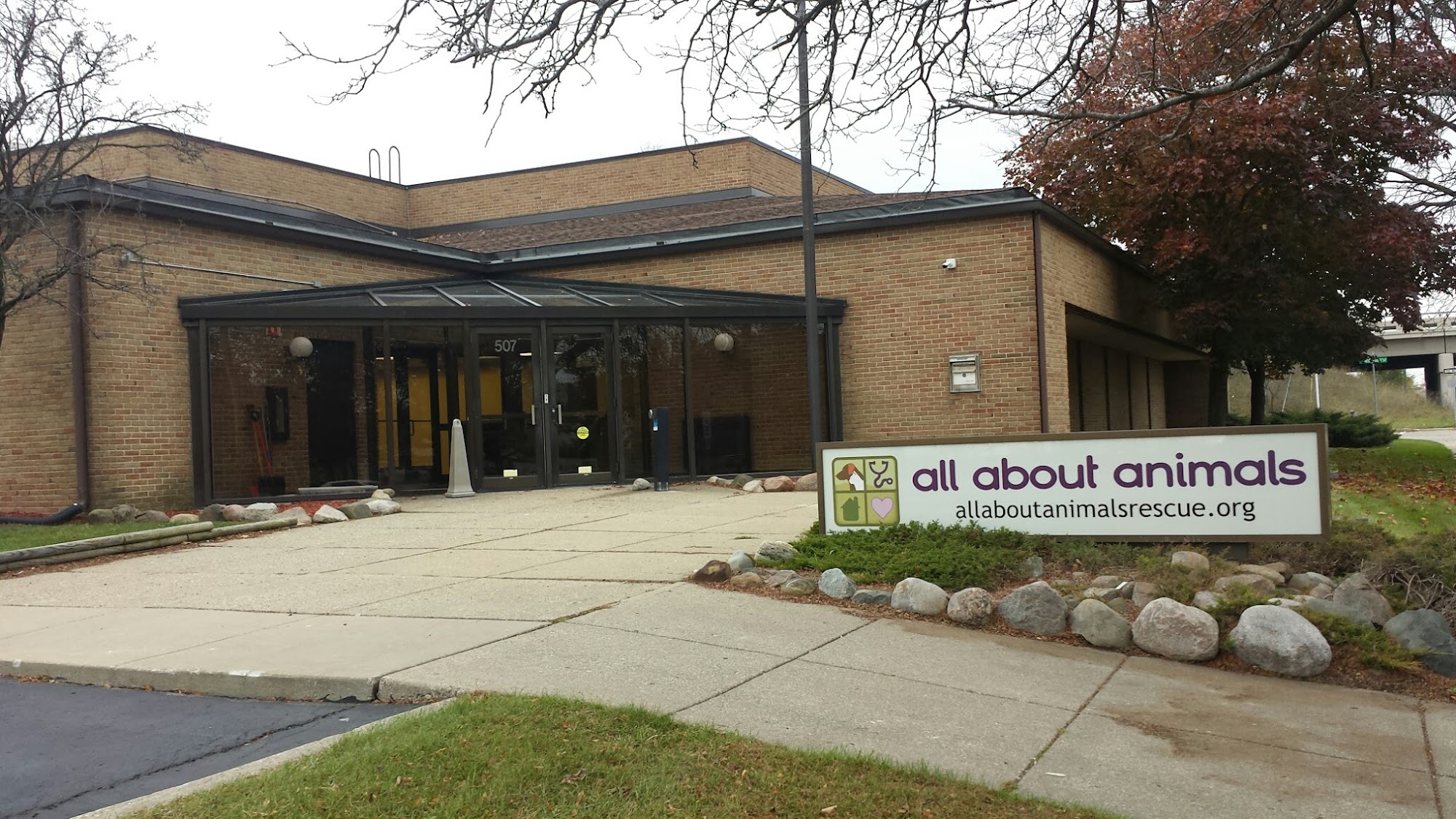
Flint and Genesee County offer a rich ecosystem where urban neighborhoods, public parklands, and river corridors intersect. Whether you need low-cost veterinary services from organizations like All About Animals Rescue, need to understand local pet licensing regulations, or want to safely navigate interactions with native wildlife along the Flint River, having access to verified local resources ensures the safety and well-being of both domestic pets and native species.
Navigating Pet Care Services in Flint: Low-Cost Veterinary Care and Rescue Networks
Managing pet health in Flint requires understanding the network of non-profit organizations, municipal agencies, and shelter systems operating across Genesee County. High-volume spay and neuter clinics, preventative wellness programs, and rescue organizations play a vital role in reducing pet overpopulation and protecting community animal health.
- Genesee County Pet Care System
- Low-Cost Clinics (Preventative/Spay/Neuter)
- Municipal Shelter (Licensing/Strays/Enforcement)
- Humane Societies (Adoptions/Surrender/Care)
All About Animals Rescue
All About Animals Rescue is one of Michigan's largest non-profit spay/neuter and veterinary wellness organizations. Operating a dedicated clinic on West Atherton Road in Flint, the organization focuses on making veterinary care accessible and affordable. Their core services include high-volume, low-cost spay and neuter surgeries for cats and dogs, core vaccinations (such as rabies, distemper, and parvo), microchipping, heartworm testing, and flea and tick preventatives.
The organization also runs a targeted Trap-Neuter-Return-Monitor (TNRM) program for community and feral cats. This program helps stabilize free-roaming cat populations in urban Flint neighborhoods by providing sterilization, vaccination, and ear-tipping before returning cats to their outdoor caretakers.
Genesee County Animal Control
Genesee County Animal Control (GCAC), located on West Pasadena Avenue in Flint, serves as the primary municipal agency enforcing animal welfare laws and managing stray animals. GCAC handles public safety calls regarding dangerous or loose animals, investigates reports of animal cruelty and neglect, processes stray intakes, and administers mandatory dog licensing for the county. Pet owners searching for lost pets or seeking to report lost and found animals should contact GCAC promptly, as stray hold periods are legally limited.
Humane Society of Genesee County
Located in nearby Burton along South Dort Highway, the Humane Society of Genesee County operates as a private, non-profit animal welfare organization independent of government funding. The facility focuses on pet adoptions, owner surrenders, public education, and end-of-life care support. They work closely with local veterinary offices and rescue partners to rehome dogs, cats, and small domestic animals.
Essential Pet Ownership Regulations, Licensing, and Animal Welfare Laws
Pet ownership in Flint is governed by both municipal ordinances and Michigan state law, specifically the Michigan Dog Law of 1919 (Act 339) and Michigan Act 287 of 1969. Compliance with these laws helps protect pet health, prevents legal penalties, and aids in reuniting lost animals with their owners.
Dog Licensing Requirements
In Genesee County, all dogs aged four months and older must be licensed annually or triennially, depending on the duration of their rabies vaccination. To obtain a dog license, owners must present valid proof of a current rabies vaccination administered by a licensed veterinarian.
- Proof of Rabies Vaccination: Must include the vaccine expiration date, serial number, and veterinary license details.
- Proof of Sterilization: Spayed or neutered dogs qualify for significantly discounted licensing fees compared to unaltered pets.
- Grace Periods and Renewal: Licenses must be renewed annually by the end of the month in which the rabies vaccine was given or according to county renewal schedules to avoid late fee surcharges.
Leash Laws and Tethering Rules
Flint city ordinances require pets to be kept under physical control at all times when off the owner's private property. Leashes must not exceed six feet in length in public spaces unless in designated off-leash dog parks.
Michigan law also strictly regulates outdoor tethering and animal shelter requirements. Pets kept outdoors must have access to clean, potable water and adequate, insulated shelter that protects them from extreme weather conditions, including harsh Michigan winters and summer heat waves. Unattended tethering for extended periods or during extreme weather advisories can result in animal neglect charges.
Bite Reporting and Rabies Quarantine
If a domestic animal bites a human or another animal causing skin breakage, Michigan state public health laws require the incident to be reported immediately to local animal control or the Genesee County Health Department. The biting animal must undergo a mandatory 10-day quarantine period—either at home under animal control supervision or at the county shelter—to monitor for symptoms of rabies, regardless of current vaccination status.
Native Wildlife of Flint and Genesee County: Habitats and Species Breakdown
Flint’s geographical setting along the Flint River basin creates a diverse environment for native Michigan wildlife. Suburban neighborhoods, urban green spaces, and surrounding county parks support a wide variety of mammal, bird, reptile, and amphibian species.
- Flint River Basin Wildlife Ecosystem
- Terrestrial Mammals (Deer, Coyotes, Foxes, Raccoons)
- Riparian & Aquatic (Beavers, Otters, Turtles, Fish)
- Avian Species (Herons, Eagles, Waterfowl)
Mammals of the Urban-Suburban Interface
- White-Tailed Deer (Odocoileus virginianus): Highly adaptable, deer are common throughout parklands such as For-Mar Nature Preserve & Arboretum and urban woodlots. Drivers along major roadways like I-69, I-75, and Davison Road must exercise caution, particularly during autumn breeding season (rut).
- Eastern Coyote (Canis latrans): Coyotes inhabit both rural and suburban areas of Genesee County. They are nocturnal and crepuscular, preying primarily on small rodents, rabbits, and fallen fruit. While generally fearful of humans, they may view unmonitored small pets as potential prey.
- Red Fox (Vulpes vulpes) and Gray Fox (Urocyon cinereoargenteus): Frequently seen near brushy edge habitats and suburban gardens. They help control rodent populations and present minimal danger to humans when left unmolested.
- Raccoons, Opossums, and Skunks: Common urban adapters that nest in tree cavities, sheds, under decks, or in chimneys. The Virginia opossum is Michigan's only native marsupial and provides significant ecological benefits by consuming large numbers of ticks and insects.
Avian Life along the Flint River Corridor
The Flint River acts as a crucial migratory corridor and residential habitat for dozens of bird species. The Michigan Department of Natural Resources manages wildlife protection and oversees seasonal conservation standards across these watersheds.
- Waterfowl and Wading Birds: Great Blue Herons, Green Herons, Mallards, Wood Ducks, and Canada Geese nest extensively along riverbanks and local retention ponds.
- Raptors: Red-tailed Hawks, Cooper's Hawks, Screech Owls, and Great Horned Owls are established predators throughout the county. Bald Eagles are increasingly observed nesting along undisturbed stretches of the Flint River and near the Holloway Reservoir.
Reptiles and Amphibians
Genesee County is home to several non-venomous snake species, including the Eastern Garter Snake, Northern Water Snake, and Milk Snake. The Eastern Massasauga Rattlesnake—Michigan’s only venomous snake—is rare, federally protected, and typically confined to undisturbed wetland habitats far from central urban areas. Native turtles include the Painted Turtle, Snapping Turtle, and the protected Blanding’s Turtle, which relies on clean wetland corridors for survival.
Coexisting Safely with Urban Wildlife and Managing Wildlife Encounters
Living alongside wildlife in Flint requires proactive measures to avoid conflict, prevent property damage, and ensure pet safety. Simple habitat modification and deterrence strategies are effective at preventing unwanted wildlife interactions.
Preventing Urban Wildlife Conflicts
- Secure Waste Containers: Use heavy-duty trash cans with locking lids, and store garbage bins inside a garage or shed until the morning of pickup.
- Eliminate Outdoor Food Sources: Feed domestic pets indoors. If outdoor feeding is necessary, clear away leftover food immediately. Remove bird feeders if raccoons, skunks, or rodents become problematic, or use squirrel guards and clean up spilled seed daily.
- Seal Entry Points: Inspect home foundations, soffits, vents, and roofs. Cap chimneys with stainless steel mesh and seal gaps larger than a quarter inch to prevent squirrels, bats, and raccoons from nesting.
- Maintain Yard Boundaries: Trim tree branches hanging within six feet of rooflines, clear dense brush piles, and block access underneath porches or decks using heavy hardware cloth buried six inches into the ground.
Protocol for Injured, Sick, or Orphaned Wildlife
Finding wild animals in distress requires careful evaluation before intervening. Young animals are often left alone by their mothers for extended periods as a natural survival strategy.
Wildlife Encounter Protocol
- Young/Uninjured Animal
- Leave undisturbed & observe for 24 hours
- Injured/Sick Animal
- Contact Licensed Wildlife Rehabilitator
- Young/Uninjured Animal
Orphaned Wildlife: Fawn deer, fledgling birds, and young rabbits found alone are rarely orphaned. Unless the mother is known to be deceased or the animal shows visible signs of injury, leave the animal undisturbed and observe from a distance for 24 hours.
Rabies Vector Species: Raccoons, skunks, bats, foxes, and woodchucks are primary rabies vectors in Michigan. Never handle these species directly with bare hands. If a bat enters a living space where people or pets were sleeping, do not release it; contact local public health officials immediately to arrange for rabies testing.
Contacting Licensed Rehabilitators: In Michigan, only individuals holding a valid Michigan DNR Wildlife Rehabilitation Permit are legally authorized to take in and rehabilitate injured or orphaned native wildlife. Contact the Michigan DNR or a registered regional rehabilitation group before attempting to capture or transport any wild animal.
Comparative Overview: Animal Services and Wildlife Resources in Flint
The following table summarizes key agencies and organizations serving pet owners and wildlife concerns across Flint and Genesee County.
| Organization / Entity | Scope & Primary Focus | Location / Service Area | Primary Contact & Utility |
|---|---|---|---|
| All About Animals Rescue | Low-cost spay/neuter, vaccinations, microchipping, wellness care, TNRM programs | 507 W. Atherton Rd, Flint, MI 48507 | Primary resource for affordable preventative veterinary care and outdoor cat spay/neuter. |
| Genesee County Animal Control | Animal law enforcement, stray intake, licensing, bite investigations, public safety | 4351 W. Pasadena Ave, Flint, MI 48504 | Contact for lost/found pets, reporting animal neglect, stray dogs, and mandatory dog licenses. |
| Humane Society of Genesee County | Non-profit adoption center, animal surrender, community education, end-of-life care | 3325 S. Dort Hwy, Burton, MI 48529 | Primary destination for adopting shelter pets or surrendering owned animals. |
| For-Mar Nature Preserve & Arboretum | County park, environmental education, wildlife observation, natural habitat protection | 2142 N. Genesee Rd, Burton, MI 48509 | Public educational resource for observing native Michigan flora and fauna. |
| Michigan Department of Natural Resources (DNR) | Wildlife management, state game regulations, rehabilitator permits, conservation enforcement | Statewide / Region 10 (Genesee County) | Contact for game law enforcement, state wildlife regulations, and permit holder directories. |
| Genesee County Health Department | Public health protection, human rabies exposure tracking, bite report logging | Flint, MI (Countywide) | Contact for legal guidelines regarding animal bites and vector-borne illness reporting. |
Frequently Asked Questions
What services does All About Animals Rescue provide in Flint, Michigan?
All About Animals Rescue operates a low-cost veterinary clinic in Flint providing high-volume spay and neuter surgeries, core vaccinations (rabies, DHPP, FVRCP), heartworm testing and prevention, microchipping, and parasite control. They also run Trap-Neuter-Return-Monitor (TNRM) programs for community cat management across Genesee County.
How do I report a missing pet or stray animal in Flint?
To report a lost pet or stray animal, contact Genesee County Animal Control immediately. You should visit their shelter in person to check intake kennels, file a lost animal report, and post details on local lost-and-found pet networks. For surrendering pets, contact the Humane Society of Genesee County or local rescue organizations.
Are dog licenses required in Genesee County, and how do I get one?
Yes, all dogs four months of age and older residing in Genesee County must be licensed under state law. Licenses require proof of an up-to-date rabies vaccination certified by a licensed veterinarian. Licenses can be purchased through Genesee County Animal Control, participating local municipal offices, or select veterinary clinics.
What should I do if I find an injured wild animal in Flint or Genesee County?
If you locate an injured wild animal, keep pets and children at a safe distance and do not attempt to handle the animal directly. Contact a licensed Michigan DNR wildlife rehabilitator or the DNR Wildlife Division. Rabies vector species (such as raccoons, bats, and skunks) should only be handled by trained public safety or animal control officers.
What native wildlife species are commonly seen around the Flint River basin?
Common native species along the Flint River corridor include white-tailed deer, red foxes, eastern coyotes, raccoons, Virginia opossums, great blue herons, bald eagles, wood ducks, snapping turtles, and various non-venomous snake species.
Practical Next Steps for Flint Pet Owners and Residents
To maintain animal safety and environmental health in Flint, residents should take proactive measures based on their specific situation:
- Schedule Preventative Care: If your pet requires routine vaccinations, microchipping, or spay/neuter surgery, book an appointment through All About Animals Rescue or your local veterinarian to remain compliant with county licensing laws.
- Update Licensing and Identification: Ensure your dog wears a collar with current rabies tags and county licenses attached. Verify that your pet's microchip contact information is up to date in the manufacturer registry.
- Audit Property Barriers: Inspect your home exterior, shed foundations, and rooflines to seal openings before winter or nesting seasons arrive. Remove open food sources from yards to discourage wildlife intrusion.
- Keep Emergency Contacts Accessible: Store phone numbers for Genesee County Animal Control, local emergency animal hospitals, and the Michigan DNR wildlife directory in your contact list for quick access during animal-related emergencies.