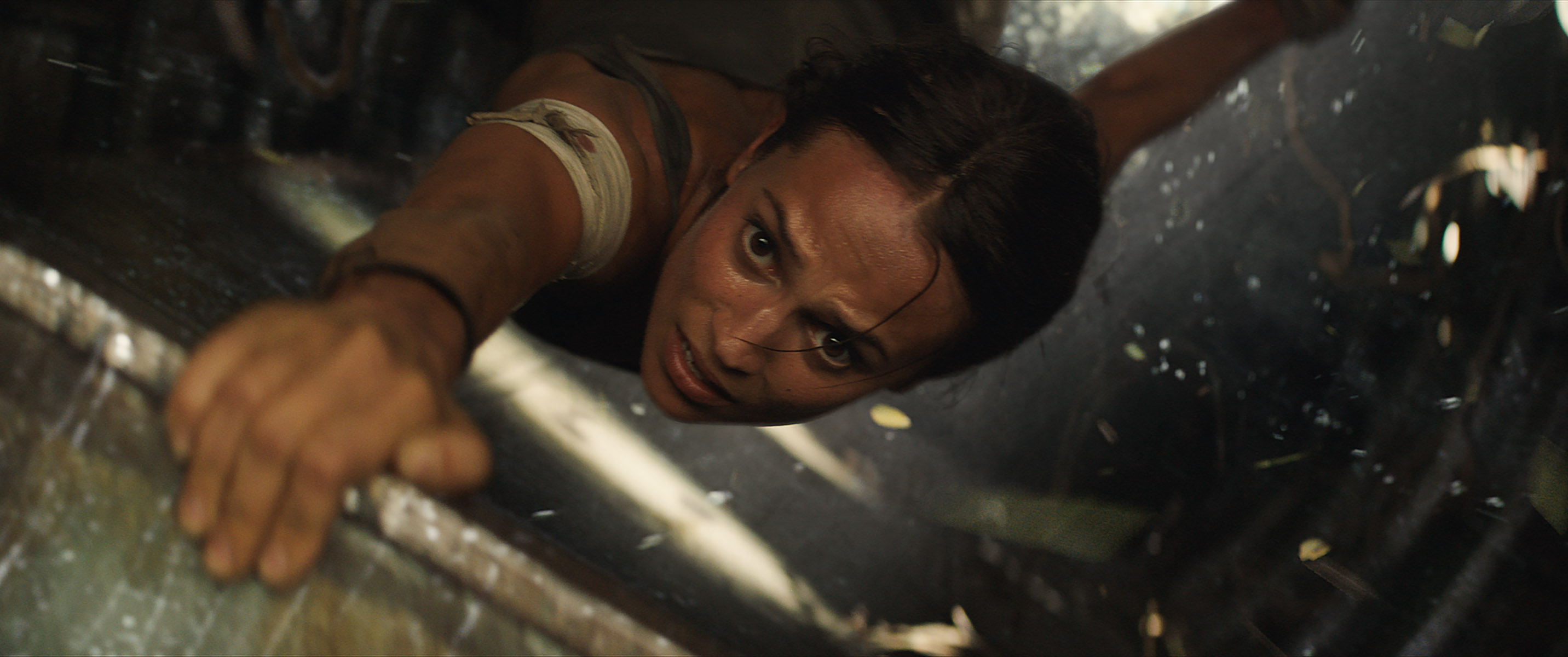
The planned sequel to the 2018 action film Tomb Raider, which would have starred Alicia Vikander as Lara Croft and promised an action-packed adventure with stunning visuals, ultimately did not move forward due to studio restructuring and the expiration of film rights, leaving fans to wonder about the ambitious globe-trotting expedition that might have been.
The Evolution of Lara Croft on Screen and the 2018 Reboot
The cinematic journey of Lara Croft spans two distinct eras, beginning with Angelina Jolie’s iconic portrayals in 2001 and 2003, before Metro-Goldwyn-Mayer (MGM) and GK Films opted for a gritty, grounded reboot in 2018. Directed by Roar Uthaug, this modern adaptation drew heavy inspiration from Crystal Dynamics' critically acclaimed 2013 video game, establishing a younger, more vulnerable, and physically grounded version of the legendary archaeologist. Alicia Vikander, who won an Academy Award for The Danish Girl, underwent intense physical training to embody Lara Croft, performing many of her own stunts and bringing emotional depth to a character previously defined largely by pulp action tropes.
While the 2018 film received mixed reviews from critics, many praised Vikander’s committed performance, the visceral action sequences, and the production's commitment to practical sets and realistic locations over excessive digital effects. Grossing nearly $275 million worldwide against a production budget of approximately $94 million, the film performed solidly enough for MGM to begin exploring a continuation. The core appeal of Vikander's iteration lay in its survivalist aesthetic—Lara was not yet an unflinching tomb raider, but a courier and bike messenger fighting for her life on Yamatai island against the sinister Trinity organization.
Development History of the Unmade Sequel
Plans for a sequel began taking shape shortly after the release of the first film. By April 2019, MGM hired Amy Jump to write the screenplay, with her husband and frequent collaborator Ben Wheatley initially attached to direct. Wheatley’s appointment signaled a shift toward a more stylized, visually distinct direction for the franchise. The creative team aimed to blend the supernatural elements found later in the video game series, specifically drawing inspiration from Rise of the Tomb Raider (2015) and Shadow of the Tomb Raider (2018), with the harsh, kinetic survival mechanics established in the first film.
Production schedules faced severe disruptions due to the COVID-19 pandemic, which halted pre-production across the global film industry. In July 2020, Ben Wheatley departed the project, and by January 2021, Lovecraft Country creator Misha Green was announced as the new writer and director. Green expressed immense enthusiasm for the project, frequently sharing updates with fans regarding her script drafts and confirming that the sequel's working title had briefly been Tomb Raider: Obsidian. Green's vision aimed to introduce iconic elements from the video game lore, promising a thrilling narrative that matched the promised action-packed adventure and stunning visuals expected from a modern blockbuster franchise.
Production Hurdles and the Loss of Film Rights
Despite creative momentum and an eager lead actress, the sequel encountered insurmountable corporate and legal roadblocks. The primary obstacle involved the shifting ownership of the Tomb Raider intellectual property rights. GK Films and MGM held the film rights for a limited window tied to active production milestones. As corporate restructuring swept through Hollywood—culminating in Amazon’s acquisition of MGM in 2022—the studio failed to greenlight the sequel before the rights lapsed.
In October 2022, reports confirmed that MGM had officially lost the film rights to the franchise, returning them to the game's parent company, Embracer Group (which had acquired Crystal Dynamics and Eidos-Montréal from Square Enix earlier that year). Because the rights reverted, Alicia Vikander’s contract was voided, and any development work completed by Misha Green and her team was shelved indefinitely. Vikander publicly expressed disappointment, noting that while she and Green were ready to bring their vision to life, the corporate merger rendered their efforts obsolete.
What Could Have Been: Action-Packed Adventure and Visual Ambitions
Although the film was never shot, details that emerged from interviews with Alicia Vikander and Misha Green painted a vivid picture of the intended scope. The production intended to utilize a mix of exotic international locations and cutting-edge virtual production technology to deliver stunning visuals. Green's script was designed to test Lara Croft's psychological limits while expanding the geopolitical footprint of the Trinity conspiracy, moving from dense urban environments to claustrophobic tombs and sweeping natural vistas.
The action sequences were planned to elevate the visceral hand-to-hand combat and survival archery seen in the 2018 film, incorporating intricate set pieces inspired by the puzzle mechanics of Crystal Dynamics' trilogy. Vikander's physical dedication remained a focal point; the actress routinely noted her readiness to return to the rigorous training regimen required to perform the complex choreography. Below is a comparison of the 2018 reboot's production profile versus the planned trajectory of its unmade successor:
| Production Aspect | Tomb Raider (2018) | Unmade Sequel (Tomb Raider: Obsidian) |
|---|---|---|
| Director | Roar Uthaug | Ben Wheatley (initially), Misha Green |
| Writer | Geneva Robertson-Dworet, Alastair Siddons | Amy Jump (initially), Misha Green |
| Primary Inspiration | Tomb Raider (2013 Video Game) | Rise and Shadow of the Tomb Raider |
| Status | Released theatrically worldwide | Canceled due to expiring film rights in 2022 |
| Core Aesthetic | Gritty, isolated survival on Yamatai | Globe-trotting expedition, supernatural elements |
The Future of the Franchise Beyond Vikander
The cancellation of the Alicia Vikander sequel did not spell the end for Lara Croft on screen. Following the reversion of rights to Embracer Group, Crystal Dynamics and Amazon MGM Studios announced a partnership to develop a new, unified Tomb Raider cinematic universe. This multimedia strategy aims to connect future feature films with upcoming AAA video games and television series. Phoebe Waller-Bridge was subsequently tapped by Amazon to write a new television adaptation, signaling a total creative reboot for the franchise rather than a continuation of the 2018 continuity.
For fans of the 2018 film, the loss of Vikander's second outing remains a notable cinematic "what-if." The convergence of a dedicated lead actress, an acclaimed genre filmmaker in Misha Green, and a multi-platform corporate push could have solidified a cohesive cinematic era for the character. Instead, the project serves as a textbook example of how corporate acquisitions and intellectual property rights expirations can abruptly halt multimillion-dollar entertainment ventures before cameras ever roll.
Frequently Asked Questions
Why was Alicia Vikander’s Tomb Raider 2 canceled?
The sequel was canceled because MGM’s window to produce a follow-up film expired, and the studio lost the intellectual property rights. Following Amazon's acquisition of MGM, the rights reverted to Embracer Group, terminating Vikander's contract and shelving Misha Green's completed script.
Was a script written for the unmade Tomb Raider sequel?
Yes, Misha Green completed a full screenplay for the film, which carried the working title Tomb Raider: Obsidian. She served as both writer and director following Ben Wheatley’s departure from the project in 2020.
Will Alicia Vikander ever play Lara Croft again?
No. Because Amazon and Crystal Dynamics are moving forward with a brand-new, unified adaptation led by writer Phoebe Waller-Bridge, the continuity established by the 2018 film has been officially abandoned, closing the door on Vikander's return to the role.
What video games inspired the canceled sequel?
The creative team drew inspiration from the later titles in Crystal Dynamics' reboot trilogy, specifically Rise of the Tomb Raider (2015) and Shadow of the Tomb Raider (2018), which introduced more complex mythical elements and expansive, globe-trotting tombs.
What is the current status of the Tomb Raider film franchise?
Amazon MGM Studios currently holds the rights to produce new live-action Tomb Raider content in coordination with Crystal Dynamics. A television series written by Phoebe Waller-Bridge is in development as part of a fresh multi-platform universe.