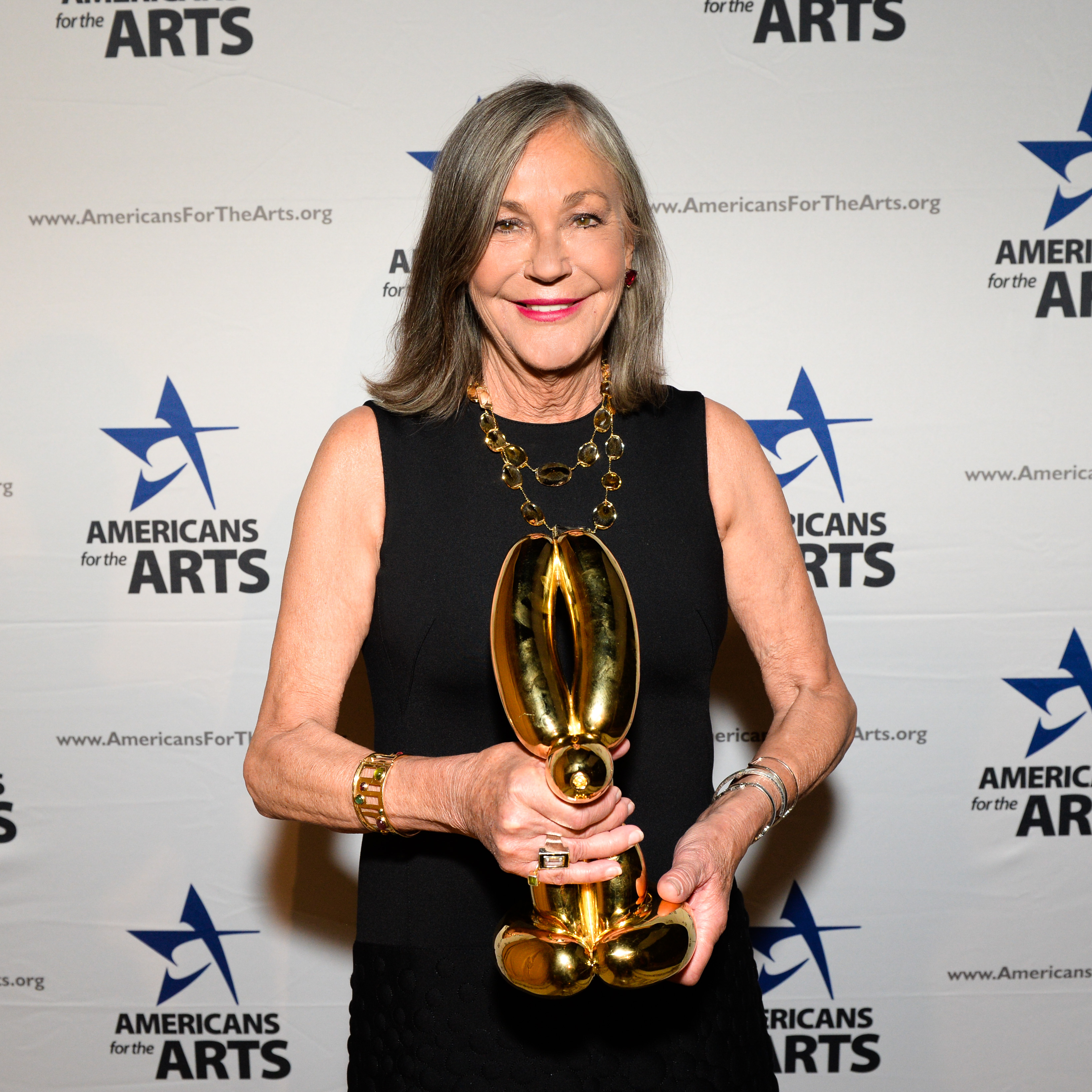
Alice Walton is an American billionaire heir, art patron, and philanthropist recognized primarily as the daughter of Walmart founder Sam Walton. Holding a prominent position among the world's wealthiest individuals, her career spans financial analysis, equity brokerage, transformative American art curation through the Crystal Bridges Museum of American Art, and substantial healthcare and educational philanthropy.
Early Life and Family Background
Born on October 7, 1949, in Bentonville, Arkansas, Alice Louise Walton grew up as the only daughter among four children born to Sam Walton and Helen Walton. Her upbringing in rural Arkansas profoundly shaped her perspective on enterprise, community, and capital allocation. While her older brothers—Rob, John, and Jim—became deeply entrenched in the operational and governance structures of Walmart Inc., Alice charted a distinct path toward finance, arts curation, and independent business ventures.
She attended Trinity University in San Antonio, Texas, where she earned a Bachelor of Arts degree in economics and finance in 1971. This foundational training equipped her with the analytical rigor required to navigate institutional investments, equity markets, and large-scale philanthropic endowments. Rather than immediately joining the family retail empire, Walton cultivated an independent career in the financial sector, establishing credentials as a broker, analyst, and investment banker.
Her professional journey began as an equity analyst and money manager for First Commerce Corporation and later EF Hutton. In 1988, she founded Llama Company, an investment bank where she served as president, chairman, and CEO. Under her leadership, Llama Company engaged in corporate finance, municipal bond underwriting, and private equity investments. During this period, she also played a pivotal role in advocating for the development of the Northwest Arkansas Regional Airport, demonstrating an early commitment to regional infrastructure and economic accessibility.
Evolution of Wealth and Financial Portfolio
As an heir to the Walmart fortune, Alice Walton’s net worth is inextricably linked to the performance and dividend distributions of the world’s largest retailer by revenue. Her wealth management strategy combines significant equity stakes in Walmart Inc. with diversified asset holdings, private real estate, and extensive art collections. Throughout market cycles, her financial position has consistently ranked her among the wealthiest women globally, with fluctuations driven primarily by retail stock valuations and strategic philanthropic divestments.
Unlike operating executives who actively manage corporate supply chains or retail strategies, Walton's financial standing relies on passive equity ownership and professional asset management. Her transition from active corporate finance through Llama Company to passive wealth holding allowed her to redirect her professional focus entirely toward philanthropic initiatives, educational reform, and cultural institution building.
| Venture / Entity | Primary Focus | Role / Association | Key Impact |
|---|---|---|---|
| Walmart Inc. | Global Retail Enterprise | Shareholder | Source of primary family wealth and ongoing dividend distributions. |
| Llama Company | Investment Banking & Finance | Founder & CEO (Former) | Facilitated municipal finance, corporate underwriting, and regional infrastructure funding. |
| Crystal Bridges Museum | American Art & Culture | Founder & Board Chair | Established a world-class art institution offering free public admission in Bentonville, Arkansas. |
| Alice L. Walton Foundation | Philanthropy & Education | Founder | Funds holistic health initiatives, educational access, and arts programming. |
| Whole Health Institute | Healthcare Systems | Founder | Promotes integrated, whole-person healthcare models and medical education. |
Crystal Bridges Museum of American Art and Cultural Patronage
Alice Walton’s most visible cultural contribution is the establishment of the Crystal Bridges Museum of American Art in Bentonville, Arkansas. Opened to the public in 2011, the museum houses a sweeping collection of masterworks spanning five centuries of American art, featuring pieces by artists such as Winslow Homer, Georgia O'Keeffe, Norman Rockwell, Andy Warhol, and Mark Rothko. Designed by renowned architect Moshe Safdie, the museum complex integrates architecture with the surrounding Ozark landscape, featuring native flora, walking trails, and striking water features.
The establishment of Crystal Bridges fundamentally shifted the cultural geography of the United States, bringing world-class artistic heritage to a region previously underserved by major metropolitan museums. A cornerstone of Walton's vision for Crystal Bridges has been maintaining free admission for all visitors, a policy supported by massive endowment funds designed to ensure long-term public access regardless of economic status.
Beyond Crystal Bridges, Walton expanded her cultural footprint with the founding of the Momentary in 2020. Located in a former cheese processing plant in downtown Bentonville, the Momentary operates as a multidisciplinary contemporary art space focused on visual arts, live performances, culinary experiences, and artist residencies. This initiative complements the historical focus of Crystal Bridges by providing a platform for cutting-edge, experimental, and multidisciplinary modern creators.
Philanthropic Focus: Healthcare, Education, and the Arts
In addition to her contributions to the arts, Walton has directed substantial capital toward systemic improvements in healthcare and education. Recognizing the limitations of conventional, fragmented medical systems, she established the Whole Health Institute in Bentonville. The institute focuses on transforming healthcare delivery by integrating mental, physical, and emotional well-being into medical practice, medical education, and patient care models.
Her philanthropic portfolio also encompasses the Whole Health School of Medicine and Health Sciences, designed to train physicians in comprehensive, patient-centered care. This educational venture partners with regional healthcare networks to address systemic physician shortages in rural and underserved communities, aligning medical training with practical community needs.
In the realm of K-12 education, the Alice L. Walton Foundation has actively supported charter school networks, educator training programs, and systemic reform initiatives aimed at expanding educational equity. By leveraging philanthropic capital to seed innovative educational models, her foundation seeks to improve academic outcomes and career readiness for students in Arkansas and across the United States.
Frequently Asked Questions
What is Alice Walton's primary source of wealth?
Alice Walton derives the majority of her wealth from her inherited stake in Walmart Inc., the retail corporation founded by her father, Sam Walton, in 1962. While she worked early in her career as an investment banker and financial analyst, her current financial standing is maintained through equity ownership and regular dividend distributions from the company.
What is Crystal Bridges Museum of American Art?
Crystal Bridges Museum of American Art is a major art institution founded by Alice Walton in Bentonville, Arkansas, which opened in 2011. Designed by architect Moshe Safdie, the museum houses centuries of American masterworks and maintains a permanent policy of free general admission for all visitors, funded by dedicated endowments.
Did Alice Walton ever work for Walmart?
Unlike her brothers Rob and Jim Walton, who served in formal governance and board leadership roles within Walmart Inc., Alice Walton did not pursue a career as an operational executive within the family business. She chose instead to build an independent career in finance, equity analysis, and investment banking before dedicating her time entirely to philanthropy and the arts.
What is the Whole Health Institute?
The Whole Health Institute is a Bentonville-based organization founded by Walton to advance integrated healthcare models. The institute collaborates with medical professionals, educators, and policymakers to promote whole-person care that addresses physical, mental, and social health factors simultaneously.
How does Alice Walton fund her philanthropic projects?
Her philanthropic initiatives, including the Alice L. Walton Foundation, Crystal Bridges Museum, and the Whole Health Institute, are funded through a combination of personal wealth, family foundation assets, and dedicated endowment funds designed to sustain long-term operational and capital requirements.
Strategic Recommendations for Understanding Wealth and Philanthropy
Analyzing the trajectory of figures like Alice Walton requires examining how multi-generational family wealth transitions from operational business management into institutional philanthropy and cultural stewardship. Observers, researchers, and students of economic history should evaluate not only the scale of accumulated capital but also the institutional mechanisms—such as private foundations, public-access trusts, and educational endowments—used to direct that capital toward public goods. When examining regional economic development, consider how private cultural and educational investments can transform non-metropolitan economies, fostering tourism, infrastructure development, and community revitalization without relying solely on public sector financing.