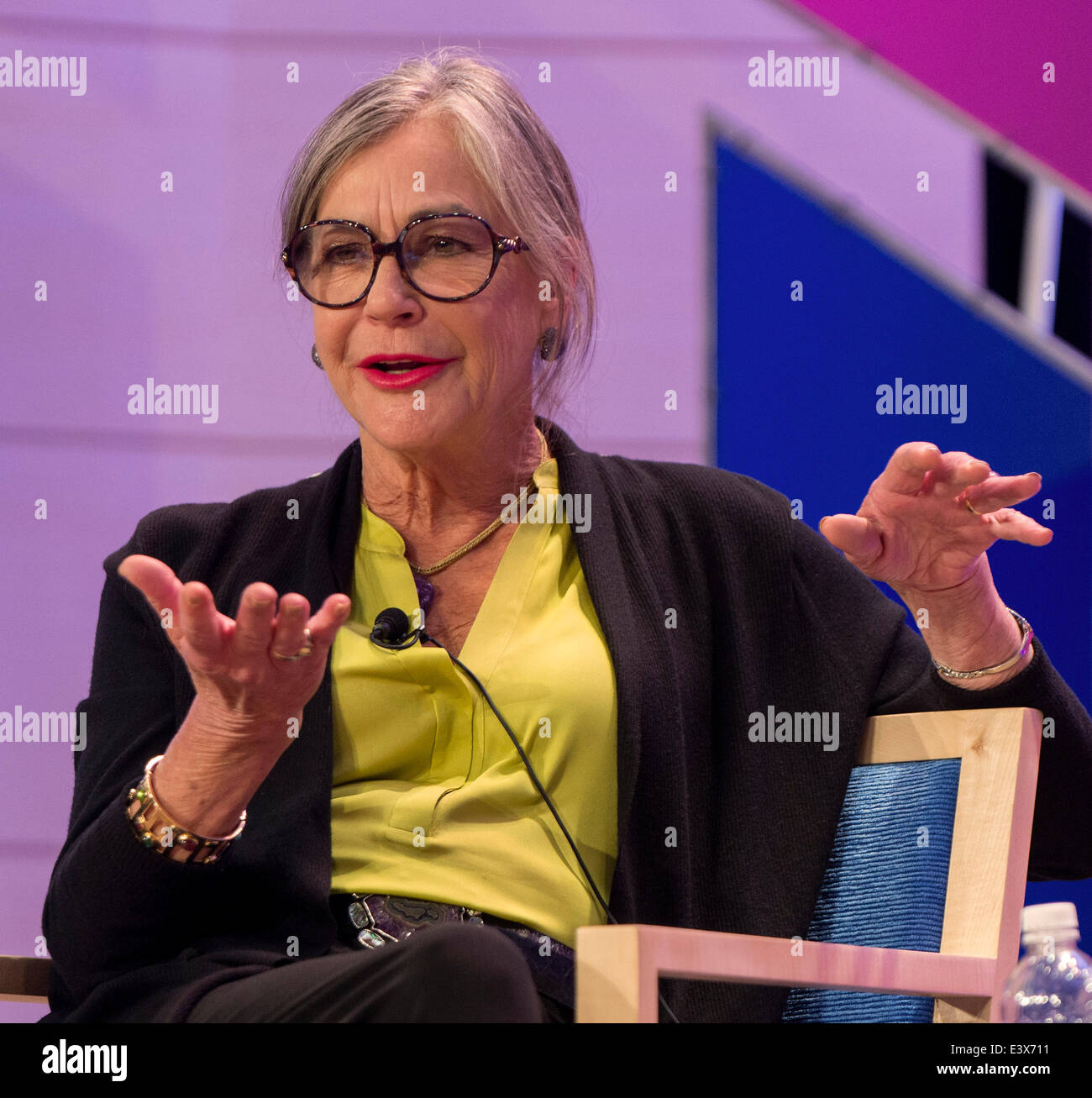
Alice Walton commands a multi-billion-dollar net worth primarily through her massive inheritance of Walmart stock, combined with strategic financial management, dividends, and philanthropic asset deployment. While she did not found the retail giant, her status as the daughter of founder Sam Walton positions her among the wealthiest individuals in the world, with her fortune fluctuating alongside market valuations of Walmart shares.
Understanding how a generational retail fortune operates requires looking past simple wealth rankings. The mechanics of ultra-high-net-worth portfolios involve complex asset preservation strategies, large-scale equity holdings, strategic trusts, and massive philanthropic commitments. For financial analysts and economic researchers, examining Alice Walton’s wealth provides a clear case study in how retail dynasties maintain economic dominance across generations.
The Foundation of the Walton Family Fortune
The bedrock of Alice Walton’s financial standing is rooted in the founding of Wal-Mart Stores, Inc. by Sam Walton and his brother James "Bud" Walton in 1962. Sam Walton’s pioneering vision for discount retailing in small-town America transformed a single store in Bentonville, Arkansas, into the largest retail corporation on earth.
When Sam Walton passed away in 1992, his ownership stake was distributed among his surviving wife and children through structured estate plans and family holdings. Alice Walton, along with her brothers S. Robson Walton and Jim Walton, inherited substantial blocks of company shares. This initial transfer laid the groundwork for the family to consistently occupy top tiers on global wealth indexes.
Because the Walton family maintains collective ownership of a significant percentage of Walmart’s outstanding common stock through various trusts and holding entities, their financial trajectory is inextricably linked to the operational performance of the retailer. Every strategic shift the company makes—from e-commerce investments to supply chain automation—directly impacts the paper value of the heirs' portfolios.
Equity Holdings and the Mechanics of Stock-Based Wealth
The overwhelming majority of Alice Walton's net worth consists of equity in Walmart (NYSE: WMT). Unlike self-made entrepreneurs who build fortunes through continuous venture creation, Walton's wealth functions as an asset-holding enterprise designed around capital preservation and dividend yield.
Public filings with the U.S. Securities and Exchange Commission (SEC) routinely outline the scope of insider ownership. The Walton family collectively controls roughly half of Walmart's total shares, maintained through entities such as the Walton Family Holdings Trust and various individual trusts. This structure protects the family from diluting their voting power and provides a unified front in corporate governance.
To understand how this equity translates into liquid capital, one must examine three primary mechanisms:
- Dividend Distributions: Walmart pays consistent quarterly dividends to its shareholders. Given the sheer volume of shares held by Alice Walton, these dividend payouts generate hundreds of millions of dollars in annual taxable income, independent of stock sales.
- Controlled Share Dispositions: To fund philanthropic endeavors, art acquisitions, and personal ventures, Walton periodically executes planned stock sales under Rule 10b5-1 trading plans, which prevent accusations of insider trading by pre-scheduling transactions.
- Tax-Efficient Structuring: Utilizing grantor retained annuity trusts (GRATs) and charitable remainder trusts allows ultra-high-net-worth individuals to transfer wealth and fund foundations while mitigating capital gains and estate tax burdens.
| Wealth Component | Primary Mechanism | Financial Impact |
|---|---|---|
| Walmart Common Stock | Generational inheritance & trust ownership | Forms the core multi-billion-dollar valuation base. |
| Annual Dividends | Quarterly corporate cash distributions | Provides steady, highly liquid capital for personal and philanthropic use. |
| Art Collection Holdings | Direct acquisition & museum asset backing | Diversifies net worth into non-correlated physical assets. |
| Philanthropic Endowments | Foundation asset allocation & grant-making | Directs capital toward educational, health, and cultural institutions. |
Diversification Beyond Retail: Art, Real Estate, and Philanthropy
While retail remains the engine of the Walton fortune, capital diversification plays an essential role in managing risk. Alice Walton is particularly renowned for her profound influence on the American art world, a sector where she has deployed billions of dollars of her inherited wealth.
In 2011, she founded the Crystal Bridges Museum of American Art in Bentonville, Arkansas. The museum houses a masterclass collection of American masterworks, featuring pieces by artists such as Andy Warhol, Norman Rockwell, Georgia O'Keeffe, and Mark Rothko. Building and maintaining Crystal Bridges required massive capital outlays, funded through both personal wealth and family foundation endowments. The institution not only serves as a cultural anchor for the region but also anchors a significant portfolio of physical art assets that retain independent market value.
Beyond the museum, Walton’s philanthropic vehicle, the Walton Family Foundation, manages billions in assets. While her brothers' philanthropic efforts lean heavily toward K-12 education reform and environmental conservation, Alice Walton has increasingly focused her giving on holistic wellness, medical education, and the arts. The Alice L. Walton Foundation and the Whole Health Institute reflect her expanding interest in integrating physical, mental, and emotional health systems.
Comparative Net Worth Dynamics Among Retail Heirs
Evaluating Alice Walton’s financial position requires context regarding how other members of retail dynasties manage and grow their inherited capital. While all children of Sam Walton share a similar starting baseline, individual portfolio allocations and philanthropic spending rates create variances in their net worth trajectories over time.
| Heir / Entity | Primary Focus Area | Estimated Wealth Standing | Key Wealth Driver |
|---|---|---|---|
| Alice Walton | Art, wellness, regional development | Top 20 Global Wealth Tier | Walmart equity, dividend income, museum assets |
| Jim Walton | Banking, community development | Top 20 Global Wealth Tier | Walmart equity, Arvest Bank holdings |
| S. Robson Walton | Corporate governance, retail strategy | Top 20 Global Wealth Tier | Walmart equity, former board leadership |
This table illustrates that while Walmart stock serves as the uniform foundation for the family's wealth, individual heirs branch out into distinct sectors—such as banking in Jim Walton's case or cultural preservation in Alice Walton's—while maintaining their core equity positions.
Financial Risk Management and Market Exposure
Managing a fortune valued in the tens of billions involves sophisticated risk management. The primary risk facing Alice Walton’s portfolio is systemic equity concentration: having a vast majority of personal net worth tied to a single publicly traded security exposes the wealth to retail sector downturns, supply chain disruptions, and broader macroeconomic shifts.
To mitigate this concentration risk without triggering massive taxable events through outright stock sales, wealth managers utilize hedging strategies, derivatives, and structured lending agreements. Additionally, the liquidity provided by steady Walmart dividend payouts allows Walton to fund her lifestyle, art acquisitions, and philanthropic projects without constantly liquidating core equity blocks.
Frequently Asked Questions
How did Alice Walton acquire her wealth?
Alice Walton acquired the vast majority of her wealth through inheritance as the daughter of Walmart founder Sam Walton. Following his death in 1992, she received substantial blocks of company stock, which have appreciated significantly over the decades alongside continuous dividend payouts.
Does Alice Walton still work for Walmart?
Alice Walton has never held an operational management role within Walmart. Unlike her brother Rob Walton, who served as chairman of the board, Alice pursued independent interests focused on art curation, philanthropy, and regional economic development in Arkansas.
What is Crystal Bridges Museum of American Art?
Crystal Bridges is a world-class art museum founded by Alice Walton in Bentonville, Arkansas, which opened in 2011. Funded primarily by Walton and her family foundation, the museum features iconic works of American art and serves as a major cultural and economic hub for the region.
How much does Alice Walton receive in dividends from Walmart?
Because Walmart pays regular quarterly dividends to its shareholders, Alice Walton receives hundreds of millions of dollars in cash dividends each year based on her multi-million-share ownership stake held across various family trusts.
What are Alice Walton's primary philanthropic focuses?
Her philanthropic work centers on the arts, education, and holistic health. Through entities like the Alice L. Walton Foundation and the Whole Health Institute, she invests heavily in medical education, regional wellness initiatives, and cultural accessibility.
Strategic Capital Allocation and Future Outlook
Alice Walton’s financial standing demonstrates the enduring power of generational equity combined with conservative wealth preservation strategies. Rather than engaging in aggressive venture capital investing or high-frequency trading, her financial footprint relies on the compounding returns of the world's largest retailer, supplemented by defensive trust structures and value-driven asset allocation in art and philanthropy. For economic analysts studying ultra-high-net-worth individuals, the Walton model remains a textbook example of long-term family wealth stewardship.