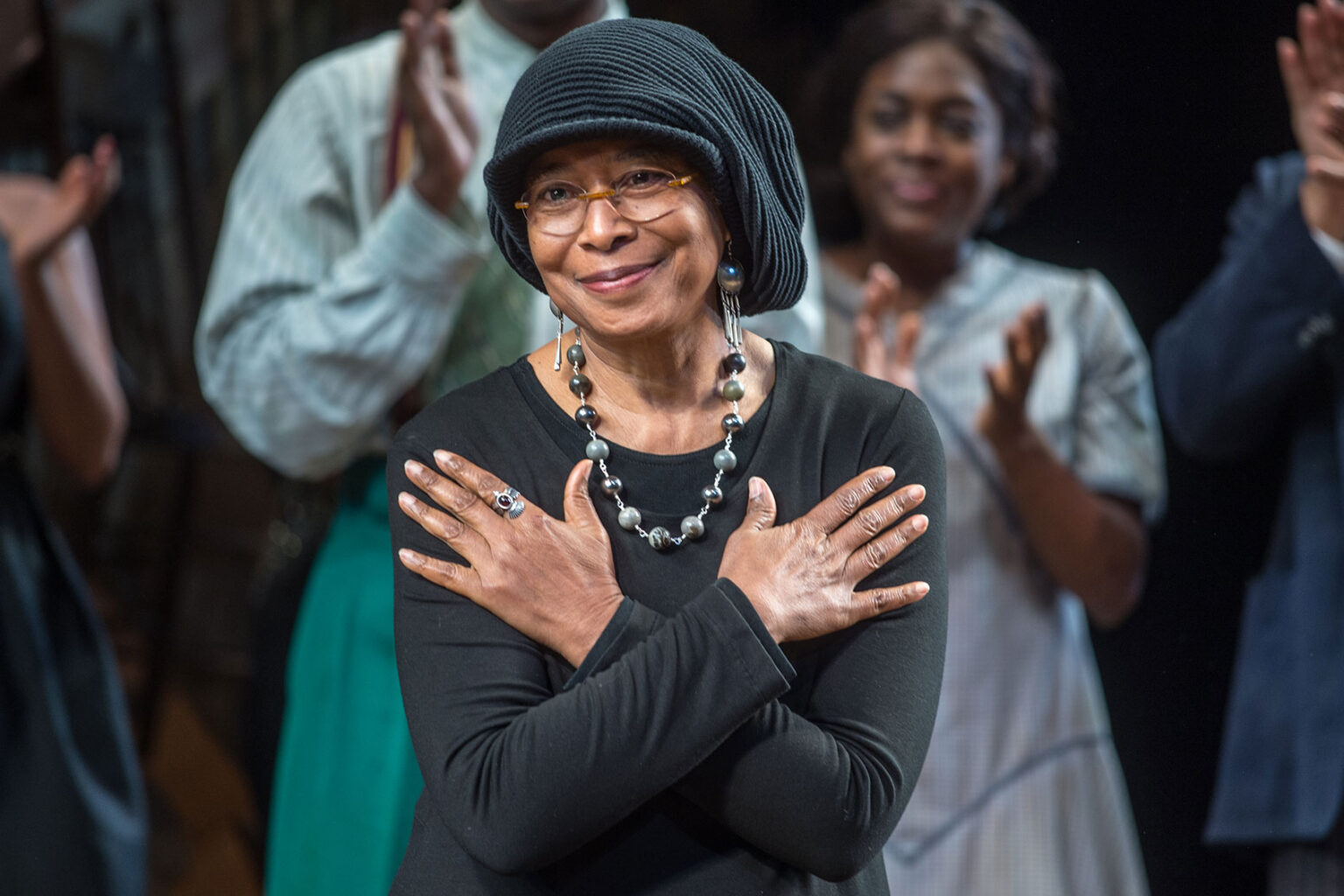
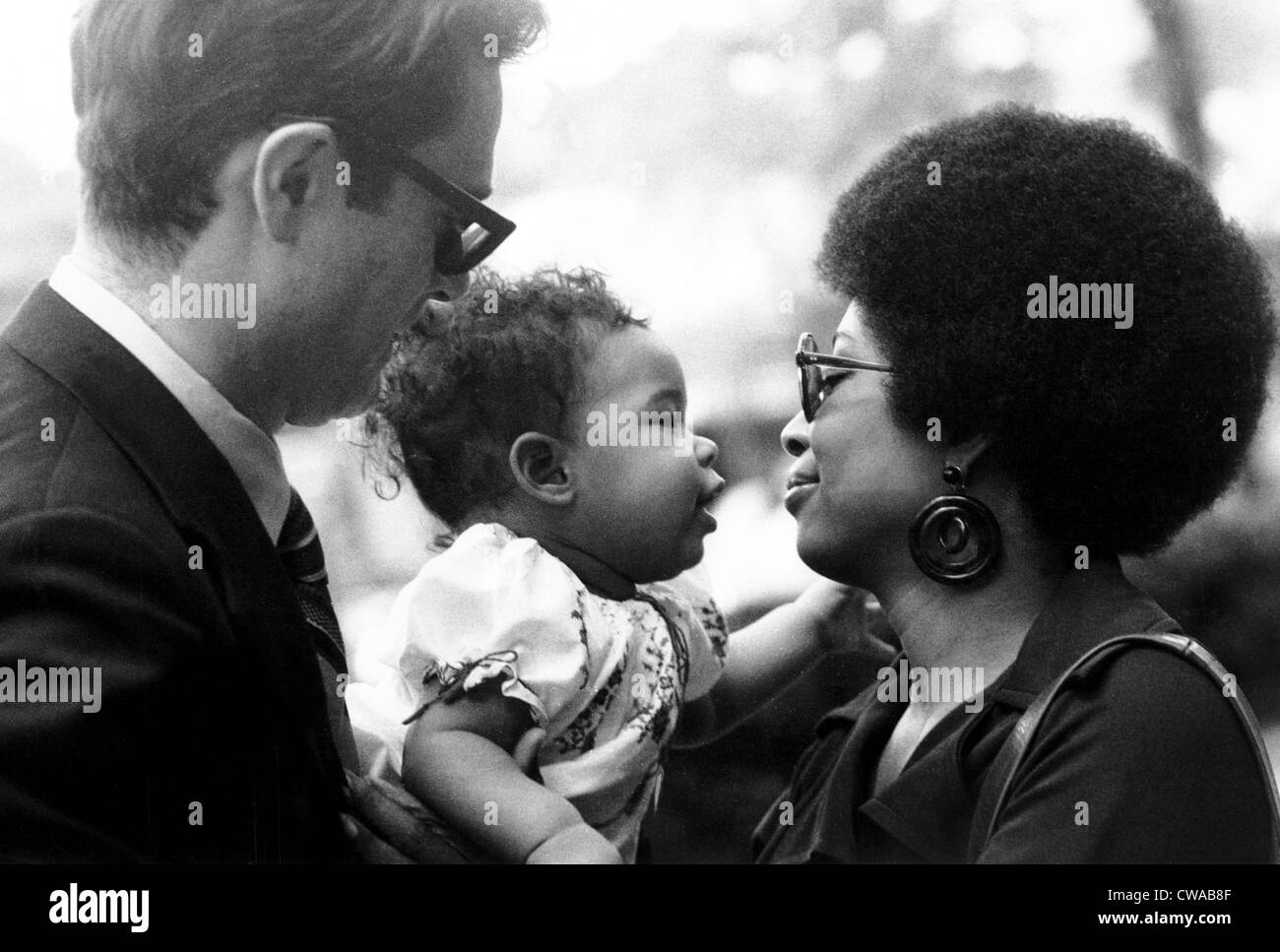
The profound bond between acclaimed author Alice Walker and her daughter, Rebecca Walker, bridges generations of literary excellence and intersectional feminist activism, revealing a complex dynamic of maternal love, ideological evolution, and public reconciliation.
The relationship between Pulitzer Prize-winning author Alice Walker and her daughter, writer and activist Rebecca Walker, stands as one of the most compelling and scrutinized mother-daughter dynasties in modern American literature and social justice movements. Their connection transcends the private sphere, unfolding on a public stage where personal expression intersects with historical civil rights, womanism, and third-wave feminism. Understanding this dynamic requires examining Alice Walker’s foundational contributions to literature and womanism, Rebecca Walker’s pioneering role in shaping third-wave feminism, and the intricate, deeply human path toward healing across ideological divides.
Foundations of Literary Excellence and Womanist Thought
Alice Walker’s emergence as a defining voice in American literature laid a heavy yet inspiring foundation for her daughter. Best known for her landmark 1982 novel The Color Purple, which earned both the Pulitzer Prize for Fiction and the National Book Award, Alice Walker established a literary legacy rooted in the resilience, spirituality, and multi-faceted oppression faced by Black women in the American South. Beyond fiction, her intellectual contributions profoundly shaped the lexicon of social justice.
In her 1983 collection of essays In Search of Our Mothers' Gardens: Womanist Prose, Alice Walker formally defined "womanist." A womanist, in her framework, is a feminist of color—a Black feminist or feminist of color who is committed to the wholeness and survival of entire peoples, male and female. This philosophy moved beyond mainstream, predominantly white second-wave feminism by placing the intersections of race, class, and gender at the center of liberation struggles. For Rebecca Walker, growing up under the direct influence of such a towering intellectual meant that domestic life and political theory were inextricably linked from her earliest childhood memories.
Rebecca Walker and the Birth of Third-Wave Feminism
As Rebecca Walker came of age in the late 20th century, she carved out an independent identity that both honored and challenged her mother's legacy. In 1991, at the age of 23, Rebecca published a seminal essay in Ms. magazine titled "Becoming the Third Wave," which famously declared: "I am not a post-feminism feminist. I am the Third Wave." This declaration galvanized a new generation of activists who felt alienated by the rigidities of second-wave institutional politics.
In 1992, Rebecca co-founded the Third Wave Direct Action Corporation (later known as the Third Wave Foundation) alongside Shannon Liss-Riordan, creating a national fund and activist network dedicated to young women and transgender youth of color. Her editorial work, including the influential 1995 anthology To Be Real: Telling the Truth and Changing the Face of Feminism, further cemented her status as a visionary bridge-builder. While Alice Walker focused on the structural oppressions of the Jim Crow era and global human rights violations—such as female genital mutilation and the plight of the Palestinian people—Rebecca expanded the feminist discourse into bodily autonomy, popular culture, queer visibility, and reproductive justice.
Ideological Divergence and Mother-Daughter Tensions
Despite their shared commitment to justice, the mother-daughter relationship faced profound strains, heavily documented in public discourse and memoirs. The ideological and personal friction reached a wider audience with the publication of Rebecca Walker’s 2007 memoir, Baby Love: Growing Up a Mother's Child. In the book, Rebecca detailed the emotional fallout of being raised by a famous mother who prioritized political movements and global activism over domestic stability.
This public airing of grievances highlighted a recurring tension within activist families: the personal cost borne by children whose parents are dedicated to transforming the world. Rebecca spoke candidly about feeling emotionally abandoned and navigating the intense pressures of living in the shadow of a literary icon. For scholars and admirers of Alice Walker, the memoir presented a jarring contrast to the public image of a nurturing, womanist matriarch. Yet, the friction also underscored a vital generational truth: third-wave feminism explicitly valued the validation of personal trauma and the dismantling of idealized, patriarchal notions of motherhood.
Philosophical and Activist Divergences
| Dimension | Alice Walker | Rebecca Walker |
|---|---|---|
| Primary Era | Civil Rights Movement, Black Arts Movement, Second-Wave Transition | Third-Wave Feminism, Contemporary Intersectionality |
| Core Framework | Womanism, Global Human Rights, Spiritual Activism | Intersectional Feminism, Bodily Autonomy, Generational Equity |
| Key Medium | Novels, Poetry, Essays, Political Tracts | Memoirs, Anthologies, Digital Essays, Cultural Criticism |
| Primary Focus | Historical and Intergenerational Trauma, Systemic Racism, Global Solidarities | Individual Subjectivity, Youth Leadership, Reproductive Rights, Identity Politics |
Reconciliation, Forgiveness, and Intergenerational Healing
The trajectory of Alice and Rebecca Walker’s relationship did not remain frozen in conflict. Over subsequent decades, both women modeled the difficult, necessary labor of reconciliation. Public statements and later interviews indicated a gradual softening and a shared desire to repair their bond, driven by mutual respect for each other’s contributions and the realization that familial love can accommodate profound ideological and personal disagreements.
This healing process reflects a core tenet of womanism: the belief in collective survival and emotional restoration. By acknowledging past hurts without erasing their respective life’s work, Alice and Rebecca demonstrated that generational legacies are not built on perfection, but on resilience, accountability, and the courage to evolve. Their journey resonates with countless families navigating the complexities of public ambition, political dedication, and the emotional realities of mothering daughters.
Frequently Asked Questions About Alice Walker and Her Daughter
Who is Alice Walker’s daughter?
Alice Walker’s daughter is Rebecca Walker, an acclaimed author, editor, and activist recognized as a founding voice of the third-wave feminist movement. Born in 1969, Rebecca has written several memoirs and anthologies addressing race, gender, identity, and family dynamics.
What is the main ideological difference between Alice Walker and Rebecca Walker?
While both women champion social justice and the rights of marginalized groups, Alice Walker’s work centers on womanism, historical Black survival, and global human rights. Rebecca Walker focuses heavily on third-wave intersectional feminism, bodily autonomy, youth activism, and the complexities of modern identity.
Did Alice Walker and Rebecca Walker experience a public estrangement?
Yes. Their relationship experienced significant public strain, particularly after Rebecca published her 2007 memoir, Baby Love, which candidly discussed the emotional challenges of growing up with a globally prominent activist mother.
Have Alice Walker and Rebecca Walker reconciled?
Over time, both women have worked toward personal reconciliation, emphasizing mutual respect and the importance of family healing while continuing their respective independent creative and activist pursuits.
How did Rebecca Walker shape modern feminism?
Rebecca Walker defined third-wave feminism in her landmark 1991 Ms. magazine essay and co-founded the Third Wave Fund, helping to center intersectionality, LGBTQ+ rights, reproductive freedom, and the voices of young women of color within the broader feminist movement.
Cultivating Intergenerational Dialogue in Modern Activism
For those inspired by the legacies of Alice Walker and Rebecca Walker, the most impactful next action is to engage deeply with their written works and apply their frameworks to modern community building. Readers can begin by studying In Search of Our Mothers' Gardens alongside Rebecca Walker’s To Be Real to understand the evolution of Black feminist thought across generations. Supporting contemporary intersectional initiatives, practicing empathetic listening within family dynamics, and recognizing that social justice begins in the home are vital steps in carrying forward a sustainable, compassionate legacy of love and activism.