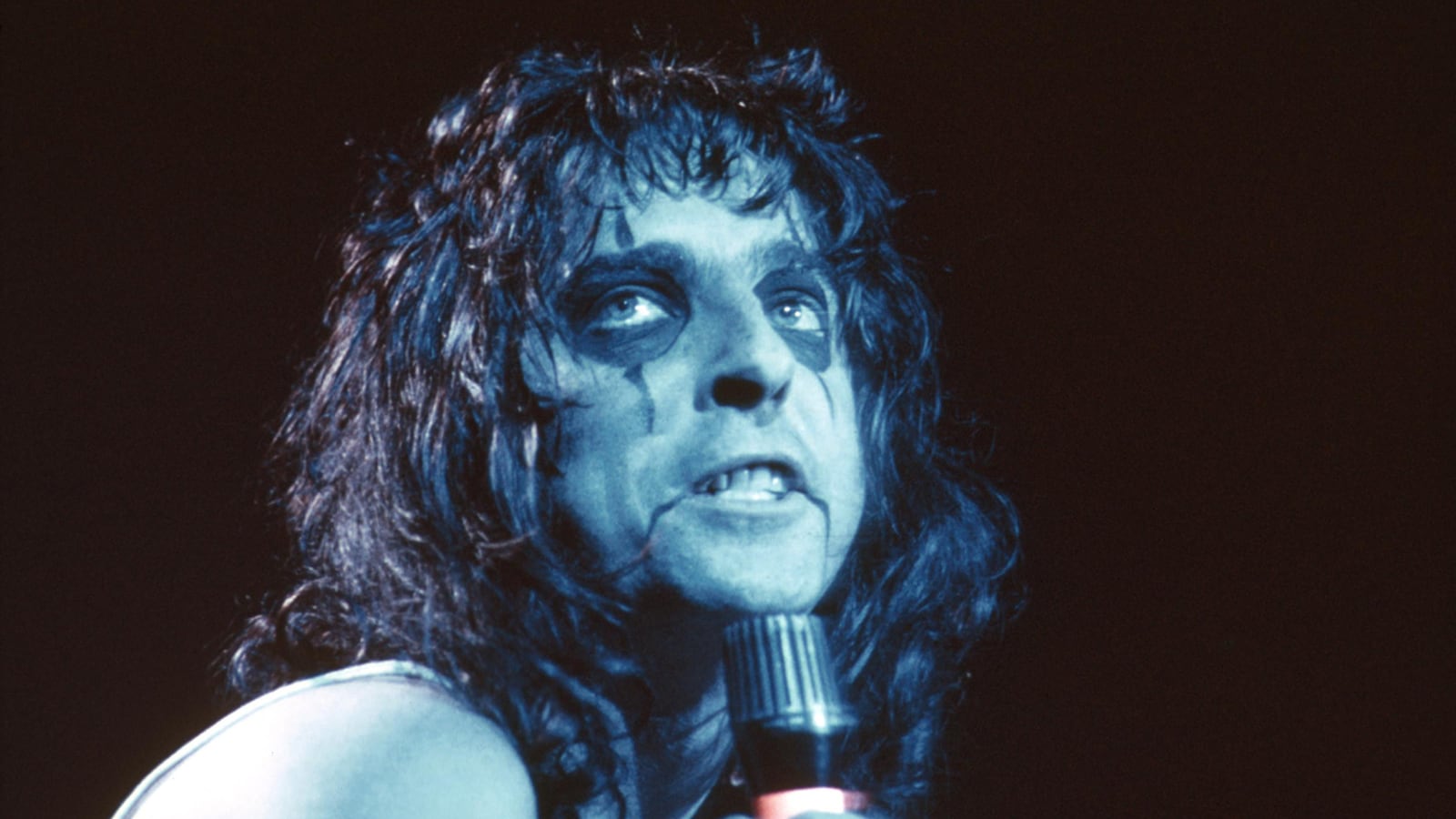
On September 13, 1969, during the Toronto Rock and Roll Revival at Varsity Stadium, Alice Cooper threw a live chicken off stage into the audience, believing the bird would fly away. Instead, the bird fell into the crowd and perished, spawning sensational headlines that Cooper had decapitated the animal and consumed its blood—an exaggerated event that permanently birthed the genre of shock rock.
The Origins of the 1969 Toronto Rock and Roll Revival Incident
To understand how a live chicken came to redefine modern rock showmanship, one must examine the chaotic landscape of late-1960s music festivals. The Toronto Rock and Roll Revival, held on September 13, 1969, at Varsity Stadium in Toronto, Ontario, was designed as a celebration of early rock pioneers alongside emerging avant-garde acts. Promoted by John Brower and Kenny Walker, the festival featured legendary figures such as Chuck Berry, Little Richard, Bo Diddley, and Jerry Lee Lewis. Crucially, the bill also included John Lennon's Plastic Ono Band—marking Lennon's first major live performance outside of The Beatles—and a young, avant-garde theatrical rock band from Detroit named Alice Cooper.
At this point in their career, the Alice Cooper group—comprising lead vocalist Vincent Furnier (who later officially adopted the stage name Alice Cooper), guitarist Glen Buxton, rhythm guitarist Michael Bruce, bassist Dennis Dunaway, and drummer Neal Smith—was signed to Frank Zappa’s Straight Records. The group was infamous in underground circles for their abrasive sound, cross-dressing attire, and chaotic stage props, which stood in stark contrast to the peace-and-love hippie aesthetic of the era.
| Category | Details |
|---|---|
| Event | 1969 TORONTO ROCK AND ROLL REVIVAL |
| Venue | Varsity Stadium, Toronto, Canada |
| Date | September 13, 1969 |
| Key Lineup | John Lennon, Chuck Berry, Little Richard, Alice Cooper Band |
| Distinction | Birthplace of Shock Rock Mythology via the "Chicken Incident" |
The presence of live animals backstage at the festival was not part of an elaborate stage script. Accounts vary slightly on how the chicken physically arrived behind the stage. According to band members and festival staff, local farm animals—including chickens and feather-bearing poultry—were kept backstage, either as part of a petting zoo setup, local farm transport, or brought by concertgoers seeking to add to the carnival atmosphere. Minutes before Alice Cooper took the stage, someone placed a live hen behind the amplifiers or handed it near the stage area, setting the scene for one of the most famous misunderstandings in popular culture.
What Really Happened on Stage: Dissecting the Footage and Myths
When Alice Cooper performed their set, the band’s high-energy theatricality was in full swing. During the climax of their performance, Vincent Furnier noticed the live chicken wandering across the stage floor near the amplifiers. Having been raised in Detroit and Phoenix with little first-hand knowledge of farm animals, Furnier made a pivotal, split-second assumption: because the creature possessed wings, it would naturally fly away if thrown into the air.
Furnier grabbed the bird, lifted it high above his head, and tossed it upward toward the audience, expecting it to take flight over the crowd and land safely outside the stadium walls. Instead of soaring, the chicken plummeted vertically into the front rows of the audience. The section directly in front of the stage was occupied by intensely enthusiastic fans, including members of a group often described in contemporary reports as the wheelchair or special-access section.
In the ensuing panic and frenzy, the crowd grabbed at the bird, tearing it apart. The chicken died on impact or was mortally dismembered by the chaotic crowd reaction.
The Existing Footage and Photographic Record
Documentary filmmaker D.A. Pennebaker was on site directing the concert film Keep On Rockin' (later released in expanded form as Live Peace in Toronto 1969 and Sweet Toronto). Pennebaker’s cameras captured footage of Alice Cooper's chaotic set, including snippets of the band's frenetic performance and the immediate aftermath on stage. While grainy 16mm film footage and black-and-white press photographs captured Furnier holding the bird and the immediate commotion, the complete sequence was brief, fragmented, and quickly overshadowed by urban legends.
What the camera record clearly demonstrates is that Furnier never bit, decapitated, or drank the blood of the animal on stage. The violence occurred entirely within the audience after the bird left the singer's hands. However, the visual contrast—a makeup-clad singer tossing a live animal into a pulsating rock crowd—provided all the raw visual material required to fuel nationwide media coverage.
The Frank Zappa Telephone Call and Media Sensationalism
The day following the Toronto performance, the narrative shifted radically from a bizarre stage mishap into a national media scandal. Newspapers across North America and the United Kingdom published syndicated wire reports claiming that an American rock musician had executed a ritual sacrifice on stage.
- Stage Miscalculation
- Audience Chaos & Panic
- Sensationalist Press Reports
- Frank Zappa's Advice: "Don't Deny It!"
- Creation of the "Shock Rock" Genre
The pivotal moment in transforming this incident into rock legend occurred when Frank Zappa, head of Straight Records, telephoned Alice Cooper from Los Angeles. The conversation has been recounted by Alice Cooper in numerous interviews and his autobiographies:
Frank Zappa: "Alice, did you kill a chicken on stage last night?"Alice Cooper: "No, Frank! I threw it into the crowd thinking it would fly, and the audience tore it to pieces."Frank Zappa: "Well, whatever you do, don't tell anybody you didn't do it! Everybody loves it!"
Zappa recognized the immense promotional value of moral panic. Recognizing that outrage was more potent than traditional public relations, Zappa and Alice Cooper’s manager, Shep Gordon, advised the band not to issue defensive press denials. Instead, they allowed tabloid headlines—which proclaimed "Alice Cooper Bites Head Off Chicken and Drinks Its Blood"—to circulate unchecked.
The mainstream press quickly seized on the story as evidence of the corrupting influence of hard rock music on youth culture. Parental groups, religious organizations, and civic leaders cited the incident to condemn rock performances, inadvertently granting the Alice Cooper group millions of dollars in free exposure and solidifying their reputation as the most dangerous live act in America.
Myth vs. Reality Comparison: The Toronto Chicken Incident
To separate historical facts from decades of media exaggeration, the following table breaks down the core elements of the Toronto event:
| Fact Category | Media Myth / Tabloid Legend | Verified Historical Reality |
|---|---|---|
| Primary Action | Alice Cooper bit off the chicken's head and drank its blood on stage. | Cooper threw the live chicken into the air, assuming its wings would allow it to fly away. |
| Location & Date | Undisclosed underground occult concert in 1970. | Varsity Stadium, Toronto, Canada, at the Toronto Rock and Roll Revival on September 13, 1969. |
| Cause of Death | Intentionally executed as a pre-planned stage stunt by the band. | Perished in the crowd after falling into the front row section of the audience. |
| Band Reaction | Stage ritual executed for shock effect and satanic imagery. | Accidental miscalculation driven by urban ignorance of farm animal biology. |
| Promotional Strategy | Immediate public statements of apology and regret. | Management (Shep Gordon) and label head (Frank Zappa) deliberately allowed myths to persist. |
| Film Documentation | Complete lost snuff footage hidden by authorities. | Authentic 16mm footage captured by D.A. Pennebaker showing the performance and crowd reaction. |
Cultural Impact and the Birth of Shock Rock
The Toronto chicken incident did more than generate short-term notoriety; it permanently altered the trajectory of theatrical rock music and laid the foundational blueprint for Shock Rock.
- Evolution of Shock Rock Legacy
- Theatrical Grand Guignol
- Alice Cooper (Guillotine, Snakes)
- Kiss (Fire-breathing, Blood-spitting)
- W.A.S.P. & GWAR (Satirical Gore)
- Moral Panic & Media Strategy
- Sensationalist Headlines
- Outrage Marketing
- Censorship Battles (PMRC)
- Modern Avant-Garde & Heavy Metal
- Ozzy Osbourne (1981 Bat Incident)
- Marilyn Manson & Rammstein
- Theatrical Grand Guignol
1. Shift from Peace and Love to Macabre Theatricality
By late 1969, the counterculture movement of the 1960s was dissolving. The optimism of Woodstock gave way to darker cultural themes. Alice Cooper capitalized on this shift by presenting a dark, Grand Guignol aesthetic that reflected American pop-culture obsessions with horror movies, violence, and tabloid sensationalism. The chicken incident established that rock concerts could be visceral, unpredictable, and dangerous theater.
2. The Power of Outrage Marketing
Manager Shep Gordon utilized the public backlash to build a commercial empire. The media's condemnation created an instant anti-establishment badge of honor for teenage listeners. Ticket and album sales for subsequent releases like Love It to Death (1971), Killer (1971), and Billion Dollar Babies (1973) soared because audiences wanted to witness the band that had outraged polite society.
3. Precedent for Future Acts
The publicity model derived from the chicken incident paved the way for generations of theatrical performers:
- Ozzy Osbourne: In 1981, Osbourne infamously bit the head off a live bat thrown onto the stage in Des Moines, Iowa—an incident directly connected in pop culture memory to Cooper's 1969 myth.
- KISS: Incorporated blood-spitting, fire-breathing, and pyrotechnics into rock stadium tours throughout the 1970s.
- GWAR and Marilyn Manson: Elevated shock tactics and social satire into full-scale multimedia stage productions during the 1980s and 1990s.
Evaluating the Archives: Film Footage, Audio Records, and Modern Media Legacy
Decades after the event, archival footage and retrospective interviews have clarified the historical context while preserving the incident's iconic status.
Pennebaker's Concert Film
D.A. Pennebaker’s documentary footage from the Toronto Rock and Roll Revival remains the authoritative visual record of the day. Distributed in various cuts—such as Sweet Toronto and Live Peace in Toronto 1969—the film documents the musical climate of the era. The footage shows the Alice Cooper band executing an intensely physical performance of songs like "Black Juju" and "Fields of Regret," featuring heavy feedback, manic stage movements, and chaotic visual energy.
Alice Cooper’s Modern Perspective
In contemporary retrospectives, Vincent Furnier frequently reflects on the chicken incident with humor and historical perspective. As detailed in his memoirs and public speaking engagements, Furnier emphasizes that the event was born out of genuine urban ignorance rather than malice:
"I’m from Detroit. I’d never been on a farm in my life. I thought, 'It’s got feathers, it’s got wings, it ought to fly.' I picked it up and threw it into the crowd... The crowd tore it to pieces. The next day, the headlines read 'Alice Cooper Slits Chicken's Throat and Drinks Blood.' It was the best bad publicity we ever got."
Today, modern digital archives, rock history museums, and documentaries recognize the Toronto chicken incident as a watershed moment when performance art, media distortion, and rock culture collided to invent a new theatrical genre.
Frequently Asked Questions
Did Alice Cooper actually bite the head off a chicken?
No, Alice Cooper did not bite the head off a chicken or drink its blood. He threw a live chicken off stage into the audience during a performance in Toronto in 1969, believing the bird would fly away. The myth that he decapitated the bird was created by sensationalized tabloid news reports.
Where and when did the Alice Cooper chicken incident take place?
The incident occurred on September 13, 1969, at Varsity Stadium in Toronto, Ontario, Canada, during the Toronto Rock and Roll Revival festival.
Is there actual video footage of the chicken incident?
Yes, documentary film crew camera operators directed by D.A. Pennebaker captured 16mm footage of the performance and the event. Portions of this footage appear in the concert film Sweet Toronto (also released as Live Peace in Toronto 1969).
What did Frank Zappa tell Alice Cooper after the chicken incident?
When Frank Zappa called Alice Cooper the morning after the show to verify the rumor, Cooper explained that he threw the bird into the crowd expecting it to fly. Zappa famously advised him, "Well, whatever you do, don't tell anybody you didn't do it! Everybody loves it!"
How did the live chicken get on stage at Varsity Stadium?
The chicken was not brought as an official prop by the band. Accounts indicate that live animals were present backstage near the festival grounds, and either an audience member or a stage worker released or placed the bird near the stage amplifiers shortly before Cooper's performance.
Key Takeaways for Pop Culture Analysts and Music Historians
The Toronto chicken incident remains a case study in media manipulation, rock branding, and audience psychology. For cultural historians and music scholars examining the evolution of modern entertainment, several key conclusions emerge:
- Verify Tabloid Sensationalism: Historical accounts of public outrage often obscure factual reality. Media exaggerations of the 1969 performance transformed a brief stage miscalculation into decades of urban mythology.
- Understand the Mechanics of Moral Panic: The outrage generated by conservative commentators and tabloid press served as free marketing, elevating Alice Cooper from an underground act into a household name.
- Appreciate the Birth of Shock Rock: The event marked the formal transition from 1960s psychedelic optimism to the darker, more theatrical stagecraft that dominated heavy metal and hard rock throughout the 1970s and 1980s.
When analyzing vintage concert footage or archival news reports from 1969, the Toronto chicken incident stands as a definitive demonstration of how accidental drama can be transformed into legendary rock folklore.