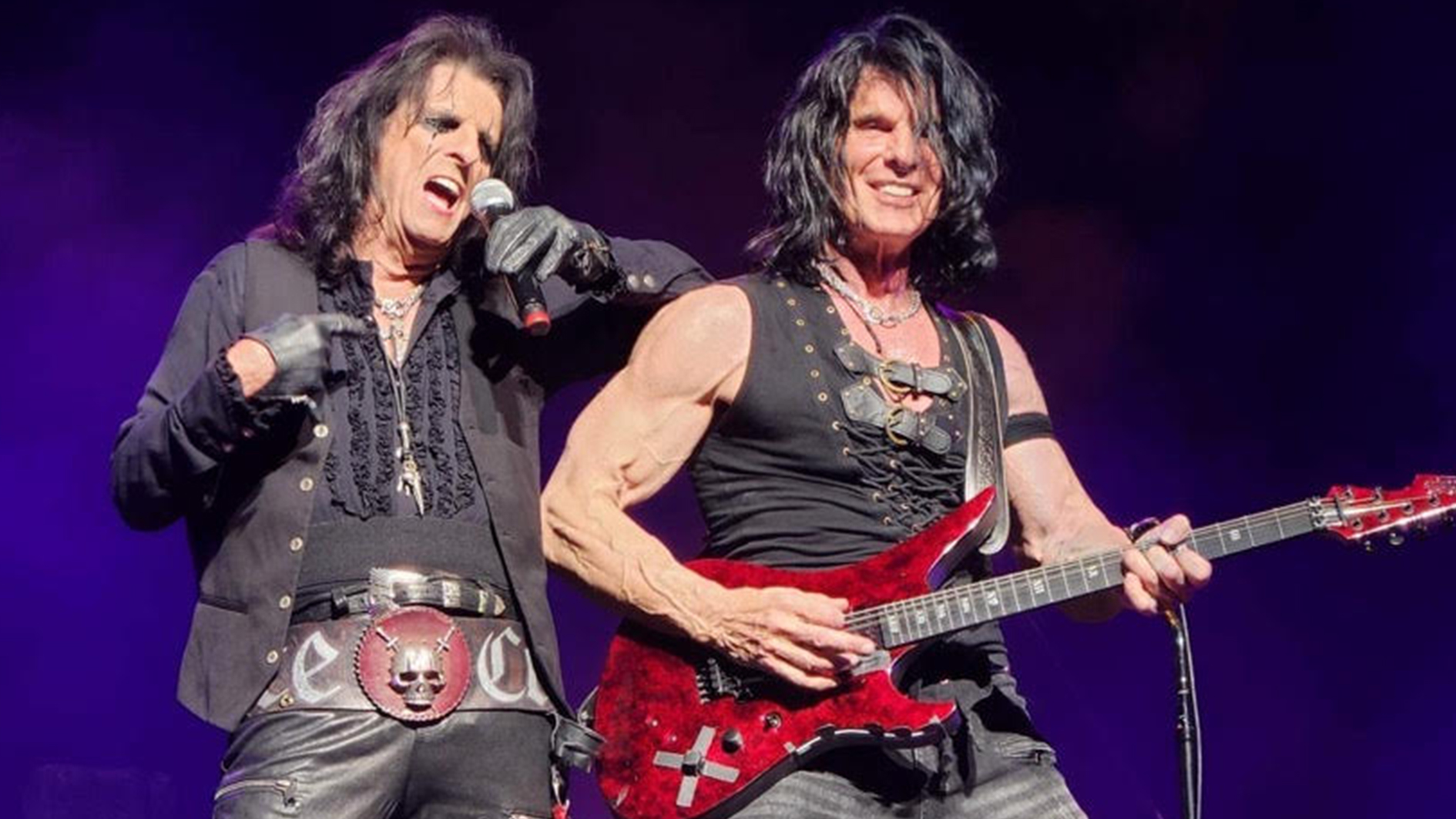
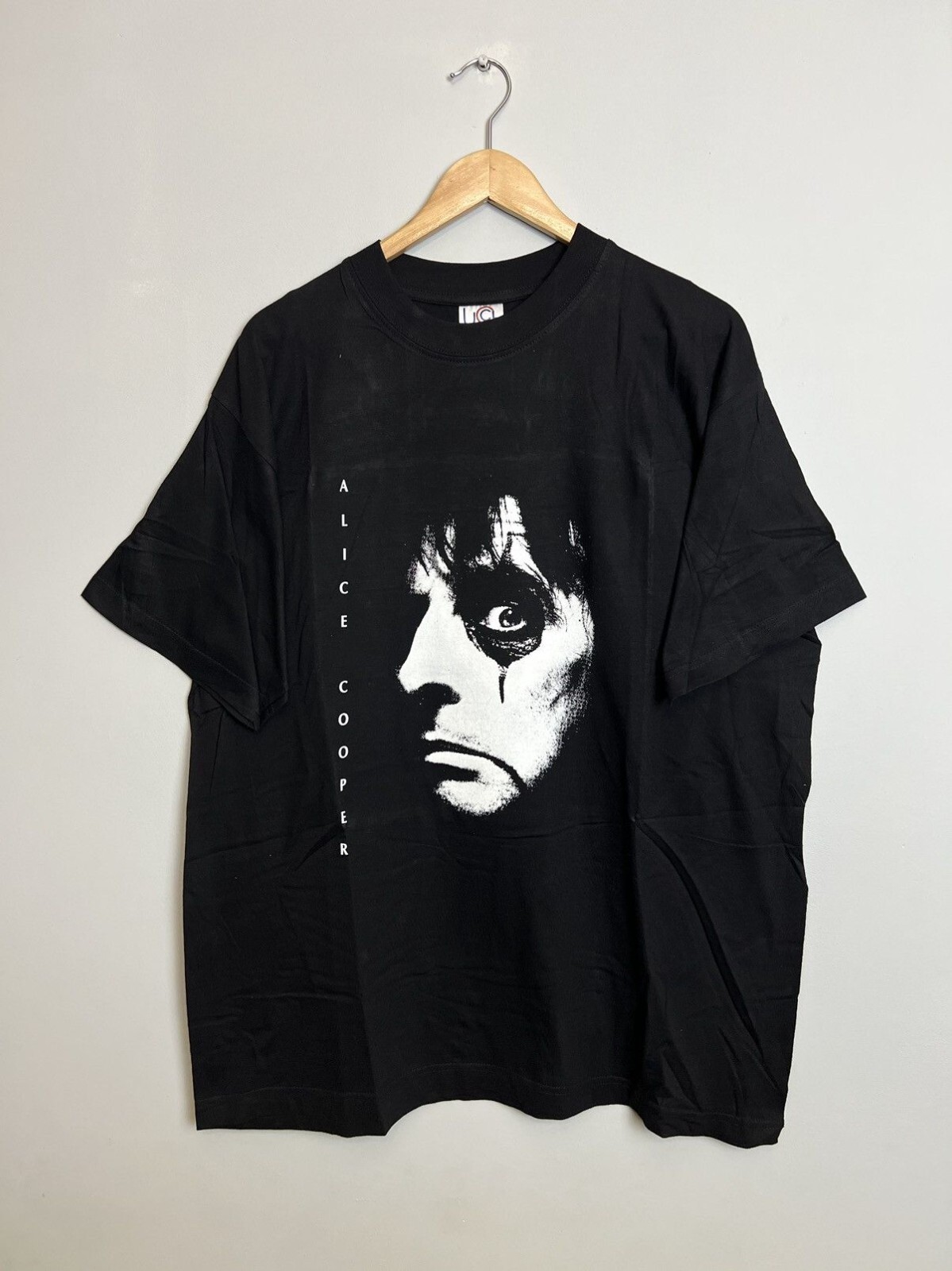
The Alice Cooper band revolutionized live music by fusing hard-hitting garage rock and heavy metal with grand-guignol theatricality, creating what is widely recognized as the ultimate shock rock experience. Spearheaded by singer Vincent Furnier—who officially adopted the stage name Alice Cooper—the group integrated macabre props, vaudevillian satire, and intricate stage illusions into hard rock performances, forever altering stadium entertainment.
The Origins of Shock Rock: Transforming Concerts into Theater
Before Alice Cooper burst onto the national stage in the late 1960s, rock concerts were predominantly straightforward musical presentations. Bands stood on stage in front of amplifiers, relying entirely on sound, lighting, and persona to engage crowds. The original Alice Cooper group—comprising lead vocalist Vincent Furnier, lead guitarist Glen Buxton, rhythm guitarist/keyboardist Michael Bruce, bassist Dennis Dunaway, and drummer Neal Smith—radically disrupted this dynamic by framing their shows as high-concept, narrative-driven theatrical events.
Formed in Phoenix, Arizona, and refined through gigging in Los Angeles and Detroit, the band drew inspiration from diverse artistic mediums. They blended the raw power of Detroit protopunk with surrealist art, horror movie aesthetics, cabaret, and Broadway stagecraft. Rather than offering an idealized vision of youth rebellion or psychedelic peace, the group embraced dark, provocative imagery.
- Protopunk & Garage Rock + Vaudeville & Horror Cinema
- The Birth of Shock Rock (1969-1971)
The band’s famous performance at the 1969 Toronto Rock and Roll Revival festival marked a major turning point in rock history. When an unruly chicken found its way on stage, Cooper tossed the bird into the crowd, expecting it to fly. Instead, the bird fell into the audience and was torn apart by eager concertgoers. National media headlines seized upon the incident, misreporting that Cooper had bitten off the bird's head. Recognizing the cultural potency of horror and sensationalism, the band leaned into the notoriety, systematically constructing a dark theatrical universe that resonated with disenfranchised youth across North America and Europe.
The Original Group: Chemistry, Songwriting, and Breakthroughs
While stage antics garnered headlines, the original Alice Cooper band succeeded primarily because of their formidable musical talents. Working closely with producer Bob Ezrin starting in 1970, the band refined their raw noise into tightly structured, melodic hard rock anthems. Ezrin urged the group to apply classical song structures and dramatic arrangements to their aggressive riffs, transforming them from an underground novelty into commercial powerhouse artists.
Key Albums (1971–1973):
- Love It to Death (1971): Featured "I'm Eighteen"
- Killer (1971): Introduced major stage illusions
- School's Out (1972): Commercial anthem & massive international hit
- Billion Dollar Babies (1973): Chart-topping peak of theatrical shock rock
The band achieved their breakthrough with the 1971 single "I'm Eighteen" from the album Love It to Death. The song captured the anxiety, confusion, and angst of adolescence, offering a relatable lyricism beneath the band’s ominous visual aesthetic. Subsequent albums—Killer (1971), School's Out (1972), and Billion Dollar Babies (1973)—cemented their position at the top of the music charts. Tracks like "School's Out," "No More Mr. Nice Guy," and "Elected" demonstrated that beneath the makeup and stage blood lay master-level pop songwriting and heavy-metal guitar work.
In 2011, the original five members were inducted into the Rock and Roll Hall of Fame, honoring their foundational contribution to rock music history. Although the original lineup parted ways in 1974—after which Furnier legally changed his name to Alice Cooper and embarked on a solo career—the blueprint established by the original band remains the gold standard for theatrical rock performances.
Signature Stagecraft: The Iconic Props and Execution
The centerpiece of the Alice Cooper live show is the dramatic execution of the "Alice" character. Throughout every concert, the stage acts as a psychological theater where the character commits villainous or absurd acts, only to meet a gruesome visual climax. To accomplish these feats night after night safely and convincingly, the band collaborated with professional magicians, stage technicians, and illusionists, notably James Randi, who helped design several signature stage props.
The execution sequence is a carefully choreographed spectacle. Cooper appears in sinister garb, wielding prop swords, crutches, or live constrictor snakes, before being subdued by stage actors dressed as sanitarium guards, executioners, or monstrous figures. The climax of the show invariably features a dramatic simulated execution—via guillotine, gallows, or electric chair—followed by a triumphant theatrical resurrection during the encore.
| Stage Illusion / Prop | Era Introduced | Visual & Thematic Function | Technical Execution & Safety |
|---|---|---|---|
| Live Snake (Kachina & Successors) | Love It to Death (1971) | Symbol of temptation, sin, and danger | Handled by Cooper with strict environmental controls and handler supervision on stage. |
| The Electric Chair | Killer (1971) | Visual satire of capital punishment and societal judgment | Mechanical spark effects, strobe lighting, and smoke machine integration. |
| The Gallows | Killer (1971) | Dramatic climax of stage villainy | Hidden harness system, quick-release trapdoors, and structural weight testing. |
| The Guillotine | Billion Dollar Babies (1973) | High-impact decapitation illusion | Custom illusion designed with professional illusionists using weighted break-away blades and blind slots. |
| The Straightjacket | Ballad of Dwight Fry sequence | Depiction of psychological breakdown and restraint | Custom quick-release fabric enabling dramatic physical movement and escape choreography. |
Evolutionary Eras: From 1970s Glam-Goth to Modern Virtuosos
Following the dissolution of the original band in 1974, Alice Cooper expanded the shock rock concept through successive eras, continually assembling backing musicians capable of matching his theatrical demands with high-octane musicianship.
The Solo Expansion and Welcome to My Nightmare (1975–1980s)
Cooper launched his solo career with the landmark concept album Welcome to My Nightmare (1975). Featuring guitarists Dick Wagner and Steve Hunter, the production elevated shock rock to a full-scale Broadway-style spectacle, complete with choreographed dancers, giant projection screens, and elaborate set pieces. During the late 1980s, Cooper embraced glam metal and heavy metal shredding, collaborating with guitarists like Kane Roberts and Kip Winger to deliver hits like "Poison" (1989).
The Modern Virtuoso Era (1990s–2020s)
In subsequent decades, Cooper built a reputation for hiring some of the most dynamic instrumentalists in hard rock. The guitar-driven dynamic became a staple of his live touring band, featuring a three-guitar assault that delivers thick, multi-layered textures to match the classic recordings.
- Triple-Guitar Dynamics: Modern tours feature a three-guitar lineup—frequently featuring long-term guitarist Ryan Roxie, heavy metal technician Tommy Henriksen, and virtuoso lead guitarists such as Nita Strauss or Orianthi.
- Rhythm Section Precision: Backed by seasoned veterans like bassist Chuck Garric and drummer Glen Sobel (as well as historical stints by Kiss drummer Eric Singer), the band maintains a tight rhythm section that keeps the show moving without breaks between set pieces.
Technical Production and Stage Safety Behind the Illusions
Executing a theatrical shock rock show requires rigorous production discipline. Because Alice Cooper's performances involve simulated blades, pyrotechnics, overhead ropes, and physical stunts, safety protocols are managed with precision by experienced stage crews.
Stage Rigging & Harness Verification
Pyrotechnic Timing & Cues
Illusion Blade Calibration
Rigging and Structural Safety: Props such as the guillotine and gallows undergo daily physical checks prior to soundcheck. Wire harnesses and mechanical drop mechanisms are inspected for fatigue to prevent accidental release.
Choreographed Cueing: The timing of stage blood, lighting blackouts, and blade drops is locked to specific musical cues. A fraction of a second delay in lighting or physical execution can break the illusion or compromise performer safety.
Snake Care and Animal Welfare: When live boa constrictors or pythons appear in the show, specific temperature controls, handling procedures, and quiet zones offstage are maintained to ensure the animal is treated humanely and stays calm during high-decibel performances.
Prop Maintenance: Synthetic blood formulas must be non-toxic, non-staining to instruments, and non-slip on stage floorings to prevent performers from losing traction during intensive movement sequences.
Legacy and Influence on Modern Entertainment
It is impossible to overstate the impact of the Alice Cooper band on the trajectory of modern popular music. Prior to their rise, rock and pop artists rarely explored macabre storytelling or dark theatricality. The band opened the door for generations of artists across multiple genres to integrate horror, grand stage design, and alter-ego personas into their art.
Alice Cooper (Pioneer of Shock Rock)
Glam Rock & Shock Rock: KISS, W.A.S.P., Twisted Sister
Heavy Metal & Thrash: Iron Maiden, King Diamond, Slipknot
Industrial & Goth Rock: Marilyn Manson, Rob Zombie, Rammstein
Modern Pop Spectacle: Lady Gaga, Ghost
Glam Rock and Heavy Metal: Early 1970s contemporaries like KISS and David Bowie's Ziggy Stardust persona drew heavy inspiration from Cooper’s use of makeup, costuming, and theatrical alter-egos. Later heavy metal acts, such as Iron Maiden and W.A.S.P., expanded on the elaborate stage props and dark thematic elements pioneered by Cooper.
Industrial Hard Rock and Goth: Artists in the 1990s and 2000s, including Rob Zombie, Marilyn Manson, and Rammstein, pushed shock rock into industrial and electronic realms, directly citing Alice Cooper as their primary performance foundation.
Mainstream Pop Spectacle: The influence of Cooper’s theatrical narrative style extends beyond rock. Modern pop icons like Lady Gaga and Tobias Forge's band Ghost utilize character-driven storylines, costume changes, and stage drama introduced during the golden age of shock rock.
What to Expect at an Alice Cooper Live Concert
For fans attending an Alice Cooper concert, the performance operates as both a hard rock concert and a live theatrical play. Understanding the flow of the show enhances the overall experience.
The Narrative Arc of the Show
An Alice Cooper concert follows a structured dramatic narrative divided into distinct acts:
- Act I: The Outlaw's Arrival: The band opens with high-energy hard rock anthems ("Feed My Frankenstein," "No More Mr. Nice Guy"). Cooper asserts his dominant, menacing stage persona, interacting with props like swords, canes, and top hats.
- Act II: Descent into Madness: The tone turns darker and more theatrical. Tracks like "Ballad of Dwight Fry" and "Steven" showcase Cooper bound in a straightjacket or haunted by sinister figures, leading into his capture and trial.
- Act III: The Climax and Execution: The grand theatrical set piece takes place. Cooper is marched to the guillotine or gallows, resulting in a gory visual decapitation or execution that delights the crowd.
- Act IV: The Resurrection and Celebration: Cooper returns to the stage dressed in pristine white tails for the celebratory encore, leading the crowd in a high-octane rendition of "School's Out" intercut with snippets of Pink Floyd's "Another Brick in the Wall."
Practical Guidance for Concertgoers
- Seating vs. Standing: To fully appreciate the illusion mechanics, stage props, and theatrical choreography, seats with an elevated view of the main stage offer optimal visual perspective. However, standing in the pit provides an immersive, high-energy environment.
- All-Ages Accessibility: Despite the dark themes and stage blood, Alice Cooper concerts are celebrated for being family-friendly, campy fun that appeals to multi-generational rock fans. The horror elements are delivered with a tongue-in-cheek vaudevillian humor rather than true malice.
Frequently Asked Questions
Did Alice Cooper really kill a chicken on stage?
No. During the 1969 Toronto Rock and Roll Revival festival, an audience member threw a live chicken onto the stage. Alice Cooper, assuming that because the bird had wings it could fly, tossed it out over the audience. The chicken landed in the crowd and was killed by attendees. Sensationalized press reports claimed Cooper bit the head off the bird, a myth Cooper chose not to correct because of the massive publicity it generated.
Who were the original members of the Alice Cooper band?
The original band consisted of Vincent Furnier (lead vocals), Glen Buxton (lead guitar), Michael Bruce (rhythm guitar, keyboards), Dennis Dunaway (bass guitar), and Neal Smith (drums). They recorded and toured together until their hiatus and subsequent split in 1974.
Why did Vincent Furnier adopt the name Alice Cooper?
The band originally adopted the name "Alice Cooper" in 1968 to create a stark, unsettling contrast between a wholesome, innocent-sounding name and their abrasive, dark musical style. When Vincent Furnier embarked on a solo career following the band's split in 1974, he legally changed his name to Alice Cooper to avoid legal disputes over ownership of the brand.
How are stage executions like the guillotine performed safely?
The guillotine and other execution props were built with assistance from professional stage magicians like James Randi. They rely on optical illusions, hidden compartments, break-away mechanical locks, and strict physical cues. The blade used in the guillotine drop moves along tracks with physical safety catches that prevent it from striking the performer, while a false prop head drops into the basket below.
Is Alice Cooper still touring and performing live?
Yes, Alice Cooper actively records and tours internationally with a world-class backing band. His live performances continue to feature classic stage illusions, signature hits, and the iconic shock rock theatricality that established his legacy.
Experiencing the Legacy of Theatrical Rock
The Alice Cooper band transformed live music from simple gigging into an immersive art form. By fusing heavy metal riffs with vaudeville theatrics, macabre storytelling, and technical stagecraft, they built a blueprint that continues to define rock spectacles.
To fully appreciate the scope of this legacy, fans and music historians should explore both the early recorded catalog—specifically the classic 1971–1973 albums Love It to Death, Killer, and Billion Dollar Babies—and experience a live performance. The Alice Cooper shock rock experience remains a masterclass in musical performance, production safety, and enduring visual entertainment.