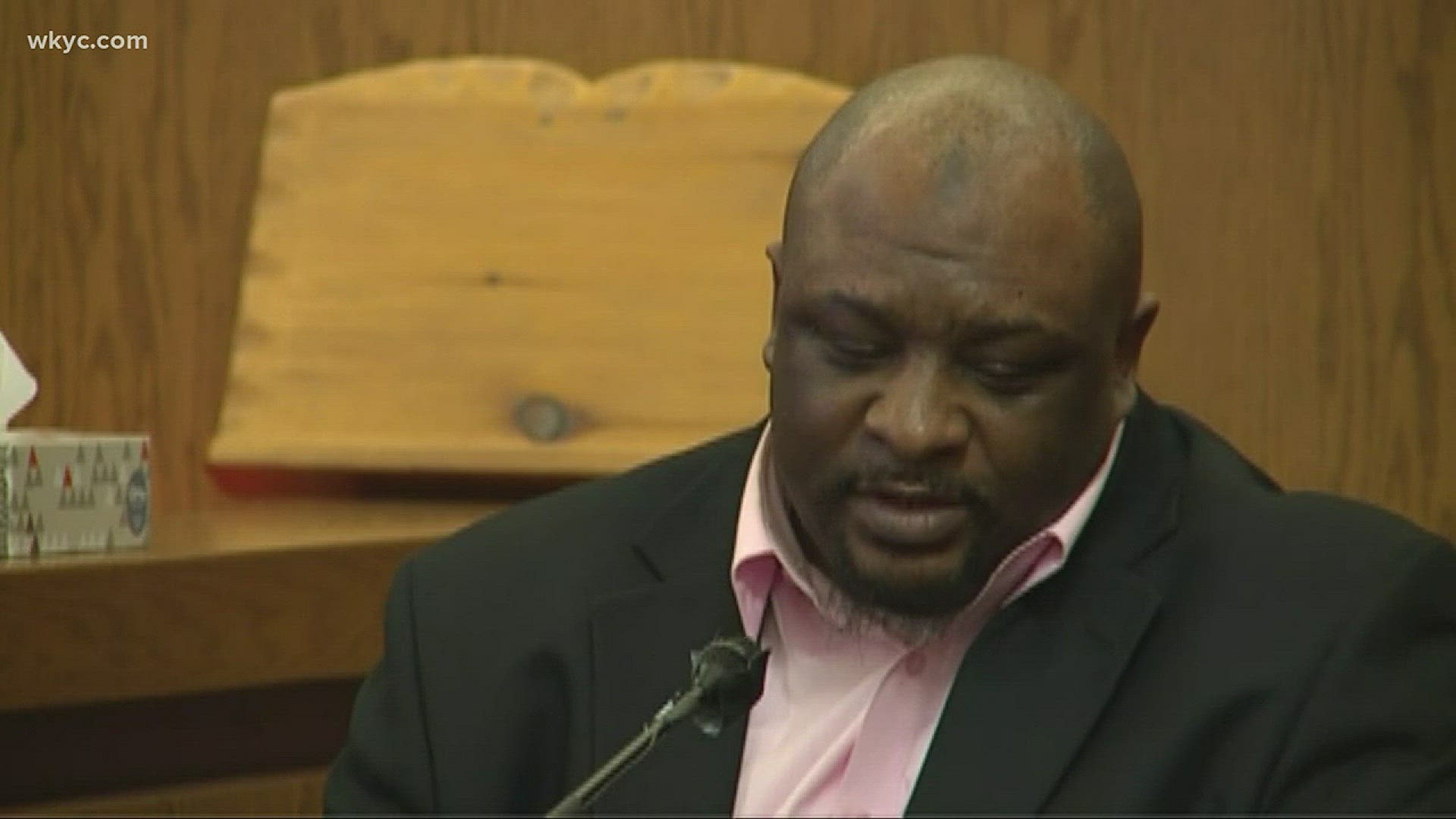
Official autopsy reports and trial records from the Cuyahoga County Medical Examiner’s Office revealed that 14-year-old Alianna DeFreeze died from severe blunt force trauma, sharp force injuries, and asphyxiation following a horrific attack in January 2017. Physical evidence and DNA matching offender Christopher Whitaker led to his 2018 conviction and death sentence.
Case Overview: The Disappearance and Discovery of Alianna DeFreeze
On the morning of January 26, 2017, 14-year-old Alianna DeFreeze left her Cleveland, Ohio home to take a Greater Cleveland Regional Transit Authority (RTA) bus to E Prep & Village Prep Cliff Campus, where she was an eighth-grade student. When she failed to arrive at school, her family was not immediately notified due to administrative delays in the school’s attendance tracking system, delaying initial search efforts by several hours.
Law enforcement agencies, including the Cleveland Division of Police and the FBI’s Violent Crimes Task Force, launched an intensive investigation after her family reported her missing later that evening. Surveillance footage from local buses and security cameras tracked her route, establishing her last known movements near East 93rd Street and Kinsman Road.
Three days later, on January 29, 2017, law enforcement officers searching vacant properties located Alianna’s body inside an abandoned home on Fuller Avenue in Cleveland’s Union-Miles neighborhood. The location, heavily damaged and blighted, became the central crime scene for county forensic investigators and homicide detectives.
The discovery shifted the investigation from a missing person search to a capital murder probe. The physical state of the scene prompted immediate involvement from the Cuyahoga County Medical Examiner’s Office to secure forensic trace evidence, establish the timeline of events, and conduct a detailed post-mortem examination.
Medical Examiner Findings: What the Autopsy Records Disclosed
The formal post-mortem examination was conducted by the Cuyahoga County Medical Examiner’s Office in Cleveland, Ohio. The official autopsy findings formed a vital component of the prosecution’s case against Christopher Whitaker during his 2018 capital murder trial in the Cuyahoga County Court of Common Pleas.
According to records admitted into evidence during judicial proceedings, the cause of death was certified as a combination of severe blunt force trauma, multiple sharp force injuries, and mechanical asphyxiation. Forensic pathologists documented extensive physical injuries spanning the victim's head, neck, torso, and extremities, indicating a prolonged and violent assault.
Key Forensic Findings from Cuyahoga County Medical Examiner:
- Primary Cause of Death: Severe blunt force trauma, sharp force wounds, mechanical asphyxiation
- Associated Injuries: Defense wounds on arms/hands, severe cranial trauma, soft tissue lacerations
- Manner of Death: Homicide
- Forensic Evidence Collected: DNA swabs, trace fibers, physical tool mark impressions
The medical examiner documented defensive injuries on Alianna’s forearms and hands, indicating that she attempted to fend off her attacker. Forensic examination confirmed that the assault involved multiple handheld instruments recovered from the crime scene, including tools left inside the abandoned house.
Pathology reports presented during court testimony also established the estimated window of death, confirming that the lethal injuries occurred shortly after her abduction on January 26, 2017. The autopsy details provided conclusive evidence regarding the manner of death, officially ruling it a homicide and providing the factual basis for aggravated murder and kidnapping charges.
Forensic Evidence and DNA Analysis Presented at Trial
The criminal case against Christopher Whitaker relied heavily on forensic biology, trace evidence, and forensic odontology presented by county crime lab specialists. The Cuyahoga County Regional Forensic Science Laboratory analyzed dozens of items recovered from the Fuller Avenue crime scene and Whitaker’s residence.
The primary physical link connecting Whitaker to the crime was nuclear DNA evidence recovered from the victim's body and clothing. Crime lab analysts testified that DNA profiles extracted from swabs matched Whitaker's standard reference sample, with match probabilities exceeding one in several billion. Additionally, blood evidence matching the victim was discovered on personal items belonging to Whitaker.
Forensic technicians also analyzed physical items recovered from the vacant house on Fuller Avenue, including a drill, hammer, and box cutter. Laboratory comparison linked specific patterns of sharp and blunt force trauma documented during the autopsy to these specific items, establishing the mechanics of the assault.
| Record / Evidence Category | Primary Source Entity | Key Forensic or Fact Findings | Legal Impact in Case |
|---|---|---|---|
| Autopsy Report | Cuyahoga County Medical Examiner | Cause of death: blunt force trauma, sharp force injuries, asphyxiation; Homicide ruling | Established elements of aggravated murder and felonious assault |
| DNA Profiling | Cuyahoga County Regional Forensic Lab | High-probability DNA match to Christopher Whitaker from victim and scene swabs | Identified Whitaker as sole perpetrator; disproved defense claims |
| Surveillance Footage | Cleveland RTA & Local Businesses | Video tracking Alianna's bus trip and Whitaker walking near East 93rd St. | Established timeline of abduction on Jan 26, 2017 |
| Physical Tool Evidence | Cleveland Division of Police Crime Scene Unit | Recovery of blood-stained tools in abandoned house matching autopsy wound profiles | Supported charges of violent crime and premeditation |
| Cell Tower Data | Federal Bureau of Investigation (FBI) | Location data placing Whitaker's mobile device near the Fuller Ave. scene | Corroborated video evidence and witness testimony |
Cellular location data and surveillance footage further established that Whitaker was present in the immediate vicinity of East 93rd Street and Fuller Avenue during the timeframe indicated by the medical examiner's death timeline. The convergence of physical DNA evidence, digital footprint analysis, and autopsy findings created an unassailable evidentiary record.
The Judicial Process: Indictment, Trial, and Death Sentence
Following his arrest on February 2, 2017, Christopher Whitaker was indicted by a Cuyahoga County grand jury on multiple counts, including aggravated murder, kidnapping, rape, felonious assault, and tampering with evidence. The Cuyahoga County Prosecutor’s Office sought the death penalty due to statutory capital specifications attached to the aggravated murder charges, specifically committing murder during the commission of kidnapping and rape.
Whitaker pleaded not guilty, leading to a jury trial in February 2018 before Judge John P. O'Donnell in the Cuyahoga County Common Pleas Court. During the guilt phase of the trial, prosecutors presented overwhelming forensic testimony, including detailed explanations of the medical examiner's autopsy findings, crime scene photographs, and DNA laboratory reports.
Key Court Ruling: The jury found Christopher Whitaker guilty on all counts, including capital aggravated murder charges, determining that the state proved beyond a reasonable doubt that Whitaker committed the offense during kidnapping and felonious assault.
On February 13, 2018, the jury returned guilty verdicts across all counts. During the penalty phase, defense attorneys offered mitigating evidence regarding Whitaker's background and mental health, while prosecutors pointed to the severe nature of the autopsy findings and the calculated nature of the crime.
The jury recommended the sentence of death. On March 23, 2018, Judge O'Donnell formally sentenced Christopher Whitaker to death, along with additional decades of imprisonment for the non-capital felony convictions. Whitaker was subsequently transferred to the Ohio Department of Rehabilitation and Correction to await execution under automatic statutory appeal procedures.
Systemic Reform and Policy Impact: The Enactment of Alianna’s Law
The circumstances surrounding Alianna DeFreeze’s disappearance highlighted critical gaps in school attendance notification policies across Ohio public school districts. Because her school did not immediately notify her parents when she failed to arrive on the morning of January 26, 2017, several crucial hours passed before law enforcement was alerted.
In response to advocacy by Alianna’s family, Ohio lawmakers drafted legislation to standardize unexcused absence notifications across the state. This legislative effort resulted in the passage of House Bill 419 and Senate Bill 82, collectively referred to as Alianna’s Law.
Implementation Requirements under Alianna's Law (Ohio Revised Code § 3321.141):
- Mandatory Attendance Check: Schools must verify attendance within the first hours of the school day.
- Two-Hour Parental Notification: Parents/guardians must be notified within 120 minutes of an unexcused absence.
- Automated Contact Protocols: System must use phone, text, or email channels until confirmation is achieved.
- Annual Contact Updating: Parent contact details must be updated at the start of each academic year.
Signed into law by the Governor of Ohio, the statute amended Ohio Revised Code § 3321.141 to require public and charter schools to contact a student's parent, guardian, or emergency contact within 120 minutes of the start of the school day if the student is absent without legitimate excuse. This mandatory notification protocol ensures that missing children are identified rapidly, directly addressing the systemic failure that delayed initial search efforts in January 2017.
Accessing Ohio Criminal and Autopsy Records Safely and Legally
Public records requests concerning high-profile criminal cases in Ohio are governed by state public records laws. Individuals researching autopsy reports, trial transcripts, and law enforcement case files must follow specific legal administrative procedures.
Under Ohio Revised Code § 149.43 (the Ohio Public Records Act), public records are available for inspection, but specific statutory exemptions apply to sensitive crime scene documentation and forensic materials.
- Autopsy Records: Under Ohio law, full coroner or medical examiner reports are public records, but photographs, video recordings, and biological specimens from an autopsy are exempt from public release to protect decedent privacy under Ohio Revised Code § 313.10.
- Court Dockets and Transcripts: Case files, motions, and sentencing entries from the Cuyahoga County Court of Common Pleas are accessible through the official Cuyahoga County Clerk of Courts public access portal.
- Police Investigation Files: Closed law enforcement investigative files can be requested from the Cleveland Division of Police Public Records Unit, though redacting of personal identifying information (PII) is mandatory prior to disclosure.
Researchers, journalists, and legal scholars seeking official documentation should submit written requests directly to the record custodian of the respective agency, specifying the case number (State of Ohio v. Christopher Whitaker, Cuyahoga County Common Pleas Case No. CR-17-613868-A) to ensure accurate retrieval.
Frequently Asked Questions
What was the official cause of death listed in the Alianna DeFreeze autopsy?
The official cause of death certified by the Cuyahoga County Medical Examiner’s Office was severe blunt force trauma, sharp force injuries, and mechanical asphyxiation. The manner of death was formally ruled a homicide resulting from a violent assault.
Who was convicted in the murder of Alianna DeFreeze?
Christopher Whitaker was convicted of aggravated murder, kidnapping, rape, and felonious assault in February 2018. He was sentenced to death by the Cuyahoga County Court of Common Pleas in March 2018.
How did forensic evidence link Christopher Whitaker to the crime scene?
Forensic scientists identified Whitaker's nuclear DNA on evidence collected from the victim and the crime scene. Additionally, physical tool mark impressions analyzed by crime lab experts matched items found at the vacant house on Fuller Avenue, and cell tower records placed Whitaker's phone at the location.
What is Alianna’s Law and how did it change Ohio school policies?
Alianna’s Law (Ohio Revised Code § 3321.141) is a state statute enacted following Alianna’s death. It requires all Ohio public and charter schools to notify parents or guardians within two hours of the start of the school day if a student has an unexcused absence.
Are full autopsy photographs from the case available to the public?
No. Under Ohio Revised Code § 313.10, autopsy photographs, video recordings, and biological materials held by a county medical examiner are explicitly exempt from public records disclosure to preserve victim dignity and privacy, though written text autopsy reports remain accessible.
Where did the crime occur and where was Alianna DeFreeze found?
Alianna DeFreeze was abducted on January 26, 2017, while riding an RTA bus on her way to school in Cleveland, Ohio. Her body was discovered three days later, on January 29, inside an abandoned residential property on Fuller Avenue in Cleveland.
Understanding Public Records and Forensic Documentation
When evaluating high-profile criminal cases and autopsy findings, it is essential to rely on verified documentation released through official county, state, and judicial authorities. Unverified claims, sensationalized summaries, or social media rumors often distort complex forensic evidence and legal rulings.
For validated information, public records requests should be directed to the Cuyahoga County Medical Examiner's Office for pathology reports, or to the Cuyahoga County Clerk of Courts for trial transcripts, motions, and sentencing dockets. Reviewing primary source court filings and official legislative summaries ensures an accurate, factual understanding of judicial outcomes and legislative policy updates like Alianna’s Law.