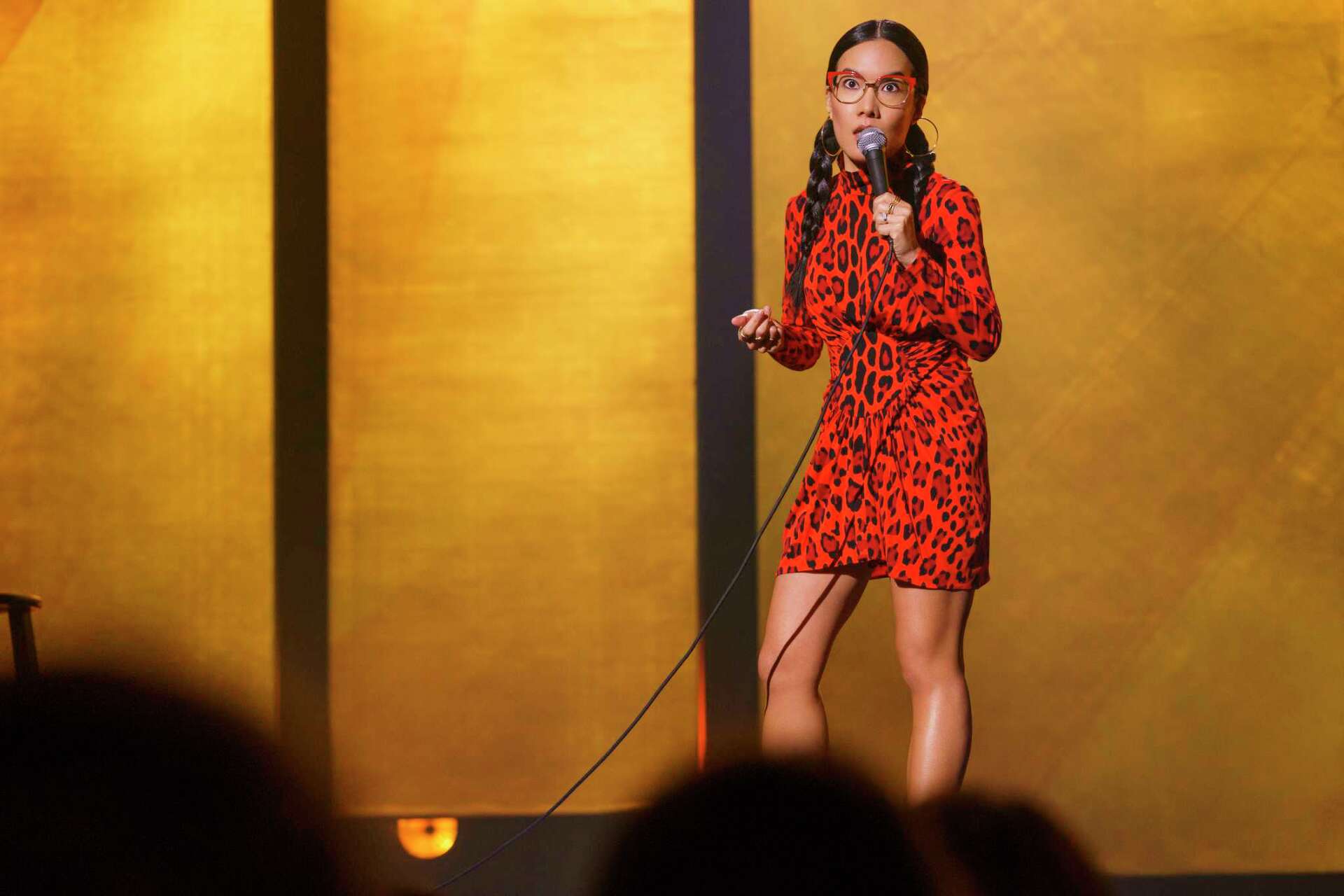
Ali Wong's post-divorce stand-up material—highlighted in her Netflix special Single Lady and her active 2024–2025 live touring—features some of her sharpest jokes yet. Transitioning from maternal anxiety and marital negotiations to mid-life singlehood, dating in her 40s, and high-profile romance, Wong delivers raw, unfiltered comedic commentary grounded in deep emotional vulnerability and razor-sharp observational precision.
The Structural Evolution of Ali Wong’s Stand-Up Persona
Comedian, writer, and actor Ali Wong transformed the landscape of modern stand-up with her breakout 2016 Netflix special, Baby Cobra. Performed while seven months pregnant in a iconic striped bodycon dress, that hour established her signature voice: brutally honest, intentionally raunchy, and unapologetically subversive regarding traditional expectations of Asian American womanhood and domesticity. She followed this formula with equal fervor in 2018's Hard Knock Wife and 2022's Don Wong, building a distinct narrative arc focused on the claustrophobia of early motherhood, marriage mechanics, and the psychological burden of ascending to fame while maintaining a household.
By the time Wong returned to the stage with her 2024–2025 material, culminative in her special Single Lady, her personal and professional life had undergone a tectonic shift. Following her divorce from Justin Hakuta in 2022 and her critically acclaimed performance in the Netflix limited series Beef (which earned her Emmy and Golden Globe awards), her comedy evolved from negotiating the terms of domestic partnership to navigating life as an independent, wealthy, forty-something single woman.
- Baby Cobra (2016)
- Pregnancy & Marital Expectations
- Hard Knock Wife (2018)
- Motherhood & Success
- Don Wong (2022)
- Marital Tension & Fantasy
- Single Lady (2024–2025)
- Divorce, Singlehood & Midlife Freedom
Her recent material does not discard the physical rhythm or provocative shock-value that made her famous. Instead, it recontextualizes those techniques. Where early sets relied on the subversion of the traditional wife role, her 2024–2025 jokes examine the unexpected friction of post-divorce freedom. She approaches dating not with youthful desperation, but with the ruthless pragmatism of a woman who has already conquered Hollywood and raised children, offering audiences an unprecedented look at midlife reinvention.
Core Themes in Ali Wong’s Recent Material
Dating After 40 and Modern Romantic Friction
A central pillar of Wong's material across her 2024 and 2025 tour performances is the absurdity of re-entering the dating market in her 40s. Unlike standard dating humor that centers on insecurity or swipe-app fatigue, Wong analyzes dating through the lens of established success and high standards. She contrasts the naive romantic expectations of her 20s with the exacting, transactional demands of an experienced adult who values her personal space and time above all else.
Her jokes detail the comedic horror of romantic courting rituals when both parties carry decades of emotional history. She treats suitors not as potential savior figures, but as subjects for intense scrutiny, poking fun at the grand romantic gestures of men trying to win her affection compared to her desire for peace, efficient communication, and solitude.
Co-Parenting and the Realities of Divorce Finality
While pop culture often frames divorce through tragedy or acrimony, Wong approaches her split with a stark, pragmatic comedic lens. She frequently highlights the peaceful, cooperative reality of co-parenting with her ex-husband, using that harmony to undermine media sensationalism surrounding high-profile breakups.
Her sharpest bits explore the bizarre social expectations placed on divorced parents. She dismantles the stigma around shared custody, jokingly framing her off-duty parenting days as mandatory vacations—a sharp counter-narrative to the conventional portrayal of single-parent guilt. This perspective allows her to deliver punchlines that challenge underlying societal assumptions about family structure and female sacrifice.
Fame, Autonomy, and Public Scrutiny
Having achieved widespread critical acclaim and industry hardware, Wong’s recent humor engages directly with the surreality of fame. She touches on the public interest in her personal life, including high-profile relationships, while retaining control over the narrative through self-deprecating wit.
Her jokes address the contrast between red-carpet glamour and private absurdities. She demystifies celebrity dating, describing high-end dates with the same coarse, observational detail she once applied to cheap apartment living. This grounding keeps her comedy accessible despite her elevated socioeconomic status.
Anatomy of a Punchline: Deconstructing Her Sharpest Joke Structures
Ali Wong’s comedy relies on precise formal mechanics that turn potentially discomforting topics into universally hilarious observations. Her joke construction relies on three core structural elements:
- The Vulgar Contrast: Wong frequently sets up a joke using formal, sophisticated language or delicate emotional premises, only to resolve it with explicit, visceral terminology. This sharp contrast shatters the audience's expectation of decorum and forces a immediate laugh reaction.
- Physicality as Punctuation: Long before delivering the verbal punchline, Wong uses posture, facial contortions, and dramatic stage pacing to signal shifting emotional states. In her 2024–2025 sets, her physical comedy acts as a comedic translation of inner anxiety or predatory determination when discussing dating.
- The Subverted Confession: She leads the audience down a path of apparent vulnerability—making it seem as though she is about to express regret or sorrow regarding her life decisions—before executing a hard turn into unapologetic self-interest or relief.
By layering these tactics, her punchlines hit with exceptional speed and force. The humor works because the punchline is never just a punchline; it is a point of view that challenges standard social etiquette.
Cataloging Ali Wong’s Stand-Up Specials and Tour Eras
To understand why her 2024–2025 material represents her sharpest work, it helps to examine how her thematic focus, delivery style, and personal context have shifted over her major stand-up releases.
| Special / Tour Era | Release / Tour Period | Primary Focus & Core Themes | Comedic Tone & Key Innovations |
|---|---|---|---|
| Baby Cobra | 2016 | Marriage expectations, pregnancy, feminism, sexual history, social pressures. | Shock-value vulnerability, high-energy physical delivery while heavily pregnant. |
| Hard Knock Wife | 2018 | Breastfeeding, post-partum realities, breadwinning dynamics, wealth disparity in marriage. | Visceral physical humor, raw maternal realism, cynical financial commentary. |
| Don Wong | 2022 | Marital dissatisfaction, jealousy toward single peers, existential burnout, female ambition. | Darkly satirical, confessional, pushing the limits of acceptable marital critique. |
| Single Lady / 2024–2025 Tour | 2024–2025 | Post-divorce dating, sexual independence, co-parenting harmony, midlife autonomy. | Pragmatic, triumphant, razor-sharp observational wit on modern romance and fame. |
Comparing the Eras: Marriage, Fame, and Independence
Analyzing Wong’s career trajectory reveals how her comedy reflects her evolving personal autonomy. In Baby Cobra and Hard Knock Wife, the underlying tension stemmed from the trap of conventional domesticity. She joked about wanting to be a "stay-at-home mom" to escape the workforce, only to discover that full-time domestic labor was far more exhausting and unthankful than her comedy career.
In Don Wong, the tension metastasized into overt frustration. The jokes in that 2022 special were sharp precisely because they voiced thoughts rarely admitted on stage: the feeling that marriage can occasionally feel like a prison, and the envy a married person feels toward single friends who command their own schedules.
| Era | The Evolution of Wong's Tension |
|---|---|
| Early Era (2016-2018) | Tension: Traditional Duty vs. Ambition |
| Middle Era (2022) | Tension: Marital Trap vs. Freedom |
| Current Era (2024-2025) | Tension: Dating Reality vs. Personal Independence |
By her 2024–2025 material, that tension resolved into liberation. The jokes are no longer about wanting to escape a situation; they are about managing the absolute freedom she achieved. This shifts the dynamic between performer and audience. Rather than seeking empathy for her domestic struggles, Wong now invites the audience to celebrate her independence while laughing at the absurd, unglamorous realities of re-entering the romantic pool in middle age.
Live Tour Dynamics vs. Streamed Specials
There is a distinct difference between experiencing Ali Wong’s material live on tour versus watching her recorded Netflix specials. During her 2024 and 2025 tour dates across North America and international venues, Wong actively workshopped material, refining timing based on immediate audience reactions.
- Crowd Interaction: Live performances feature off-the-cuff riffing with audience members, particularly older divorced individuals or single attendees. These unscripted exchanges often serve as testing grounds for broader observations on modern dating.
- Pacing and Riffs: In a live comedy club or theater setting, Wong allows jokes to breathe longer. She experiments with extended pauses and physical holds that are sometimes tightened up during final broadcast edits for streaming platforms like Netflix.
- Material Selection: Live audiences often hear riskier, unpolished bits regarding her high-profile personal life that are either reshaped or omitted prior to recording a taped special, making the live experience uniquely revealing.
Frequently Asked Questions
What is the title of Ali Wong's post-divorce Netflix special?
Ali Wong's post-divorce Netflix stand-up special is titled Single Lady, directed by Stephanie Allynne and released globally on Netflix in October 2024.
Where can audiences stream Ali Wong's stand-up specials?
All four of Ali Wong's major stand-up specials—Baby Cobra (2016), Hard Knock Wife (2018), Don Wong (2022), and Single Lady (2024)—are available for streaming exclusively on Netflix.
How has Ali Wong's comedy changed since Baby Cobra?
While her early specials focused heavily on pregnancy, the physical toll of early motherhood, and marital negotiations, her recent material focuses on post-divorce single life, dating after 40, co-parenting, and navigating high-profile fame with financial and emotional independence.
Has Ali Wong won awards for her acting in addition to her comedy?
Yes. Ali Wong won an Emmy Award, a Golden Globe Award, and a Screen Actors Guild (SAG) Award for her starring role as Amy Lau in the 2023 Netflix limited series Beef, which she also executive produced.
Does Ali Wong write all of her own stand-up material?
Yes, Ali Wong writes her own stand-up comedy material. She honed her craft through years of relentless sets in comedy clubs across San Francisco, New York, and Los Angeles before releasing her breakthrough specials.
Practical Ways to Experience Ali Wong's Recent Comedy
For comedy enthusiasts looking to explore Ali Wong's latest work and support live stand-up, consider the following actionable steps:
- Stream Her Full Special Arc Chronologically: To fully appreciate the narrative transformation in her humor, watch her four Netflix specials in order: Baby Cobra, Hard Knock Wife, Don Wong, and Single Lady. This progression highlights how her punchline structure and worldview evolved across a decade.
- Monitor Official Tour Schedules: Track upcoming performance dates via official ticketing platforms and verified comedy venue listings. Live workshop sets in smaller comedy clubs offer rare glimpses into how new material is developed before hitting major theater tours.
- Explore Her Acting and Narrative Work: Beyond stand-up, review her dramatic and comedic acting in Beef (Netflix) and her voice work in animated series like Tuca & Bertie to see how her distinct comedic voice adapts to scripted storytelling.