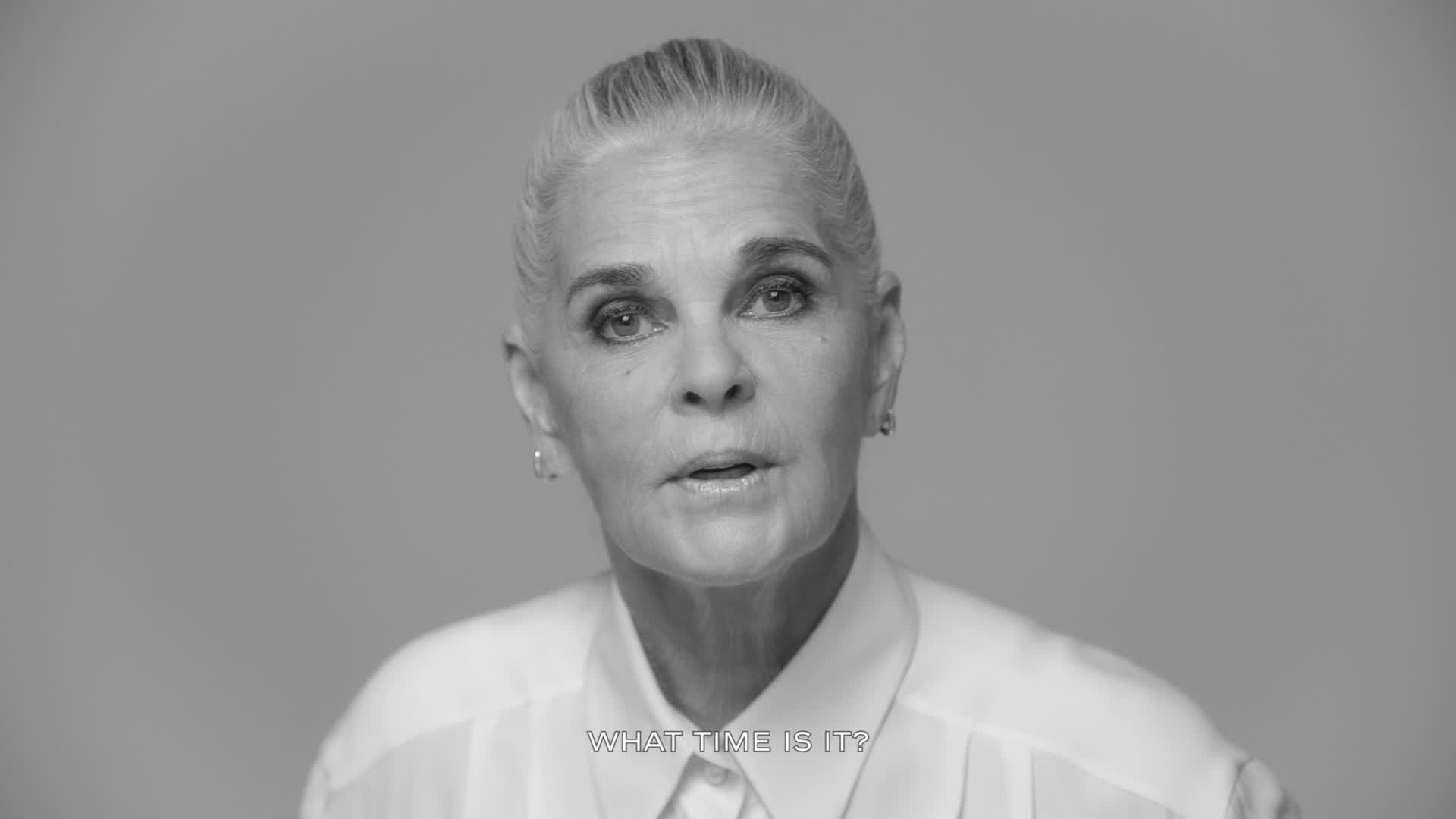
American actress, model, and cultural icon Ali MacGraw has an estimated net worth of $6 million. Her accumulated wealth reflects a multi-decade career that encompasses defining 1970s Hollywood feature films, television appearances, a best-selling autobiography, a pioneering fitness video franchise, and a quiet, deliberate lifestyle transition to New Mexico.
While modern Hollywood stars frequently command tens of millions of dollars per project through lucrative backend streaming deals, MacGraw’s financial trajectory offers a compelling study of mid-20th-century studio earnings, high-profile personal disruptions, and strategic post-acting commercial ventures.
Overview of Ali MacGraw’s Financial Portfolio and Estimated Net Worth
Evaluating the wealth of silver-screen icons from the 1960s and 1970s requires examining an era when studio contracts, upfront salaries, and fixed royalties governed compensation. Unlike contemporary actors who negotiate gross-profit participation across global syndication and streaming platforms, stars of MacGraw's generation primarily relied on flat fees and standard studio agreements.
MacGraw's current net worth of roughly $6 million is supported by several distinct income streams:
- Film and Television Salaries: Earnings from critically acclaimed box-office successes during peak studio eras, followed by prime-time television roles in the 1980s.
- Publishing Royalties: Proceeds from her national best-selling autobiography, Moving Pictures.
- Home Video and Fitness Ventures: Residuals and revenue from her highly successful 1994 instructional release, Ali MacGraw Yoga Mind & Body.
- Real Estate Realignment: Strategic reduction of housing overhead following her move from Southern California to Santa Fe, New Mexico.
Though MacGraw walked away from full-time acting at the height of her commercial appeal, her varied projects provided long-term financial independence.
Peak Hollywood Career: Earnings from Iconic Film and Television Roles
Ali MacGraw entered the entertainment industry not through traditional theater training, but as a fashion stylist and photographic model. Her background caught the attention of film executives, leading to her breakout role in the 1969 film adaptation of Philip Roth’s novella, Goodbye, Columbus. The picture was a commercial success, earning MacGraw a Golden Globe Award for Most Promising Newcomer and establishing her screen viability.
- Modelling / Fashion Stylist
- Goodbye, Columbus (1969)
- Love Story (1970)
- The Getaway (1972)
The Phenomenon of Love Story (1970)
MacGraw reached international superstardom with the release of Paramount Pictures' romantic drama Love Story (1970). Produced on a modest budget of approximately $2.2 million, the film grossed over $100 million in North America alone and over $130 million worldwide during its initial release.
Despite the record-breaking box-office performance, MacGraw’s earnings were governed by standard contractual terms of the era. Studio accounting practices meant that principal actors rarely shared in gross backend profits unless explicitly negotiated prior to production. Nevertheless, the movie earned her an Academy Award nomination for Best Actress, cemented her position as Hollywood’s top female box-office draw, and dramatically heightened her market value for subsequent projects.
Action Cinema and Prime-Time Television
Following Love Story, MacGraw starred alongside Steve McQueen in Sam Peckinpah’s action thriller The Getaway (1972). The film was another major commercial hit, grossing over $36 million domestically against a $3 million budget.
After taking a prolonged sabbatical from acting during her marriage to McQueen, MacGraw returned to screen work in the late 1970s and 1980s:
- ** Players (1979) and Just Tell Me What You Want (1980):** High-profile feature films that fetched substantial upfront actor fees.
- ** The Winds of War (1983):** Paramount’s acclaimed television miniseries, which commanded high broadcast salaries for its lead ensemble.
- ** Dynasty (1984–1985):** MacGraw joined the cast of ABC’s hit prime-time soap opera for a 14-episode arc, securing premium television compensation during the height of the show's worldwide popularity.
Key Career Milestones and Estimated Commercial Impact
The table below outlines Ali MacGraw’s core professional projects, illustrating the shift from upfront feature salaries to publishing, wellness products, and brand representation over the decades.
| Era / Year | Project / Asset Title | Role / Industry Segment | Primary Financial Mechanism | Cultural & Commercial Significance |
|---|---|---|---|---|
| 1969 | Goodbye, Columbus | Brenda Patimkin (Film) | Standard Studio Salary | Breakthrough role; Golden Globe winner for Most Promising Newcomer. |
| 1970 | Love Story | Jennifer Cavalleri (Film) | Contract Salary / Base Fee | Global blockbuster grossing $100M+; earned Academy Award nomination. |
| 1972 | The Getaway | Carol Ainsley McCoy (Film) | Feature Lead Compensation | Box-office action hit grossing over $36M against a $3M production budget. |
| 1983 | The Winds of War | Natalie Jastrow (TV Miniseries) | Network Event Salary | Massive network viewership; established her viability in high-budget TV. |
| 1984–1985 | Dynasty | Lady Ashley Mitchell (TV Series) | Per-Episode Prime-Time Rate | 14-episode guest arc on top-rated global television drama. |
| 1991 | Moving Pictures | Published Author (Memoir) | Publishing Advance & Royalties | New York Times best-selling autobiography detailing her life and Hollywood history. |
| 1994 | Ali MacGraw Yoga Mind & Body | Executive / On-Camera Host | Production Royalties & Video Sales | Landmark wellness release; maintained strong VHS/DVD catalogue sales for decades. |
Beyond Acting: Books, Yoga Empire, and Commercial Ventures
When her full-time acting roles slowed, MacGraw diversified her professional output by leveraging her personal brand, aesthetic vision, and personal journey.
Moving Pictures Autobiography (1991)
In 1991, MacGraw released her frank autobiography, Moving Pictures, published by HarperCollins. The book candidly addressed her career highs, high-profile relationships, struggles with addiction, and subsequent recovery at the Betty Ford Center. The memoir became an immediate New York Times bestseller, generating significant income through advances, worldwide publishing rights, and paperback republications.
Ali MacGraw Yoga Mind & Body (1994)
MacGraw played a pivotal role in introducing yoga into mainstream American culture. Collaborating with renowned yoga instructor Erich Schiffmann and Warner Home Video, she produced and hosted Ali MacGraw Yoga Mind & Body. Filmed on location at White Sands National Park, the video combined accessible instruction with cinematic production quality.
- Market Impact: The title became an immediate hit in the home video market, staying at the top of national video sales charts for months.
- Longevity: Transferred from VHS to DVD and later digital streaming formats, the product provided MacGraw with long-term passive income and residual revenue for decades.
Fashion and Ambassador Roles
MacGraw's background as a Mademoiselle photo editor and model sustained her connections within fashion. In later years, she engaged in selective commercial collaborations, public speaking engagements, and brand ambassadorships, including work for heritage brands like Chanel.
Marriages, Financial Losses, and the 1993 Malibu Fire
Personal disruptions and environmental disasters have played a critical role in shaping MacGraw’s overall net worth and financial management strategy over time.
High-Profile Marriages and Divorces
MacGraw has been married three times:
- Robin Hoen (1961–1962): A brief marriage early in her adult life prior to entering acting.
- Robert Evans (1969–1972): The legendary Paramount Pictures executive produced Love Story. Their divorce was amicable, but studio finances and personal assets remained largely distinct under contract norms of the era.
- Steve McQueen (1973–1978): MacGraw married her Getaway co-star and paused her acting career entirely for five years at his request. Following their divorce in 1978, MacGraw received limited financial settlement proceeds under the prenuptial terms typical of McQueen's business arrangements, leaving her needing to restart her acting career to regain financial momentum.
The 1993 Malibu Wildfire
In November 1993, the devastating Old Topanga Fire swept through Malibu, California, completely destroying MacGraw’s rented home along with nearly all her personal possessions, family heirlooms, screen memorabilia, and financial records.
While insurance provided some capital relief, the total loss of her physical estate marked a major financial turning point. The event prompted her to permanently leave Southern California and re-evaluate her personal priorities.
Real Estate Holdings and Lifestyle Transition in New Mexico
Following the loss of her California residence, MacGraw relocated to Tesuque, near Santa Fe, New Mexico, in 1994. Her transition to the American Southwest represented both a lifestyle pivot and a sensible real estate realignment.
- Malibu Property Loss (1993 Fire)
- Relocation to Santa Fe (1994)
- Modest Real Estate Footprint
By settling in New Mexico, MacGraw avoided the exorbitant property taxes, insurance premiums, and high cost of living associated with Los Angeles luxury estates. Her Santa Fe residence—characterized by historic Southwestern architecture, eco-friendly design, and modest scale—allowed her to preserve her capital base while engaging in philanthropic work, animal welfare advocacy, and historic preservation initiatives.
Rather than maintaining speculative, multi-million-dollar real estate portfolios, MacGraw prioritized financial stability, quiet living, and minimal overhead, preserving her core savings over multi-decade retirement years.
Frequently Asked Questions
What is Ali MacGraw's estimated net worth?
Ali MacGraw's estimated net worth sits at approximately $6 million. This figure is supported by historic film and television earnings, publishing royalties, video product distribution, and managed real estate assets.
Did Ali MacGraw make millions from the movie Love Story?
No. Despite Love Story grossing over $100 million globally, MacGraw earned a standard contract salary typical of studio actors in 1970. She did not possess a modern backend profit-sharing clause, meaning the vast majority of the box-office profits went directly to Paramount Pictures.
How much income did her yoga video generate?
While exact total contract earnings remain private, Ali MacGraw Yoga Mind & Body (1994) was one of the top-selling home fitness videos of the 1990s. Released by Warner Home Video, it provided MacGraw with substantial upfront compensation and ongoing royalty payments across VHS, DVD, and digital platforms.
Did Ali MacGraw receive a massive divorce settlement from Steve McQueen?
No. When MacGraw and Steve McQueen divorced in 1978, their premarital agreement limited financial distribution. MacGraw has stated in interviews that she walked away from the marriage with minimal cash assets, prompting her return to screen acting in late 1970s feature films.
What caused Ali MacGraw to lose her possessions in 1993?
In 1993, a major wildfire in Malibu, California, swept through her rented residence. The disaster destroyed her home, clothing, original scripts, photographs, and personal memorabilia, precipitating her decision to move to Santa Fe, New Mexico.
Financial Lessons from Ali MacGraw’s Career Trajectory
For media historians and financial analysts, Ali MacGraw’s financial story offers clear insights into the realities of entertainment industry wealth across changing decades:
- Diversification Matters: Transitioning from acting to publishing (Moving Pictures) and commercial video production (Yoga Mind & Body) allowed MacGraw to generate sustained passive income long after stepping away from leading film roles.
- Managing Overhead: Relocating from high-cost Southern California to New Mexico protected her accumulated wealth against excessive living costs, property taxes, and speculative market downturns.
- Contractual Realities: Her career highlights the difference between studio-era salary agreements and modern backend participation models, explaining why mid-century Hollywood icons often held smaller net worths than contemporary stars despite comparable cultural impact.
By balancing brand longevity with reduced personal expenses, MacGraw secured lasting financial independence on her own terms.