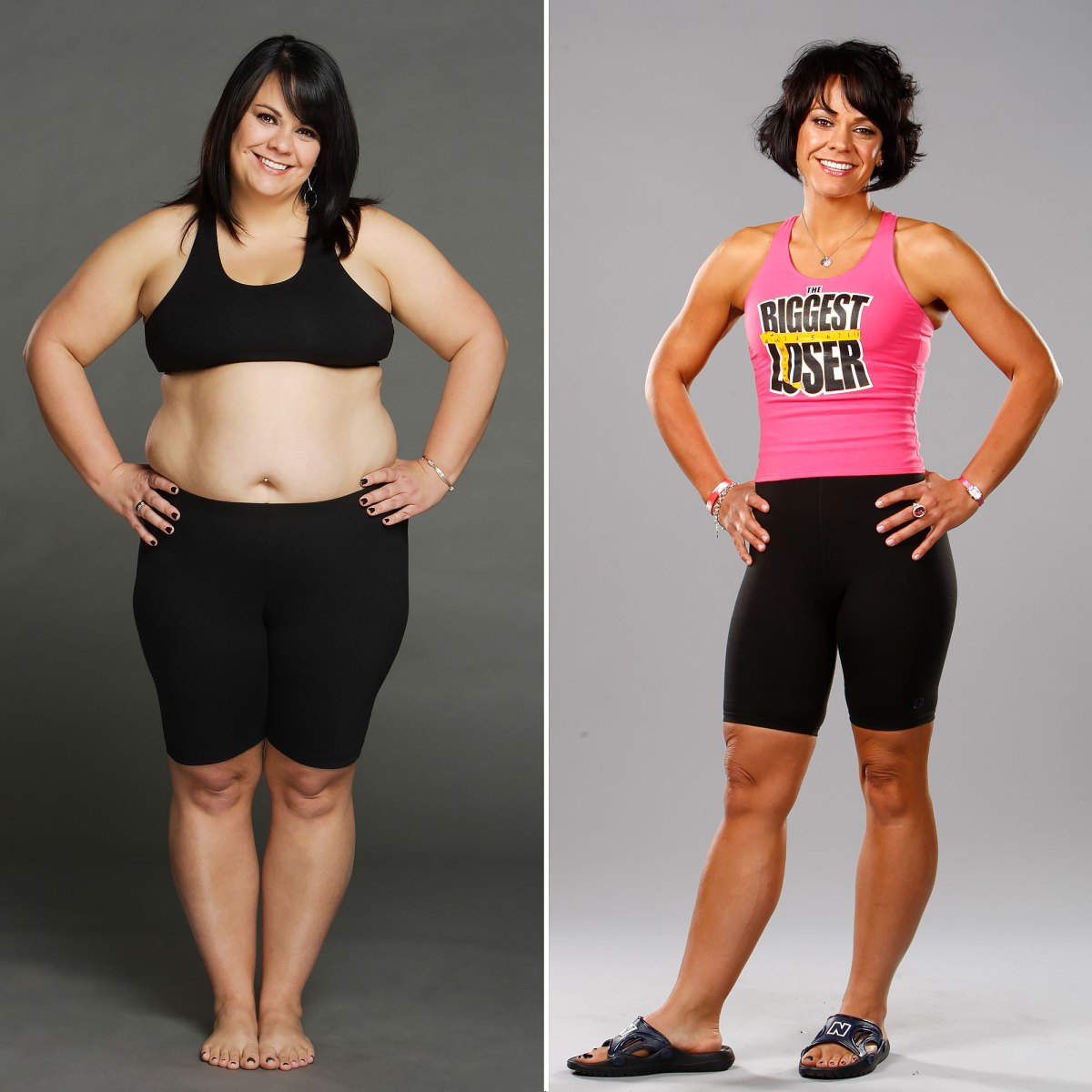
Ali Vincent made television history in 2008 by becoming the first female winner of NBC’s The Biggest Loser during its fifth season. Starting her journey at 234 pounds, she lost 112 pounds to finish at 122 pounds—a total body weight loss of 47.86 percent. Her transformation illuminated the power of intensive fitness interventions while sparking a vital national conversation about the physiological and psychological realities of long-term weight maintenance.
The Season 5 Journey: Breaking Barriers on Reality Television
When Ali Vincent entered The Biggest Loser campus for Season 5 (subtitled The Biggest Loser: Families), the show’s dynamic shifted toward team-based competition. Partnered with her mother, Bette-Sue Burkland, as the Pink Team, Vincent faced immediate challenges on the ranch. The competitive environment demanded extraordinary physical effort, disciplined nutrition, and emotional resilience under the guidance of trainers Jillian Michaels and Bob Harper.
Initial Weight: 234 lbs ---> Finale Weight: 122 lbs (Loss: 112 lbs / 47.86%)
Vincent’s path to the finale was far from smooth. Early in the season, she and her mother were eliminated from the main campus. However, the season structure allowed eliminated contestants to continue training independently at home for a chance to re-enter the competition. Vincent utilized this period to establish rigorous personal training habits, ultimately earning her way back onto the ranch.
Her return marked a turning point in the season. Consistently putting up high percentage losses at weekly weigh-ins, Vincent demonstrated a relentless work ethic that propelled her to the finale. When she stepped onto the scale at the live season finale, her drop from 234 pounds to 122 pounds secured her the $250,000 grand prize and established her as a landmark figure in weight loss television history.
The Mechanics Behind Extreme Television Transformations
The rapid body composition changes witnessed on The Biggest Loser relied on extreme environmental control and intense daily physical output. Understanding the underlying mechanics of Vincent's transformation requires examining both the physiological stimulus provided on the show and the structural parameters of the competition.
- Extreme Caloric Deficit: Contestants were placed on restricted caloric intakes tailored to yield rapid mass reduction while maintaining minimal basic nutritional requirements.
- High-Volume Daily Exercise: Training routines frequently spanned four to six hours per day, combining intense cardiovascular exercise, high-intensity interval training (HIIT), and resistance training.
- Behavioral Conditioning: Constant oversight by elite trainers pushed contestants far beyond their self-perceived physical boundaries, rapidly building endurance and mental fortitude.
- Isolation from Environmental Triggers: Living on a isolated ranch removed contestants from daily stress, work commitments, easy access to hyper-palatable foods, and sedentary routines.
While these mechanisms generated dramatic short-term results, they created an artificial environment distinct from everyday life. The intense workload accelerated fat loss and muscle conditioning, but it also placed immense physiological stress on the body’s endocrine and metabolic systems.
Life After the Confetti: The Reality of Weight Maintenance
In the years following her victory, Vincent became a public figure, author, and motivational speaker, advocating for active lifestyles and personal empowerment. However, like many participants in extreme weight loss programs, maintaining a finale weight achieved through multi-hour daily training proved exceptionally difficult once she returned to normal life.
In 2016, Vincent courageously addressed a topic often kept in the shadows of reality television: weight regain. Publicly sharing that she had regained a significant portion of her lost weight—reaching approximately 200 pounds—she spoke openly about the shame, emotional burden, and metabolic hurdles associated with post-show life.
"I had given up on myself," Vincent publicly shared when discussing her weight regain, emphasizing how emotional trauma, lifestyle adjustments, and shifting routines impacted her physical health after leaving the spotlight.
Her transparency resonated with millions of viewers who had followed her journey. Rather than hiding her struggles, Vincent utilized her platform to highlight the systemic issues involved in maintaining drastic, rapid weight loss without the continuous support structures of a dedicated training facility.
The Metabolic Science Behind The Biggest Loser Regain
Vincent’s public experience aligns directly with scientific research investigating the long-term metabolic outcomes of The Biggest Loser alumni. A landmark study led by researchers at the National Institutes of Health (NIH), published in the journal Obesity, tracked Season 8 contestants over a six-year period to measure metabolic adaptation.
The NIH findings revealed critical physiological barriers that affect individuals undergoing rapid, high-volume weight loss:
- Persistent Metabolic Slowing: Participants experienced a substantial drop in their Resting Metabolic Rate (RMR). Years after the competition ended, their bodies were burning significantly fewer calories per day than expected for individuals of their size.
- Hormonal Alterations: Levels of leptin (the hormone responsible for signaling fullness) dropped dramatically during the competition and failed to return to baseline levels long-term, leading to persistent hunger signals.
- Adaptive Thermogenesis: The body actively resists massive weight reduction by altering energy expenditure, effectively attempting to return the individual to their previous baseline weight set-point.
This research transformed the public discourse surrounding weight loss maintenance. It proved that weight regain following extreme fitness programs is rarely a simple failure of willpower; rather, it is heavily driven by complex biological compensations designed to defend the body against perceived starvation.
Key Milestones of Ali Vincent's Transformation Journey
The following table summarizes the key phases, metrics, and structural realities of Ali Vincent's weight loss and wellness evolution:
| Phase | Estimated Weight / Metric | Key Focus & Methodology | Environmental Context | Primary Physiological & Psychological Dynamics |
|---|---|---|---|---|
| Pre-Show Baseline (2008) | 234 lbs | Sedentary habits, emotional eating, low physical conditioning | Standard home environment | Elevated risk for obesity-related health conditions |
| Ranch Competition | Rapid reduction phase | 4–6 hours daily workouts, strict caloric restriction, trainer supervision | Controlled TV ranch setup | High cortisol, massive caloric deficit, rapid fat and muscle mass loss |
| Finale Victory (2008) | 122 lbs (Lost 112 lbs / 47.86%) | Peak physical conditioning, competitive peak weight | Live television reveal | Historical milestone as first female winner; lowered resting metabolic rate |
| Post-Show Transition | Dynamic fluctuating weight | Career building, book tours, public speaking, adapting workouts | Uncontrolled real-world environment | Difficulty balancing full-time work with extreme fitness demands |
| Public Reality Disclosure (2016) | ~200 lbs | Mental health advocacy, addressing weight regain stigma | Open public disclosure | Focus on emotional healing, addressing metabolic adaptation |
| Long-Term Wellness Paradigm | Sustainable health metrics | Moderate exercise, balanced nutrition, self-compassion | Integrated lifestyle balance | Prioritizing internal health markers over scale numbers |
Critical Lessons from Ali Vincent’s Transformation
Ali Vincent’s public journey offers essential insights for anyone pursuing meaningful fitness, health, or lifestyle changes. Her story contrasts the short-term demands of competitive weight loss with the sustainable requirements of lifelong health.
1. Differentiate Between Short-Term Targets and Long-Term Systems
Rapid weight loss protocols designed for competition rarely translate directly into sustainable daily life. Achieving lasting health requires establishing habit loops—such as meal planning, regular movement, and stress management—that fit naturally into personal and professional schedules.
2. Prioritize Metabolic Preservation over Speed
Losing weight too quickly can trigger pronounced metabolic adaptation and muscle loss. Moderating the rate of fat loss (typically 1 to 2 pounds per week) through a modest caloric deficit helps preserve lean muscle tissue and maintains baseline energy expenditure.
3. Address the Psychological Foundations of Health
Physical changes must be accompanied by psychological growth. Regaining weight often stems from unaddressed stress, emotional triggers, or trauma. Comprehensive health strategies address mental well-being alongside nutrition and physical training.
4. Reject the Stigma of Weight Regain
Weight fluctuations are common in long-term health journeys. Vincent’s willingness to speak publicly about regaining weight challenged the toxic narrative that returning to a higher weight reflects personal failure, reframing it instead as a common biological and lifestyle challenge.
Frequently Asked Questions
What was Ali Vincent's starting and ending weight on The Biggest Loser?
Ali Vincent began Season 5 of The Biggest Loser at 234 pounds. At the live finale in 2008, she weighed 122 pounds, marking a total weight loss of 112 pounds, or 47.86 percent of her starting body mass.
Who was Ali Vincent's trainer on the show?
Vincent trained primarily under Jillian Michaels and Bob Harper during her time on the show. She competed as part of the Pink Team alongside her mother, Bette-Sue Burkland.
Why did Ali Vincent regain weight after winning the competition?
Like many contestants, Vincent faced significant metabolic slowing, alterations in hunger-regulating hormones, and the practical difficulty of maintaining four-to-six-hour daily workout schedules outside of the show's isolated environment. Emotional stress and lifestyle transitions also contributed to her weight regain.
How did Ali Vincent contribute to discussions on post-show weight regain?
In 2016, Vincent publicly shared her experience of regaining weight to break the shame and isolation surrounding weight fluctuations. Her openness helped spark broader media and scientific discussion regarding metabolic adaptation and the psychological realities of life after extreme reality TV dieting.
What does research say about long-term success for Biggest Loser contestants?
Studies, most notably an NIH investigation published in Obesity, revealed that many Biggest Loser contestants experience persistent reductions in their Resting Metabolic Rate (RMR) and lowered leptin levels, making long-term weight maintenance significantly harder due to biological resistance.
Sustainable Strategies for Long-Term Weight Management
Ali Vincent’s experience demonstrates that dramatic short-term transformations require careful planning to transition into sustainable health habits. For individuals seeking long-term body composition changes without the risks associated with extreme programs, evidence-based practices offer a safer, more reliable path forward:
- Focus on Progressive Strength Training: Build and maintain lean muscle mass through resistance exercise 2 to 4 times per week to support resting metabolic rate.
- Adopt a Moderate Caloric Deficit: Aim for gradual weight loss of 0.5% to 1% of total body weight per week to avoid triggering severe metabolic slowing and extreme hunger signals.
- Prioritize Protein and Nutrient Density: Base daily nutrition around whole foods, adequate dietary fiber, and sufficient protein (1.2 to 2.0 grams per kilogram of body weight) to preserve muscle and enhance satiety.
- Track Internal Health Markers: Measure progress using cardiovascular endurance, strength gains, blood lipid profiles, sleep quality, and energy levels rather than relying exclusively on scale weight.
- Seek Support for Behavioral Health: Work with registered dietitians, certified personal trainers, or mental health professionals to build lasting habits and manage the emotional dynamics of health management.
By shifting focus away from rapid fixes and toward consistent, sustainable habits, individuals can achieve lasting physical health while protecting their metabolic and mental well-being.