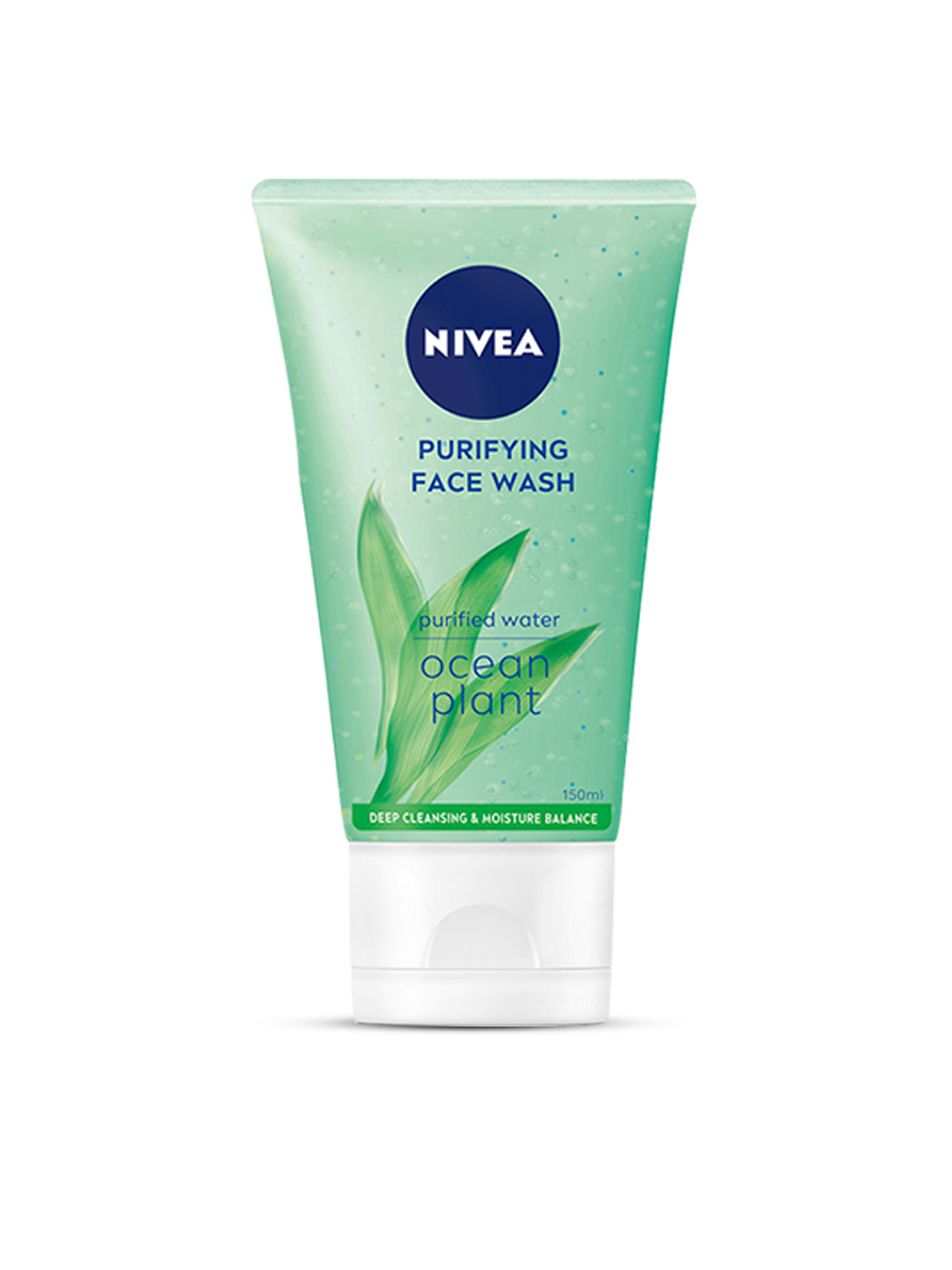
An algae face wash is a specialized facial cleanser formulated with extracts derived from marine macroalgae—such as kelp, spirulina, or red seaweed—to cleanse the skin while delivering mineral-rich hydration and antioxidant protection. These cleansers work by gently removing surface debris through surfactant action while simultaneously depositing moisture-binding polysaccharides and amino acids that support the skin’s natural barrier function.
The Composition and Biological Basis of Algae in Skincare
Algae, a diverse group of aquatic organisms, have become a cornerstone in marine-based skincare due to their survival mechanisms in harsh, nutrient-dense environments. When processed into face wash formulations, these organisms provide more than just a cleansing agent; they act as delivery vehicles for bioactive compounds.
The primary reason algae are incorporated into skincare is their high concentration of polysaccharides, such as alginates and fucoidans. In a laboratory or cosmetic setting, these molecules are recognized for their hygroscopic properties, meaning they can attract and hold water to the skin’s surface. Unlike traditional harsh cleansers that can strip the lipid barrier, algae-based formulas aim to maintain the skin’s moisture balance during the cleansing process.
Furthermore, algae are rich in essential fatty acids, vitamins (specifically A, C, and E), and minerals like magnesium and zinc. These components are essential for maintaining a healthy skin microbiome. By integrating these into a wash-off product, manufacturers provide the skin with a brief exposure to these nutrients, which can help soothe inflammation and neutralize free radicals caused by environmental pollutants.
How Algae Face Wash Interacts with the Skin
The mechanism of an algae face wash combines traditional emulsification with biological skin support. To understand how it works, one must look at the dual-action process that occurs during application:
- Surfactant Cleansing: Every effective face wash relies on surfactants—compounds that lower the surface tension between water and oil. Algae extracts are often paired with gentle, plant-derived surfactants that lift dirt, excess sebum, and particulate matter without causing the tight, dry sensation often associated with sulfate-based detergents.
- Barrier Support: As the surfactants work to clear the pores, the algal polysaccharides form a thin, temporary film on the skin. This film prevents the transepidermal water loss (TEWL) that typically follows washing the face.
- Antioxidant Delivery: Because algae grow in high-UV environments, they produce specialized pigments and enzymes to protect their own DNA. When applied to the skin, these compounds assist in mitigating the oxidative stress that accumulates on the skin throughout the day.
Comparing Algae Cleansers to Conventional Formulations
When selecting a face wash, it is helpful to compare the distinct characteristics of algae-based products against traditional options.
| Feature | Algae-Based Cleanser | Standard Sulfate Cleanser | Oil-Based Cleanser |
|---|---|---|---|
| Cleansing Power | Moderate; balanced | High; can be stripping | High; removes makeup |
| Hydration Level | High (humectant properties) | Low (often dehydrating) | High (emollient) |
| Texture | Gel, foam, or cream | Foaming gel | Thick oil or balm |
| Target Skin Type | Sensitive, dehydrated, mature | Oily, acne-prone | Dry, makeup-heavy |
| Primary Benefit | Nutrient delivery/soothing | Deep degreasing | Dissolving oil-based debris |
This comparison highlights that algae face wash is not a "one-size-fits-all" solution. While it excels in soothing and maintaining barrier health, it may not be the most efficient choice for removing heavy, long-wear cosmetic products compared to a dedicated oil cleanser.
How to Properly Use Algae Face Wash
For the benefits of an algae face wash to be realized, it must be used correctly within a daily skincare routine. The goal is to maximize the time the skin spends in contact with the beneficial marine extracts before the product is rinsed away.
Step-by-Step Application
- Preparation: Start with damp skin. Splashing lukewarm water onto the face helps prime the skin, ensuring the cleanser distributes evenly.
- Dispensing: Pump or squeeze a dime-sized amount of the cleanser into clean palms. If the formula is a thicker gel, rub your hands together briefly to activate the surfactants.
- Application: Gently massage the product into the skin using circular motions. Focus on the T-zone (forehead, nose, and chin), where sebum production is highest. Do not scrub harshly; the nutrients in the algae are absorbed primarily through gentle contact.
- Dwell Time: Unlike standard soap, allow the cleanser to sit on the skin for 30 to 60 seconds. This "dwell time" is critical for the marine ingredients to settle into the upper layers of the epidermis.
- Rinsing: Rinse thoroughly with lukewarm water. Ensure no residue remains around the hairline or jawline, as this can lead to clogged pores or irritation.
- Follow-up: Pat the skin dry with a clean, soft towel—do not rub. Immediately apply a moisturizer or serum while the skin is still slightly damp to lock in the hydration provided by the algae.
Common Considerations and Potential Limitations
While algae are generally considered safe and beneficial, prospective users should be aware of a few practical considerations.
Sensitivity to Iodine: Some marine algae are extremely rich in iodine. Individuals with severe iodine sensitivities or specific thyroid conditions should consult with their healthcare provider or dermatologist before incorporating algae-based products into a daily regimen.
Formula Stability: Marine extracts are biologically active and can be sensitive to heat and light. To ensure the potency of the antioxidants, keep the cleanser stored in a cool, dark place, such as a medicine cabinet rather than on a sunny windowsill.
Ingredient Transparency: Not all "algae" washes are equal. Some products may contain only trace amounts of algae, using it primarily for marketing purposes. Examine the ingredient list; look for "Laminaria," "Chlorella," or "Spirulina" near the top of the list rather than at the very end.
Frequently Asked Questions
Can algae face wash help with acne-prone skin?
Yes, it can be beneficial, provided the formula is non-comedogenic. Many algae species possess natural anti-inflammatory properties that can help soothe the redness associated with active breakouts, while the gentle cleansing action prevents the over-drying that often triggers an excess production of sebum.
How often should I use an algae cleanser?
Most individuals can safely use an algae-based cleanser twice daily—once in the morning to remove sweat and overnight buildup, and once in the evening to cleanse away pollutants. If your skin is particularly dry, you might choose to use it only in the evening and use a plain water rinse in the morning.
Does the scent of an algae face wash smell like the ocean?
Not necessarily. While some brands highlight the "oceanic" profile of their products, most manufacturers use purified extracts that are processed to be odorless or scented with botanical extracts like tea tree, cucumber, or citrus to provide a more pleasing sensory experience.
Is an algae face wash sufficient to remove waterproof makeup?
Typically, no. Marine-based cleansers are generally formulated to remove daily impurities and environmental debris. If you wear heavy or waterproof makeup, it is recommended to use a makeup remover or cleansing oil first, followed by the algae wash as a second step in a double-cleansing routine.
Why does my skin feel different after using an algae cleanser?
You may notice a slight "slip" or softness on your skin after washing. This is not leftover residue, but rather the moisturizing film formed by the polysaccharides. This is a beneficial layer that helps prevent the tight, dry feeling often caused by water evaporation.
Next Steps for Integrating Marine Ingredients
If you are looking to introduce algae-based products into your routine, start by identifying your specific skin goal. If you are seeking hydration, look for cleansers that pair algae with glycerin or hyaluronic acid. If you are targeting environmental protection, look for formulas that feature red or brown algae, which are frequently cited for their high antioxidant content.
Before committing to a full-sized bottle, patch test the product on a small area of your inner forearm. Observe the area for 24 hours to ensure there is no reaction. Once verified, begin using it in your evening routine to replace your current cleanser. Over the course of 14 to 28 days, monitor your skin's hydration levels and overall texture. This transition period allows your skin to acclimate to the new ingredients and allows you to accurately gauge the effectiveness of the formulation for your specific skin needs.