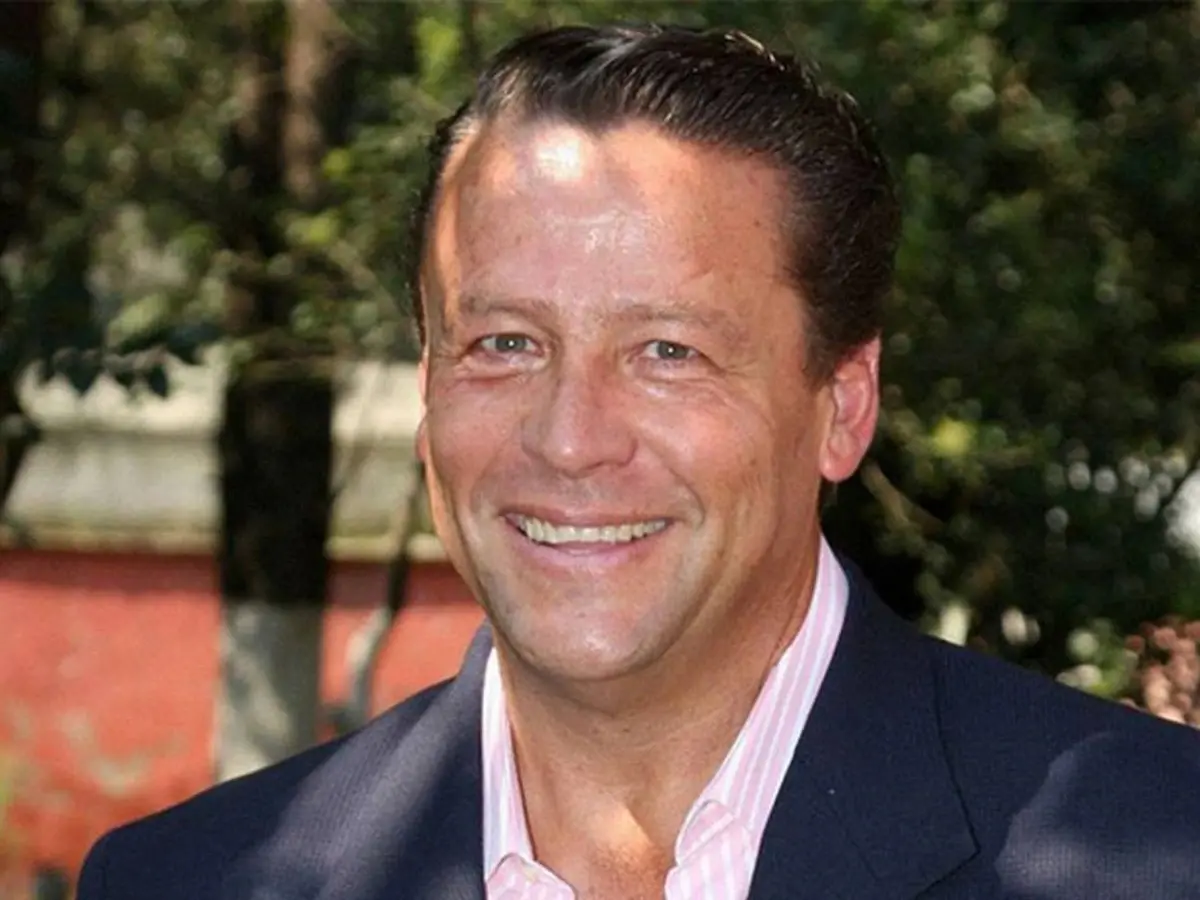
Alfredo Harp Hel is a prominent Mexican businessman and philanthropist whose net worth is primarily derived from his foundational role in the Mexican financial sector and his diversified investment portfolio. As a long-term partner of Carlos Slim Helú, Harp Hel significantly influenced the growth of Grupo Financiero Banamex, cementing his status as one of Mexico’s most influential billionaire figures with a legacy spanning high-level banking, professional sports ownership, and extensive charitable contributions.
Biographical Roots and Career Foundations
Born in 1944 in Mexico City, Alfredo Harp Hel emerged from a family with a strong entrepreneurial spirit. He pursued academic excellence at the National Autonomous University of Mexico (UNAM), where he earned a degree in accounting. This educational background provided the technical rigor necessary for his rapid ascent within the financial services industry. His early professional years were marked by a keen ability to identify undervalued assets and capitalize on the consolidation of the Mexican banking sector.
In the 1970s, Harp Hel co-founded Acciones y Valores de México (Accival), a brokerage firm that would become a cornerstone of his wealth. The success of Accival laid the groundwork for the eventual acquisition of Banco Nacional de México (Banamex) in 1991. The privatization of Banamex was a watershed moment in Mexican economic history, and Harp Hel’s stewardship helped transform the institution into a dominant force in Latin American banking. His role as the Chairman of the Board of Banamex was instrumental in steering the bank toward stability and international integration before its eventual sale to Citigroup in 2001.
Understanding the Components of Wealth
The valuation of Alfredo Harp Hel’s wealth is not tied to a single asset but is the result of decades of strategic diversification. Following the sale of his interests in Banamex, he transitioned from traditional commercial banking into private equity, infrastructure, and real estate. His investment vehicle, Grupo Martí, serves as a testament to his diversified approach, spanning retail, sports, and specialized services.
The following table summarizes the primary domains that have historically defined and continue to support his financial standing:
| Sector | Nature of Involvement | Primary Influence |
|---|---|---|
| Financial Services | Former majority stakeholder/Chairman | Growth of Accival and Banamex |
| Retail & Consumer | Strategic Investor | Expansion of the Grupo Martí ecosystem |
| Professional Sports | Team Ownership | Control of Diablos Rojos del México (Baseball) |
| Philanthropy | Founder/Donor | Fundación Alfredo Harp Helú (Education/Culture) |
| Real Estate | Asset Portfolio Manager | Commercial and private holdings |
While exact net worth figures fluctuate based on market conditions, tax filings, and the valuation of private holdings, Harp Hel remains consistently identified in global wealth rankings. His wealth management philosophy prioritizes long-term value creation over speculative short-term gains, a characteristic common to the generation of Mexican entrepreneurs who navigated the liberalization of the national economy in the late 20th century.
The Role of Philanthropy in Wealth Management
For Harp Hel, wealth is inextricably linked to social responsibility. Through the Fundación Alfredo Harp Helú, established in the 1990s, he has directed significant portions of his capital toward cultural preservation, education, health, and environmental sustainability in Mexico. This focus on "social capital" serves both a humanitarian purpose and a legacy-building function.
The foundation is particularly noted for its support of libraries, the recovery of historical documents, and the promotion of baseball in Mexico, which has historically been one of his personal passions. By funding public infrastructure and cultural projects, the foundation effectively institutionalizes a portion of his wealth, ensuring that it remains active in the Mexican economy long after his direct involvement in corporate management.
Sports Ownership and Business Integration
A unique aspect of Alfredo Harp Hel’s professional life is his deep involvement in professional sports. He is the owner of the Diablos Rojos del México, the most successful franchise in the Mexican League of Baseball. This is not merely a hobby; it is a complex business operation. Under his leadership, the team has invested in state-of-the-art facilities, such as the Alfredo Harp Helú Stadium in Mexico City, which serves as a major venue for sporting and entertainment events.
His investment in sports demonstrates a broader strategy of asset integration. By controlling the stadium and the franchise, he captures value across multiple streams: ticket sales, broadcasting rights, concessions, and real estate development surrounding the sports complexes. This sector demonstrates how he applies the same analytical rigor used in investment banking to the entertainment and sports industry.
Strategic Perspectives on Mexican Economic History
Understanding Alfredo Harp Hel’s wealth requires viewing his career through the lens of Mexico’s economic evolution. His rise coincided with the "Apertura" period—the opening of the Mexican economy to global capital. His ability to negotiate the privatization of state assets and his subsequent management of those assets during the 1994 financial crisis, often referred to as the "Tequila Crisis," highlight his resilience.
Many analysts point to his partnership with other high-net-worth individuals as a key success factor. By consolidating influence and capital, he and his contemporaries were able to participate in major industrial and financial projects that required massive liquidity, which was scarce in the Mexican market at the time. This collective approach to business helped secure the stability of the Mexican financial system during volatile economic cycles.
Challenges and Considerations for Wealth Assessment
It is essential to distinguish between liquid assets and the valuation of private equity when assessing a billionaire’s wealth. Harp Hel’s assets are often held in private family trusts, diversified holdings, and long-term investments that are not subject to public market disclosures. Consequently, net worth estimates provided by financial publications are often based on retrospective modeling of asset sales and disclosed corporate interests.
Investors and researchers should note that:
- Valuation Volatility: Fluctuations in the Mexican Peso (MXN) against the U.S. Dollar (USD) can significantly impact the nominal USD value of his wealth.
- Diversification: A large percentage of his capital is tied to private corporations, making accurate real-time assessment difficult compared to billionaires with publicly traded stocks.
- Succession Planning: As a figure who has been active in the Mexican market for over five decades, much of the control over his holdings has transitioned to the next generation or is managed by family offices, which operate with high levels of privacy.
Frequently Asked Questions
What was Alfredo Harp Hel’s primary source of initial wealth?
His initial wealth was primarily built through the founding and growth of Acciones y Valores de México (Accival) and his subsequent role in acquiring and managing Banamex, one of Mexico’s largest financial institutions.
How does the Alfredo Harp Helú Foundation impact his net worth?
Philanthropic contributions are typically directed toward charitable organizations, which effectively reduces the total taxable assets under his personal control. While these donations represent a significant expenditure, they are a deliberate element of his financial strategy to contribute to Mexican social and cultural development.
What is the significance of the Alfredo Harp Helú Stadium?
The stadium represents a dual investment in urban infrastructure and the sports entertainment industry. It is a flagship project that facilitates high-level baseball in Mexico while generating revenue through event hosting and property development.
Why is Alfredo Harp Hel considered a key figure in Mexican finance?
He is regarded as a key figure due to his role in the privatization of the banking sector in the 1990s and his continued influence as an investor in major Mexican industries, which helped integrate the Mexican economy into the global financial market.
Is Alfredo Harp Hel still involved in active management of his businesses?
While he has stepped back from the daily operations of many of his former financial ventures, he remains a significant figure in his family’s investment holdings and continues to provide oversight for his various business and philanthropic interests.
Recommendations for Further Analysis
For those researching the history of Mexican capital, it is recommended to review the historical prospectuses of banks that underwent privatization in the early 1990s. Additionally, tracking the financial reports of the companies under the Grupo Martí umbrella provides the most current window into his active business interests. Professional investors looking to understand the mechanics of his wealth should focus on the impact of local monetary policy and institutional investment trends in Mexico, as these factors were the primary engines for his long-term asset appreciation.