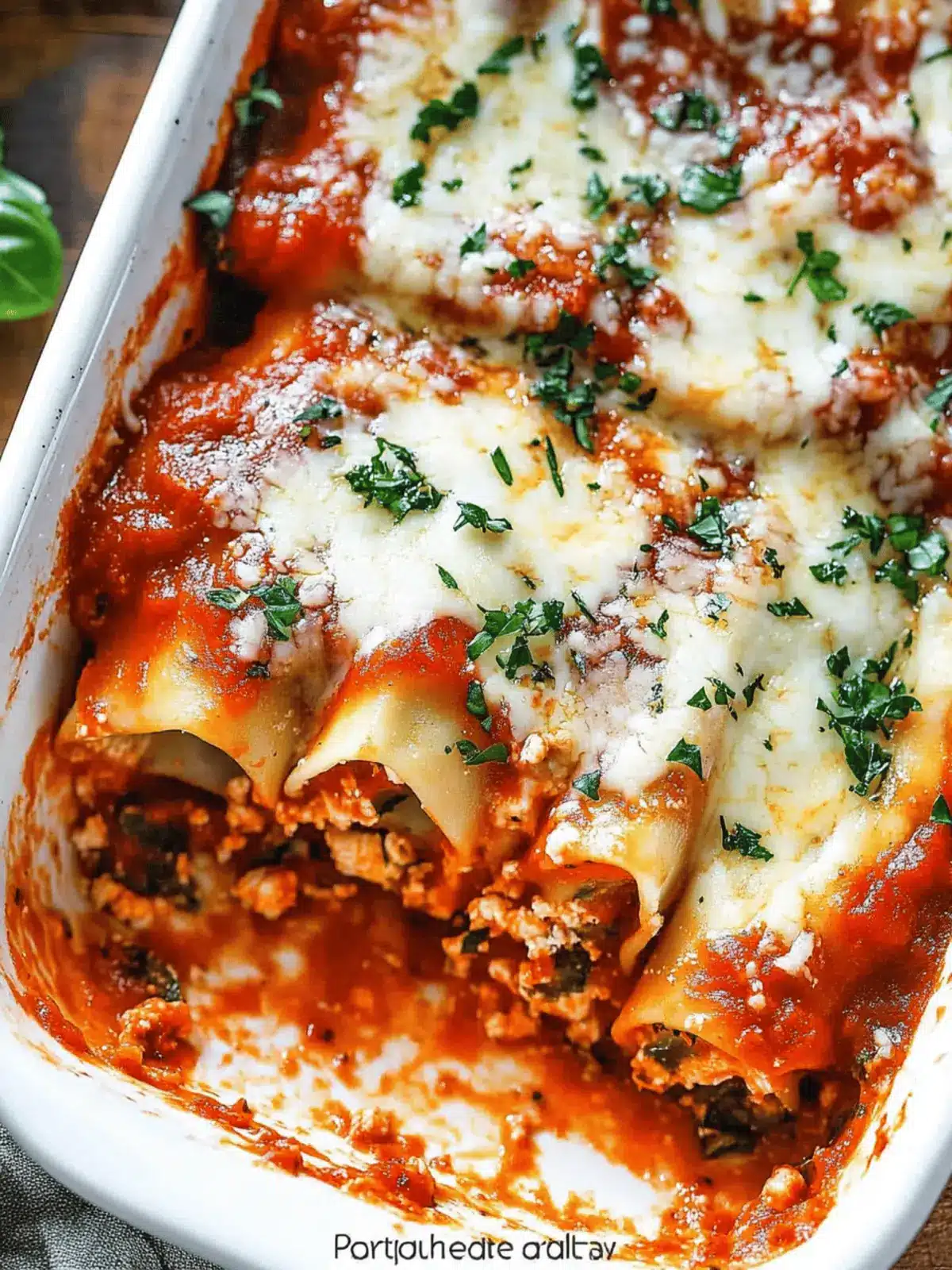
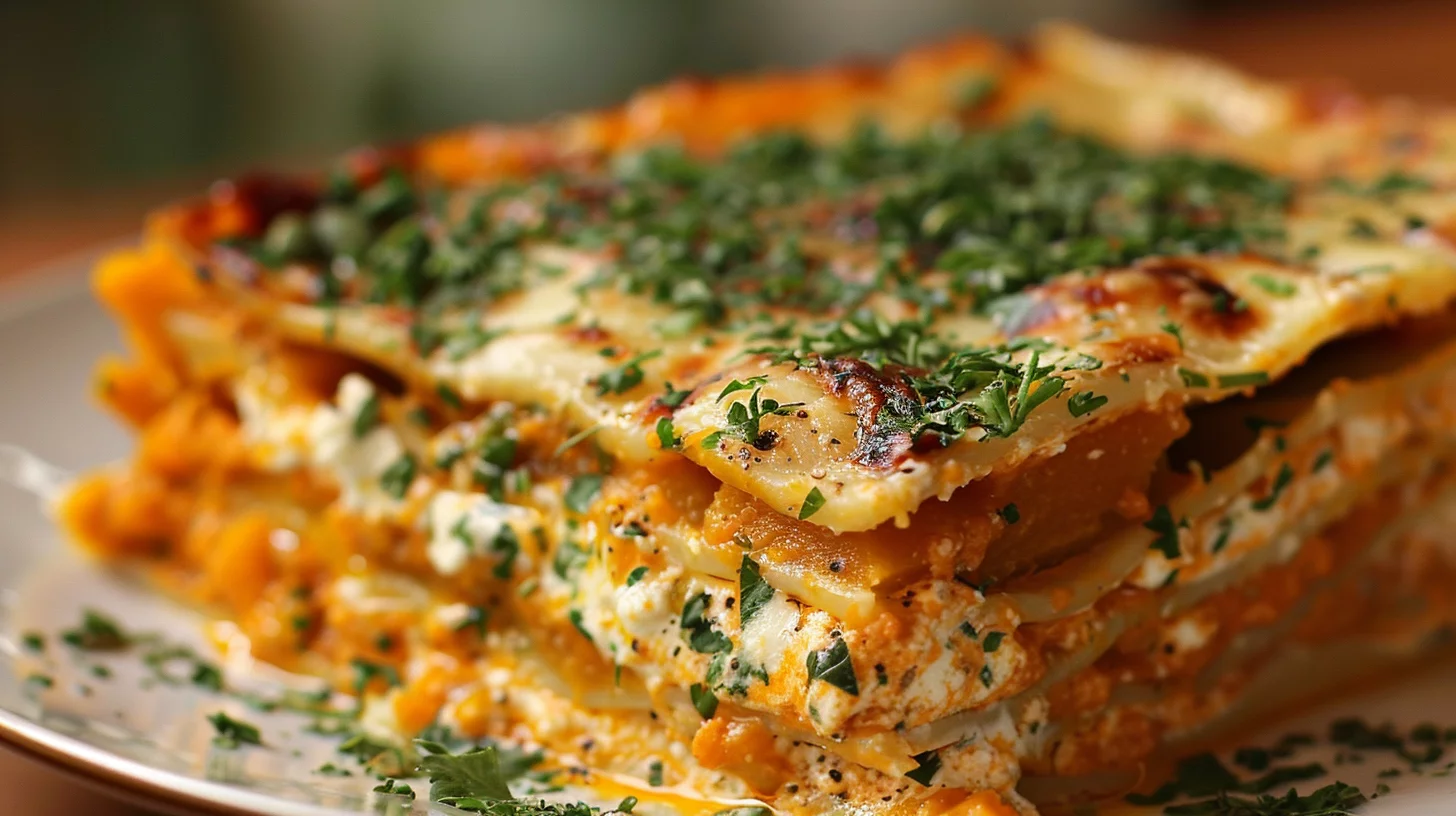
The "Alfredo Big Mouth" concept refers to a decadent, hyper-creamy culinary approach that utilizes a rich Alfredo-based sauce profile to elevate traditional pasta structures like cannelloni and lasagna. By replacing standard tomato-based ragù or béchamel with a robust, garlic-heavy, and high-fat Alfredo emulsion, home cooks can create a "big mouth" sensation—a term describing the coating, mouth-filling texture of a premium, restaurant-style comfort dish that balances high-density creaminess with the structural integrity of baked pasta.
The Anatomy of the Alfredo Big Mouth Profile
At its core, the "Big Mouth" style is defined by an uncompromising approach to texture and flavor density. Unlike standard weeknight Alfredo, which often relies on thinning agents or flour-based roux, this technique focuses on a stable, high-fat emulsion. When applied to lasagna or stuffed cannelloni, the sauce must be viscous enough to cling to the pasta sheets without thinning out during the oven-baking process.
The secret to this consistency lies in the selection of fats and proteins. Traditional recipes utilize a blend of high-quality aged Parmesan (Parmigiano-Reggiano) and heavy cream (minimum 36% butterfat). To achieve the "big mouth" sensation, the emulsion is further stabilized by the judicious use of pasta water—the starchy liquid left behind from boiling noodles—which acts as an emulsifier, binding the lipids to the starch. When you layer this mixture into cannelloni or lasagna, the result is a cohesive dish where the sauce does not separate into oil and watery liquid, but instead creates a velvety, luxurious binder that permeates the layers.
Prerequisites for Successful Assembly
Before attempting a sophisticated cannelloni lasagna hybrid, you must ensure the structural components are prepped for high-heat exposure. Because Alfredo sauces contain dairy that can break under prolonged direct heat, the timing of your assembly is critical.
- Noodle Selection: Use oven-ready or par-boiled lasagna sheets. If using traditional sheets, boil them until al dente—approximately 75% of the suggested package time. This prevents the pasta from becoming mushy once it absorbs the moisture from the Alfredo sauce.
- The Sauce Emulsion: Never boil your Alfredo sauce once the cheese is added. Heat the cream and aromatics, remove from heat, and then slowly whisk in freshly grated cheese. Using pre-shredded cheese is a common mistake; pre-shredded products are coated in cellulose, which prevents proper melting and results in a grainy sauce.
- Aromatics: For a "Big Mouth" flavor profile, fresh garlic is non-negotiable. Mince the garlic finely and sauté in butter until fragrant but not browned, as browned garlic introduces bitter notes that compete with the sweetness of the cream.
Preparing the Cannelloni Lasagna Hybrid
The hybrid nature of this dish—using the filling technique of cannelloni with the layered efficiency of lasagna—requires a specific order of operations. This method provides the portion control of cannelloni with the ease of a casserole-style preparation.
- Prepare the Filling: A classic ricotta-spinach blend is recommended for balance. Ensure your ricotta is well-drained; excess water in the cheese will ruin the stability of the Alfredo sauce in the final bake.
- Create the Base: Pour a thin layer of the prepared Alfredo sauce into the bottom of your baking dish. This prevents the bottom layer of pasta from sticking and provides immediate lubrication.
- Roll and Place: Fill your lasagna sheets and roll them into tubes (cannelloni style). Place them seam-side down in the pan to ensure they stay closed during the baking process.
- Top and Bake: Pour the remaining Alfredo sauce over the rolls, ensuring complete coverage. Cover the dish with foil for the first 20 minutes of baking to steam the pasta, then uncover for the final 10–15 minutes to allow the top to develop a golden, bubbly crust.
Comparative Analysis of Sauce Profiles
Choosing the right sauce for your baked pasta determines the overall "mouthfeel" of the dish. Below is a comparison of common binding agents used in baked pasta recipes.
| Sauce Type | Primary Fat Source | Texture Profile | Best Application |
|---|---|---|---|
| Alfredo (Big Mouth) | Heavy Cream & Butter | Velvety, rich, coating | Cannelloni, white lasagna |
| Béchamel | Flour & Butter | Thick, smooth, neutral | Classic Lasagna Bolognese |
| Marinara | Olive Oil | Acidic, bright, loose | Standard Lasagna, Ziti |
| Vodka Sauce | Cream & Tomato | Tangy, creamy, balanced | Baked Penne |
Troubleshooting Common Culinary Issues
Even with precise preparation, the high-fat nature of Alfredo-based baked dishes can present challenges.
Issue: The Sauce Looks "Oily" or Broken This usually occurs due to excessive heat. If your sauce appears oily, remove the baking dish from the oven and allow it to sit for 5 minutes. The fat may re-absorb as the temperature drops. To prevent this in the future, ensure your heat source is controlled and avoid over-baking.
Issue: The Pasta is Gummy This is a result of over-boiling the noodles. Remember that the pasta will continue to cook in the sauce while in the oven. Always aim for an "undercooked" state when boiling the pasta initially.
Issue: Lack of Depth If the dish feels one-dimensional, ensure you are utilizing high-quality salt and a hint of nutmeg. Nutmeg is a classic, albeit subtle, addition to white-sauce-based pastas that bridges the gap between the fat of the cream and the saltiness of the Parmesan.
Elevating the Experience: Ingredients and Additions
To truly reach the "ultimate comfort food" status, focus on the quality of your secondary ingredients. Since the dish is monochromatic, texture variety is essential. Consider adding toasted pine nuts or crispy fried shallots on top after the final bake. These provide a crunch that contrasts with the softness of the pasta tubes. Furthermore, incorporating a mix of cheeses—such as a small portion of Fontina or Gruyère alongside the Parmesan—can increase the "pull" and stretch of the top layer, providing a better visual and tactile experience for the diner.
Frequently Asked Questions
What is the ideal ratio of cream to cheese for the Alfredo base?
A standard ratio for a stable "Big Mouth" Alfredo is 2 cups of heavy cream to 1.5 cups of finely grated Parmesan. This creates a dense, luxurious sauce that thickens perfectly during the cooling phase of the baking process.
Can I prepare this dish ahead of time?
Yes, this dish is an excellent candidate for advance preparation. You can assemble the dish fully, cover it tightly, and refrigerate it for up to 24 hours. When ready to bake, add an extra 10–15 minutes to the initial covered baking time to account for the chilled starting temperature.
Is it necessary to add flour to the sauce for thickening?
Traditional Alfredo does not require flour, and adding it can turn the sauce into a generic béchamel. If you require a thicker sauce, reduce the cream over low heat before adding the cheese rather than using a roux, as this preserves the pure, silky flavor profile.
How do I prevent the top of the cannelloni from drying out?
Ensure that the pasta rolls are completely submerged in the sauce before baking. If you are worried about dry edges, brush the tops of the rolls with a small amount of melted butter or extra Alfredo sauce before covering with foil.
Why is it called "Big Mouth"?
The term is a culinary descriptor used to indicate a dish that provides a significant sensory experience, specifically regarding the "mouth-filling" nature of the sauce-to-pasta ratio. It implies a generous, indulgent portion that leaves a lingering, pleasant coating on the palate.
Next Actions for the Home Chef
To achieve the best results with your Alfredo cannelloni, begin by securing a high-quality block of authentic Parmigiano-Reggiano. Avoid pre-grated products, as the anti-caking agents will prevent the sauce from emulsifying into the proper "Big Mouth" consistency. Start your mise-en-place by measuring your ingredients exactly, then focus on maintaining a low, steady heat for the sauce. Once you have perfected the balance of the cream-to-parmesan emulsion, you can experiment with adding roasted vegetables or proteins, such as shredded chicken or sautéed mushrooms, to the filling to further personalize your comfort food masterpiece.