Alfred Morris established a notable legacy in the National Football League (NFL) through his tenacious running style, zone-scheme proficiency, and remarkable rise from a sixth-round draft pick out of Florida Atlantic University to a Pro Bowl running back. While Morris is no longer actively playing in the NFL as of 2026, fans, analysts, and fantasy football historians frequently revisit his career statistics, notable achievements, and the lingering rumors surrounding his playing days. This retrospective examines his professional journey, statistical milestones, offensive system fit, and enduring impact on the franchises he represented.
The Professional Journey and Franchise Impact of Alfred Morris
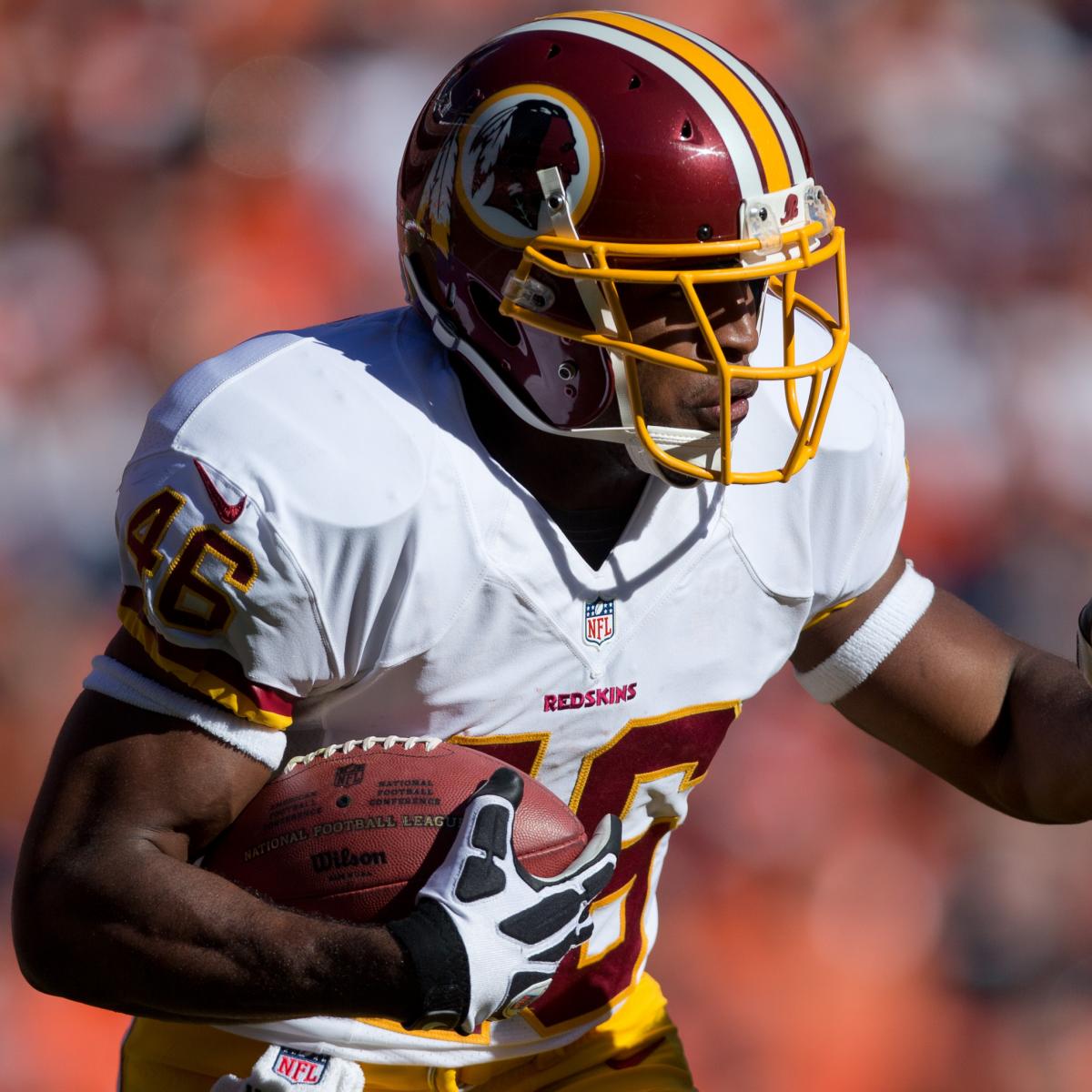
Drafted by the Washington Redskins in the sixth round of the 2012 NFL Draft (173rd overall), Alfred Morris immediately defied expectations. Under the guidance of head coach Mike Shanahan and offensive coordinator Kyle Shanahan, Morris secured the starting running back job during his rookie training camp. His punishing inside-zone running style proved to be the ideal catalyst for Washington's offensive scheme, which heavily leveraged the read-option game alongside rookie quarterback Robert Griffin III.
During his rookie campaign in 2012, Morris rushed for 1,613 yards—setting a then-franchise single-season rushing record—while scoring 13 touchdowns. This performance earned him Pro Bowl honors and Second-team All-Pro recognition. Morris followed up his stellar debut with two more consecutive 1,000-yard rushing seasons in 2013 (1,275 yards) and 2014 (1,074 yards), demonstrating rare durability and consistency in an era where workhorse running backs were becoming increasingly scarce.
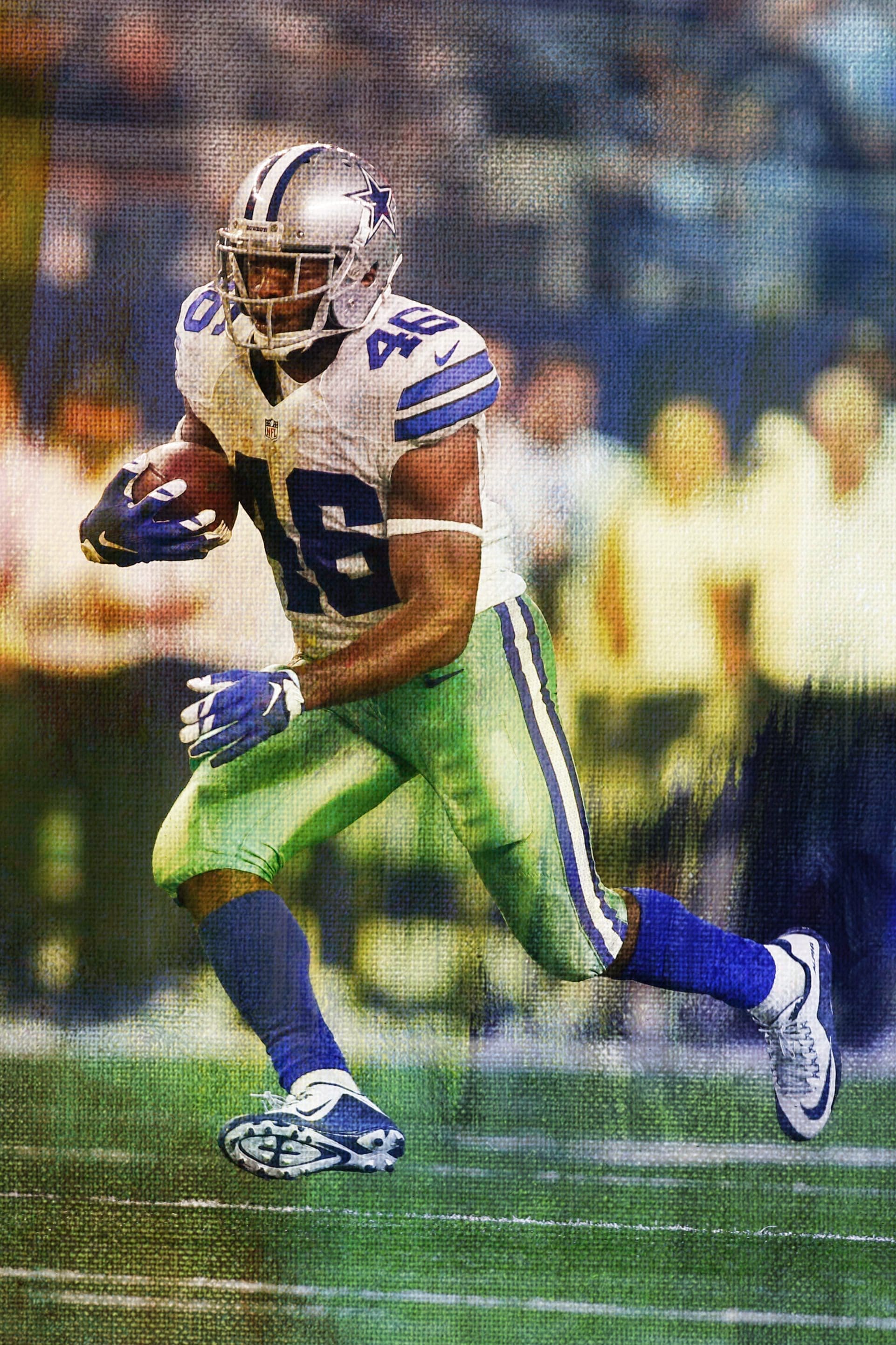
After four seasons in Washington, Morris signed with the Dallas Cowboys in March 2016. In Dallas, he transitioned into a complementary role behind star rookie Ezekiel Elliott, serving as a reliable secondary option and veteran mentor. Morris later had stints with the San Francisco 40-Niners, where he reunited with Kyle Shanahan, and the New York Giants, wrapping up his productive professional tenure with a brief return to Dallas in 2020. Throughout his career, Morris was celebrated for his humble demeanor, signature Mazda sedan—affectionately dubbed "The Bentley"—and exceptional blocking discipline.
Analyzing Alfred Morris Career Statistics and Performance Metrics
Evaluating Alfred Morris requires examining both his explosive early-career peaks and his later-stage productivity as a dependable rotational back. His statistical profile highlights a player who relied on exceptional vision, low center of gravity, and relentless leg drive rather than breakaway open-field speed.
| Season | Team | Games Played | Rushing Attempts | Rushing Yards | Yards Per Carry | Longest Run | Rushing Touchdowns | Receptions | Receiving Yards |
|---|---|---|---|---|---|---|---|---|---|
| 2012 | Washington | 16 | 335 | 1,613 | 4.8 | 39 | 13 | 11 | 77 |
| 2013 | Washington | 16 | 276 | 1,275 | 4.6 | 45 | 7 | 9 | 53 |
| 2014 | Washington | 16 | 265 | 1,074 | 4.1 | 30 | 8 | 17 | 155 |
| 2015 | Washington | 16 | 202 | 751 | 3.7 | 31 | 1 | 10 | 55 |
| 2016 | Dallas | 14 | 69 | 243 | 3.5 | 17 | 2 | 0 | 0 |
| 2017 | Dallas | 12 | 115 | 547 | 4.8 | 70 | 1 | 7 | 44 |
| 2018 | San Francisco | 12 | 111 | 428 | 3.9 | 51 | 2 | 7 | 3 |
| 2020 | New York Giants | 9 | 55 | 228 | 4.1 | 17 | 1 | 3 | 9 |
As evidenced by the numbers, Morris crossed the coveted 1,000-yard rushing threshold in each of his first three professional seasons, a feat achieved by very few ball carriers in modern football history. His yards-per-carry average remained stable throughout his peak years, though his workload decreased significantly once he transitioned out of primary starting roles.
Scheme Fit: Why the Zone-Blocking Scheme Maximized His Skill Set
Understanding Alfred Morris's success requires a closer look at the zone-blocking scheme (ZBS) popularized by the Shanahan coaching tree. Unlike gap schemes that require linemen to block specific defenders regardless of movement, zone schemes ask offensive linemen to block a specific area, combo-block defensive linemen at the point of attack, and move laterally to cut off pursuing linebackers.
Morris excelled in this system due to several distinct technical traits:
- One-Cut Decisiveness: Morris possessed the rare ability to read the offensive line's leverage, press the line of scrimmage to hold linebackers in place, and plant his foot to execute a vertical cut through the running lane.
- Pad Level and Balance: Standing at 5-foot-10 and weighing approximately 222 pounds, Morris maintained a low center of gravity that allowed him to absorb contact, break arm tackles, and churn his legs for extra yardage after contact.
- Patience Behind the Line: He trusted his blockers to wash defenders laterally, waiting a fraction of a second longer than average runners for the crease to materialize before exploding through the gap.
When offenses shifted away from heavy zone-running philosophies or required running backs to function as elite pass-catchers out of the backfield, Morris's utility was occasionally limited. However, whenever injuries struck zone-based running attacks, coaches routinely turned to Morris because of his assignment reliability and institutional knowledge of the scheme.
Historical Context of Rumors and Roster Moves
Because Morris spent his later years primarily in backup or emergency-depth capacities, his name frequently surfaced in mid-season trade rumors, practice squad elevations, and veteran free-agent workouts whenever playoff contenders suffered injuries to their backfields.
During his time with the Dallas Cowboys and San Francisco 40-Niners, media speculation often linked Morris to teams needing reliable, short-yardage stabilization. Analysts evaluating these rumors consistently noted that while Morris did not offer explosive pass-catching upside, his familiarity with complex blocking schemes made him a low-risk, high-efficiency acquisition for teams needing immediate depth without playbook installation delays. These reports underscored his reputation as a consummate professional who could absorb a game plan within days of joining a new roster.
Frequently Asked Questions
What are Alfred Morris's career rushing totals?
Over nine NFL seasons, Alfred Morris accumulated 6,173 rushing yards on 1,438 carries, averaging 4.3 yards per carry and scoring 34 rushing touchdowns. He also added 54 receptions for 346 receiving yards.
Did Alfred Morris win any individual awards during his career?
Yes, Morris was selected to the Pro Bowl following his historic 2012 rookie season and was named a Second-team All-Pro. He finished second among all NFL rushers in yards that year, trailing only Adrian Peterson.
Which NFL teams did Alfred Morris play for?
Morris played for the Washington Redskins (2012–2015), Dallas Cowboys (2016–2017, 2020), San Francisco 40-Niners (2018), and New York Giants (2020).
How did Alfred Morris succeed despite being a sixth-round draft pick?
His success stemmed from an exceptional fit within the Shanahan zone-blocking scheme, elite work ethic, remarkable durability, and exceptional vision. He maximized his physical traits by executing assignments with precision and minimizing negative-yardage plays.
Is Alfred Morris still active in the NFL?
No, Alfred Morris is retired from professional football. His final NFL game action took place during the 2020 season with the New York Giants.
Evaluating Post-Career Legacy and Transition Guidance
For researchers, fantasy football historians, and sports analysts examining Alfred Morris's career, the primary takeaway is the value of system-dependent efficiency and durability. Reviewing his historical output offers valuable insights into how offensive line coaching and scheme familiarity can elevate a late-round draft pick to elite production levels. When assessing running back evaluations or historical rushing metrics, analysts should weigh scheme compatibility equally alongside raw athletic testing numbers.