Wikipedia serves as an exhaustive, crowd-sourced compendium for cinema history, housing meticulously structured entries that track the evolution of Alfred Hitchcock’s legendary career from his early British silent films to his Hollywood masterworks. Engaging with this vast repository requires understanding how community-edited platforms organize filmographies, production histories, critical receptions, and thematic analyses across dozens of individual page links and centralized film guides.
Understanding the Architecture of Alfred Hitchcock on Wikipedia
The collaborative nature of Wikipedia means that information regarding Alfred Hitchcock is not contained within a single monolithic page. Instead, it is distributed across a network of primary biographical entries, individual film pages, recurring technical motifs, and centralized filmography tables. For researchers, students, and cinephiles, recognizing this architecture is the first step toward efficient navigation.
At the center of this ecosystem is the main biographical article, which outlines Hitchcock's life, his transition from title designer to director, his move to Hollywood, and his cultural legacy. However, the true depth of his cinematic output is cataloged through dedicated sub-articles and tables. Wikipedia utilizes standardized infoboxes for films, detailing directors, producers, screenwriters, cinematographers, editors, composers, and release dates. These structured data fields allow users to trace creative collaborations across multiple projects—such as Hitchcock’s recurrent partnerships with composer Bernard Herrmann or costume designer Edith Head.
Furthermore, Wikipedia's categorization system links these individual titles to broader genre pages, such as psychological thriller, suspense, and British cinema. When looking for a complete film guide, readers must look beyond the master filmography list to examine the individual articles, which often include exhaustive sections on plot summary, cast lists, production background, visual style, and box office performance.
The Evolution of Hitchcock’s British Period (1925–1939)
The foundational era of Hitchcock's career is extensively documented on Wikipedia, tracing his evolution from a silent film title card designer at Famous Players-Lasky to a premier British auteur. Articles dedicated to films like The Lodger: A Story of the London Fog (1927) and Blackmail (1929) highlight the technical innovations and visual grammar that defined his early style.
Wikipedia entries for these formative years emphasize the technical constraints and creative triumphs of British international productions. For instance, the transition from silent cinema to sound is meticulously detailed in the production history of Blackmail, Britain's first feature-length talkie. Collaborative pages note how Hitchcock experimented with subjective sound, famously having the word "knife" echo in the protagonist's mind to simulate psychological distress.
Later British masterpieces such as The 39 Steps (1935) and The Lady Vanishes (1938) receive detailed structural analysis on their respective pages. These entries outline the birth of the "McGuffin"—a plot device that motivates the characters while remaining largely irrelevant to the audience—and examine how Hitchcock mastered the chase narrative. Reviewing these pages provides insight into how pre-war political anxieties in Europe indirectly shaped the suspenseful tone of British cinema.
Hollywood Transition and the Golden Age of Suspense (1940–1960)
Hitchcock’s relocation to the United States in 1939 marked the beginning of his most commercially successful and critically analyzed period. Wikipedia documents this era through high-traffic pages covering films produced under major Hollywood studios like Selznick International Pictures and Universal.
The page for Rebecca (1940), Hitchcock’s American directorial debut, illustrates the complex studio politics and producer-director friction involving David O. Selznick. Wikipedia's documentation of this film, alongside subsequent works like Shadow of a Doubt (1943) and Notorious (1946), highlights the integration of German Expressionist lighting techniques with American studio production values.
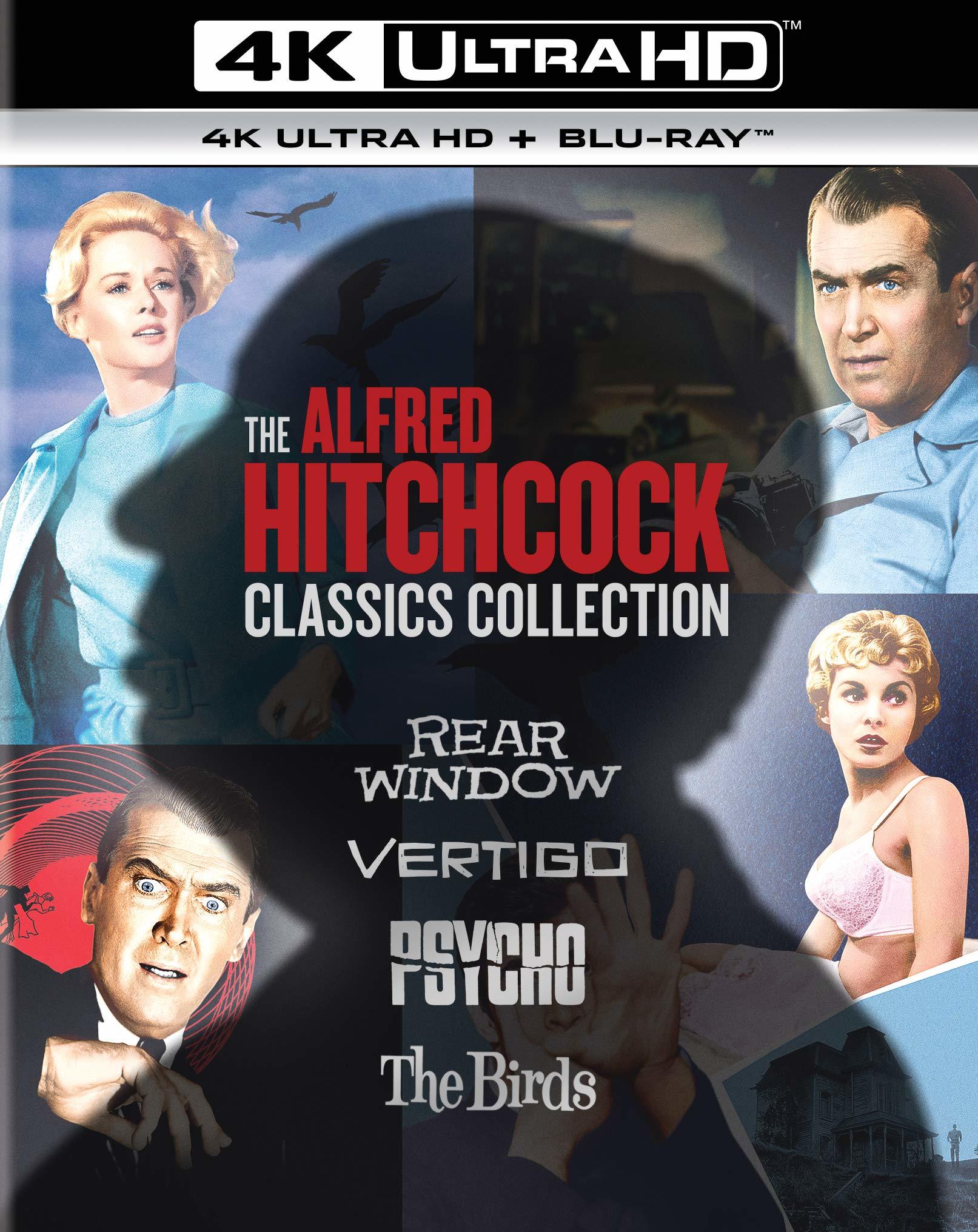
As the filmography progresses into the 1950s, the collaborative entries expand to cover technical milestones. The page for Rear Window (1954) breaks down the massive interior set built at Paramount Studios, detailing the architectural precision required to capture multiple apartment windows simultaneously. Similarly, the entry for Vertigo (1958) explores the invention of the "dolly zoom" (or contra-zoom)—a camera technique that distorts perspective to simulate vertigo—providing both the historical context of its invention and its reception among modern critics.
Analyzing Critical Reception, Themes, and Motifs
One of the most valuable aspects of Wikipedia’s coverage of Alfred Hitchcock is its dedicated analytical commentary regarding recurring motifs, auteur theory, and shifting critical receptions. Rather than simply cataloging plot points, major film entries aggregate decades of scholarly discourse from film theorists, Cahiers du Cinéma critics, and retrospective assessments.
Common thematic elements documented across the encyclopedia include:
- The Wrong Man: A recurring plot device where an ordinary protagonist is mistakenly accused of a crime, explored deeply in entries for The 39 Steps, North by Northwest (1959), and The Wrong Man (1956).
- Voyeurism: The psychological implications of watching and being watched, prominently featured in analyses of Rear Window and Psycho (1960).
- The Blonde Archetype: The recurring casting of sophisticated, icy blonde actresses (such as Grace Kelly, Tippi Hedren, and Kim Novak), whose pristine appearances contrast with the chaos surrounding them.
- The Director’s Cameo: A documented list of Hitchcock's signature brief appearances in almost all of his feature films, complete with timestamps and descriptions for each cameo.
These conceptual pages bridge the gap between individual film guides and broader cinematic history, offering readers a multi-faceted view of how Hitchcock’s personal anxieties and cinematic experiments influenced modern filmmaking.
Comparing Hitchcock's Film Eras on Wikipedia
To understand the breadth of information available across the platform, it helps to compare how different phases of his career are documented in terms of production depth, scholarly citation, and media availability.
| Film Era | Key Characteristics | Typical Wikipedia Page Content | Primary Scholarly Focus |
|---|---|---|---|
| British Silent Era (1925–1929) | Experimental framing, expressionistic influences, missing film status for select titles. | Plot preservation, restoration history, cast lists, technical breakthroughs in silent narrative. | Visual storytelling without dialogue, German Expressionism influence. |
| Classic British Period (1930–1939) | Introduction of sound, suspenseful chase formulas, geopolitical undertones. | Production hurdles, screenwriting collaborations (e.g., Charles Bennett), early McGuffin utilization. | Political tension in pre-war Europe, mastery of rhythm and editing. |
| Hollywood Golden Age (1940–1960) | Studio collaborations, Technicolor experiments, psychological depth, iconic partnerships. | Box office figures, Academy Award nominations, detailed set designs, composer notes. | Auteur theory, psychoanalytical subtexts, technical innovation (Vistavision, dolly zoom). |
| Late Career & Television (1961–1976) | Subversive horror, genre subversion, transition to anthology television (Alfred Hitchcock Presents). | Television episode guides, censorship struggles (e.g., Psycho shower scene), critical re-evaluations. | Boundary-pushing violence, decline of the studio system, self-referential irony. |
Frequently Asked Questions
Where can I find a complete, chronological list of Alfred Hitchcock's films on Wikipedia?
The most direct resource is the main "Alfred Hitchcock filmography" page, which lists all of his directorial efforts chronologically, separating silent films, British talkies, American studio classics, and television work. Individual entries often link back to this master list for quick navigation.
Are all of Alfred Hitchcock’s early silent films fully documented on Wikipedia?
While dedicated pages exist for surviving silent films like The Lodger, several early works are classified as partially lost or entirely lost films. Wikipedia notes their production history and preservation status using historical studio records and contemporary press archives.
How does Wikipedia document the technical innovations in Hitchcock films?
Technical details such as the dolly zoom in Vertigo or the continuous-shot illusion in Rope (1948) are detailed within the "Production" or "Style and Themes" sections of each respective film's page, often supported by citations from cinematography journals and director interviews.
Can I find television episode guides for Alfred Hitchcock's anthology series?
Yes, Wikipedia maintains comprehensive episode lists for Alfred Hitchcock Presents (1955–1962) and The Alfred Hitchcock Hour (1962–1965), including air dates, episode summaries, cast members, and details regarding the episodes directed by Hitchcock himself.
How are disputed facts or missing details handled on Hitchcock film pages?
Wikipedia editors rely on verifiable secondary sources, such as biographies by François Truffaut or Donald Spoto, to resolve conflicting accounts regarding production disputes, casting choices, and alternate endings. Unverified claims or original research are regularly removed according to editorial guidelines.
Maximizing Your Research and Next Actions
When utilizing Wikipedia as a complete film guide for Alfred Hitchcock, treat individual entries as entry points rather than definitive end-notes. To deepen your understanding, verify factual claims by exploring the references and external source links provided at the bottom of major biographical and film pages. Cross-reference production notes with established film archives and published interviews to gain a comprehensive appreciation of how Hitchcock shaped the language of modern cinema.