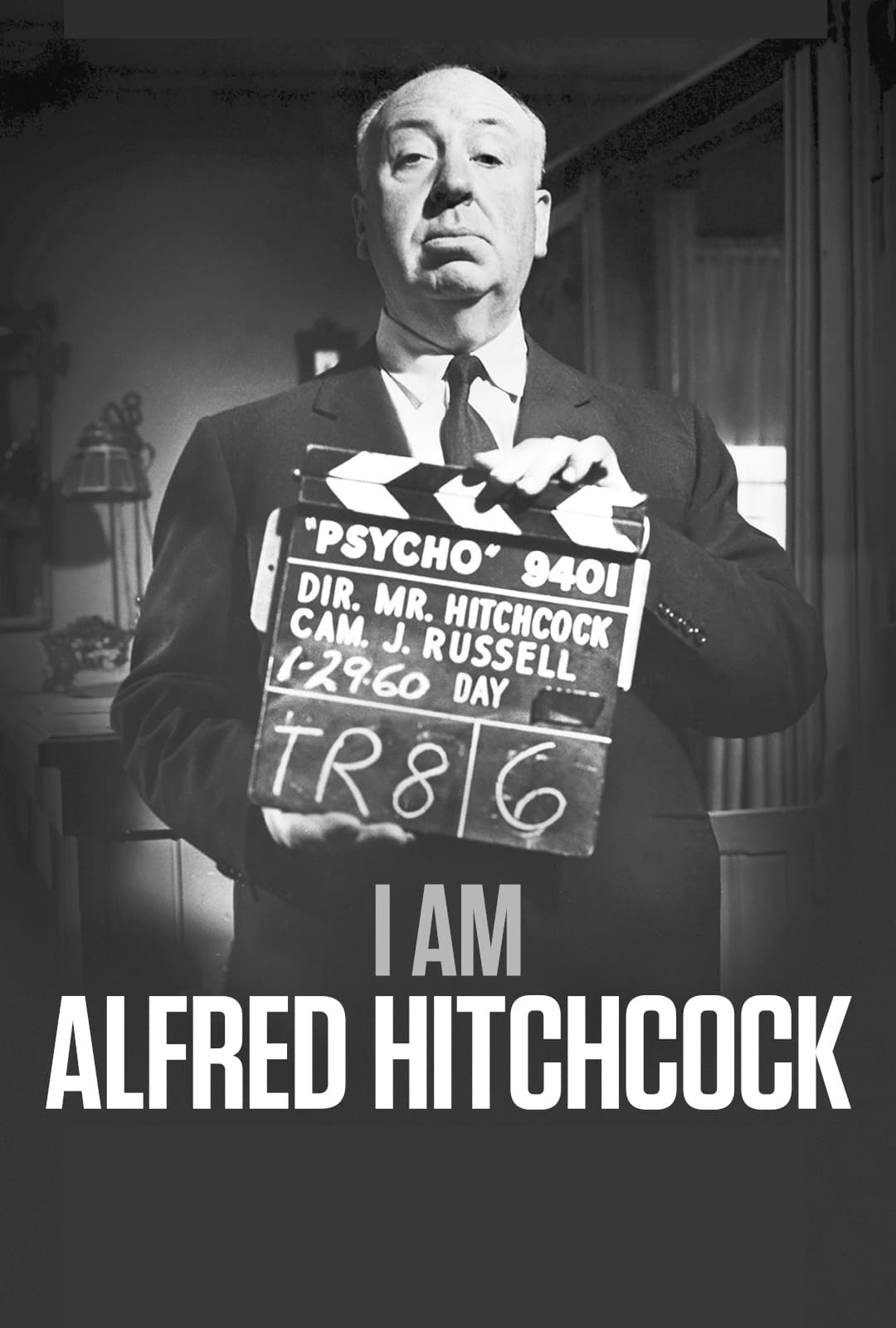
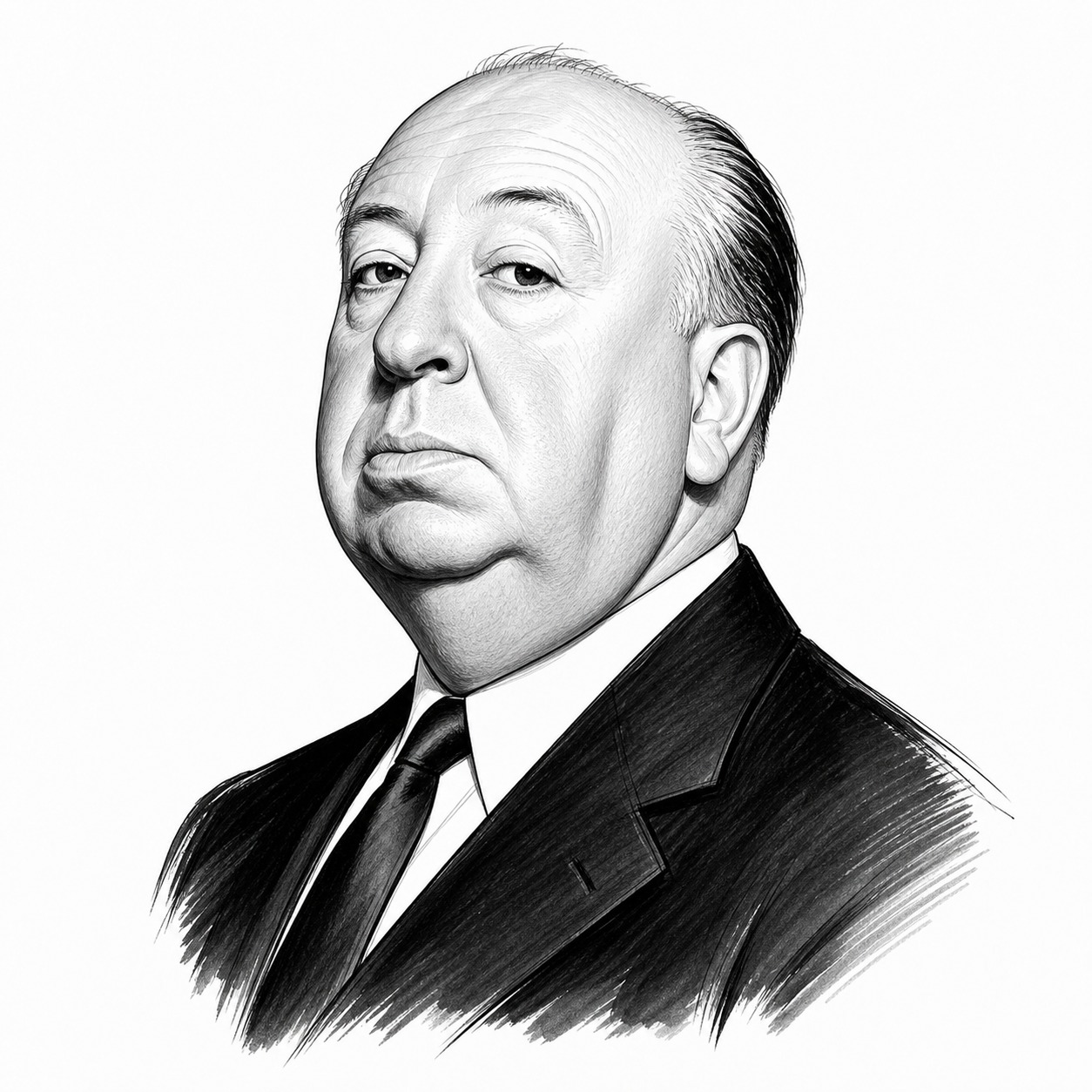
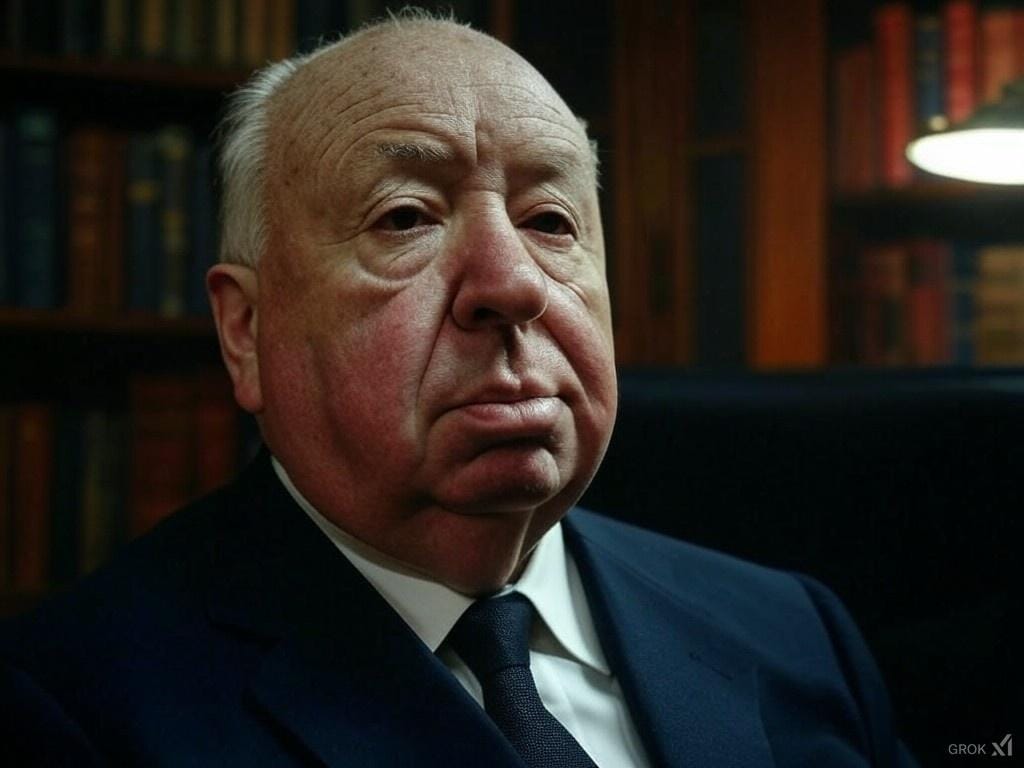
Alfred Hitchcock stood at approximately 5 feet 8 inches to 5 feet 8.5 inches tall (173–174 cm) during his adult life, though his famously heavy silhouette often created a different visual perception on screen. Examining his height involves navigating historical studio publicity records, passport applications, military registration documents, and personal accounts from actors and crew members who worked alongside the legendary filmmaker.
Historical Documentation and Official Records
Establishing the true height of a 20th-century public figure often requires looking past Hollywood publicity hyperbole and examining bureaucratic records created before fame altered documentation standards. For Alfred Hitchcock, official paperwork from immigration, travel, and registration offers the most reliable baseline for his physical stature.
When Hitchcock immigrated to the United States and traveled internationally during the height of his career, passport applications and passenger manifests frequently recorded physical descriptions. United States immigration records and British passport renewals from the 1930s through the 1950s consistently listed his height between 5 feet 8 inches and 5 feet 8.5 inches. These bureaucratic documents required accurate physical profiles for identification purposes, making them significantly more reliable than studio biographies designed to craft a specific public image for promotional distribution.
Furthermore, wartime civilian registration documents from Great Britain during World War II provide matching metrics. While Hollywood studios frequently exaggerated or minimized physical traits of actors and directors to fit prevailing cinematic archetypes, Hitchcock's administrative footprint confirms a stature that placed him squarely around average height for a British male born near the turn of the 20th century.
The Visual Illusion of Stature in Cinema
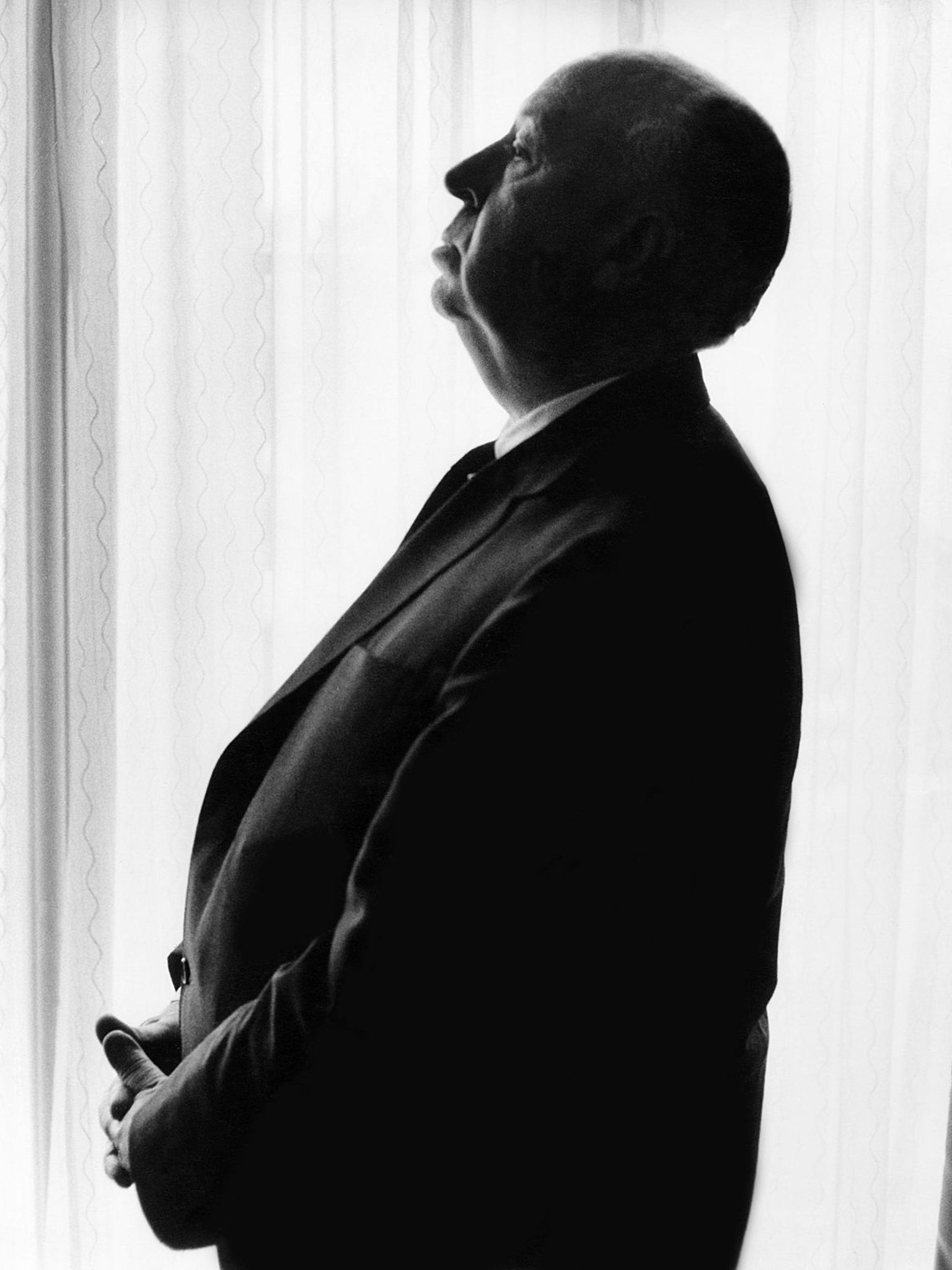
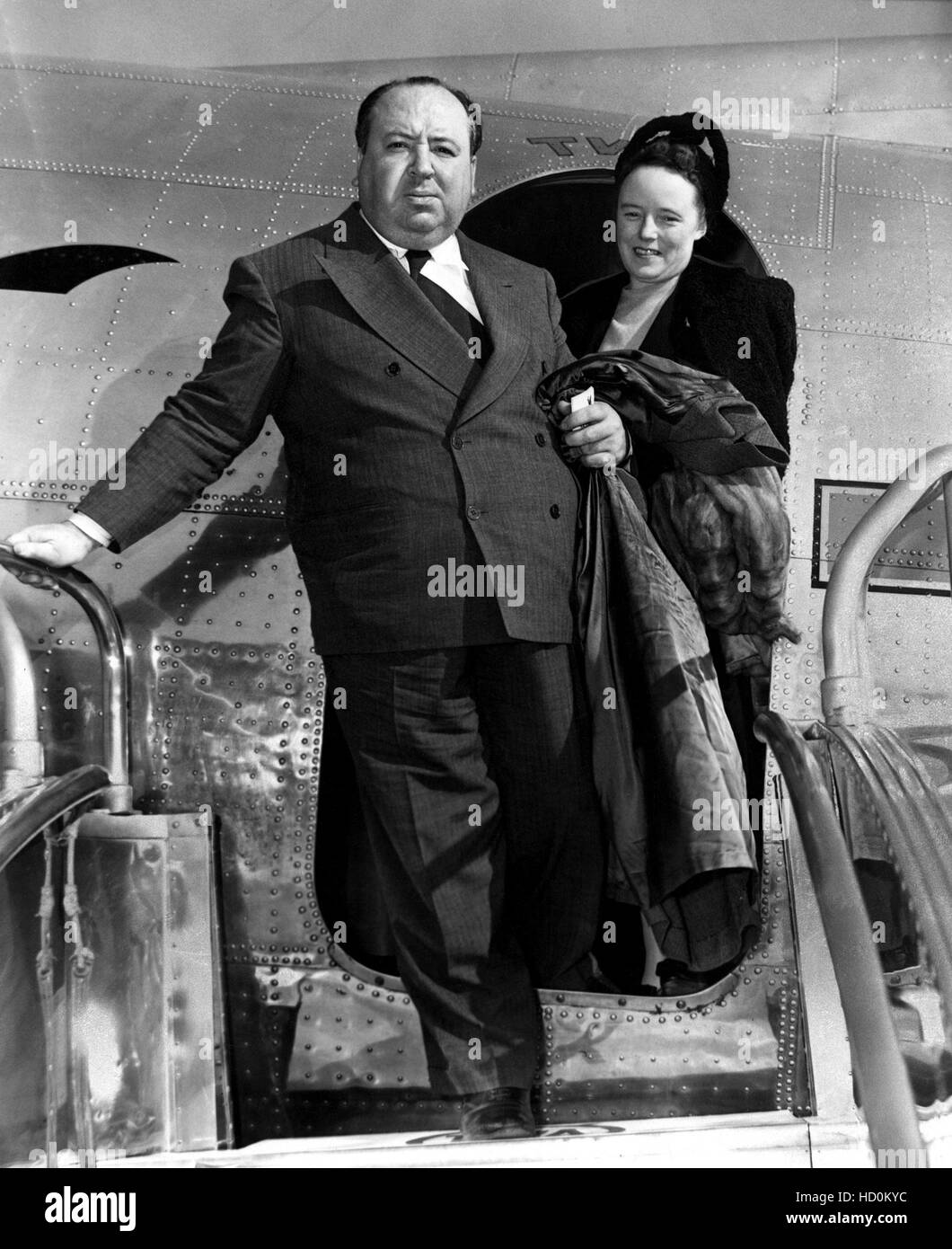
The perception of Alfred Hitchcock’s height has long been skewed by his distinct body shape, posture, and the way he framed himself within his own cinematic universe. Standing beside towering leading men like James Stewart, Cary Grant, or Gregory Peck, Hitchcock appeared substantially shorter due to the significant height difference and his own progressive weight gain.
| Document / Source Type | Recorded Stature | Context & Reliability |
|---|---|---|
| British Passport Records | 5 ft 8 in to 5 ft 8.5 | High reliability; official travel docs |
| US Immigration Papers | 5 ft 8 in | High reliability; border control ID |
| Studio Press Biographies | Variable (often vague) | Low reliability; marketing and publicity |
| Personal Accounts | "About average height" | Moderate; observational memories |
Hitchcock possessed a remarkably heavy, rounded physique, particularly in his later decades, which altered his center of gravity and led to a slight forward stoop when walking. This posture diminished his perceived vertical presence. Additionally, directors rarely project an aura of physical towering dominance; instead, Hitchcock's authority derived from his commanding voice, precise diction, sharp wit, and meticulous control over the cinematic frame rather than physical intimidation.
Comparisons with Contemporaries and Leading Actors
Contextualizing Hitchcock's 5-foot-8-inch frame requires looking at how he physically interacted with the Hollywood stars who populated his films. During the Golden Age of Hollywood, leading men often hovered around 5 feet 11 inches to 6 feet 2 inches, making Hitchcock appear moderately proportioned by comparison.
- Cary Grant: Standing approximately 6 feet 1 inch, Grant towered over Hitchcock by several inches, creating a stark visual contrast during on-set consultations.
- James Stewart: At roughly 6 feet 3 inches, Stewart's lanky frame further emphasized Hitchcock's more compact, heavy-set vertical measurements.
- Grace Kelly: Standing near 5 feet 7 inches in flats, Kelly occasionally approached Hitchcock's eye level when wearing heels, shifting the dynamic during close-up blocking.
- Ingrid Bergman: At approximately 5 feet 9 inches, Bergman was fractionally taller than Hitchcock, a nuance managed carefully through camera angles and staging.
These physical disparities influenced how Hitchcock composed scenes. As a director, he understood forced perspective and lens selection, often using camera placement to project psychological dominance regardless of his physical stature relative to his actors.
Evolution of Physical Stature and Weight Fluctuations
Hitchcock’s weight fluctuated dramatically throughout his life, directly impacting his physical proportions and how his height was perceived by contemporaries. In his youth and early filmmaking days in London during the 1920s, he was moderately stout but possessed a more balanced proportion between his height and weight.
By the time he transitioned to Hollywood in 1939 to direct Rebecca, his weight had begun a steady upward climb, driven by a fondness for fine dining, rich cuisine, and copious amounts of alcohol, particularly wine and champagne. Biographers note that by the 1950s and 1960s, Hitchcock weighed well over 250 pounds while maintaining his 5-foot-8-inch frame.
This dramatic mass-to-height ratio created a distinctive spherical silhouette that became a pop-culture icon in its own right, immortalized by the animated caricature he drew for Alfred Hitchcock Presents. Consequently, cultural memory tends to remember his physical presence through the lens of his extreme weight rather than his linear vertical height.
Verification Challenges in Archival Research
Researching historical physical measurements often presents distinct hurdles, and Alfred Hitchcock is no exception. Studio archives, police records, and medical files from the early 20th century were rarely standardized for public consumption, and privacy standards of the era mean that complete medical examinations or draft boards files are either sealed, missing, or fragmented.
Furthermore, biographers frequently relied on subjective descriptions rather than documented medical stats. Writers describing Hitchcock often focused on his imposing demeanor rather than his exact tape-measure height, conflating psychological weight with physical dimensions. Discrepancies of half an inch between British and American records typically stem from rounding practices rather than genuine biological changes, as older adults begin losing height later in life, a factor documented in Hitchcock's final years during the late 1970s and 1980s.
Practical Takeaways for Film Historians
For researchers, biographers, and film historians, establishing accurate physical dimensions matters primarily for wardrobe reconstruction, set design analysis, and understanding the physical realities of Golden Age production logistics. Knowing that Hitchcock stood at 5 feet 8 inches provides a baseline for evaluating camera setups, directorial chairs built to specific ergonomic requirements, and his physical interactions with actors on soundstages.
Frequently Asked Questions
Was Alfred Hitchcock considered a tall man for his era?
No, Alfred Hitchcock was of average height for a British male born in 1899. At approximately 5 feet 8 inches, he matched the typical demographic stature of his generation, though his heavy build made him appear shorter and stockier as he aged.
Why does Hitchcock look much shorter in photographs with his actors?
Hitchcock’s height was visually minimized by his heavy weight distribution and the fact that many of his leading men, such as James Stewart and Cary Grant, were exceptionally tall, often standing over 6 feet 1 inch.
Do official documents confirm Alfred Hitchcock's height?
Yes, immigration paperwork, passport renewals, and passenger manifests from his travels between the United Kingdom and the United States consistently document his height between 5 feet 8 inches and 5 feet 8.5 inches.
Did Hitchcock's height change significantly over time?
Like most individuals, Hitchcock experienced slight height compression in his later decades due to aging and spinal settling, compounded by a forward posture caused by his substantial weight gain.
How did Hitchcock's physical stature influence his directing style?
While physical stature did not dictate his creative authority, his commanding voice, deliberate pacing, and mastery of camera angles allowed him to maintain absolute control over actors regardless of their physical height advantages.