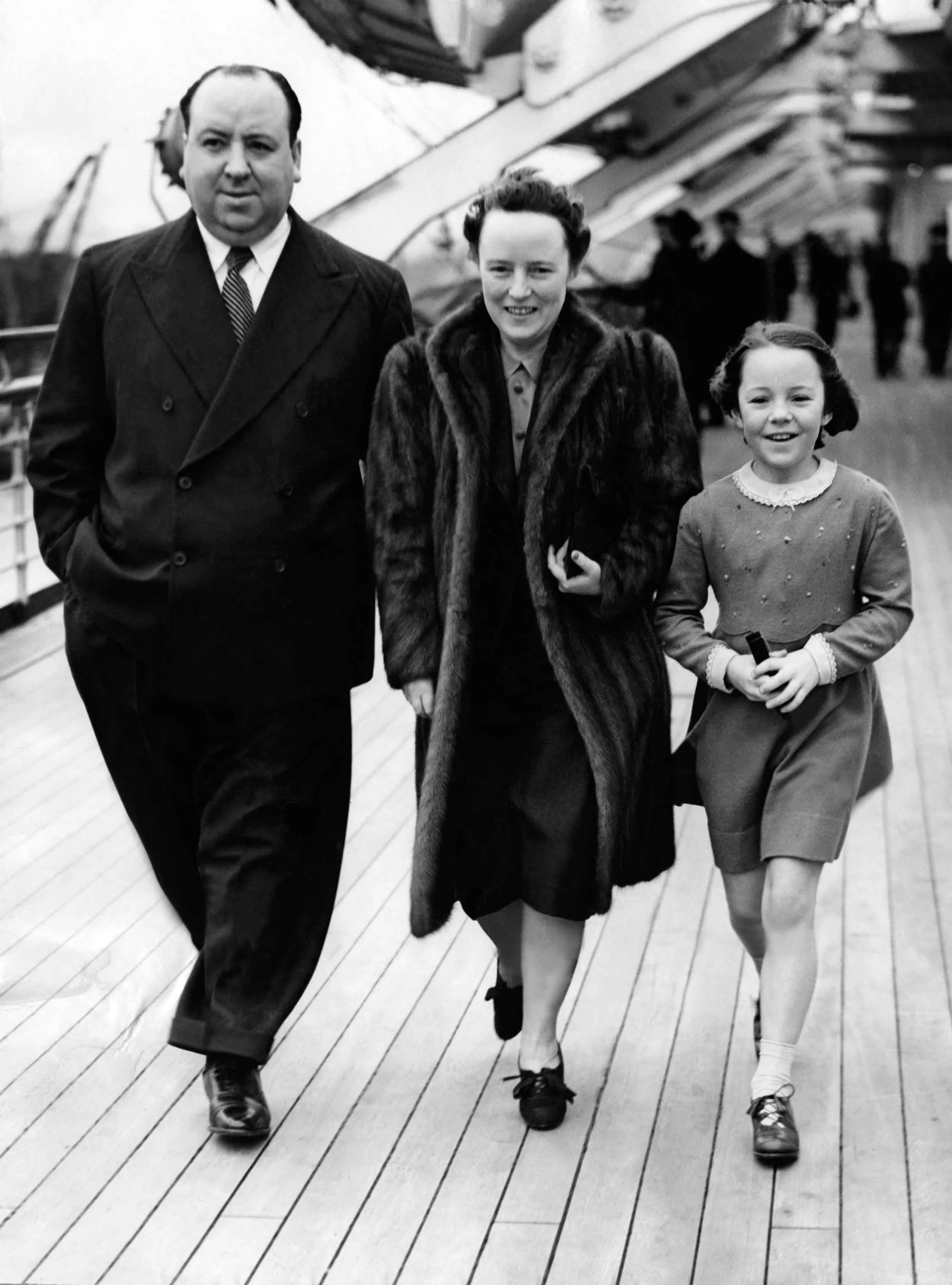
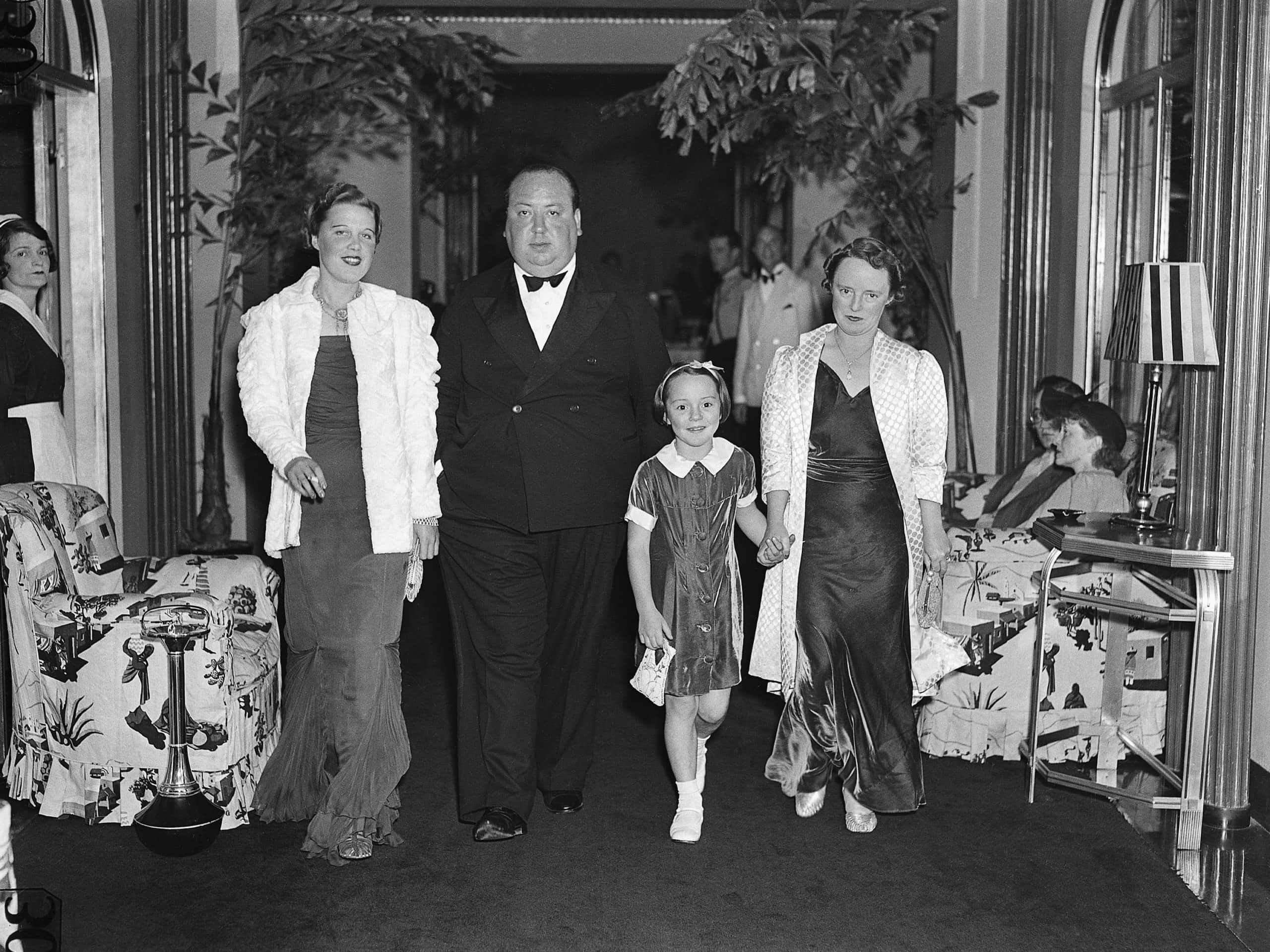
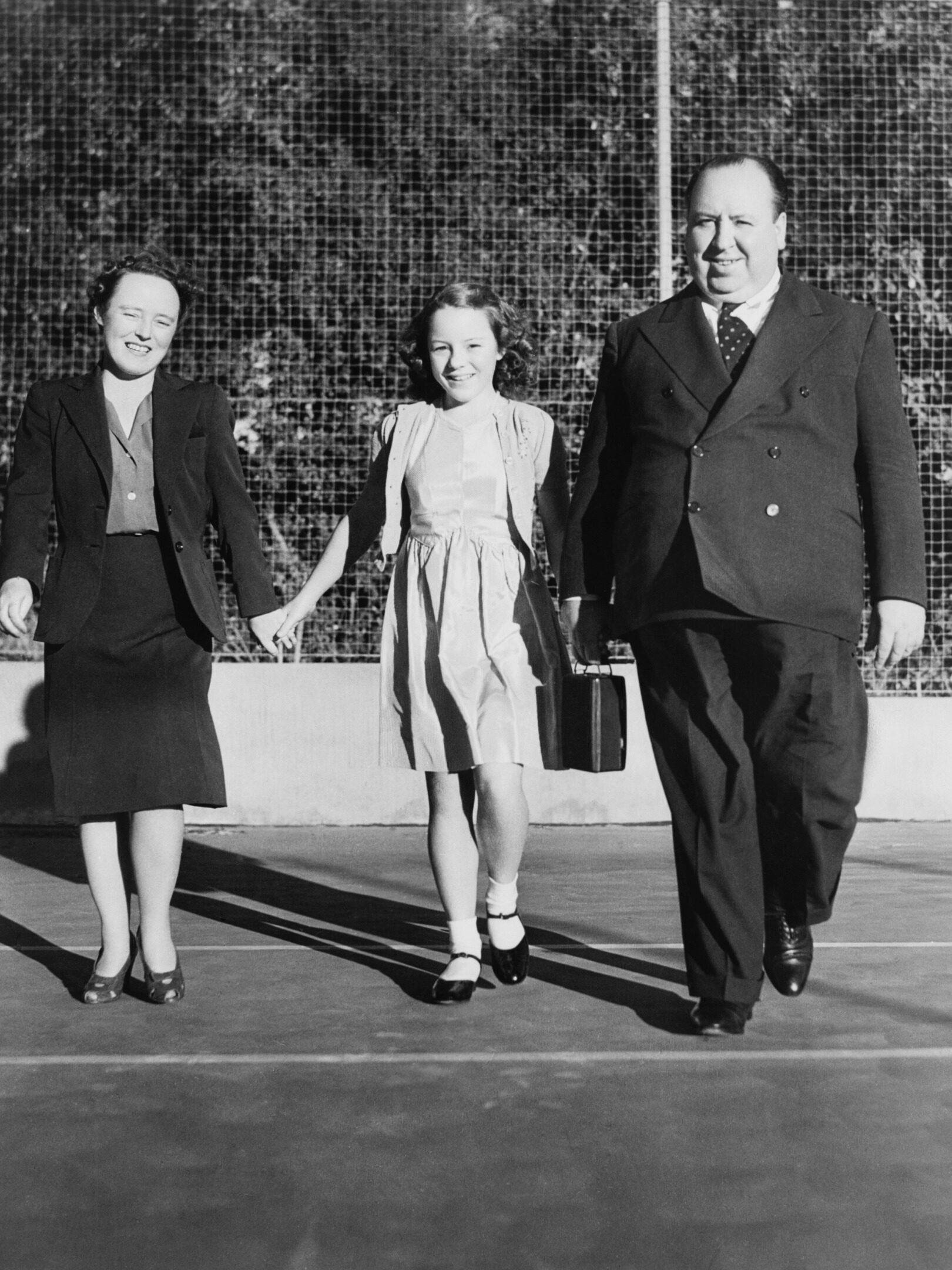
Alfred Hitchcock, the legendary filmmaker known as the Master of Suspense, built a cinematic empire alongside his closest collaborator and wife, Alma Reville, while raising their daughter, Patricia Hitchcock. Understanding the Alfred Hitchcock family requires looking beyond the famous director's dark thrillers to examine a tightly knit creative partnership and a supportive domestic unit that sustained his career across five decades in Hollywood and Great Britain.
The Core Partnership: Alfred Hitchcock and Alma Reville
At the heart of the Alfred Hitchcock family was the profound creative and personal union between Alfred Hitchcock and Alma Reville. Born in August 1899, Alma Reville entered the British film industry as a teenager, working across multiple departments including editing, continuity, and screenwriting. She met Alfred Hitchcock at Famous Players-Lasky in London during the early 1920s, where both were working on silent films. They married in December 1926 at the Brompton Oratory in London, beginning a partnership that would last until Alfred's death in 1980.
Alma was far more than a traditional filmmaker's spouse; she served as her husband's most trusted script supervisor, editor, and sounding board. Alfred Hitchcock famously stated in interviews and acceptance speeches that Alma was the person whose opinion mattered most to him. She contributed significantly to the screenplays and narrative structures of many of his most celebrated masterpieces, including Shadow of a Doubt (1943), Notorious (1946), and Psycho (1960). Her sharp eye for continuity and narrative pacing helped refine the suspense mechanics that defined his cinematic style.
The couple weathered the massive industry transition from silent films to talkies, relocated from England to Hollywood in 1939, and maintained a stable household despite the pressures of the studio system. Alma survived a stroke in the 1960s, but she continued to support her husband's work until his final film, Family Plot (1976). She passed away in September 1982, leaving behind a legacy as a brilliant, understated pioneer of early cinema.
Patricia Hitchcock: The Only Child
The Alfred Hitchcock family expanded in July 1928 with the birth of their only child, Patricia Hitchcock, commonly known as Pat. Growing up surrounded by the film industry, Pat naturally developed an interest in acting. She attended the Royal Academy of Dramatic Art (RADA) in London and performed in various stage productions on Broadway and in regional theater before transitioning to film and television.
Pat Hitchcock is best remembered by film enthusiasts for her memorable supporting roles in three of her father's most iconic motion pictures:
- Stage Fright (1950): Played Chubby Bannister, a chatty friend of the protagonist.
- Strangers on a Train (1951): Portrayed Barbara Morton, the sharp-witted, bespectacled sister of the female lead.
- Psycho (1960): Appeared briefly as Caroline, the office colleague who offers Marion Crane a tranquilizer at the beginning of the film.
In addition to her film work, Pat appeared in numerous television anthologies, including several episodes of Alfred Hitchcock Presents. In 1952, she married businessman Joseph E. O'Connell Jr., with whom she raised three daughters: Mary Alma, Tere, and Katie. Following her father's passing, Pat remained active in preserving his legacy by participating in documentaries, retrospectives, and writing a definitive biography titled Alma Hitchcock: The Woman Behind the Man (co-written with Laurent Bouzereau) in 2003. Pat Hitchcock passed away in July 2021 at the age of 93, marking the end of the immediate nuclear family line.
Overview of the Alfred Hitchcock Family Members
| Name | Relationship | Key Profession | Notable Contributions |
|---|---|---|---|
| Alfred Hitchcock | Self / Patriarch | Director, Producer | Master of Suspense; directed over 50 feature films. |
| Alma Reville | Wife | Screenwriter, Editor, Director | Creative collaborator on nearly all of Alfred's films. |
| Patricia Hitchcock | Daughter | Actress, Producer | Performed in Strangers on a Train and Psycho; author. |
| Joseph E. O'Connell Jr. | Son-in-Law | Businessman | Married Patricia Hitchcock in 1952; father of her three children. |
Grandchildren and Descendants
Through their daughter Pat and her husband Joseph, the Alfred Hitchcock family grew to include three granddaughters: Mary Alma O'Connell, Tere O'Connell, and Katie O'Connell. While none of the granddaughters pursued high-profile careers in the entertainment industry on the scale of their grandparents or mother, they have occasionally participated in cultural events, archival projects, and memorial tributes dedicated to preserving the cinematic heritage of Alfred and Alma.
Maintaining a relatively private life away from the intense public scrutiny that followed their grandfather, the descendants have ensured that the personal archives, photographs, and historical documents of the family remain properly managed and protected for academic research and public exhibitions.
Domestic Life and Privacy
Despite their prominence in global cinema, the Alfred Hitchcock family maintained a surprisingly grounded domestic routine. For decades, the couple divided their time between homes in Southern California—including a sprawling estate in Bel Air and a ranch in Santa Cruz—and their historical roots in the United Kingdom.
Alfred Hitchcock was known for his punctual, predictable work schedule, often leaving the studio promptly in the evening to spend time with Alma and Pat. Friends and colleagues frequently noted that the Hitchcock household operated as a traditional British family unit in private, sharply contrasting with the macabre subject matter of the director's professional output. Alma's culinary skills and meticulous housekeeping created a stable environment that insulated the family from the volatility of Hollywood studio politics.
Frequently Asked Questions About the Alfred Hitchcock Family
How many children did Alfred Hitchcock have?
Alfred Hitchcock had one biological child, Patricia Hitchcock, born in 1928. He and his wife Alma did not have any other children, though they remained deeply involved in the lives of their three granddaughters.
Did Alma Reville receive screen credit for her work?
Alma Reville did receive screen credit for several screenwriting projects, particularly during their years in British cinema, such as The Lodger and The Constant Nymph. In Hollywood, much of her script supervision and editorial collaboration was uncredited, though industry insiders widely recognized her vital creative input.
What happened to Alfred Hitchcock's estate?
Following the deaths of Alfred Hitchcock in 1980 and Alma Reville in 1982, control of their artistic assets, rights, and personal archives was managed through their estate and passed down through their daughter Patricia and her descendants. Various academic institutions and film archives now house correspondence, scripts, and personal items.
Did Patricia Hitchcock act in television?
Yes, Patricia Hitchcock appeared in multiple television programs, most notably several episodes of her father's television anthology series, Alfred Hitchcock Presents, as well as other dramatic series during the golden age of television in the 1950s.
Where are Alfred Hitchcock and Alma Reville buried?
Following Alfred Hitchcock's death in Los Angeles in 1980, his body was cremated, and his ashes were scattered in the Pacific Ocean. Alma Reville, who passed away in 1982, was also cremated, and her ashes were similarly scattered at sea.
Preserving the Cinematic and Personal Legacy
For enthusiasts and researchers exploring the life behind the camera, understanding the Alfred Hitchcock family provides essential context for the emotional and logistical stability that enabled decades of cinematic innovation. The synergy between Alfred and Alma created a resilient professional structure, while Pat's involvement in both the family business and acting cemented a multi-generational connection to the golden age of cinema. Reviewing biographical records, original scripts, and historical documentaries remains the best approach for those seeking a detailed look into the private world behind the suspense.