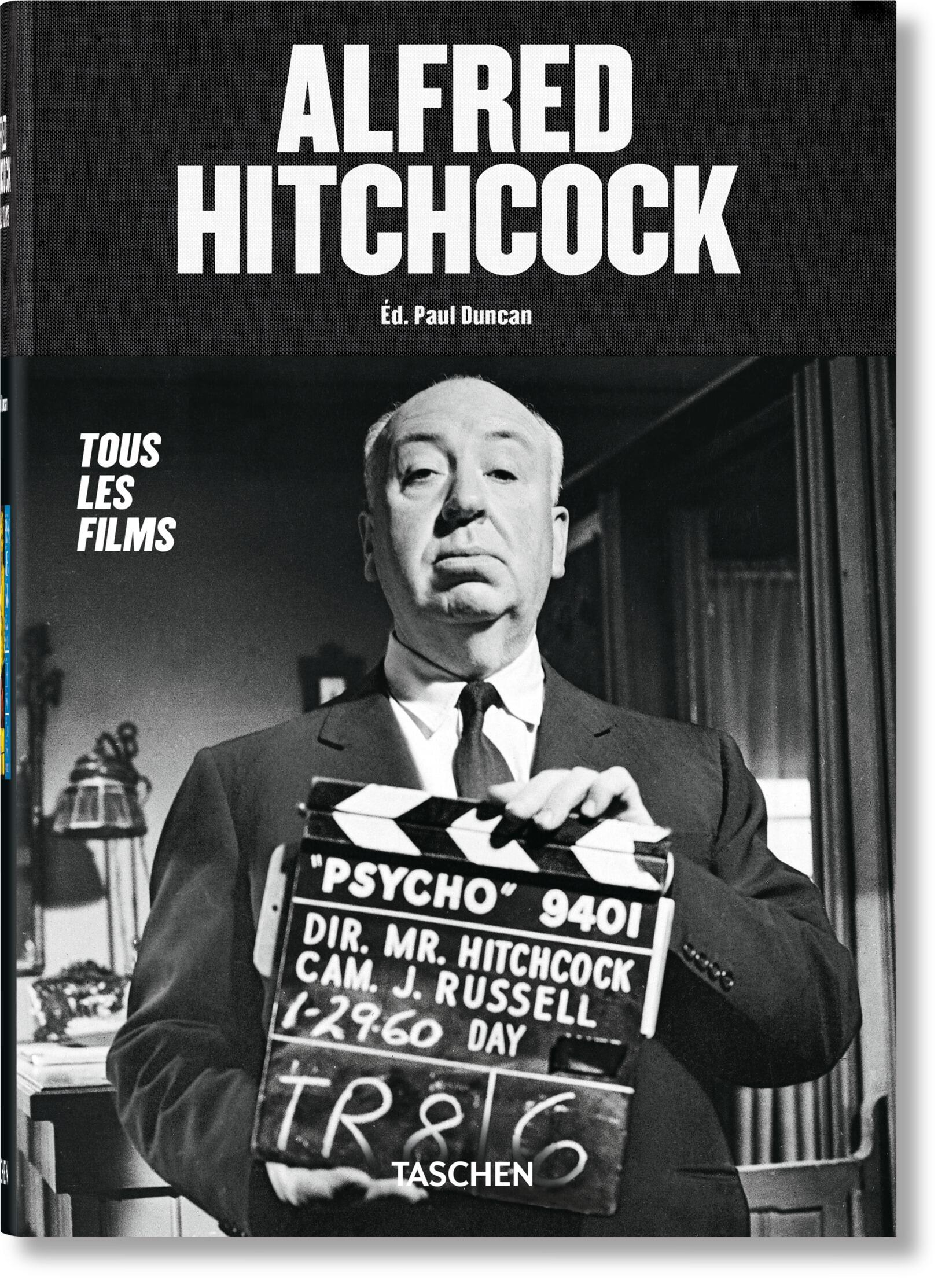
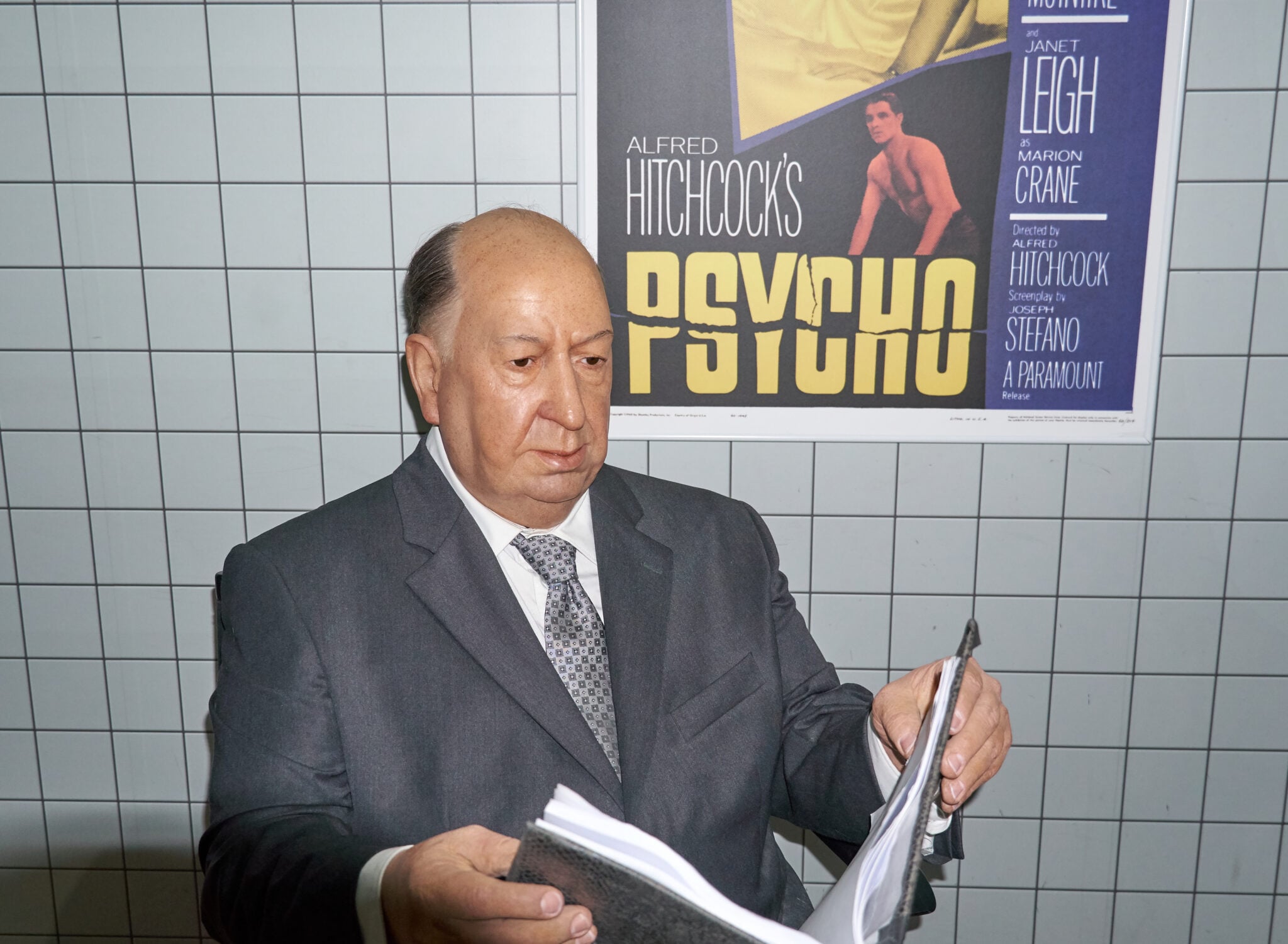
Alfred Hitchcock was 80 years old when he passed away on April 29, 1980. Over a career spanning more than half a century, the legendary British-born filmmaker directed over 50 feature films, shaping the grammar of modern cinema, establishing the thriller genre, and earning his enduring title as the Master of Suspense.
The Early Years and British Genesis
Born on August 13, 1899, in Leytonstone, Essex (now part of London), Alfred Joseph Hitchcock grew up in a strict Catholic household. His father, William Hitchcock, was a greengrocer and poultry dealer, while his mother, Emma Jane Whelan, instilled in him a strict moral discipline that would later permeate his cinematic themes of guilt, voyeurism, and redemption. Details regarding his exact childhood experiences are frequently colored by the director's own colorful, self-mythologizing interviews, yet his working-class upbringing and education at Jesuit institutions profoundly influenced his artistic perspective.
Entering the workforce as a young man, Hitchcock secured employment at the London office of the Henley Telegraph Cable Company, starting as an estimator and technical clerk. During this period, he pursued evening courses in fine art at the University of London. His artistic sensibilities found a professional outlet in 1920 when he joined the newly established Famous Players-Lasky studio in Islington, designing silent film intertitles. This entry-level position allowed him to learn screenwriting, set design, editing, and directing from the ground up, setting the stage for his rapid ascension in the burgeoning British film industry.
Transition to Feature Direction and the Golden Age of British Cinema
By the mid-1920s, Hitchcock transitioned from technical crew member to assistant director and screenwriter, eventually making his feature directorial debut with The Pleasure Garden in 1925. However, it was his third feature film, The Lodger: A Story of the London Fog (1927), that firmly established his signature stylistic tropes, including the wrongfully accused protagonist, atmospheric shadow play, and mounting psychological tension. By his late twenties, Hitchcock was already recognized as Britain's leading director.
Throughout the 1930s, Hitchcock solidified his international reputation with a string of sophisticated thriller masterworks produced in the United Kingdom. Films such as The Man Who Knew Too Much (1934), The 39 Steps (1935), and The Lady Vanishes (1938) showcased his mastery of pacing, visual storytelling, and the MacGuffin—an object or device that drives the plot forward while remaining largely irrelevant to the characters. At age 39, standing at the height of his British success, Hitchcock accepted an invitation from producer David O. Selznick to relocate to Hollywood, embarking on the most commercially and critically celebrated phase of his career.
Hollywood Stardom and the Masterpiece Era
Hitchcock arrived in the United States in 1939, bringing a refined European sensibility to the American studio system. His American directorial debut, Rebecca (1940), won the Academy Award for Best Picture, instantly establishing his viability in Hollywood. Over the next four decades, working through his forties, fifties, and sixties, Hitchcock produced an extraordinary body of work that pushed the boundaries of cinematic censorship, narrative structure, and technical execution.
| Film Title | Release Year | Age of Hitchcock | Key Cinematic Contribution |
|---|---|---|---|
| Shadow of a Doubt | 1943 | 43 | Explored small-town psychopathy and family darkness; considered his personal favorite. |
| Rear Window | 1954 | 54 | Pioneered architectural set design to examine voyeurism and urban alienation. |
| Vertigo | 1958 | 58 | Revolutionized camera movement with the "dolly-zoom" effect; explored obsession. |
| Psycho | 1960 | 60 | Redefined horror and thriller genres, breaking distribution and marketing norms. |
| The Birds | 1963 | 63 | Utilized groundbreaking electronic sound design and optical composite effects. |
This prolific middle-age period showcased Hitchcock's meticulous preparation. He famously remarked that for him, the film was entirely finished in his mind before shooting even commenced, rendering actual production a matter of mechanical execution. Whether orchestrating the crop-duster sequence in North by Northwest (1959) or the shower scene in Psycho (1960), Hitchcock remained deeply involved in every technical detail, from costume selection to editing rhythms.
Later Years, Honors, and Final Contributions
Entering his seventies and eighties, Hitchcock maintained his creative output while receiving widespread institutional recognition that had eluded him during his competitive Oscar years. Although he never won the Academy Award for Best Director—despite five nominations—the Academy of Motion Picture Arts and Sciences presented him with the Irving G. Thalberg Memorial Award in 1968. In 1979, he was appointed a Knight Commander of the Order of the British Empire (KBE) by Queen Elizabeth II, officially becoming Sir Alfred Hitchcock just months before his passing.
His final cinematic offering, Family Plot, was released in 1976 when Hitchcock was 76 years old. Demonstrating his lifelong penchant for dark comedy and suspense, the film rounded out a filmography that spanned 53 completed feature films. Even in retirement, Hitchcock continued planning a prospective spy thriller titled The Short Night, though declining health prevented its production.
Legacy of the Master of Suspense
Alfred Hitchcock passed away peacefully in his sleep from renal failure on April 29, 1980, at his home in Bel Air, California, at the age of 80. He was survived by his wife and essential professional collaborator, Alma Reville, and their daughter, Patricia. Following his death, his body was cremated, and his ashes were scattered into the Pacific Ocean.
Hitchcock's influence on contemporary filmmaking remains ubiquitous. Directors from Martin Scorsese and Steven Hitchcock-inspired generations to David Fincher and Quentin Tarantino have cited his structural precision, visual grammar, and psychological depth as foundational to their own craft. By the time of his death at age 80, the Master of Suspense had fundamentally transformed cinema from a photographed theatrical medium into a distinct visual art form driven by subjective camera placement and audience manipulation.
Frequently Asked Questions
How old was Alfred Hitchcock when he died?
Alfred Hitchcock was 80 years old when he died on April 29, 1980. He was born on August 13, 1899, meaning he lived through eight decades of immense technological and cultural transformation within the global film industry.
How many films did Alfred Hitchcock direct?
Alfred Hitchcock directed 53 completed feature-length films throughout his career. His directorial work spanned from the silent era in the mid-1920s with British international productions through the height of the Hollywood studio system and into the mid-1970s.
Did Alfred Hitchcock ever win an Academy Award for Best Director?
No, Alfred Hitchcock never won the competitive Academy Award for Best Director, despite receiving five career nominations for Rebecca, Lifeboat, Spellbound, Rear Window, and Psycho. However, he was awarded the Irving G. Thalberg Memorial Award by the Academy in 1968 for lifetime achievement.
What was Alfred Hitchcock's final film?
Alfred Hitchcock's final completed feature film was Family Plot, released in 1976 when the director was 76 years old. The film is a lighthearted thriller blending suspense with dark comedy, starring Bruce Dern, Barbara Harris, William Devane, and Karen Black.
Why is Alfred Hitchcock called the Master of Suspense?
Alfred Hitchcock earned the moniker "Master of Suspense" because of his specialized focus on generating dread, tension, and anxiety through cinematic technique. Rather than relying solely on sudden shocks, he favored dramatic irony, where the audience possesses crucial information withheld from the characters, maximizing emotional engagement.