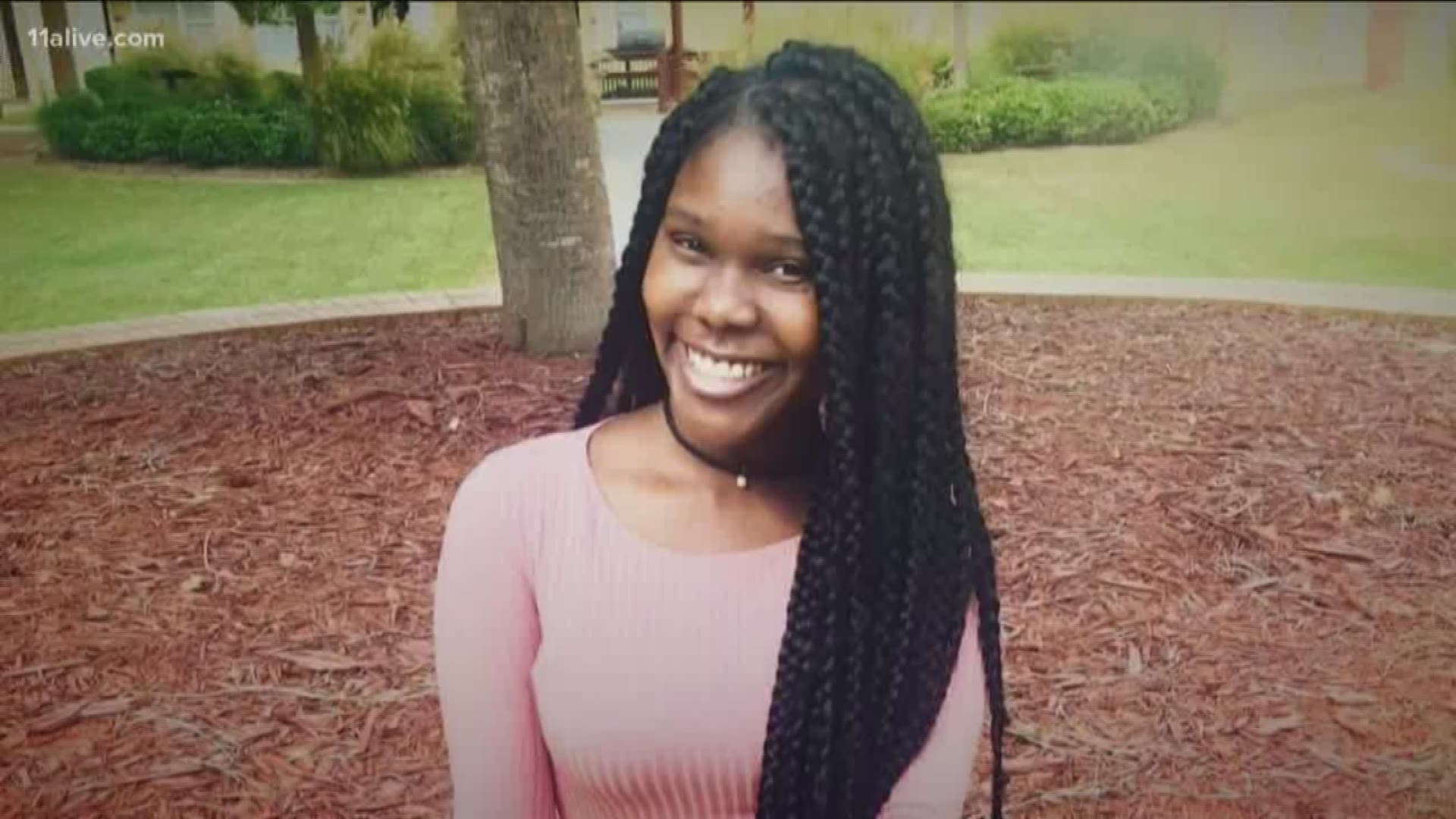
The search results for "alexis crawford atlanta latest news" center on the tragic 2019 kidnapping, murder, and subsequent legal proceedings involving Clark Atlanta University student Alexis Crawford and her roommate, Barron Brantley, along with his girlfriend, Jordyn Jones. The case drew national media attention, raising critical discussions surrounding campus safety, domestic violence, and missing persons protocols within urban university settings in Atlanta, Georgia.
The Disappearance and Discovery of Alexis Crawford
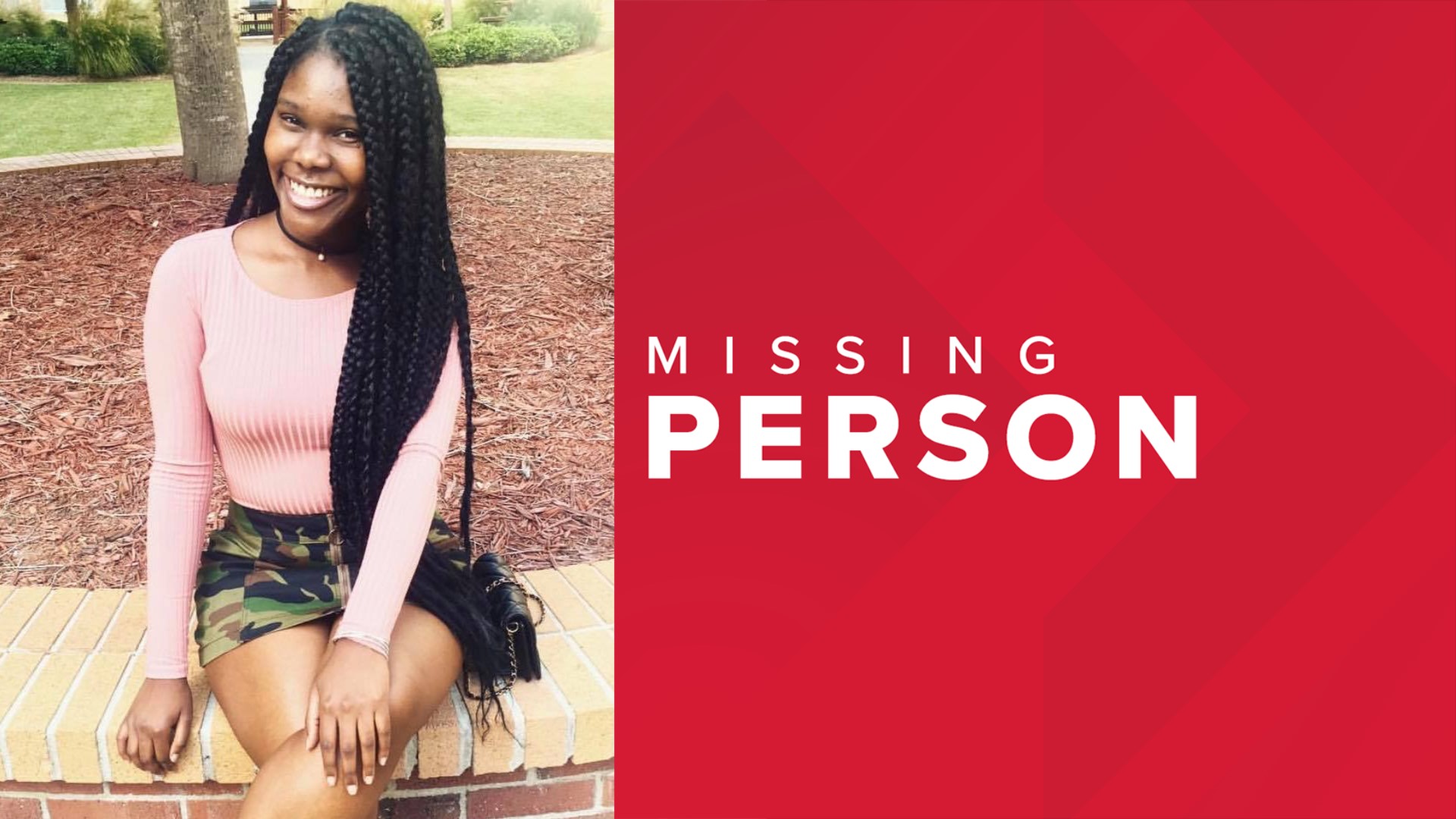
Alexis Crawford, a 21-year-old student at Clark Atlanta University, was reported missing in late October 2019 after she failed to maintain contact with her family and friends. Her disappearance triggered an immediate and intensive search effort led by the Atlanta Police Department, campus security, and concerned community members who mobilized across social media and local neighborhoods.
Investigators quickly focused their attention on Crawford’s off-campus apartment shared with Jordyn Jones. According to court documents and police briefings released during the initial investigation, Crawford had filed a police report weeks prior to her disappearance, alleging an assault by Barron Brantley, who was Jones's boyfriend and a frequent visitor to the residence. This prior incident established a crucial investigative lead for law enforcement, redirecting focus away from a routine missing persons case toward potential foul play connected to the shared living arrangement.
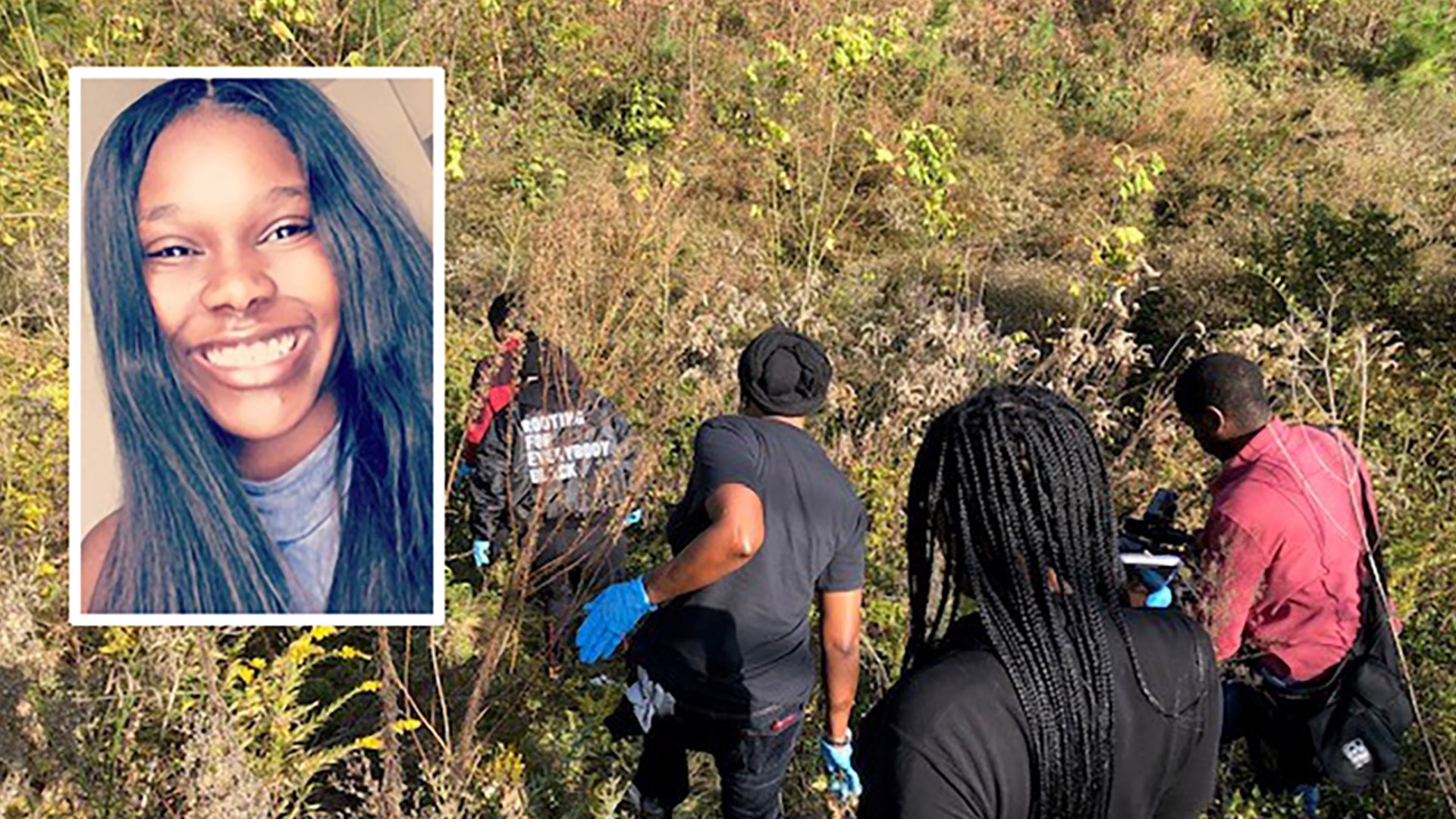
On November 8, 2019, Atlanta police recovered Crawford’s body in a shallow grave in Dekalb County, Georgia. Autopsy reports later confirmed that she died from asphyxiation. The discovery brought an end to the active search for the missing student while immediately shifting public and legal focus to the criminal prosecution of the suspects.
Legal Proceedings, Arrests, and Convictions
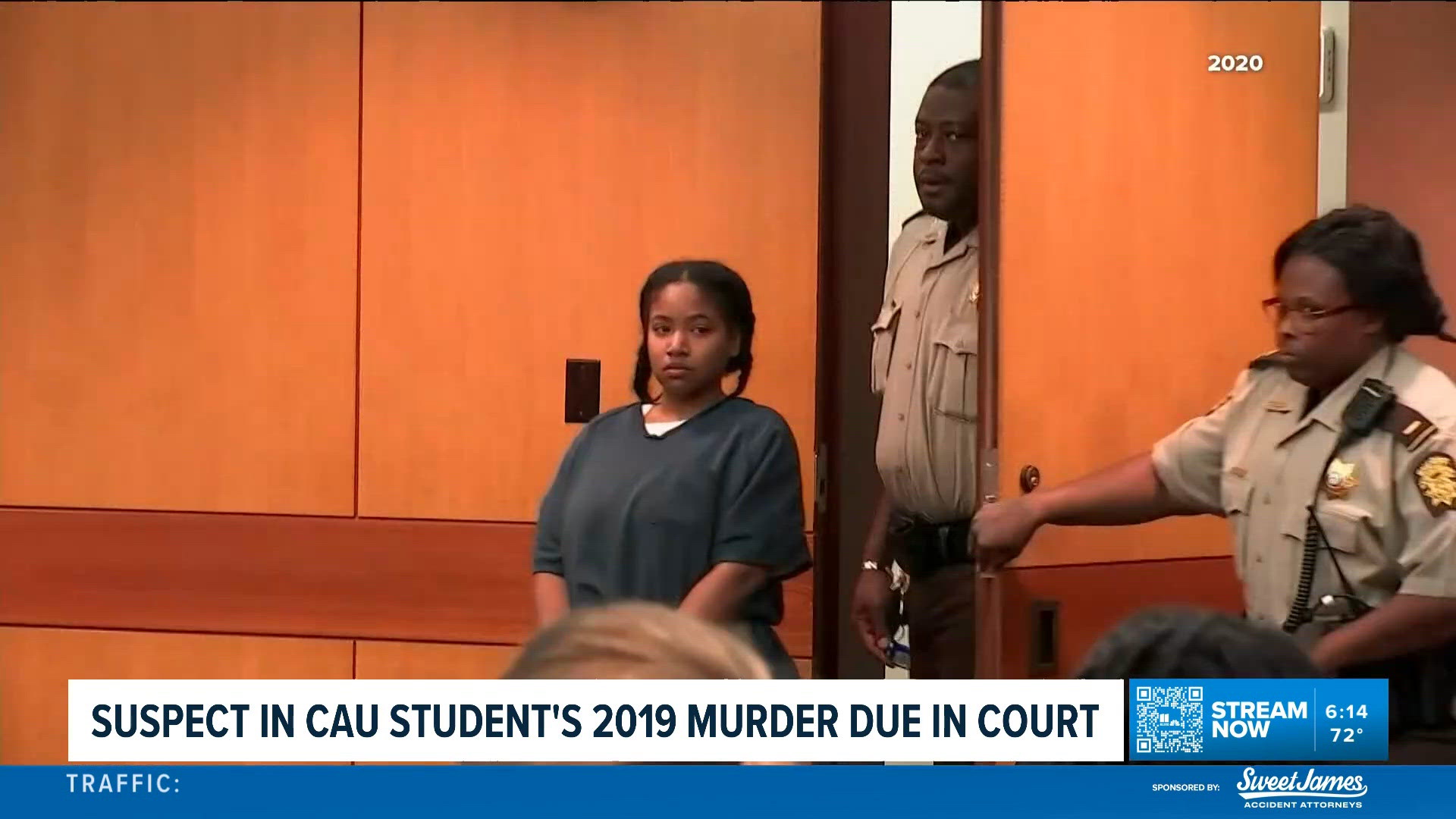
Following the discovery of Crawford's remains, the Atlanta Police Department arrested Barron Brantley and Jordyn Jones in connection with the crime. Both suspects faced serious felony charges, including malice murder, felony murder, kidnapping, and concealing the death of another person.
Court proceedings detailed the collaborative actions of the defendants following the fatal altercation. Prosecutors presented evidence indicating that Crawford was attacked inside her apartment, after which her body was transported and concealed in Dekalb County. The legal process moved through multiple phases of indictments, bond hearings, and plea negotiations in the Superior Court of Fulton County.
| Defendant | Charges Filed | Plea / Legal Outcome | Sentencing Details |
|---|---|---|---|
| Barron Brantley | Malice Murder, Felony Murder, Kidnapping, Concealing a Death | Guilty Plea (2022) | Life imprisonment with the possibility of parole |
| Jordyn Jones | Felony Murder, Kidnapping, Concealing a Death | Guilty Plea (2024) | Serving a prison sentence under negotiated plea terms |
The resolution of the criminal cases through negotiated guilty pleas spared the victim's family from prolonged trials while ensuring that both individuals responsible for Crawford's death and the subsequent cover-up received substantial prison sentences.
Institutional Response and Campus Safety at Clark Atlanta University
The tragic event profoundly impacted Clark Atlanta University (CAU) and the broader Atlanta University Center (AUC) consortium, which includes Spelman College, Morehouse College, and the Morehouse School of Medicine. In the wake of Crawford's death, students, alumni, and faculty demanded enhanced transparency, better mental health resources, and improved campus security measures.
University leadership responded by reviewing existing student housing safety protocols, visitor management policies, and Title IX reporting mechanisms. Advocacy groups within the AUC emphasized the importance of supporting student survivors of domestic and sexual assault, arguing that institutional processes must offer stronger protections and rapid interventions when students report threats or violence.
The case remains a frequent reference point in discussions regarding institutional accountability, highlighting the complex challenges universities face in monitoring off-campus student housing and ensuring that preliminary reports of violence receive adequate follow-up from both campus and municipal authorities.
Impact on Missing Persons Reporting and Media Disparities
The search for Alexis Crawford also catalyzed national conversations regarding media coverage disparities for missing women of color. Grassroots organizers and digital advocacy networks pointed out that initial local coverage of Crawford's disappearance relied heavily on student-led social media campaigns rather than immediate, widespread mainstream media attention.
Media analysts and criminal justice researchers utilize the Crawford case to examine how law enforcement agencies and news outlets prioritize missing persons investigations. The public mobilization surrounding her disappearance helped drive broader systemic evaluations of how missing Black women and girls are represented in news cycles, leading to calls for more equitable resource allocation and sustained public awareness for all missing persons cases regardless of demographic background.
Commemoration and Continuing Legacy
Years after the tragedy, the memory of Alexis Crawford continues to be honored by her family, the Clark Atlanta University community, and advocacy organizations dedicated to ending violence against women. Memorial scholarships established in her name provide financial support to students pursuing higher education, ensuring that her academic aspirations and personal legacy endure.
Annual vigils and community forums held in Atlanta serve as both remembrances of Crawford’s life and platforms for ongoing education regarding healthy relationships, conflict resolution, and the warning signs of abusive behavior. These initiatives underscore a collective commitment to transforming grief into actionable safety measures for future generations of college students.
Frequently Asked Questions
What happened to Alexis Crawford?
Alexis Crawford was a Clark Atlanta University student who was reported missing in October 2019 and found murdered in November 2019 in Dekalb County, Georgia. Her roommate and the roommate's boyfriend were subsequently arrested, prosecuted, and convicted in connection with her kidnapping and murder.
Who was convicted in the Alexis Crawford case?
Barron Brantley and Jordyn Jones were both convicted for their roles in the crime. Brantley pleaded guilty to murder and received a life sentence with the possibility of parole, while Jones pleaded guilty to charges including felony murder and concealing a death.
How did the case impact Clark Atlanta University?
The case prompted Clark Atlanta University and the Atlanta University Center to reevaluate student housing safety, security protocols, and support services for students reporting assault, leading to enhanced awareness campaigns and policy reviews.
Why did the case receive national media attention?
Beyond the severity of the crime, the case drew national attention due to the student demographic involved, the living arrangement dynamics, and subsequent public discussions concerning media coverage equity for missing women of color.
Are there scholarships or foundations named after Alexis Crawford?
Yes, family members and supporters established commemorative scholarships and advocacy efforts in her honor to support students at Clark Atlanta University and raise awareness about domestic violence prevention.
Actionable Next Steps for Campus Safety and Resource Access
For students, parents, and community members seeking information on campus safety standards, domestic violence prevention, or support resources, consulting verified institutional and national channels is essential. Review the student handbook and safety policies provided by specific higher education institutions, or utilize confidential resources such as the National Domestic Violence Hotline (1-800-799-SAFE) for immediate assistance, guidance, and professional counseling services.