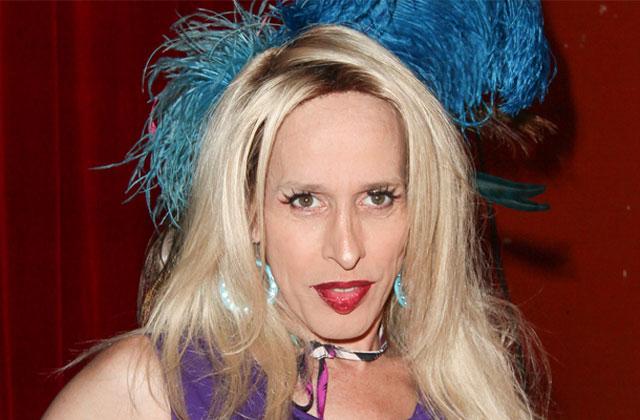
The search for the "alexis arquette last photo remembering the tragic star" reflects a profound public curiosity about the final moments and enduring legacy of a courageous artist. Alexis Arquette was a pioneering transgender actress, activist, and member of Hollywood's famous Arquette acting dynasty who passed away on September 11, 2016, leaving behind a rich cinematic footprint and a fierce commitment to LGBTQ+ visibility.
The Life and Artistic Legacy of Alexis Arquette
Born in Los Angeles, California, on July 28, 1969, Alexis Arquette emerged from a deeply creative family that included siblings Patricia, David, Rosanna, and Richmond Arquette. From an early age, Alexis immersed herself in the arts, crossing boundaries in film, television, and performance art. Before officially transitioning publicly, Arquette gained widespread recognition for memorable supporting and character roles in the late 1980s and 1990s independent and mainstream cinema.
One of Arquette's early breakout moments occurred in the 1989 film Last Exit to Brooklyn, where she portrayed the tragic character Georgette. This performance showcased a raw emotional depth that would become a hallmark of her career. Throughout the 1990s, Arquette cultivated a cult following through diverse roles, including a memorable turn as a boy George impersonator in the Academy Award-winning film The Wedding Singer (1998) and a transvestite club kid in Threesome (1994). She also appeared in Quentin Tarantino’s Pulp Fiction (1994) as the unfortunate roommate emerging from the bathroom, cementing her presence in culturally significant cinema of the decade.
Beyond acting on screen, Arquette was a dynamic stage performer and cabaret artist, frequently performing under the drag persona Eva Destruction. Her transition, which she began documenting publicly in the mid-2000s, was a significant milestone in an era when transgender representation in mainstream media was scarce and frequently subjected to caricature. Arquette used her platform to advocate for authentic representation, challenging Hollywood casting directors and producers to look past narrow stereotypes and embrace diverse talent.
Understanding the Circumstances of Alexis Arquette’s Passing
Alexis Arquette passed away on September 11, 2016, at the age of 47, surrounded by her family at St. Joseph’s Hospital in Los Angeles. The official cause of death was cardiac arrest secondary to myocarditis—an inflammation of the heart muscle—complicating a long battle with HIV, with which she had lived for 29 years. Her family released touching public statements following her passing, highlighting that she died listening to music and surrounded by siblings who supported her creative spirit and advocacy until the end.
The timing of her passing coincided with a period of significant cultural shifts regarding transgender visibility in entertainment. Arquette's family emphasized her bravery not only in living openly as a trans woman in the public eye but also in managing her health status with resilience. Memorial tributes poured in from across the entertainment industry, celebrating her sharp wit, infectious laugh, and uncompromising authenticity. Rather than viewing her passing solely through a tragic lens, many collaborators and loved ones chose to remember her as a warrior who fought tirelessly for her community and paved the way for future generations of queer and trans performers.
| Aspect of Life & Career | Historical Detail | Significance |
|---|---|---|
| Birth and Family | Born July 28, 1969; part of the Arquette acting dynasty. | Provided early immersion in the entertainment industry and creative collaboration. |
| Breakout Roles | Last Exit to Brooklyn (1989), Pulp Fiction (1994), The Wedding Singer (1998). | Established her reputation as a versatile character actress capable of memorable, genre-spanning performances. |
| Transition & Activism | Publicly transitioned in the mid-2000s; advocated for trans representation. | Challenged industry norms and increased visibility for transgender artists in Hollywood. |
| Passing | September 11, 2016, at age 47 in Los Angeles due to cardiac arrest related to HIV. | Sparked widespread tributes celebrating her resilience, artistry, and pioneering spirit. |
The Context Surrounding Public Images and Last Appearances
Public interest in the final photographs or last public appearances of deceased celebrities often stems from a natural human desire for closure and connection. In the digital age, images circulating online are frequently misattributed, taken out of context, or misdated by aggregators seeking web traffic. While paparazzi and public event archives captured Arquette at various industry gatherings and pride events during her later years, her final chapter was characterized more by her private strength and familial bonds than by red-carpet appearances.
During her final years, Arquette's health challenges limited her public appearances, though she remained deeply connected to her artistic community and family. When fans search for final imagery or memorial tributes, they frequently encounter photographs from advocacy events, family gatherings, or retrospective film screenings where Arquette was celebrated for her contributions to independent cinema. Respecting the dignity of the late star involves distinguishing between verified archival records from reputable media outlets and sensationalized online content that often misrepresents private struggles.
Navigating Memorial Culture and Remembering Hollywood Icons
The way fans and historians remember figures like Alexis Arquette has evolved significantly. Online memorials, retrospective film festivals, and archival documentaries serve as primary conduits for keeping a performer's legacy alive. When evaluating content related to celebrity histories, it is essential to rely on verified statements from immediate family members, established entertainment journalism, and official biographical records rather than unverified social media speculation.
For those wishing to honor Arquette's memory, engaging with her body of work remains the most impactful tribute. Re-watching independent gems, supporting LGBTQ+ film foundations, and acknowledging the historical barriers she broke down provide a meaningful framework for understanding her impact. Her journey illustrates the evolution of queer visibility in media and underscores the immense personal courage required to live authentically in the public eye.
Frequently Asked Questions About Alexis Arquette
What were Alexis Arquette’s most famous movie roles?
Alexis Arquette was best known for her diverse supporting roles in independent and mainstream films during the 1980s, 1990s, and 2000s. Some of her most recognized performances include Georgette in Last Exit to Brooklyn (1989), a boy George impersonator in The Wedding Singer (1998), a club kid in Threesome (1994), and a memorable cameo in Quentin Tarantino’s Pulp Fiction (1994).
When and how did Alexis Arquette pass away?
Alexis Arquette passed away on September 11, 2016, at the age of 47 in Los Angeles, California. According to family statements and official records, the cause of death was cardiac arrest caused by myocarditis, stemming from a long-term battle with HIV, which she had managed for nearly three decades.
Was Alexis Arquette related to other famous actors?
Yes, Alexis came from a prominent acting family. She was the sibling of well-known actors Patricia Arquette, David Arquette, Rosanna Arquette, and Richmond Arquette. Her grandfather, Cliff Arquette, was also a well-known television comedian and actor.
How did Alexis Arquette contribute to transgender visibility?
Alexis Arquette was a trailblazing advocate for the transgender community long before mainstream Hollywood embraced authentic trans representation. By living openly, documenting her transition process, and calling out discriminatory casting practices in the entertainment industry, she helped pave the way for greater acceptance and visibility for queer and transgender performers.
Where can verified information about Alexis Arquette’s life be found?
Verified biographical details, career histories, and official statements regarding Alexis Arquette are best sourced from established entertainment industry publications, official family announcements, and archival film databases rather than unverified social media posts or tabloid blogs.
Continuing the Celebration of a Trailblazing Life
To truly honor Alexis Arquette, audiences, researchers, and fans should focus on celebrating her artistic contributions and her fearless authenticity rather than sensationalizing the circumstances of her passing. Exploring her diverse filmography, supporting advocacy organizations dedicated to LGBTQ+ health and representation, and remembering her vibrant spirit ensure that her legacy continues to inspire future generations of artists and activists.