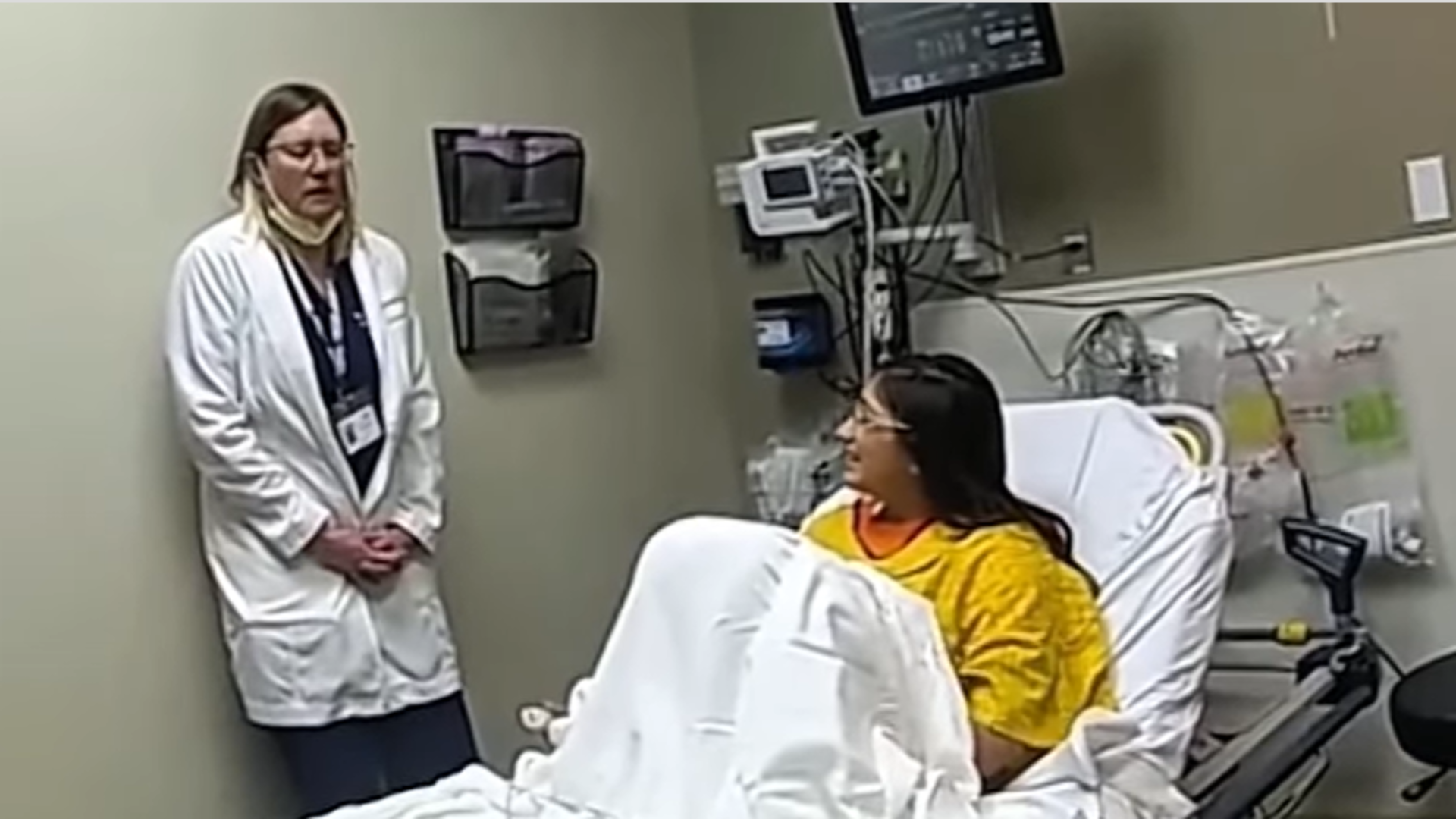
The Alexee Trevizo case involves a high-profile New Mexico criminal prosecution centered on the January 2023 death of a newborn infant at Artesia General Hospital. Nineteen-year-old Alexee Trevizo faces charges of first-degree murder and intentional tampering with evidence after her newborn was discovered unresponsive in a hospital trash receptacle, sparking intense legal battles over medical records, evidentiary admissibility, and civil liability.
Incident Overview and Timeline at Artesia General Hospital
On January 27, 2023, Alexee Trevizo, then a 19-year-old high school student, presented to the emergency room at Artesia General Hospital in Eddy County, New Mexico, citing severe lower back pain. Medical staff performed routine diagnostic tests, including laboratory bloodwork, which revealed a positive pregnancy test result. Before medical staff could inform Trevizo of her pregnancy test results, she entered an emergency department bathroom and remained locked inside for approximately twenty minutes.
While inside the bathroom, Trevizo gave birth to a male infant. According to police records and hospital staff statements, she placed the newborn into a plastic trash liner, tied the bag, and concealed it beneath a fresh trash bag inside the bathroom receptacle. Trevizo subsequently returned to her examination room after cleaning the bathroom counter and floor.
Hospital staff subsequently inspected the bathroom due to the presence of blood. Upon opening the trash can, a member of the housekeeping staff discovered the unresponsive infant inside the sealed plastic bag. Emergency resuscitation attempts by hospital personnel were unsuccessful, and the infant was pronounced dead at the scene.
Timeline of Events (January 27, 2023):
- Emergency Room Intake (Back pain reported)
- Diagnostic Testing (Bloodwork confirms pregnancy)
- Bathroom Entry (Patient locks door for ~20 minutes)
- Infant Delivery & Concealment (Newborn placed in trash liner)
- ER Bathroom Inspection (Staff discovers hidden infant)
- Resuscitation Attempt & Pronouncement of Death
Following an investigation by the Artesia Police Department and the Office of the Medical Investigator (OMI), state authorities formally charged Trevizo in May 2023. The official autopsy report listed the cause of death as asphyxiation and ruled the manner of death a homicide, noting the presence of air in the newborn's lungs, which indicated the infant had taken breath outside the womb.
Criminal Charges and the New Mexico Legal Framework
The State of New Mexico charged Alexee Trevizo with two primary criminal counts under the New Mexico Statutes Annotated (NMSA 1978):
- First-Degree Murder (NMSA 1978, § 30-2-1): Prosecutors charged Trevizo with first-degree willful and deliberate murder, or in the alternative, child abuse resulting in death. Under New Mexico law, first-degree murder requires proof beyond a reasonable doubt that the defendant intentionally caused the death of a human being with deliberate intention.
- Tampering with Evidence (NMSA 1978, § 30-22-5): A third-degree felony alleging that the defendant intentionally destroyed, changed, hid, or placed physical evidence with the intent to prevent the apprehension, prosecution, or conviction of any person.
Legal Standard Note: Criminal proceedings in felony homicides require the prosecution to prove both actus reus (the criminal act) and mens rea (the culpable mental state). The defense strongly contests whether Trevizo harbored the deliberate intent required for a first-degree murder conviction.
The prosecution’s theory rests on medical examiner testimony establishing live birth, asserting that placing an infant inside a sealed plastic bag constitutes a deliberate act designed to cause suffocation and conceal the delivery.
Defense Arguments, Medical Expert Claims, and Evidentiary Motions
The defense strategy, led by criminal defense attorney Gary C. Mitchell, centers on challenging the cause of death, contesting the voluntariness of statements made during hospital care, and evaluating the impact of medications administered by hospital staff prior to the delivery.
1. The Medical Causation Argument
The defense asserts that the newborn was not killed by intentional suffocation, but rather suffered fatal distress or stillbirth caused by pharmaceutical administration. ER staff administered multiple medications to Trevizo prior to knowing her pregnancy status or verifying fetal well-being, including:
- Morphine: A potent opioid analgesic known to cause respiratory depression in fetuses when administered to laboring mothers.
- Phenergan (Promethazine): A sedating antihistamine used to treat nausea, which can exacerbate central nervous system depression.
- Toradol (Ketorolac): A nonsteroidal anti-inflammatory drug (NSAID) contraindicated during late pregnancy due to potential fetal circulatory risks.
Defense medical experts contend that these medications crossed the placental barrier, causing severe hypoxia or fetal impairment prior to birth. Consequently, the defense argues the baby may have lacked the capacity to survive independently of medical intervention.
2. Suppression of Hospital Body-Camera Footage
A central pretrial dispute involved defense motions to suppress body-camera footage recorded by responding Artesia Police Department officers inside the hospital. Officers recorded conversations between Trevizo, her mother, and attending medical personnel inside a private treatment room.
The defense filed motions under the Health Insurance Portability and Accountability Act (HIPAA), state doctor-patient privilege rules, and the Fifth Amendment, arguing that:
- Statements were obtained without proper Miranda warnings while Trevizo was in a vulnerable physical state.
- The recording violated statutory medical privacy protections.
- Police entry into a private hospital treatment room constituted an unreasonable search under the Fourth Amendment.
The court's rulings on evidence admissibility determine which portions of the hospital video footage and recorded admissions can be presented to the jury at trial.
Civil Malpractice Litigation and Hospital Liability
In addition to the criminal proceedings against Trevizo, her legal team initiated civil litigation against Artesia General Hospital and individual medical providers in the Fifth Judicial District Court of Eddy County.
The civil lawsuit alleges medical negligence and wrongful death, contending that emergency department staff breached the standard of care by:
Failing to administer a rapid urine pregnancy test prior to administering narcotics and contraindicated medications to a female patient of childbearing age presenting with abdominal and back pain.
Failing to monitor a high-risk patient who remained isolated in a locked restroom for an extended duration while undergoing an apparent medical crisis.
Improperly disclosing protected health information (PHI) to law enforcement personnel in violation of federal and state privacy statutes.
Artesia General Hospital ER Intake
- Pain Medications Administered (Morphine, Phenergan, Toradol)
- Blood Pregnancy Test Ordered (Results delayed/unverified)
Patient Enters Restroom Unmonitored
Unassisted Delivery & Concealment
The civil action seeks compensatory damages for emotional distress, medical malpractice, and failure to provide an adequate standard of emergency medical care. The outcome of the civil proceedings remains distinct from the criminal prosecution, as civil cases operate under a lower burden of proof (preponderance of the evidence) compared to criminal trials (beyond a reasonable doubt).
Legal and Evidentiary Comparison
The following table summarizes the legal elements, burdens of proof, and key evidence across the criminal and civil tracks stemming from the incident:
| Proceeding Type | Forum / Court | Key Parties | Primary Legal Issue | Standard of Proof | Critical Evidence |
|---|---|---|---|---|---|
| Criminal Prosecution | 5th Judicial District Court (Eddy County, NM) | State of New Mexico vs. Alexee Trevizo | First-degree murder; intentional tampering with evidence | Beyond a reasonable doubt | Autopsy report (OMI), police body-cam footage, hospital trash receptacle evidence |
| Civil Malpractice | 5th Judicial District Court (Eddy County, NM) | Trevizo Family vs. Artesia General Hospital | Medical negligence, improper drug administration, HIPAA violation | Preponderance of the evidence | ER triage records, medication administration logs, hospital protocol guidelines |
| Evidentiary Motion | Pretrial Hearing Bench Rulings | Defense Counsel vs. District Attorney | Suppression of medical privacy statements and hospital video | Legal admissibility rules / Constitutional law | Statutory physician-patient privilege (NM Rules of Evidence 11-504) |
Statutory Context: New Mexico Safe Haven Act
The Trevizo case renewed national attention on state "Safe Haven" legislation designed to prevent infant abandonment. Under the New Mexico Safe Haven Act (NMSA 1978, § 24-22-1 et seq.):
- A parent may surrender an infant up to 90 days old to staff at a hospital, fire station, or designated emergency care facility without fear of criminal prosecution.
- The surrendering parent is not required to provide personal identification or state their name, provided the infant shows no signs of intentional abuse or neglect prior to surrender.
- Healthcare facilities are required to accept physical custody of the infant immediately and provide necessary medical care.
Legislation and public safety advocates highlight that while Artesia General Hospital was a legally designated Safe Haven site, the protections of the Safe Haven Act require delivering the infant directly to facility staff rather than concealing or abandoning the newborn in an unmonitored location.
Frequently Asked Questions
What are the main charges facing Alexee Trevizo?
Alexee Trevizo was charged in Eddy County, New Mexico, with first-degree murder (NMSA 1978, § 30-2-1) or, in the alternative, child abuse resulting in death, along with one count of intentional tampering with evidence (NMSA 1978, § 30-22-5).
What cause of death was determined by the medical examiner?
The New Mexico Office of the Medical Investigator (OMI) conducted an autopsy and determined the cause of death was asphyxiation, classifying the manner of death as a homicide. The report noted the presence of oxygen in the newborn's lungs, indicating live birth.
What is the primary defense argument in the criminal case?
The defense argues that the newborn was not intentionally killed, alleging that pain medications—including morphine and phenergan—administered to Trevizo by hospital staff before verifying her pregnancy compromised the infant's respiratory capacity and contributed to fetal distress or stillbirth.
Why did the defense move to suppress police body-camera footage?
Defense counsel filed motions to exclude the body-camera video recorded inside the hospital, claiming officers violated Trevizo's Fourth Amendment rights, Fifth Amendment rights against self-incrimination (lacking Miranda warnings), and doctor-patient confidentiality protections under state evidence rules and federal HIPAA regulations.
How does New Mexico's Safe Haven law apply to hospital births?
The New Mexico Safe Haven Act allows individuals to relinquish unharmed infants up to 90 days old at designated emergency facilities, such as hospitals or fire stations, without facing prosecution. However, immunity applies only when an infant is directly surrendered to facility personnel, rather than concealed or abandoned.
Guidance for Tracking Official Court Proceedings
For legal researchers, media analysts, and public observers monitoring updates on the Alexee Trevizo criminal and civil cases:
- Access Official Court Dockets: Public case summaries, hearing dates, and motion filings for the Fifth Judicial District Court of New Mexico can be verified through the New Mexico Courts Case Lookup System.
- Review Published Statutory Codes: Reference NMSA 1978 Compilation for exact statutory language governing first-degree murder (§ 30-2-1), tampering with evidence (§ 30-22-5), and physician-patient privilege rules (Rule 11-504 NMRA).
- Distinguish Verified Records from Speculation: Rely on formal court filings, official autopsy documentation, and judge orders rather than unverified social media commentary when evaluating evidentiary developments.
Disclaimer: This article is provided for informational and educational purposes only and does not constitute formal legal advice, medical analysis, or formal representation. Legal standards and case statuses are subject to court rulings and statutory updates.