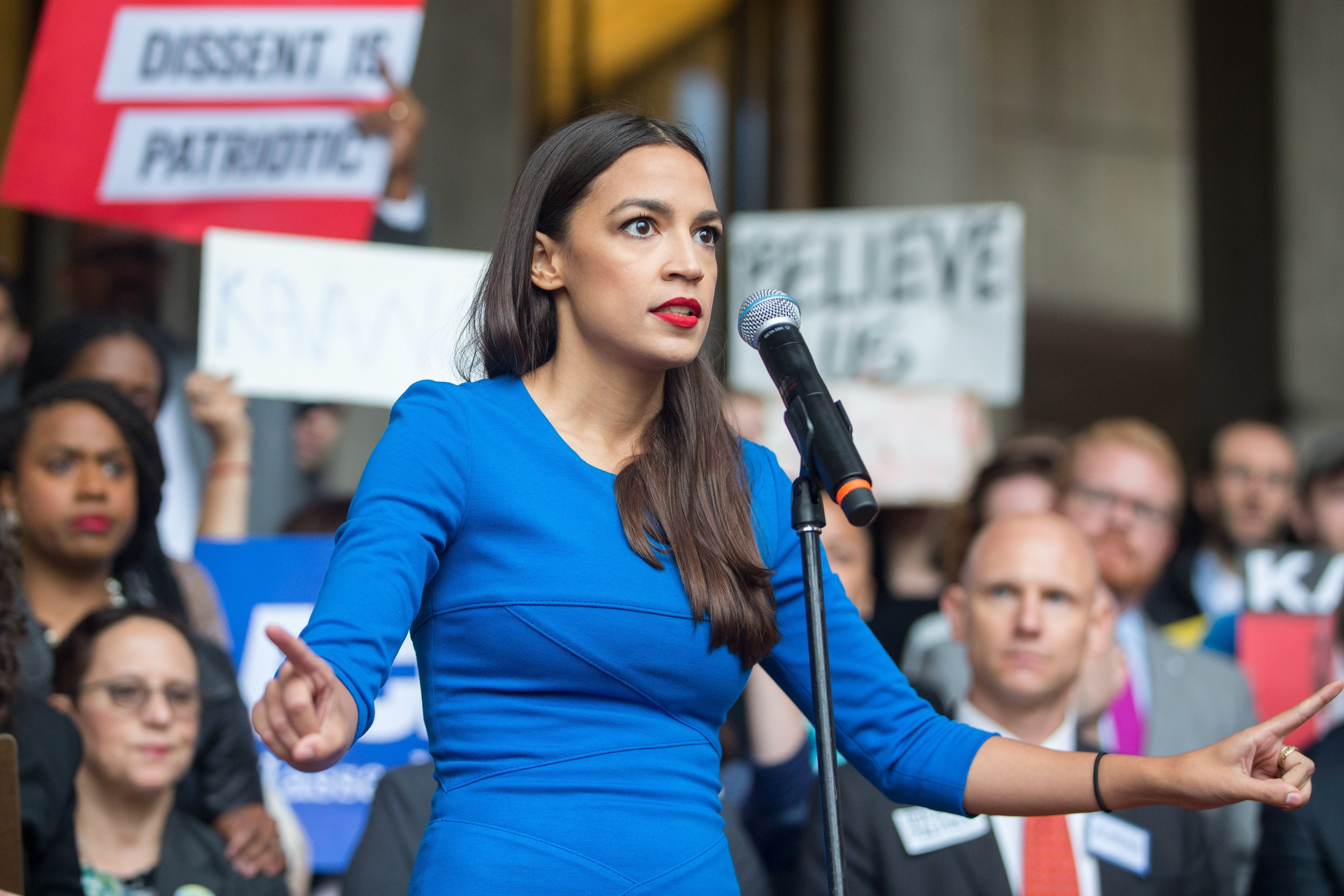
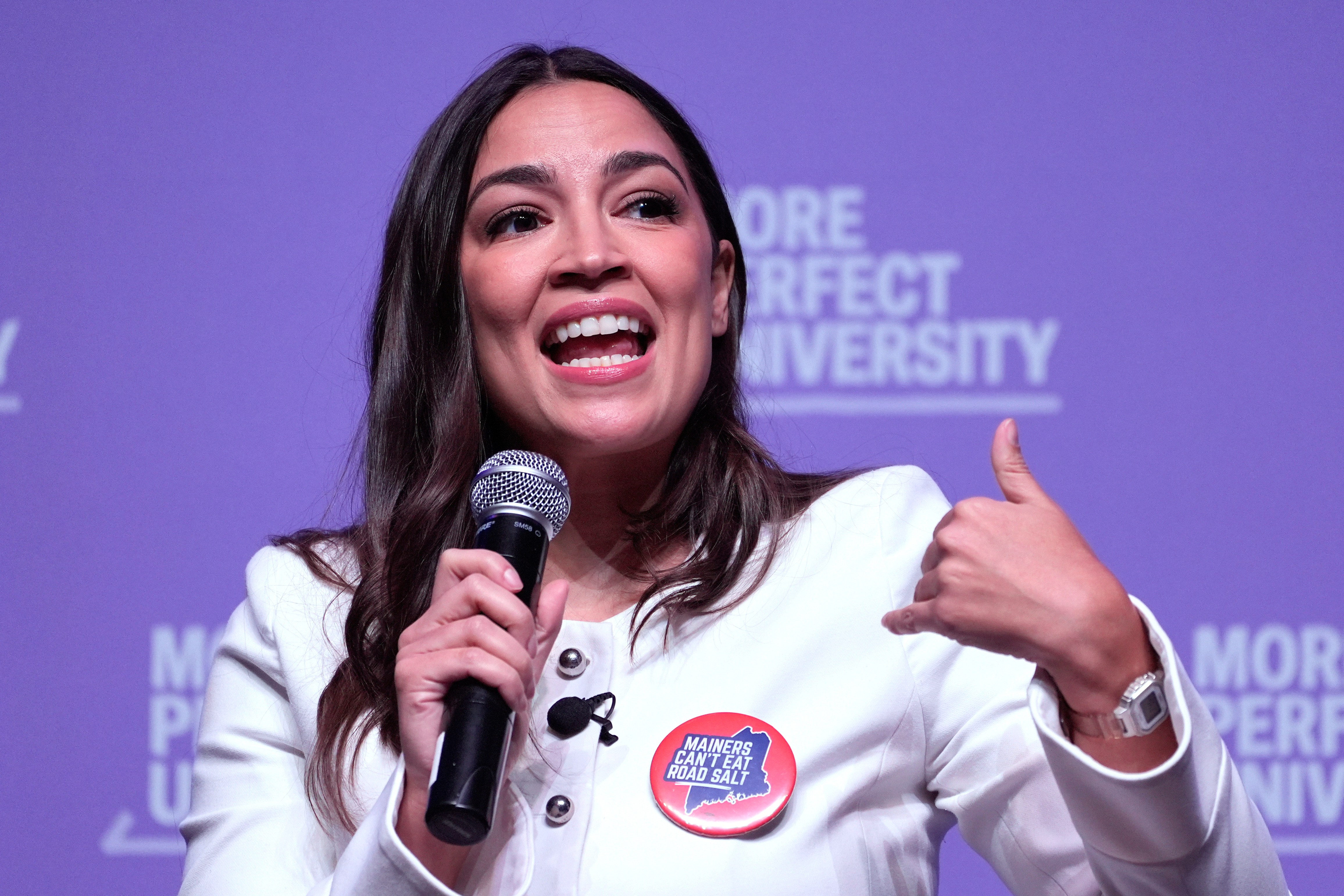
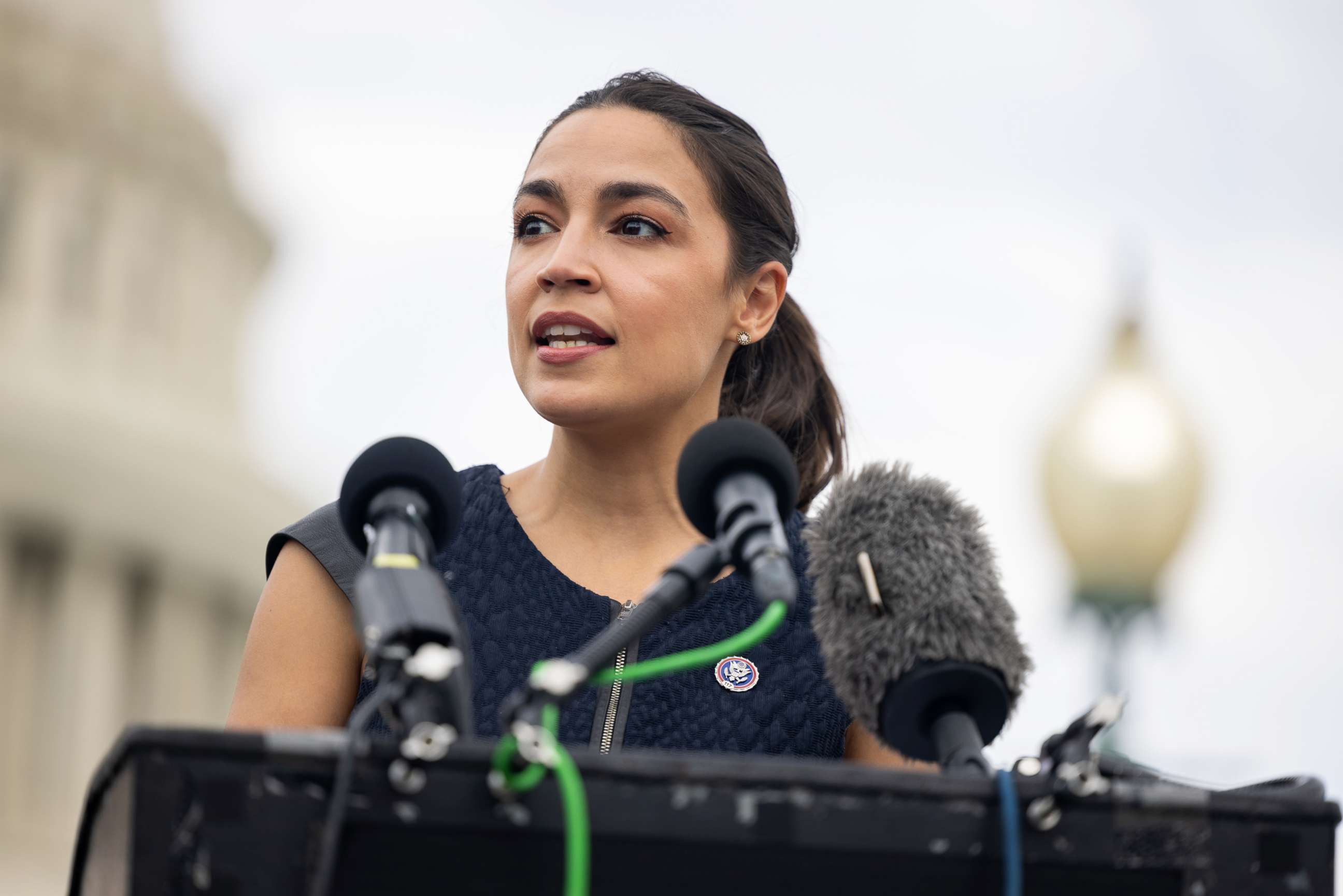
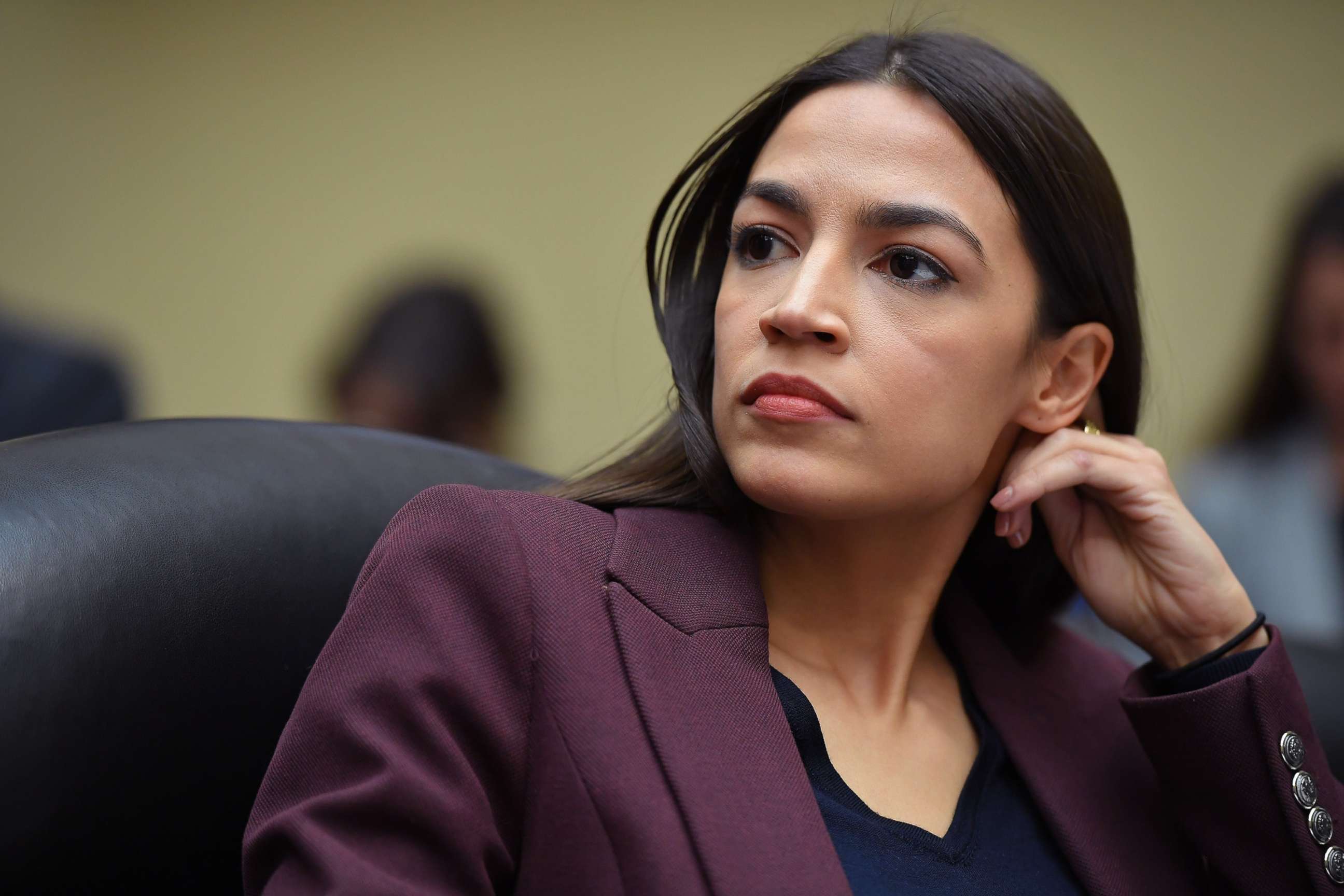
Alexandria Ocasio-Cortez is an American politician, political activist, and member of the U.S. House of Representatives representing New York's 14th congressional district. First elected in 2018, she became the youngest woman ever to serve in the United States Congress. As a leading voice of the Democratic Party's progressive wing, her political work focuses on climate action, economic inequality, healthcare reform, and labor rights.
Early Life, Education, and Career Beginnings
Alexandria Ocasio-Cortez was born on October 13, 1989, in the Bronx, New York City, to a Puerto Rican family. She spent her early childhood in the Parkchester neighborhood of the Bronx before her family relocated to Yorktown Heights in Westchester County, New York, to access public educational opportunities. During her high school years at Yorktown High School, she demonstrated a strong aptitude for scientific research, earning second place in the Microbiology category at the 2007 Intel International Science and Engineering Fair with a project on the anti-aging effects of antioxidants on Caenorhabditis elegans.
She enrolled at Boston University, pursuing a double major in international relations and economics. During her college years, she served as an intern in the foreign affairs office of U.S. Senator Ted Kennedy, gaining early exposure to federal policy work, immigration casework, and constituent advocacy. In 2011, Ocasio-Cortez graduated cum laude with a Bachelor of Arts degree. Shortly after her graduation, her father passed away from lung cancer, creating significant financial strain for her family.
To help prevent the foreclosure of her family’s home in Parkchester, Ocasio-Cortez returned to New York City and worked multiple jobs in the service industry, primarily as a bartender and waitress in Manhattan. Alongside her service work, she pursued entrepreneurial and educational projects. She established Brook Avenue Press, a publishing imprint focused on positive depictions of urban youth, and worked as an educational strategist with the National Hispanic Institute, mentoring young Latino leaders in civic engagement and community organization.
Before seeking public office, Ocasio-Cortez deepened her involvement in political activism. In 2016, she worked as an organizer for Senator Bernie Sanders’s presidential primary campaign. Later that year, she traveled across the United States to join Indigenous-led protests against the construction of the Dakota Access Pipeline at the Standing Rock Indian Reservation in North Dakota. This grassroots activism served as a major catalyst for her decision to pursue direct legislative representation.
The 2018 Primary Upset and Entry into Congress
In 2017, the political advocacy group Brand New Congress recruited Ocasio-Cortez to challenge incumbent Democratic Congressman Joe Crowley in the primary election for New York's 14th congressional district, which encompasses parts of the eastern Bronx and north-central Queens. Crowley had held office since 1999 and served as the Democratic Caucus Chairman, making him the fourth-ranking Democrat in the House of Representatives.
Ocasio-Cortez mounted a low-budget, grassroots primary campaign that relied on door-to-door canvassing, small-dollar individual contributions, and digital media outreach. Her campaign platform emphasized democratic socialism, universal single-payer healthcare, tuition-free public college, guaranteed employment programs, and the abolition of U.S. Immigration and Customs Enforcement (ICE). She refused corporate political action committee (PAC) donations, emphasizing her reliance on community funding.
On June 26, 2018, Ocasio-Cortez achieved one of the most widely reported political upsets in modern American legislative history, defeating Crowley with 57.1% of the primary vote. Because the 14th district is historically safe for the Democratic Party, her primary victory virtually ensured her election to Congress. In the general election on November 6, 2018, she defeated Republican candidate Anthony Pappas, capturing over 78% of the vote. Sworn into office on January 3, 2019, at age 29, she officially became the youngest woman ever sworn into the U.S. House of Representatives.
Key Policy Positions and Legislative Initiatives
As a member of Congress, Ocasio-Cortez has focused on systemic economic, environmental, and institutional reforms. Her legislative agenda reflects a structural approach to policy, advocating for federal interventions to address income disparities, resource access, and institutional transparency.
The Green New Deal and Environmental Policy
In February 2019, alongside Senator Ed Markey of Massachusetts, Ocasio-Cortez introduced House Resolution 109, commonly known as the Green New Deal resolution. The non-binding resolution outlines a 10-year national mobilization plan designed to achieve net-zero greenhouse gas emissions while simultaneously addressing socioeconomic inequality.
The Green New Deal framework focuses on several core targets:
- Transitioning 100% of U.S. power generation to clean, renewable energy sources.
- Upgrading infrastructure, transport systems, and residential buildings to meet high efficiency standards.
- Investing heavily in domestic green technology manufacturing and sustainable agriculture.
- Guaranteeing job creation with prevailing wages, comprehensive benefits, and strong labor union protections for affected workers and communities.
While the resolution faced strong opposition from conservative lawmakers and moderate Democrats concerned with its scope and projected fiscal costs, it fundamentally altered the baseline debate over American federal climate policy. Elements of the Green New Deal's framework subsequently influenced legislative negotiations surrounding major infrastructure spending bills and clean energy tax credits in subsequent congressional sessions.
Social and Economic Policy Proposals
Beyond environmental legislation, Ocasio-Cortez advocates for sweeping updates to federal economic policy and civil rights frameworks:
- Healthcare: She is a co-sponsor of the Medicare for All Act, which seeks to establish a universal single-payer healthcare program in the United States, eliminating private health insurance premiums, deductibles, and co-pays in favor of a publicly funded system.
- Housing: She supports major federal investments in public housing infrastructure, arguing that clean, safe, and affordable housing should be treated as a basic civil right. She has sponsored legislation to repeal the Faircloth Amendment, which limits the expansion of federal public housing units.
- Worker Rights and Fair Compensation: Ocasio-Cortez regularly sponsors legislation to raise the federal minimum wage to $15 per hour or higher, index it to inflation, and expand federal protections for collective bargaining under the National Labor Relations Act.
- Immigration Reform: Representing a district with a high percentage of immigrant families, she supports comprehensive immigration policy reform, pathways to citizenship for undocumented residents, and strict oversight or restructuring of federal immigration enforcement agencies.
Congressional Assignments, Caucus Leadership, and Governance
Throughout her tenure in the House of Representatives, Ocasio-Cortez has utilized committee hearings as primary platforms for legislative oversight and institutional inquiry.
Committee Assignments
During her congressional career, Ocasio-Cortez has served on key House committees, including:
- Committee on Oversight and Accountability: On this committee, she gained national attention for her sharp, structured questioning of witness testimonies regarding campaign spending, government ethics, corporate tax compliance, and public administration transparency. In early 2023, she was named Vice Ranking Member of the full committee.
- Committee on Financial Services: Serving on this committee during her early terms, she focused on financial regulation, predatory lending practices, systemic risks in banking, consumer financial protections, and federal housing policies.
Democratic Socialists of America and Caucus Affiliations
Ocasio-Cortez is a member of the Democratic Socialists of America (DSA) and maintains formal affiliation with the Congressional Progressive Caucus. She is also recognized as an inaugural member of "The Squad," an informal group of progressive federal lawmakers who entered Congress together in the 2018 midterm elections. The group expanded in subsequent elections and has consistently coordinated legislative strategies to push the Democratic leadership toward bolder policy positions on social, environmental, and economic issues.
Campaign Finance, Media Strategy, and Public Engagement
Ocasio-Cortez operates one of the most visible digital communications platforms in American public life. Her approach to constituent communication and political campaigning relies heavily on modern social media channels, direct video streaming, and decentralized fundraising models.
Unlike many federal lawmakers who rely on high-dollar political action committees, corporate lobbying entities, or fundraising events with executive donors, Ocasio-Cortez funds her political campaign committees primarily through small-dollar, individual donations. Her campaign organization has consistently raised millions of dollars per election cycle with an average donation size of under $20.
Her public communication strategy frequently involves explaining complex legislative procedures, committee hearings, and budget negotiations directly to constituents via digital platforms. This unmediated communication style has allowed her to build direct national influence while maintaining structural support in her home district.
Comparison: Key Legislative Priorities vs. Enacted Standards
To better understand her policy focus within the broader legislative framework of the U.S. Congress, the table below compares major proposals advocated by Ocasio-Cortez against traditional or existing federal standards.
| Policy Domain | Ocasio-Cortez Proposal / Framework | Pre-Existing / Baseline Federal Standard | Primary Legislative Mechanism |
|---|---|---|---|
| Climate Action | Green New Deal: 10-year decarbonization plan with guaranteed green jobs and universal public investment. | Incremental emissions rules, voluntary corporate targets, and targeted clean energy tax credits. | House Resolution 109 / Specific Climate Mobilization Acts |
| Healthcare | Medicare for All: Universal single-payer coverage eliminating private insurance premiums and out-of-pocket costs. | Mixed public-private framework established under the Affordable Care Act (ACA) with private employer coverage. | Medicare for All Act (H.R. 3421) |
| Federal Minimum Wage | Minimum $15/hour or higher, indexed automatically to regional inflation trends. | Statutory $7.25/hour federal minimum wage (unadjusted since 2009). | Raise the Wage Act |
| Public Higher Education | Complete elimination of tuition at public colleges and universities; full cancellation of existing student debt. | Income-driven repayment plans, Public Service Loan Forgiveness (PSLF), and targeted federal Pell Grants. | Student Debt Cancellation & College for All Acts |
| Federal Housing Policy | Repeal of the Faircloth Amendment to expand public housing supply and fund direct green retrofits. | Cap on public housing construction; reliance on Section 8 vouchers and private Low-Income Housing Tax Credits (LIHTC). | Green New Deal for Public Housing Act |
Frequently Asked Questions
What district does Alexandria Ocasio-Cortez represent?
Alexandria Ocasio-Cortez represents New York's 14th congressional district. The district includes portions of the eastern Bronx and north-central Queens, covering communities such as Parkchester, Astoria, Jackson Heights, College Point, and Corona.
How did Alexandria Ocasio-Cortez win her first election in 2018?
She won her first election by mounting a grassroots primary campaign against 10-term Democratic incumbent Joe Crowley. By focusing on low-dollar individual donations, extensive door-to-door canvassing, and progressive policy positions, she defeated Crowley in the Democratic primary on June 26, 2018, before winning the general election that November.
What is the primary objective of the Green New Deal?
The Green New Deal resolution aims to transition the U.S. economy to 100% clean and renewable energy within a ten-year period while addressing economic inequality. It pairs environmental goals with social safety net expansions, such as job guarantees, living wages, and investments in public infrastructure.
What house committees has Ocasio-Cortez served on?
Ocasio-Cortez has served prominently on the House Committee on Oversight and Accountability (where she has served as Vice Ranking Member) and the House Committee on Financial Services.
Is Alexandria Ocasio-Cortez affiliated with any political organization outside the Democratic Party?
While she runs for office and serves in Congress as a member of the Democratic Party, Ocasio-Cortez is also a member of the Democratic Socialists of America (DSA), a non-party political organization advocating for democratic socialist policies.
Navigating Information on Congressional Representatives
When researching federal lawmakers, legislative records, or policy positions, relying on verified public records ensures accurate analysis. Readers interested in following active federal legislative work can take the following direct actions:
- Review Official Voting Records: Consult official legislative databases such as Congress.gov to track bill sponsorships, co-sponsorships, committee amendments, and roll-call votes for specific representatives.
- Examine Financial Disclosures: Review campaign finance data and personal financial disclosures filed with the Federal Election Commission (FEC) to analyze campaign revenue sources, expenditure distributions, and donor profiles.
- Monitor Committee Proceedings: Watch archived video recordings and read official transcripts of congressional committee hearings on the official website of the U.S. House of Representatives to observe lawmaker inquiries and executive branch oversight in real time.