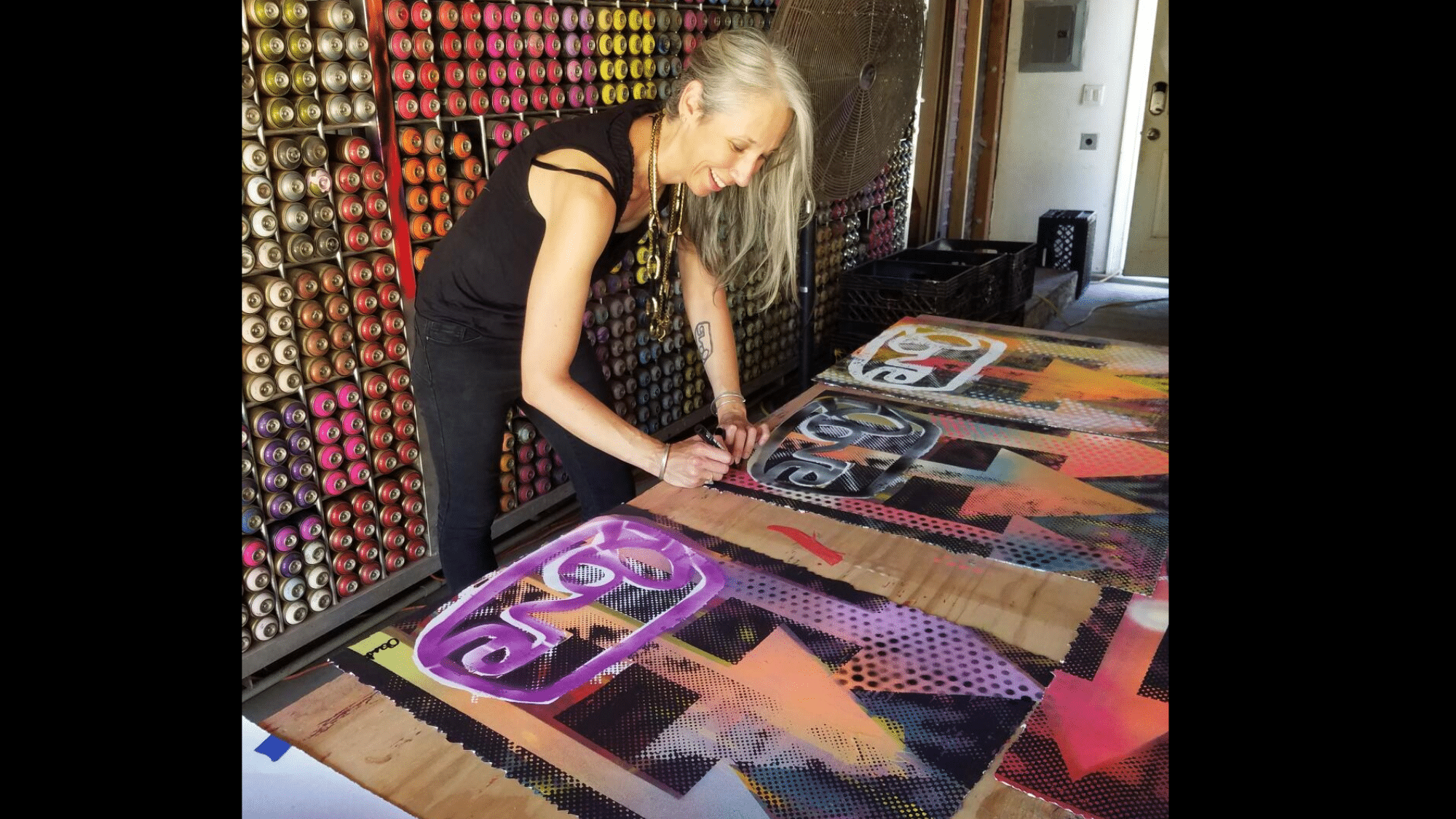
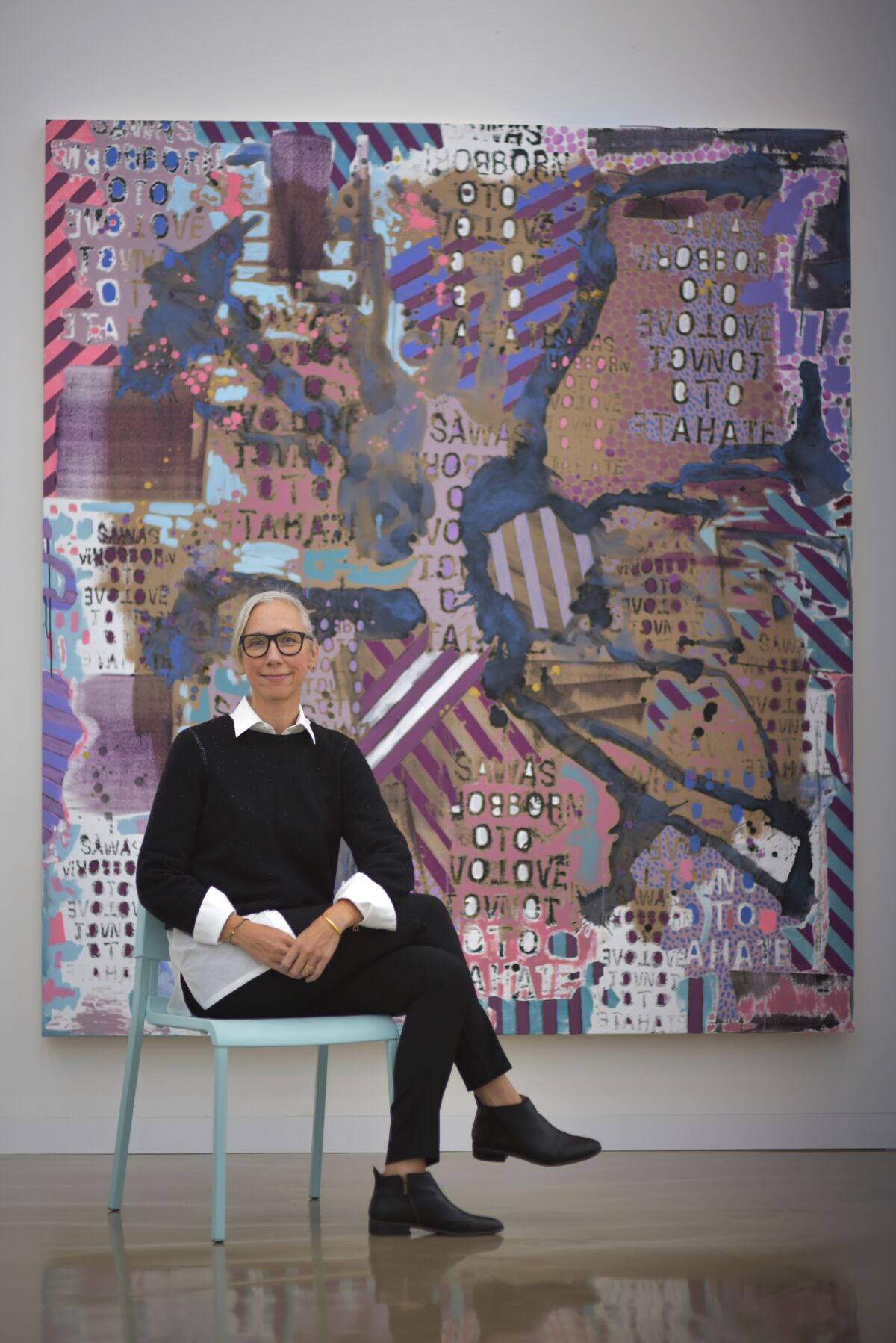
Alexandra Grant is an American visual artist renowned for bridging literary theory, linguistics, and fine art. By translating written text into vivid paintings, sculptures, drawings, and multimedia installations, Grant creates a distinct visual language that explores how thought, language, and body interact. Her multidisciplinary approach provides profound creative inspiration for artists, designers, and art enthusiasts worldwide.
The Artistic Identity of Alexandra Grant: The Intersection of Text and Visual Art
Alexandra Grant has built a celebrated body of work around the physical and conceptual transformation of text. Rather than treating written language purely as a tool for communication, Grant approaches words as raw material—sculptural, fluid, and layered with open-ended meaning. Her work examines how ideas move from written pages into visual form, questioning the boundaries between reading an image and viewing a text.
Grant’s career is marked by long-standing engagements with literature, philosophy, and poetry. She frequently collaborates with writers, theorists, and creators, incorporating texts by literary figures such as Hélène Cixous, Pablo Neruda, and Sophocles, as well as contemporary collaborators. Through her paintings and large-scale installations, written passages are repeated, mirrored, inverted, and abstracted until they form dense visual topographies.
This integration of linguistics and art offers a fresh model for visual storytelling. By pushing language past its literal interpretation into the realm of abstract gesture, Grant demonstrates that ideas are not static; they evolve depending on the medium, color scale, scale, and spatial context in which they are experienced.
Key Mediums and Visual Elements in Grant's Oeuvre
Grant’s artistic output spans multiple mediums, each selected to highlight different facets of text, form, and texture. Understanding these mediums reveals how her visual strategies create distinct sensory experiences.
- Text & Literary Source
- Visual Transformation
- Textural Painting
- Layered acrylic/oil
- Mirrored typography
- High-contrast color
- Spatial & Sculpture
- Neon light tubing
- Cast bronze & wood
- Photographic shadow
- Textural Painting
- Visual Transformation
1. Large-Scale Textual Paintings
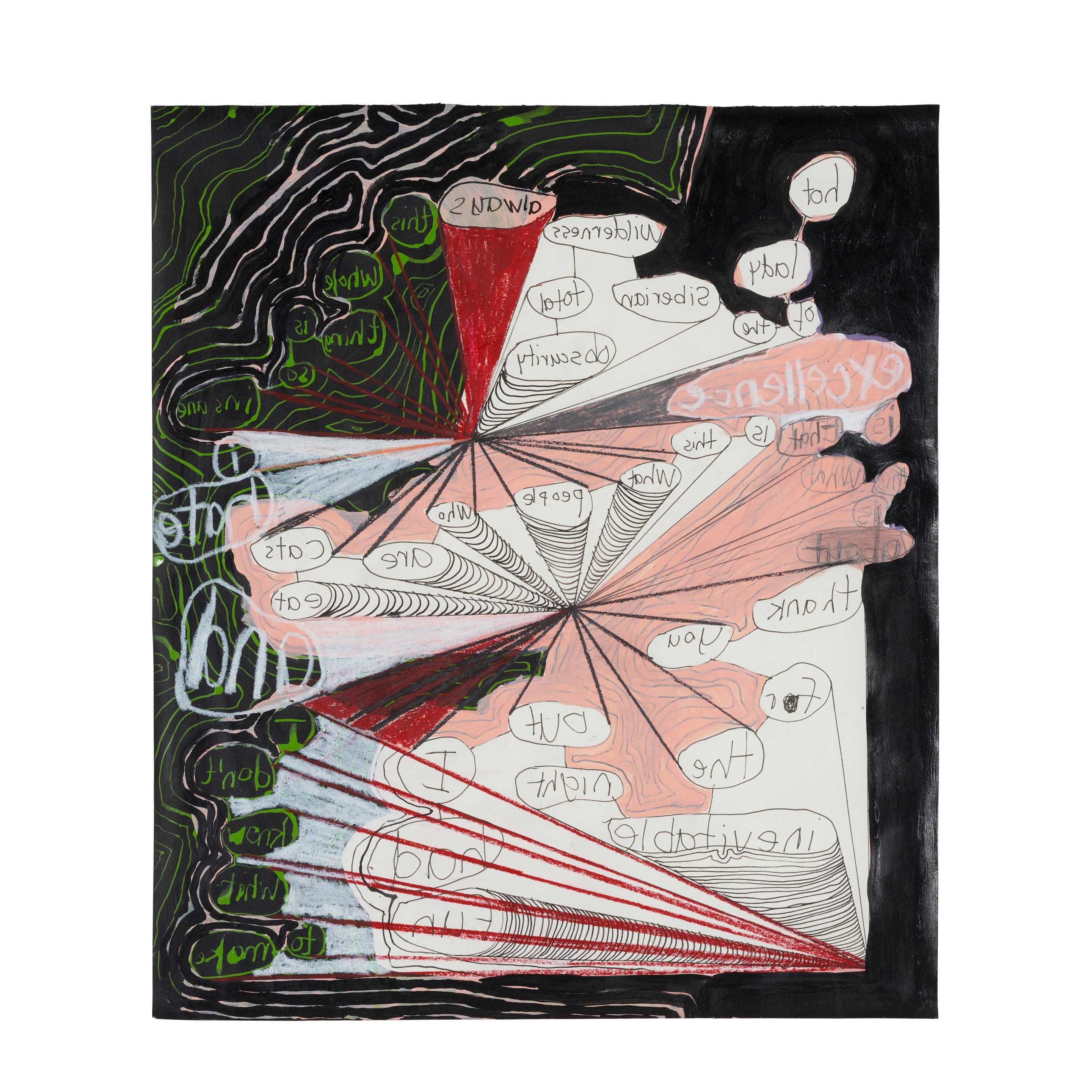
Grant’s paintings frequently feature dense, calligraphic compositions where words are layered in acrylic, oil, and gouache. She often reverses or mirrors text, forcing viewers to slow down their reading process and engage visually with the shapes of letters before resolving their literal meanings. The interaction between saturated color palettes and sharp line work gives her canvases a dynamic sense of rhythm.
2. Neon and Spatial Light Sculptures
Translating script into physical light, Grant’s neon installations turn phrases into glowing, architectural structures. The vibrant neon tubing projects words into three-dimensional space, casting colored ambient light onto surrounding walls and viewers. This shift from canvas to sculpture emphasizes the physical presence of language.
3. Photography and Shadow Play
In works exploring body movement and shadow, Grant uses photography to capture the ephemeral nature of form. By photographing shadows cast by bodies or objects, she creates silhouetted landscapes that blur the distinction between physical presence and absence, adding a meditative dimension to her portfolio.
4. Works on Paper and Printmaking
Grant utilizes drawing, rubbings, and traditional printmaking techniques to experiment with scale and mark-making. Her paper works often serve as tactile laboratories where phrases are repeated until the written word breaks down into pure line, tone, and texture.
Major Series and Collaborative Projects
Throughout her career, Alexandra Grant has engaged in major series and collaborative ventures that define her aesthetic and philosophical outlook.
Antigone 3000
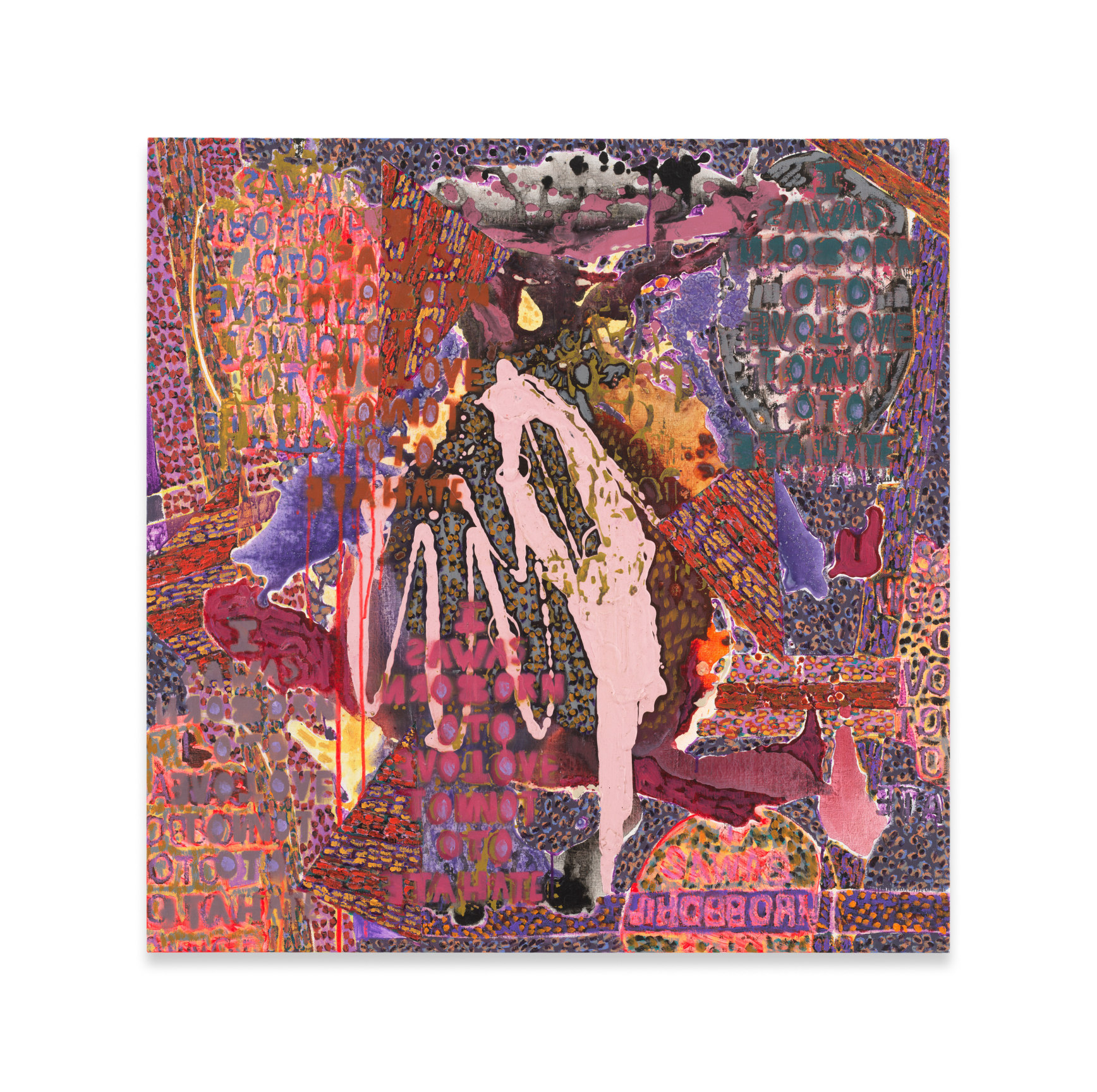
In her celebrated Antigone 3000 series, Grant draws upon the ancient Greek myth of Antigone, specifically her courageous declaration to face state authority: "I was born to love, not to hate." Grant repeats and abstracts this phrase across massive, highly textured canvases using vivid neon blues, intense pinks, and deep blacks. The series explores political resistance, empathy, and moral courage, translating ancient tragic theater into contemporary visual abstraction.
Ode to Happiness and Shadows
Grant’s collaboration with actor and writer Keanu Reeves produced two notable artists' books: Ode to Happiness (2011) and Shadows (2016).
- Ode to Happiness: Features Grant’s fluid ink wash drawings alongside Reeves’s humorous text, reinventing the traditional artists' book format with subtle, expressive watercolor tones.
- Shadows: Focuses on a series of photographic images taken by Grant of Reeves's shadow. Grant manipulated scale, contrast, and color to transform temporary shadows into permanent visual studies on memory, silhouette, and movement.
X Artists' Books (XAB)
Co-founded in 2017 by Alexandra Grant, Keanu Reeves, and Jessica Fleischmann, X Artists' Books is a small-press publisher dedicated to producing artist-centered, collaborative books. The press emphasizes unusual formats, high-quality printing, and interdisciplinary storytelling, serving as a platform for conceptual art projects that exist outside traditional gallery walls.
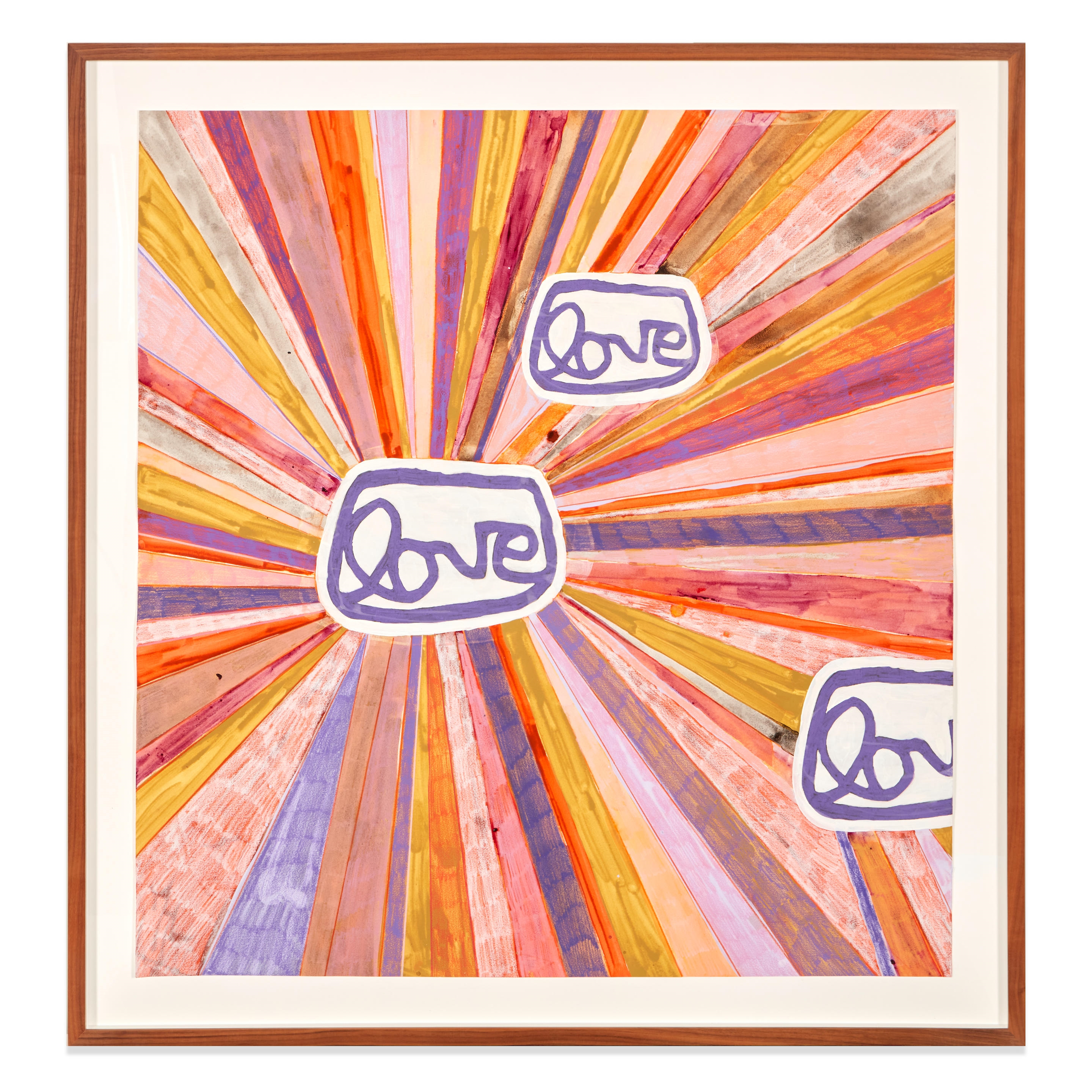
The grantLOVE Project
Founded as a philanthropic initiative, the grantLOVE project produces prints, sculptures, and jewelry featuring Grant’s signature "LOVE" motif. Proceeds support arts non-profits, creative educational programs, and small artist-run spaces, demonstrating how artistic iconography can be channeled directly into civic support and community engagement.
Comparative Analysis of Grant’s Core Mediums and Visual Techniques
To understand how Grant’s techniques achieve different conceptual goals, the following table compares her primary visual approaches:
| Medium / Project | Core Visual Characteristics | Underlying Conceptual Theme | Primary Creative Application |
|---|---|---|---|
| Layered Text Paintings (Antigone 3000) | Dense typography, high-contrast acrylics, mirrored/reversed lettering | Language as physical form; resistance and empathy | Large-scale gallery installations, thematic studio painting |
| Neon Light Sculptures | Glowing gas tubing, wall projections, vivid spatial illumination | Words as physical, ambient light; spatial presence | Site-specific architectural installations |
| Photographic Studies (Shadows) | High-contrast silhouettes, muted monochrome tone curves | Absence, memory, and fluid bodily movement | Published artists' books, photography exhibitions |
| Collaborative Pressing (X Artists' Books) | Tactile binding, bespoke typography, mixed media layouts | Democratic dissemination of conceptual art | Bookmaking, interdisciplinary publishing |
| Philanthropic Art (grantLOVE) | Bold graphic iconography, bright primary/secondary palettes | Art as civic engagement and community funding | Printmaking, wearable art, public fundraising |
How Alexandra Grant's Process Sparks Creative Inspiration for Contemporary Artists
Grant’s methodology offers valuable lessons for fine artists, graphic designers, writers, and creative directors looking to deepen their creative output.
- Linguistic Text Input
- Deconstruct & Mirror Script
- Layering Color & Texture
- Final Visual Synthesis
1. Deconstructing Text into Pure Abstraction
Artists often feel constrained by narrative clarity. Grant shows how written material can be disassembled. By taking a single phrase, repeating it, turning it upside down, or layering it until it becomes unreadable, artists can convert cognitive ideas into intuitive visual gestures.
2. Embracing Cross-Disciplinary Collaboration
Rather than working in isolation, Grant consistently invites poets, philosophers, actors, and designers into her visual universe. This collaborative spirit expands the scope of her art, illustrating that creative breakthroughs frequently occur at the intersection of different artistic disciplines.
3. Transforming Conceptual Ideas Across Multiple Formats
A single thematic focus in Grant’s studio can manifest as an oil painting, a neon sign, a fine-art book, or a photographic print. Artists can learn from this open system, testing a central idea across multiple media to uncover unexpected visual possibilities.
Practical Takeaways: Translating Grant's Aesthetic Principles into Your Own Practice
If you are seeking to incorporate Grant’s principles of text, texture, and collaboration into your creative work, apply these practical strategies:
- Select a Core Textual Source: Choose a poem, quote, or personal narrative fragment that carries strong emotional or philosophical weight.
- Experiment with Spatial Manipulation: Write out your selected text using mirror writing, overlapping lines, or dramatic scale changes to shift the focus from textual reading to visual viewing.
- Build Visual Depth Through Layering: Apply translucent glazes, acrylic washes, or mixed media textures over your lettering. Allow underlying layers to bleed through, creating a sense of history and depth.
- Incorporate Light and Shadow: Test how your compositions react to varying light sources. Experiment with projection, high-contrast photography, or reflective materials to bring flat works into 3D space.
- Form Collaborative Partnerships: Partner with creators outside your primary discipline—such as writers, musicians, or printmakers—to co-create work that neither party could build alone.
Frequently Asked Questions
What is the primary focus of Alexandra Grant's visual art?
Alexandra Grant’s work primarily focuses on the relationship between language, visual art, and literature. She translates written text into paintings, drawings, sculptures, and photographs, exploring how spoken and written words function as visual forms.
Which literature and writers inspire Alexandra Grant's artwork?
Grant frequently draws inspiration from classical literature, feminist theory, and contemporary poetry. She has incorporated texts by Sophocles, Hélène Cixous, Pablo Neruda, and hyper-text author Michael Joyce into her visual compositions.
What is X Artists' Books, and what is Grant's role in it?
X Artists' Books (XAB) is a small-press publisher co-founded by Alexandra Grant, Keanu Reeves, and Jessica Fleischmann in 2017. Grant serves as an editor and director, focusing on publishing collaborative, artist-led books that challenge conventional publishing formats.
How does Grant use typography and lettering in her paintings?
Grant uses typography not just as signage, but as abstract visual line and texture. She frequently mirrors, reverses, scales up, or heavily layers text using acrylics and oils, encouraging viewers to appreciate the geometric and organic forms of letters before reading the words.
What is the grantLOVE project?
The grantLOVE project is an artistic philanthropic initiative established by Alexandra Grant. It generates and sells artwork, prints, and jewelry featuring her original "LOVE" design, raising funds to support creative non-profit organizations, art educational efforts, and community projects.
Elevating Your Creative Workflow Through Conceptual Art Techniques
To turn inspiration from Alexandra Grant's art into tangible results, start by selecting one textual concept and executing a structured studio study over a seven-day period. Begin by selecting a short, meaningful phrase, then create three distinct iterations: a monochromatic paper drawing exploring mirror script, a multi-layered acrylic canvas emphasizing color contrast, and a high-contrast photographic study using shadow cast across written text. Documenting how the underlying text transforms across these different formats will sharpen your conceptual execution and expand your visual technique.