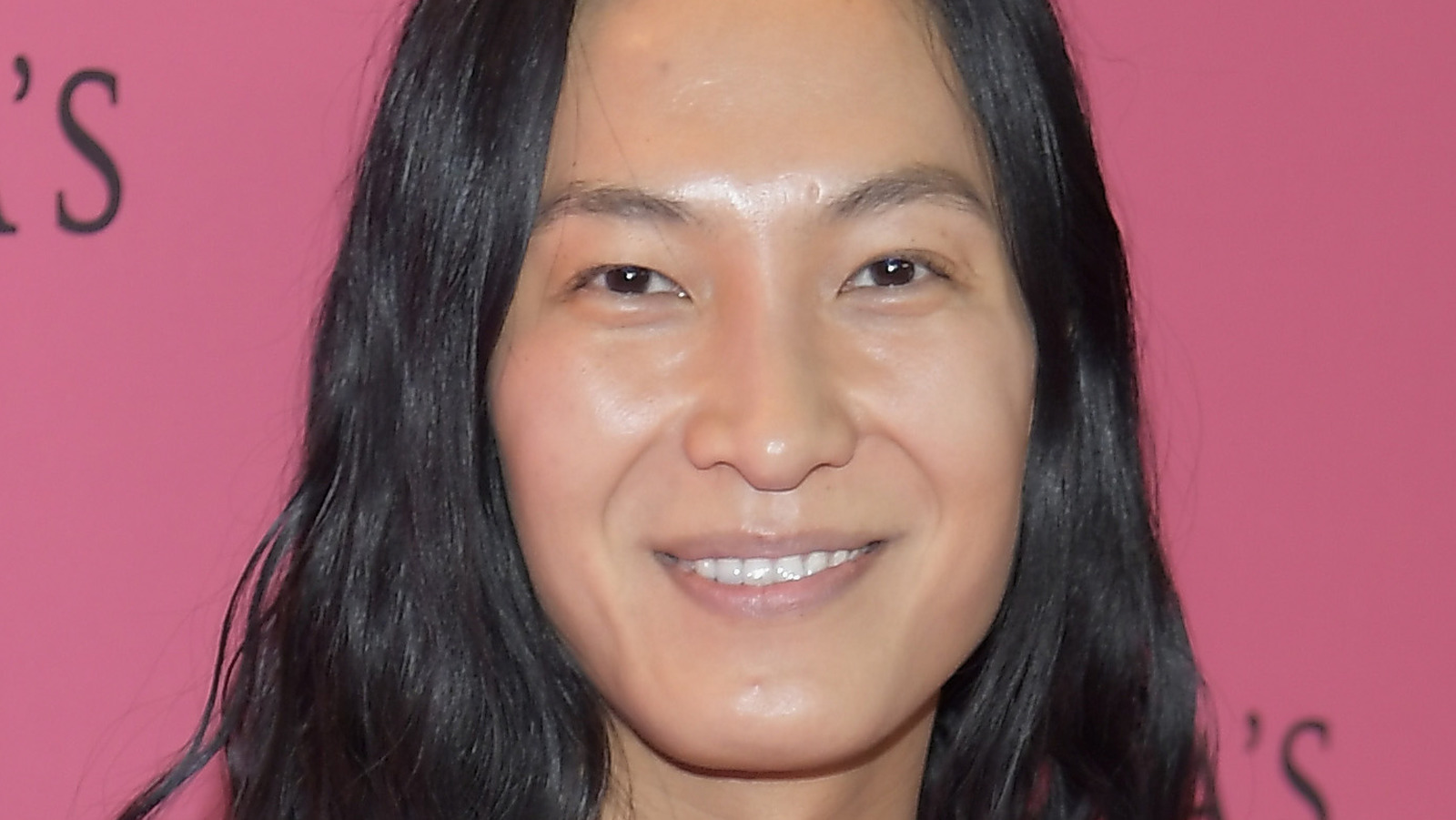
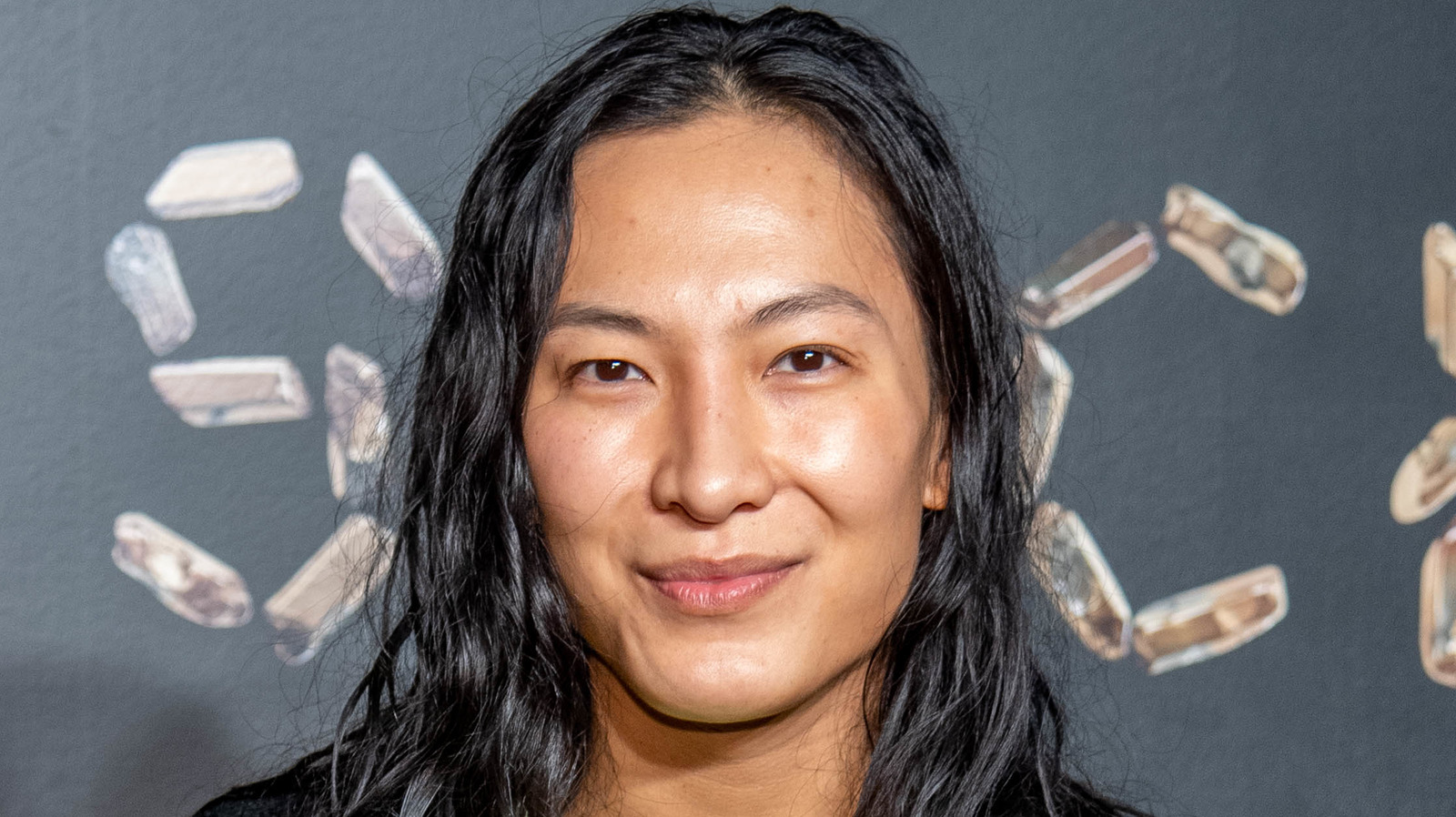
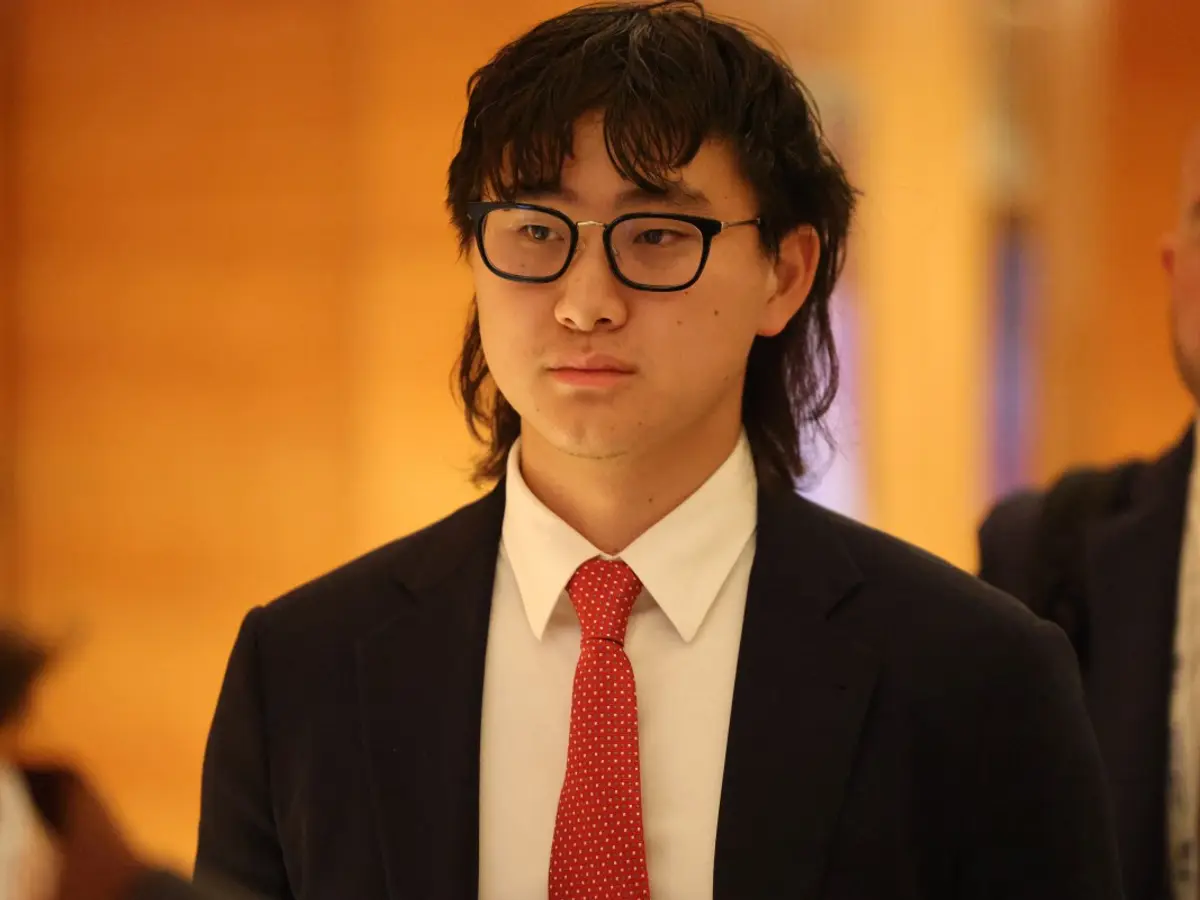
As of 2026, Alexandr Wang (frequently searched as Alexander Wang in financial and tech media) maintains an estimated net worth of approximately $2 billion. The tech tycoon amassed his fortune as the co-founder and CEO of Scale AI, an artificial intelligence data infrastructure company valued at $13.8 billion following its Series F funding round. His wealth derives primarily from his estimated 15% equity stake in the company, which provides critical data annotation, human feedback (RLHF), and evaluation services for major artificial intelligence developers, enterprise corporations, and government agencies.
Disambiguating the Tech Tycoon: Alexandr Wang vs. Fashion Designer Alexander Wang
When searching for the net worth of "Alexander Wang," public inquiry often conflates two prominent global figures:
- Alexandr Wang (Tech Tycoon): Co-founder and CEO of Scale AI, born in 1997 in New Mexico, who became one of the world's youngest self-made billionaires through artificial intelligence infrastructure software.
- Alexander Wang (Fashion Designer): The American fashion designer born in 1983, founder of the eponymous luxury apparel brand launched in 2005.
This analysis focuses strictly on the artificial intelligence entrepreneur and tech tycoon Alexandr Wang, tracking his financial trajectory, the growth of Scale AI, his asset holdings, and the specific market mechanisms that created his multibillion-dollar net worth.
Alexandr Wang Net Worth Breakdown and Valuation Milestones
The primary driver of Alexandr Wang's net worth is his illiquid equity stake in Scale AI. Unlike public market executives whose wealth fluctuates daily on stock exchanges, Wang's net worth is measured through private venture capital valuations, secondary market share transactions, and institutional funding rounds.
- MIT Dropout / Y Combinator (2016)
- Data Labeling Bottleneck Identified
- Scale AI Seed to Series D (2016–2019)
- Reached $1B+ Unicorn Status
- Series E Funding (2021)
- $7.3B Valuation (Youngest Billionaire)
- Generative AI & RLHF Surge (2022–2024)
- Enterprise & Defense Expansion
- Series F Funding Round (2024–2026)
- $13.8B Valuation (~$2B Net Worth)
Wang co-founded Scale AI in 2016 at the age of 19. By 2021, a $325 million Series E investment round valued Scale AI at $7.3 billion, elevating Wang to the status of the world's youngest self-made billionaire at age 25 with an estimated net worth of $1 billion.
Following a period of consolidation across the tech sector, Scale AI secured a landmark $1 billion Series F funding round led by Accel, with participation from strategic corporate investors including Amazon, Meta, Cisco Investments, and ServiceNow Ventures. This round raised Scale AI’s private market valuation to $13.8 billion, solidifying Wang's personal fortune at or above the $2 billion threshold.
| Funding Round / Milestone | Year | Valuation Raised / Target | Implied Company Valuation | Estimated Wang Net Worth | Key Investors / Strategic Partners |
|---|---|---|---|---|---|
| Y Combinator & Seed | 2016 | $120,000 | ~$4M - $5M | < $1M | Y Combinator |
| Series A | 2017 | $4.5M | ~$20M | ~$3M | Accel |
| Series B | 2018 | $18M | ~$100M | ~$15M | Founders Fund, Accel |
| Series C | 2019 | $100M | $1.0B+ | ~$150M | Founders Fund, Coatue |
| Series D | 2020 | $150M | $3.5B | ~$525M | Tiger Global, Index Ventures |
| Series E | 2021 | $325M | $7.3B | $1.0B | Dragoneer, Greenoaks Capital |
| Series F | 2024–2026 | $1.0B | $13.8B | ~$2.0B | Accel, Amazon, Meta, Cisco, Intel |
Early Life, MIT Background, and the Origin of Scale AI
Alexandr Wang was raised in Los Alamos, New Mexico, by parents who worked as physicists on military research initiatives at the Los Alamos National Laboratory. Exhibiting exceptional mathematical talent at an early age, Wang competed in national math and coding olympiads before enrolling at the Massachusetts Institute of Technology (MIT) to study computer science.
During his freshman year at MIT, Wang recognized a structural bottleneck in machine learning development: while algorithm design was advancing rapidly, the industry lacked raw, accurately labeled data required to train complex computer vision and natural language models.
In 2016, at age 19, Wang dropped out of MIT after completing his freshman year to build Scale AI alongside co-founder Lucy Guo through the Y Combinator startup accelerator program. While initial industry skepticism focused on the labor-intensive nature of data prep, Wang recognized that data quality—not hardware availability—would dictate the ultimate ceiling of artificial intelligence performance.
How Scale AI Generated Billion-Dollar Value: The Core Business Model
Scale AI's commercial dominance stems from positioning itself as the critical "data engine" for AI developers. Machine learning models require billions of high-quality data points—annotated images, video frames, text fragments, and code samples—to generalize accurately.
1. Data Labeling and Annotation Pipelines
In its early growth stage, Scale AI developed API-driven platforms combining automated pre-labeling software with gig-economy annotation workforces (such as Remotasks, later rebranded under Scale's operational umbrella). Autonomous vehicle developers like Cruise, Waymo, and Tesla required millions of meticulously annotated driving frames (identifying pedestrians, signs, lane markers, and obstacles), for which Scale AI provided standard-setting accuracy.
2. Reinforcement Learning from Human Feedback (RLHF)
With the explosion of Large Language Models (LLMs) and generative artificial intelligence, Scale AI pivoted its infrastructure to support Reinforcement Learning from Human Feedback (RLHF). Training advanced AI models requires domain experts—including software engineers, mathematicians, lawyers, and linguists—to review, rank, and refine model outputs. Scale AI built specialized networks of vetted professionals to deliver high-reasoning evaluation datasets to leading research labs, including OpenAI, Meta, and Anthropic.
3. Public Sector and Defense Contracts
Scale AI expanded aggressively into government and military technology markets. Through its dedicated public-sector initiative, Scale AI introduced platforms tailored for defense applications, such as Scale Donovan—an AI-powered command center software designed for military analysis and situational awareness.
The company secured lucrative contracts with the U.S. Department of Defense and Chief Digital and Artificial Intelligence Office (CDAO), embedding its software directly into defense infrastructure and establishing reliable, long-term government revenue channels.
- SCALE AI DATA ENGINE
- AUTONOMOUS VEHICLES
- Computer vision, 3D sensor fusion & lidar mapping
- GENERATIVE AI & RLHF
- Specialized human feedback, expert model evaluations
- DEFENSE & GOVT (DONOVAN)
- DoD contracts, operational AI analytics
- AUTONOMOUS VEHICLES
Strategic Partnerships and Institutional Investor Backing
A key factor in Wang’s equity growth is the caliber of institutional capital backing Scale AI. Rather than relying solely on traditional venture funds, Wang secured investments from major strategic enterprise partners who also serve as Scale AI's primary commercial customers:
- Accel and Founders Fund: Early venture firms that led foundational funding rounds, providing governance stability and strategic capital.
- Amazon and Meta: Strategic corporate investors that utilize Scale AI’s data infrastructure to train internal consumer and open-source foundation models.
- ServiceNow and Cisco Ventures: Corporate tech partners integrating Scale AI’s model validation tools into enterprise IT and workflow software.
By aligning customer enterprise needs with equity investment, Scale AI fortified its market position against competing software annotation startups like Labelbox, Snorkel AI, and Surge AI.
Financial Architecture: Equity Retention vs. Dilution
Alexandr Wang's personal net worth of ~$2 billion highlights an effective capital allocation strategy: preserving executive ownership while scaling private market capital.
Many tech founders see their ownership diluted below 5% through successive funding rounds. Wang maintained an estimated 15% stake through Series F by maintaining strong revenue metrics relative to total capital raised:
- Capital Efficiency: Scale AI established strong unit economics early by pairing software automated pre-labeling with scalable global human operations.
- High-Margin Enterprise Contracting: By shifting from basic image tagging to specialized RLHF and enterprise AI evaluation, Scale AI expanded gross profit margins, justifying premium private market valuations.
- Strategic Secondary Sales: While the vast majority of Wang's net worth remains tied up in private equity shares, secondary tender offers have allowed early founders and employees to liquidate minor equity percentages for personal liquidity without causing valuation down-rounds.
Industry Challenges and Future Net Worth Factors
Because Alexandr Wang’s net worth is inextricably linked to Scale AI's valuation, his financial trajectory hinges on several critical operational and market variables:
Synthetic Data vs. Human Data Requirements
A major debate within artificial intelligence architecture is whether frontier AI models will transition from human-annotated data to AI-generated "synthetic data." If foundation models can train effectively on synthetic data without human intervention, demand for large-scale manual annotation could decline. Conversely, if synthetic data leads to model degradation or "hallucination amplification," high-grade human RLHF provided by Scale AI will command an even higher enterprise premium.
Labor Practices and Global Workforce Management
Scale AI’s global data annotation operations rely on thousands of remote contractors across developing markets. Operating such large human networks brings ongoing regulatory scrutiny, global labor compliance mandates, and operational overhead. Sustaining brand equity and corporate compliance across international jurisdictions remains vital to protecting investor sentiment and company valuation.
Potential Initial Public Offering (IPO) Dynamics
To convert paper wealth into fully liquid assets, Scale AI will eventually face the public equity markets. An Initial Public Offering (IPO) will expose the company's financial statements, revenue concentration, and operating margins to public market scrutiny. The historical performance of tech IPOs demonstrates that private market valuations do not always translate 1:1 into public market capitalization.
Practical Guidance: Tracking Private Tech Tycoon Valuations
For financial analysts, tech journalists, and investors tracking private technology valuations and executive net worth, standard public market metrics (like daily stock prices) are unavailable. Use the following structured methodology to verify private asset figures:
Step 1: Examine Official Regulatory Filings
Inspect Form D filings with the U.S. Securities and Exchange Commission (SEC) to confirm total capital raised and share issuance terms during corporate funding rounds.
Step 2: Cross-Reference Institutional Investor Reports
Review quarterly portfolio reports published by publicly traded venture funds, mutual funds (e.g., Fidelity, BlackRock), or listed investment entities that hold stakes in private unicorns. Institutional markdowns or markups provide early indicators of private valuation adjustments.
Step 3: Monitor Government Procurement Databases
Track public sector contract awards through federal portals such as USAspending.gov or System for Award Management (SAM.gov) to evaluate real public-sector revenue growth across defense tech entities.
Step 4: Account for Equity Dilution Structure
Calculate net worth estimates based on updated capitalization tables, accounting for option pool refreshes, liquidation preferences, and founder secondary sales rather than applying static ownership percentages across funding rounds.
Frequently Asked Questions
What is Alexandr Wang's net worth in 2026?
Alexandr Wang's net worth is estimated at approximately $2 billion. This valuation is calculated primarily from his approximate 15% equity stake in Scale AI following its $13.8 billion Series F valuation.
Is Alexandr Wang related to designer Alexander Wang?
No. Alexandr Wang, the tech tycoon and CEO of Scale AI, is an artificial intelligence entrepreneur born in New Mexico. Alexander Wang, the fashion designer, is a distinct individual operating in the luxury apparel industry.
How did Alexandr Wang get rich so quickly?
Wang identified early that artificial intelligence development faced a critical bottleneck in training data quality. By co-founding Scale AI to supply clean datasets, image annotation, and specialized human feedback (RLHF) to major AI developers and government agencies, Scale AI grew rapidly into a multi-billion dollar enterprise.
Did Alexandr Wang finish his degree at MIT?
No. Alexandr Wang attended the Massachusetts Institute of Technology (MIT) for his freshman year before dropping out in 2016 at age 19 to build Scale AI through the Y Combinator startup accelerator program.
What companies use Scale AI's services?
Scale AI provides data infrastructure, RLHF, and evaluation platforms to leading AI research companies, enterprise technology firms, and government agencies. Confirmed clients and partners include OpenAI, Meta, Microsoft, Anthropic, General Motors (Cruise), and the U.S. Department of Defense.