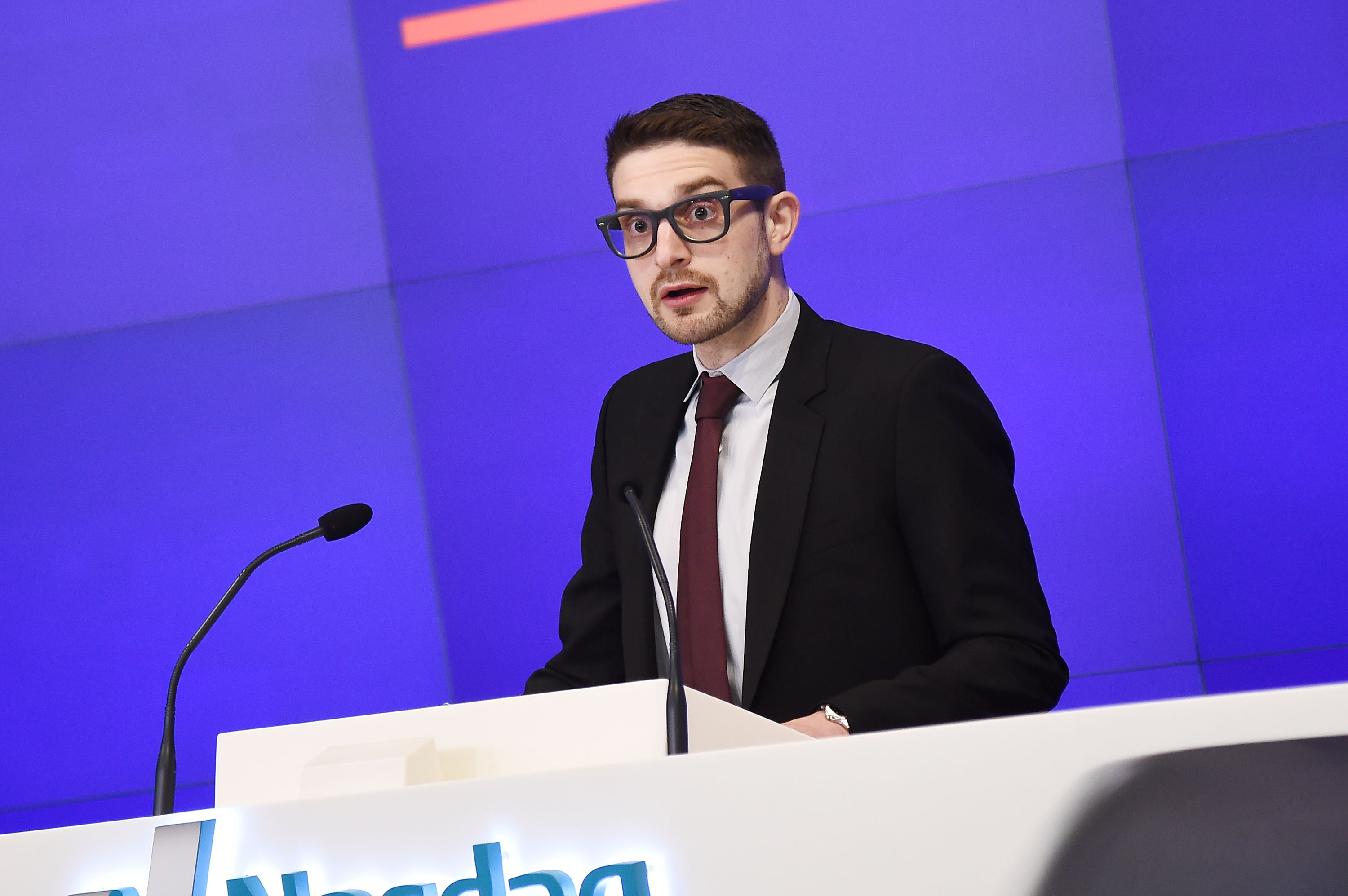
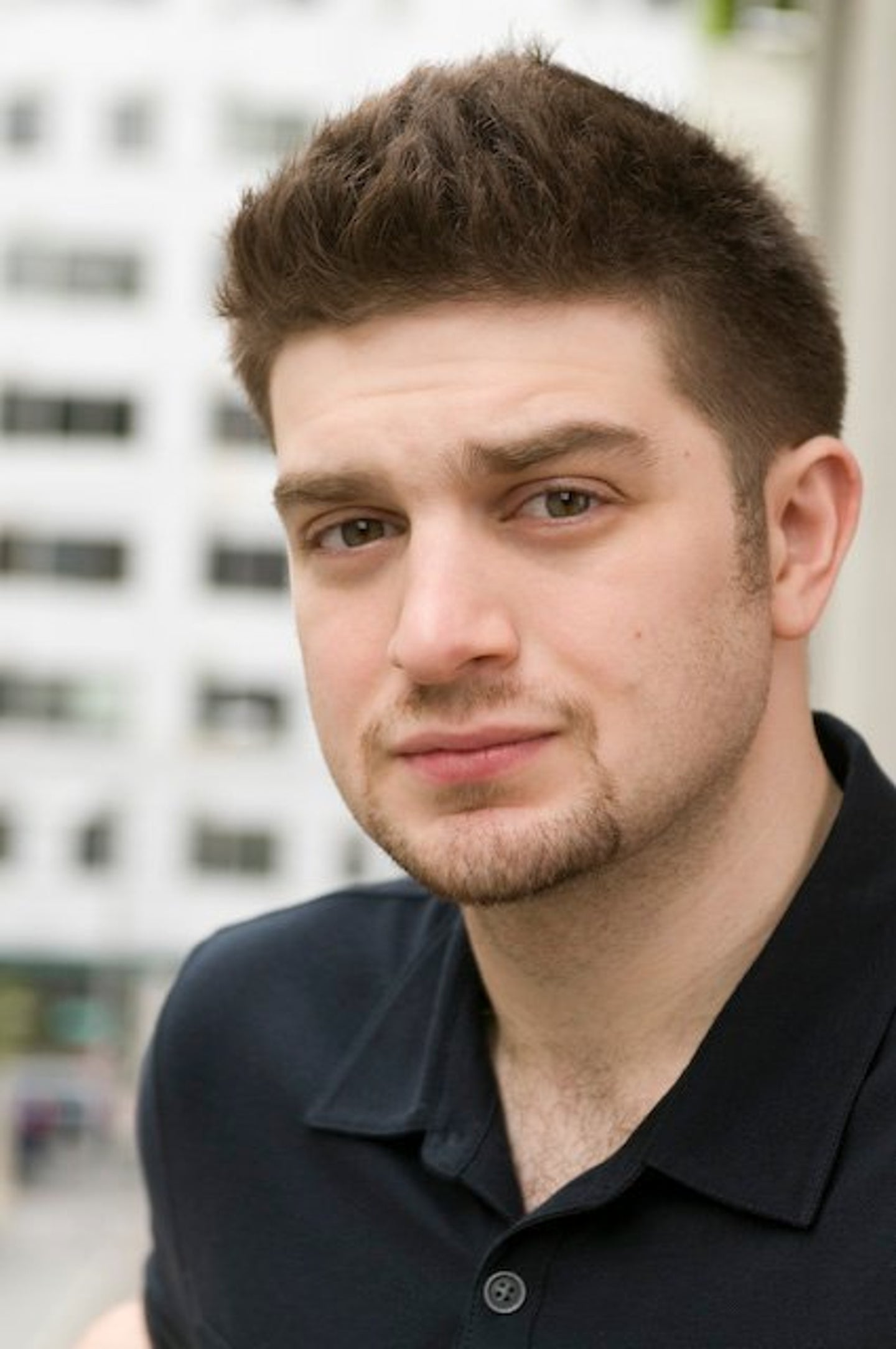
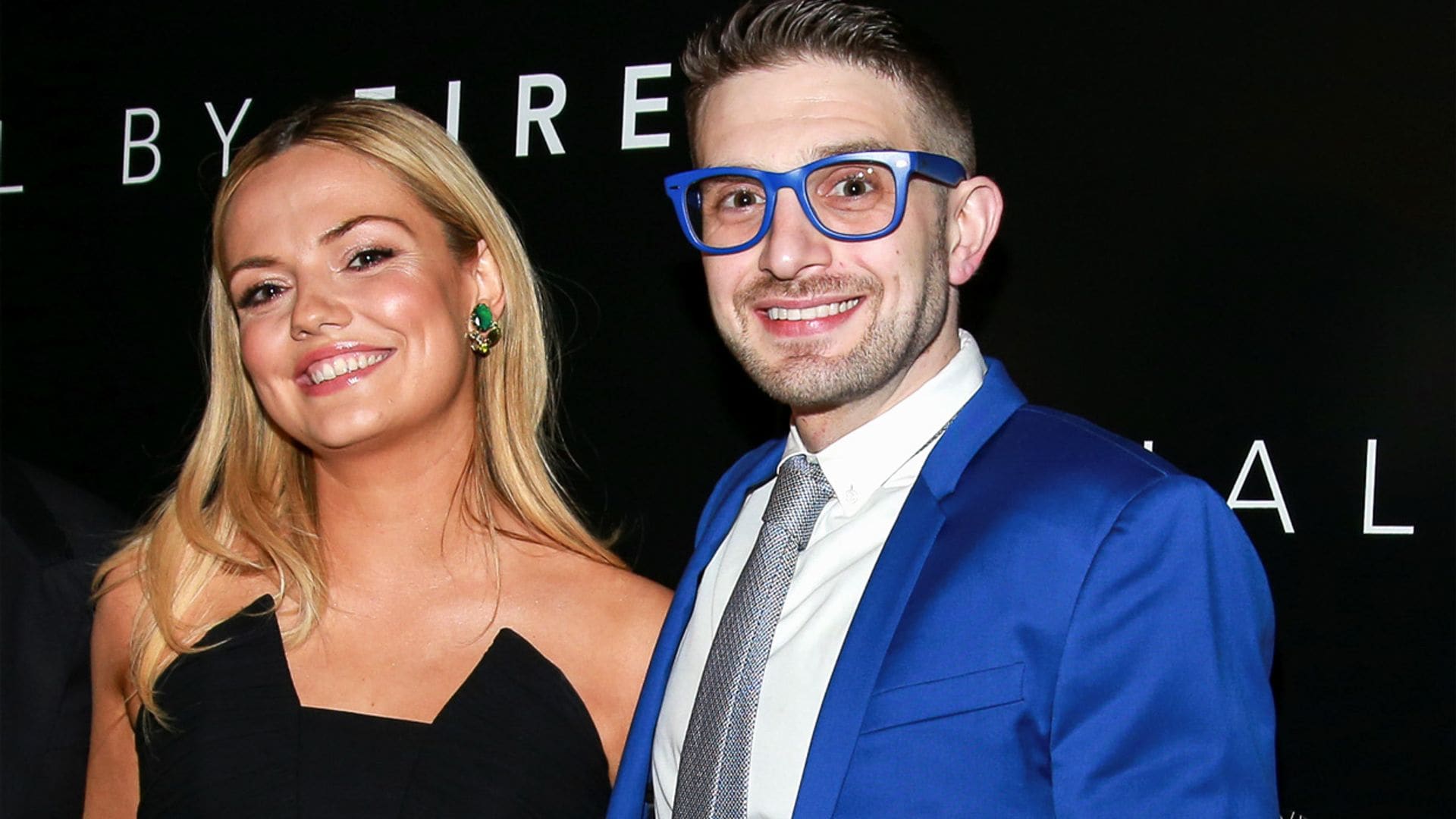
Alexander Soros is an American philanthropist, political donor, and public figure born on October 27, 1985 (age 40). Holding a Ph.D. in history from the University of California, Berkeley, he serves as the Chair of the Board of Directors for the Open Society Foundations (OSF), managing one of the world's largest private networks supporting democracy, human rights, and institutional reform.
Early Life, Family Lineage, and Academic Training
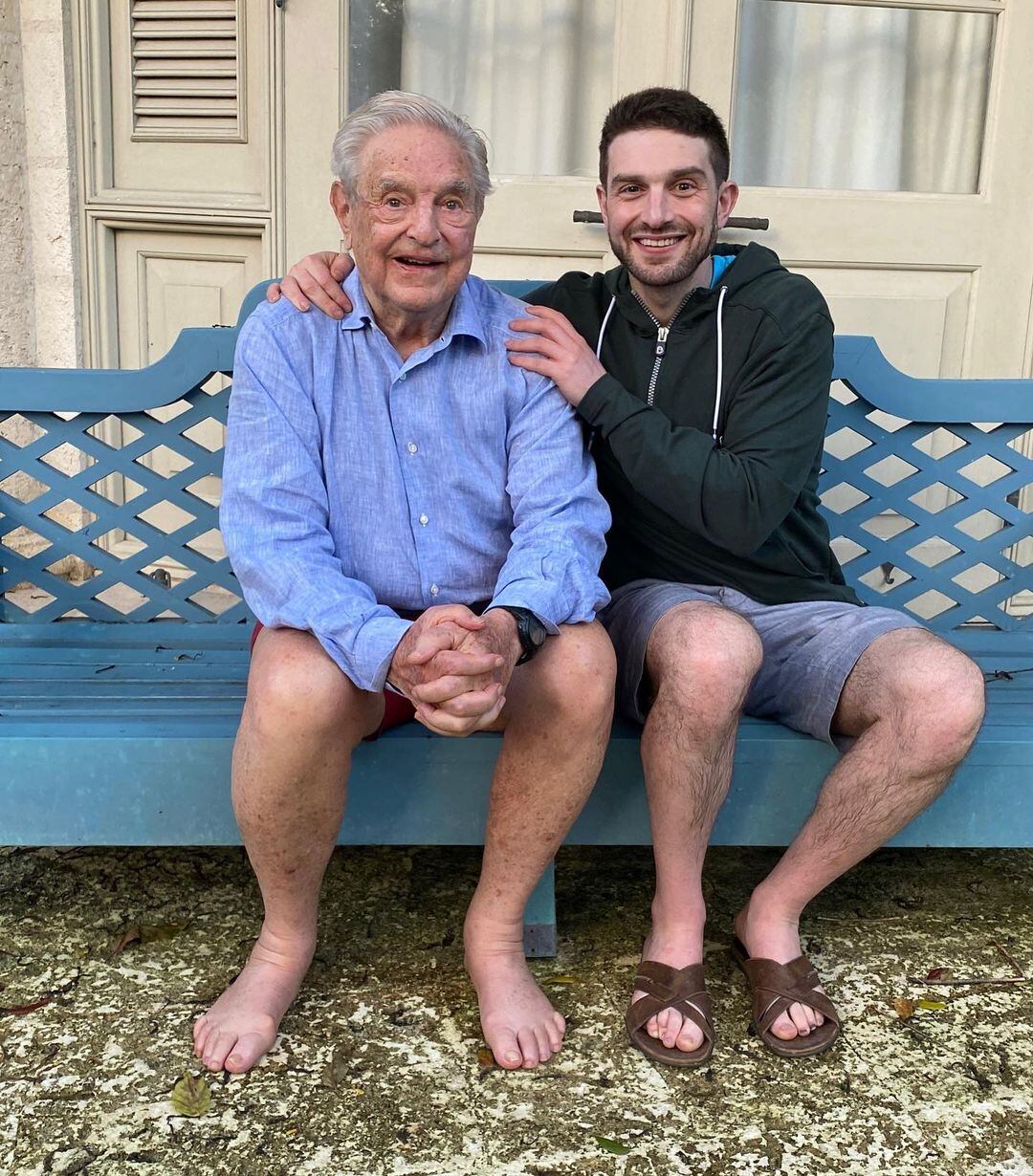
Alexander "Alex" Soros was raised in New York City as the son of billionaire investor and philanthropist George Soros and scholar Susan Weber, the founder of the Bard Graduate Center. Raised alongside his brother Gregory and three half-siblings from his father's previous marriage, he was exposed early in life to international finance, foreign policy, and global non-governmental organizations.
Despite his family's prominent public stature, Soros's early adulthood was marked by intensive academic pursuits. He attended high school at King Low Heywood Thomas in Stamford, Connecticut, before matriculating at New York University (NYU), where he earned his Bachelor of Arts degree in history in 2009. Driven by a deep interest in political theory, philosophical history, and European literature, he pursued graduate studies at the University of California, Berkeley.
In 2018, Soros completed his Ph.D. in history at UC Berkeley. His doctoral dissertation, titled "Jewish Dionysus: Heine, Nietzsche, and the Politics of Literature," examined the complex interplay between German philosophy, Jewish cultural identity, and political ideology through the works of 19th-century poet Heinrich Heine and philosopher Friedrich Nietzsche. This deep study of intellectual history provided him with an analytical framework for understanding ideological conflict, modern authoritarian movements, and the resilience of democratic institutions—perspectives that directly inform his executive governance today.
Independent Philanthropy: The Alexander Soros Foundation
Before stepping into primary leadership roles within the broader family enterprise, Alex Soros established an independent philanthropic vehicle in 2012 known as the Alexander Soros Foundation (ASF). The foundation was established to target specific, often underfunded sectors within the human rights and social justice movements.
While the broader Open Society Foundations historically focused on large-scale systemic reforms, transitional justice, and open-market legal systems, the Alexander Soros Foundation carved out a focused niche centered on frontline environmental and labor activists. Key funding priorities included:
- Environmental and Land Rights Defenders: Directing grants to indigenous leaders and localized grassroots organizations protecting rainforests, river basins, and communal lands against illegal resource extraction and state violence.
- Domestic and Informal Worker Protections: Supporting advocacy organizations that organize domestic laborers, farmworkers, and unregulated workforce sectors in both developing and developed nations.
- The ASF Award for Extraordinary Activism: Establishing an annual international award to highlight the perilous work of human rights and environmental activists, bringing international media visibility and legal defense resources to award recipients.
Through this initiative, Soros demonstrated an independent approach to grantmaking, prioritizing high-risk, frontline causes that required targeted intervention rather than institutional bureaucracy.
Leadership of the Open Society Foundations (OSF)
In December 2022, the Board of Directors of the Open Society Foundations elected Alexander Soros as Chair, succeeding his father, George Soros. The election marked a major generational shift across the multi-billion-dollar organization, which operates across dozens of global offices and distributes hundreds of millions of dollars in grants annually.
Upon assuming leadership, Alex Soros oversaw a comprehensive strategic restructuring intended to adapt the foundation network to contemporary geopolitical challenges. The internal reorganization involved several significant strategic shifts:
- Operational Centralization: Transitioning OSF away from a highly decentralized system of semi-autonomous regional hubs toward a streamlined governance model capable of deploying resources rapidly during sudden political or humanitarian crises.
- Defending Democratic Institutions in Western Nations: Increasing focus on safeguarding electoral processes, judicial independence, voting rights, and media pluralism within established Western democracies, particularly in North America and Western Europe.
- Addressing Technological and Climate Threats: Integrating digital rights, artificial intelligence accountability, and climate-induced population displacement into core grantmaking portfolios.
In addition to leading OSF, Soros sits on the investment committee for Soros Fund Management, maintaining oversight across both the philanthropic and financial domains of the family estate.
Biographical and Professional Overview
| Profile Metric | Key Details and Specifications |
|---|---|
| Full Name | Alexander Soros |
| Date of Birth | October 27, 1985 |
| Age | 40 years old |
| Undergraduate Education | B.A. in History, New York University (2009) |
| Doctoral Education | Ph.D. in History, University of California, Berkeley (2018) |
| Primary Executive Role | Chair of the Board of Directors, Open Society Foundations |
| Independent Organizations | Founder, Alexander Soros Foundation (Established 2012) |
| Political Directorships | Chair, Democracy PAC |
| Primary Focus Areas | Democratic institutional defense, human rights, environmental justice, voting access |
Public Profile, Political Engagement, and Media Presence
Alexander Soros maintains a highly visible, active public profile that contrasts with the traditional, often back-room posture taken by many foundation executives. His public strategy integrates international diplomatic engagement, political fundraising, and direct digital communication.
Diplomatic Engagement and Political Fundraising
As Chair of Democracy PAC—a political action committee dedicated to supporting democratic candidates, election protection campaigns, and voting rights organizations in the United States—Soros is a prominent figure in American political finance. His leadership involves direct collaboration with lawmakers, foreign ministers, and international heads of state. He routinely represents the Open Society Foundations at global forums, including the World Economic Forum in Davos and the Munich Security Conference, discussing topics ranging from aid for Ukraine to rule-of-law initiatives in Eastern Europe.
Personal Life and Public Visibility
Soros's personal life and cultural engagements frequently draw media coverage. In 2024, he announced his engagement and subsequent marriage to long-time political advisor and executive Huma Abedin, further solidifying his presence within national political and policy circles. Unlike political donors who operate strictly behind non-profit boards, Soros actively uses social media platforms to publicize high-level meetings, articulate policy viewpoints, and archive his philanthropic travel.
Navigating Political Criticism
Given the scale of the Open Society Foundations' endowment and its historical prominent position in geopolitical debates, Alex Soros is a frequent subject of media commentary and political criticism. Conservative figures and populist movements frequently critique his political contributions and OSF's support for progressive legal and social initiatives. Soros addresses these criticisms openly in published op-eds and public panels, arguing that robust, defensive advocacy for open societies is necessary to counter modern authoritarianism.
Key Perspectives Driving Next-Generation Philanthropy
Under Alexander Soros’s direction, the strategy behind progressive philanthropic capital reflects a changing global political landscape:
- Countering Institutional Backsliding: Recognizing that democratic norms can deteriorate from within established republics, grantmaking strategies increasingly prioritize domestic election protection, watchdog journalism, and civil rights litigation.
- Connecting Environmental Protection and Human Rights: Recognizing that ecological degradation directly exacerbates poverty and displacement, OSF grants place greater emphasis on supporting activists fighting land grabs and resource exploitation.
- Agile Crisis Response: Moving toward rapid-response grant frameworks that can deliver immediate legal, operational, or safety funding to civil society figures targeted by authoritarian regimes or legal harassment.
Frequently Asked Questions
How old is Alexander Soros, and what is his educational background?
Alexander Soros was born on October 27, 1985, making him 40 years old. He earned a Bachelor of Arts in History from New York University in 2009 and completed his Ph.D. in History at the University of California, Berkeley in 2018, where his research focused on 19th and 20th-century European intellectual history.
When did Alexander Soros become Chair of the Open Society Foundations?
The Board of Directors elected Alexander Soros as Chair of the Open Society Foundations in December 2022, taking over leadership from his father, George Soros. The formal public transition was announced in mid-2023, accompanied by a strategic restructuring of the foundation network.
What is the distinction between the Open Society Foundations and the Alexander Soros Foundation?
The Open Society Foundations (OSF) is a multi-billion-dollar global foundation network that funds projects in civil rights, justice reform, education, public health, and democratic governance worldwide. The Alexander Soros Foundation (ASF) is a separate, independent philanthropic organization founded by Alex Soros in 2012 that specifically targets environmental justice and land rights defenders.
What is Alexander Soros’s role in political advocacy?
Alex Soros serves as Chair of Democracy PAC, an organization that allocates political funding to support voting rights, democratic candidates, and institutional defense efforts within the United States. He also engages in direct diplomacy with international leaders to support open-society values globally.
Who is Alexander Soros married to?
Alexander Soros is married to political advisor and author Huma Abedin, who previously served as a senior aide to former U.S. Secretary of State Hillary Clinton. The couple publicly announced their engagement in mid-2024 and subsequently married.
Strategic Outlook for Philanthropy and Policy Analysts
For non-profit administrators, foreign policy analysts, and political scientists, Alexander Soros's ongoing leadership of the Open Society Foundations represents a modern case study in foundation management and generational wealth transition. Analysts tracking the long-term impact of his stewardship typically monitor three primary indicators:
- Resource Allocation in High-Stakes Elections: Observing how OSF and associated entities balance long-term civil society investments against emergency funding for election protection and legal defense in polarized democracies.
- Structural Agility: Assessing how effectively OSF's streamlined organizational structure responds to sudden geopolitical crises, such as civil conflicts, policy shifts in major democracies, or legislative restrictions on non-governmental organizations.
- Institutional Longevity: Tracking how the foundation preserves its core mission of fostering open societies while expanding its scope to handle modern threats, including automated disinformation, climate disruption, and legal challenges to non-profit funding.