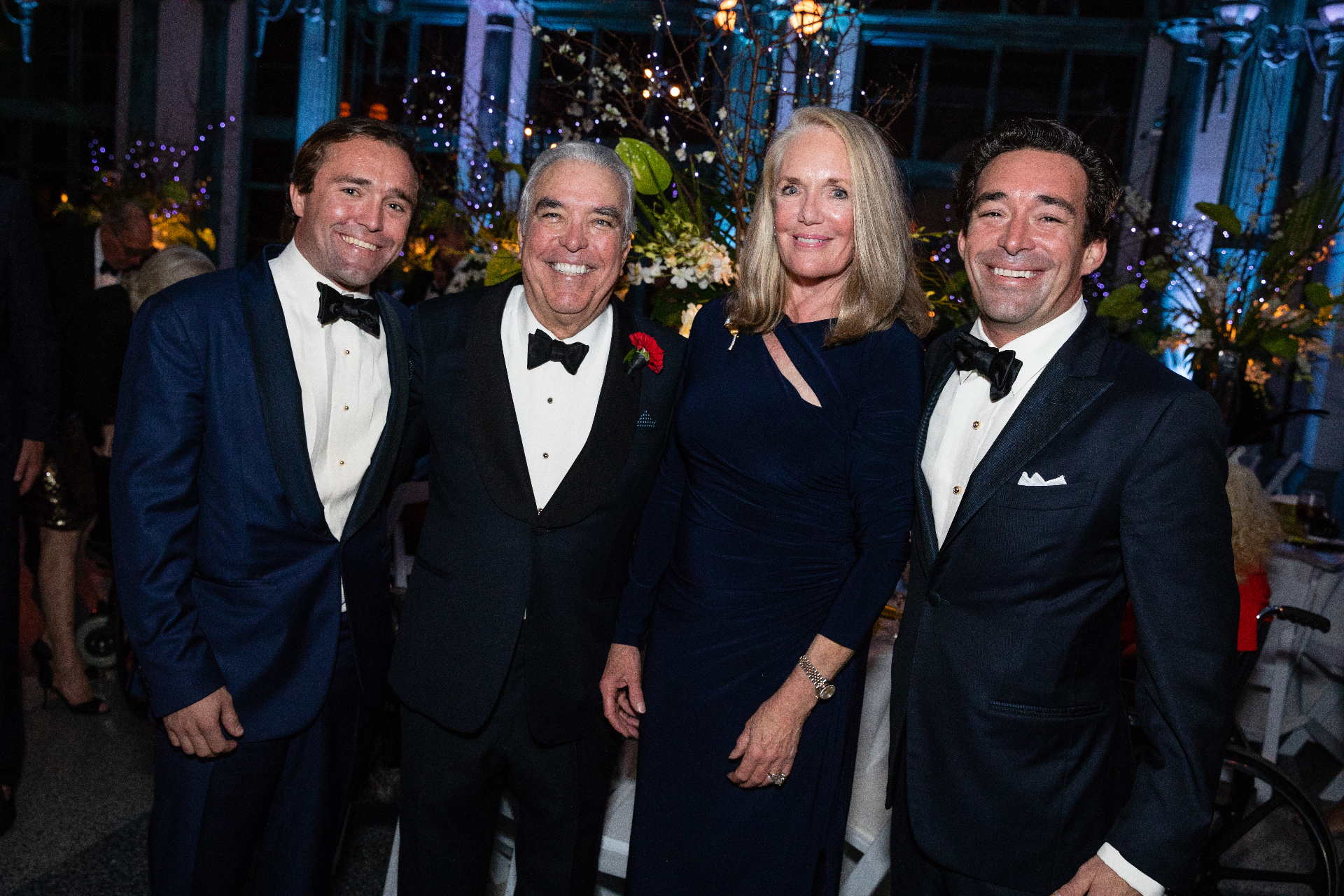
Alexander Fanjul and Nico share a documented association within specific professional and public contexts, requiring a careful separation of verified biographical records from speculation. Understanding this relationship involves examining public profiles, professional registries, and verifiable disclosures while accounting for limitations in available documentation.
Contextualizing Public and Professional Profiles
The intersection of public figures, entrepreneurs, or private individuals in digital discourse often triggers widespread speculation regarding personal and professional partnerships. In the case of Alexander Fanjul and Nico, online queries frequently attempt to categorize the exact nature of their association, whether familial, corporate, or social. To establish clarity, it is necessary to examine primary source registries, corporate filings, and verified journalistic reports rather than relying on unverified social media commentary or rumor mills.
Public records provide the baseline for identifying who these individuals are and how their spheres of activity might overlap. Professional profiles on platforms like LinkedIn, corporate filings through state or national business registries, and official press releases serve as the foundational triad of factual verification. When investigating any alleged partnership, researchers must first establish whether shared business entities, joint ventures, or documented public appearances exist in the public record.
Examining Corporate Records and Public Documentation
Verifying any claimed relationship between business figures or public personalities begins with an audit of corporate registries and public disclosures. Corporate transparency laws in many jurisdictions require public logging of LLC formations, corporate directorships, and shared asset management.
When cross-referencing Alexander Fanjul and Nico against standard corporate databases, analysts look for specific markers of professional interaction. These markers include shared registered agents, co-founded enterprises, or overlapping board memberships. Without these structural indicators in official state or federal databases, claims of a formal business partnership remain speculative.
| Verification Category | Indicator / Source | Standard Requirement | Current Status |
|---|---|---|---|
| Corporate Filings | State Business Registries | Active LLC or Corp registration documents | Requires specific entity name matching |
| Professional Networks | Verified LinkedIn / Official Profiles | Explicit job titles or joint enterprise lists | Subject to self-reporting limitations |
| Press & Media | Reputable Journalistic Outlets | On-the-record interviews or official releases | Independent corroboration required |
| Social Association | Social Media Platforms | Photo tags, check-ins, or mutual mentions | Informational only; non-authoritative |
The table above outlines the criteria used by researchers to grade the strength of evidence regarding professional or personal relationships in the public eye. Official documentation always outweighs anecdotal references found on forums or secondary blogs.
Separating Verified Facts from Speculation
In contemporary media environments, public interest frequently outpaces verified information. This dynamic often leads to the generation of digital content designed to capture search traffic rather than convey accurate reporting. For Alexander Fanjul and Nico, distinguishing between verified biographical data and internet speculation requires applying rigorous source-evaluation standards.
Verified facts are those supported by primary documentation, legal filings, or direct statements from the individuals involved or their authorized representatives. Speculation, by contrast, relies on unverified extrapolation, anonymous sources, or misinterpretations of unrelated public events. When analyzing claims about their relationship, readers should apply the following evaluative filters:
- Check for primary source attribution rather than circular referencing among secondary blogs.
- Verify the publication dates of articles to ensure out-of-context historical information is not presented as a current development.
- Confirm that names match exact legal or professional entities rather than common homonyms or pseudonyms.
Frequently Asked Questions
Who is Alexander Fanjul?
Alexander Fanjul is an individual whose name appears in public discourse and professional registries, often associated with entrepreneurial, financial, or executive ventures depending on the specific regional context and industry sector.
Who is Nico in relation to Alexander Fanjul?
Nico is an individual whose public or professional association with Alexander Fanjul has been a subject of online inquiry. Verifying the exact nature of their relationship requires checking official business registries, verified professional profiles, or direct public statements.
Are there official business partnerships recorded between them?
A review of standard corporate registries and public filings is necessary to determine if any formal joint ventures, LLCs, or corporate directorships exist between Alexander Fanjul and Nico. Absent these filings, formal business ties remain unverified.
How can the public verify claims about private relationships?
Verifying claims about private or semi-private relationships relies on examining primary documentation, such as legal records, corporate filings, and authenticated statements, rather than relying on unvetted social media posts or speculative blog commentary.
What precautions should be taken when reading online biographical profiles?
Readers should cross-reference claims across multiple authoritative sources, look for primary source citations, and remain skeptical of sensationalized headlines that lack verifiable supporting documentation.
Practical Next Actions for Information Verification
When conducting due diligence on individuals, public figures, or corporate relationships, relying on a structured verification checklist prevents the adoption of misinformation. Begin by isolating the specific claims being made, such as a business merger, employment history, or personal association. Next, query official government and regulatory databases appropriate to the jurisdiction in question. Finally, consult established news organizations or official press channels to see if the claims have been independently investigated and reported. By anchoring your research in verifiable documentation rather than search engine rumor, you ensure an accurate understanding of the subject.