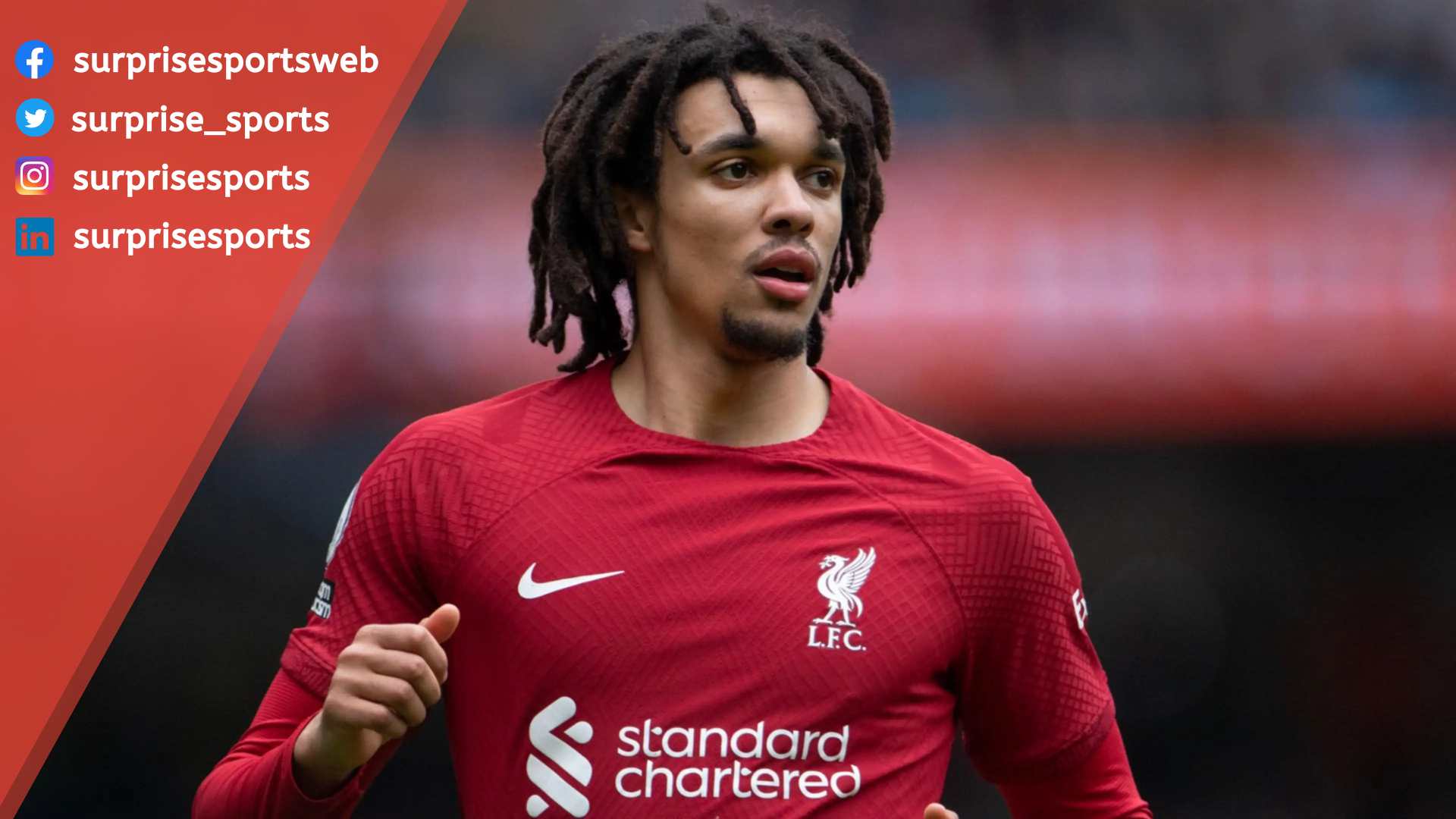
Trent Alexander-Arnold possesses an estimated net worth between $15 million and $25 million, though popular search queries occasionally confuse his financial profile with fictional actors or unrelated names. As a prominent professional athlete competing at the highest levels of global association football, his wealth stems from lucrative club contracts, elite sportswear endorsements, and strategic commercial investments rather than a career in the dramatic arts.
The Professional Football Career and Primary Salary Foundations
The core foundation of any elite professional footballer's wealth rests on direct compensation from club employment. Trent Alexander-Arnold has spent his entire senior club career with Liverpool Football Club, rising through the academy ranks to become a cornerstone of the first team. Over successive contract renewals that reflect his status as one of the world's premier right-backs, his weekly wages have escalated significantly.
Top-tier Premier League footballers command substantial base salaries, often supplemented by performance-related bonuses, clean-sheet incentives, and tournament advancement payouts. While exact remuneration details under individual contract terms remain privately negotiated, industry estimates place his annual club salary among the upper tier of Liverpool's squad. These sustained earnings over multiple seasons form the bedrock of his financial portfolio, allowing for capital accumulation far exceeding standard consumer benchmarks.
Beyond club football, international representation for the England national team contributes both to his global profile and additional match-fee income. Participation in major international tournaments such as the UEFA European Championship and the FIFA World Cup brings supplementary remuneration alongside heightened visibility that influences commercial marketability.
Brand Endorsements and Commercial Partnerships
Commercial sponsorship represents a critical multiplier for contemporary athletic wealth. Major sportswear manufacturers actively compete to secure elite players to exclusive footwear and apparel contracts. Alexander-Arnold's prominent long-term partnership with Under Armour serves as a primary driver of his off-pitch earnings, featuring signature cleat collections and global marketing campaigns.
In addition to technical sporting goods, elite athletes frequently partner with luxury fashion houses, lifestyle brands, and consumer technology companies. Alexander-Arnold has expanded his commercial footprint through collaborations with lifestyle and luxury labels, reflecting a broader trend where sports stars cross over into fashion and culture. These endorsement agreements typically involve fixed annual retainers combined with performance milestones and royalty structures tied to branded merchandise sales.
| Partnership Category | Representative Brand Type | Financial Impact |
|---|---|---|
| Technical Sportswear | Global Athletic Brands (e.g., Under Armour) | Primary off-pitch retainer, signature product lines, global visibility |
| Luxury Lifestyle & Fashion | High-End Apparel and Watches | Premium endorsement fees, cultural positioning |
| Consumer Technology | Digital and Electronic Manufacturers | Regional or global promotional campaigns |
| Grassroots & Community | Local Businesses and Foundations | Brand equity building and social impact |
Real Estate Investments and Financial Diversification
Prudent wealth management for professional athletes requires diversifying away from pure salary income into tangible assets and investment vehicles. Property acquisition serves as a traditional and stable store of value for high-net-worth individuals in the United Kingdom. Real estate holdings in affluent areas of northwest England and London provide both residential security and long-term capital appreciation.
Beyond real estate, contemporary athletes increasingly allocate capital toward venture capital, startup enterprises, and digital asset structures. While specific private investment portfolios are rarely disclosed in full detail, modern sports management advisory teams typically guide players toward balanced portfolios that safeguard against the compressed timeline of an athletic career. Professional sports careers carry inherent injury risks and typically conclude by a player's mid-to-late thirties, making early financial diversification essential for long-term economic stability.
Addressing Confusion Around the "Actor" Misconception
Search engine queries occasionally group professional athletes alongside traditional actors, creating confusion regarding the source of their wealth. This phenomenon often arises from overlapping name searches, celebrity gossip aggregation sites, or algorithmic misclassifications that conflate sports entertainment with cinematic production.
Trent Alexander-Arnold is exclusively a professional association footballer and has no documented career as a film or television actor. While high-profile athletes frequently make cameo appearances in advertisements, documentaries, or promotional short films, their primary profession remains distinct from the entertainment industry. Recognizing this distinction prevents the propagation of inflated or erroneous net worth figures frequently published by unverified biographical websites that estimate celebrity wealth without primary source documentation.
Managing the Short Career Window and Long-Term Wealth Preservation
The financial reality of professional athletics requires strict adherence to long-term planning principles due to the finite nature of peak earning years. Footballers face a narrow window—typically spanning ten to fifteen years—to accumulate the capital required to sustain their lifestyle and family for decades post-retirement.
Tax obligations in the United Kingdom, where the highest marginal income tax rate applies to earnings above specified thresholds, necessitate sophisticated tax planning and corporate structuring for image rights. Image rights companies allow athletes to manage commercial endorsement income separately from standard club wages under specialized legal frameworks. Financial advisers, legal counsel, and sports management agencies coordinate these structures to ensure compliance with HM Revenue and Customs (HMRC) regulations while maximizing net retention of earnings.
Frequently Asked Questions
What is Trent Alexander-Arnold's primary source of income?
His primary source of income is his professional football contract with Liverpool Football Club, supplemented by match fees from international appearances with the England national team and lucrative commercial endorsement deals.
Is Trent Alexander-Arnold an actor?
No, he is not an actor. He is a professional association footballer playing in the English Premier League. Search queries referencing him as an actor stem from name confusion or automated aggregation errors on unverified biography websites.
How much does Trent Alexander-Arnold earn per week?
Exact weekly wage figures are bound by confidentiality agreements, but industry reporting places his salary among the upper tier of Liverpool's squad, reflecting his status as a world-class defender and key tactical player.
Which major brands sponsor Trent Alexander-Arnold?
His most notable long-term partnership is with sportswear manufacturer Under Armour, alongside various collaborations with lifestyle, fashion, and technology brands that leverage his global profile.
How do professional footballers protect their net worth long-term?
Athletes typically protect and grow their wealth through diversified investment portfolios, real estate acquisitions, corporate image rights management, and professional wealth advisory services designed to sustain them after retirement.
Securing Financial Transparency and Verifying Wealth Estimates
When evaluating the reported net worth of public figures, readers should exercise caution regarding figures published across unverified internet databases. Because private individuals and athletes are not legally required to publish comprehensive balance sheets, figures cited in media reports represent educated estimates based on known contract values, standard agency commissions, estimated tax liabilities, and publicly disclosed property transactions. For accurate financial perspectives, rely on official club announcements, verified business filings, and reputable financial journalism rather than speculative celebrity wealth portals.